
 By admin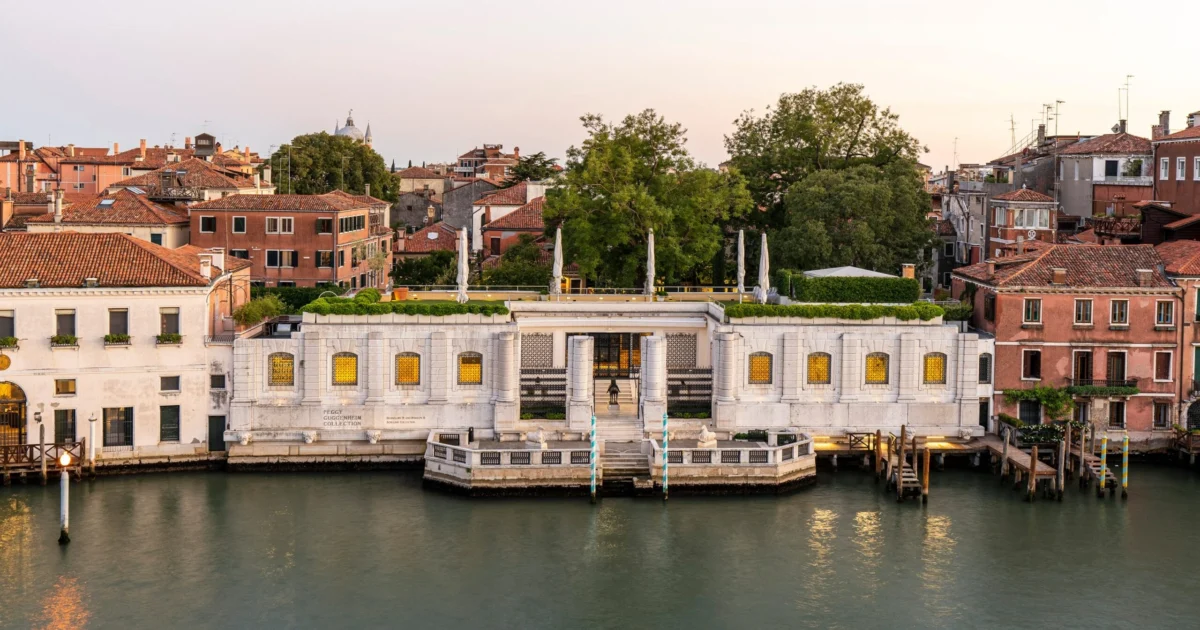
The modern landscape of high watchmaking has evolved far beyond the mechanical precision of tourbillons and escapements, transitioning into a sophisticated realm where horology serves as a primary vehicle for cultural expression. In recent years, the intersection between luxury watch brands and the global arts community has become increasingly strategic, moving away from traditional sponsorship models toward deep-rooted institutional patronage. Today, leading maisons such as Cartier, Bvlgari, Vacheron Constantin, and Swatch are embedding themselves within the fabrics of cinema, contemporary art, and historical preservation. This shift reflects a broader industry trend where storytelling, heritage, and cultural relevance are as critical to a brand’s identity as the technical specifications of its movements. By engaging in high-level artistic dialogues, these brands are not merely selling timepieces; they are positioning themselves as custodians of human creativity and craftsmanship.
Cartier and the Evolution of Cinematic Storytelling
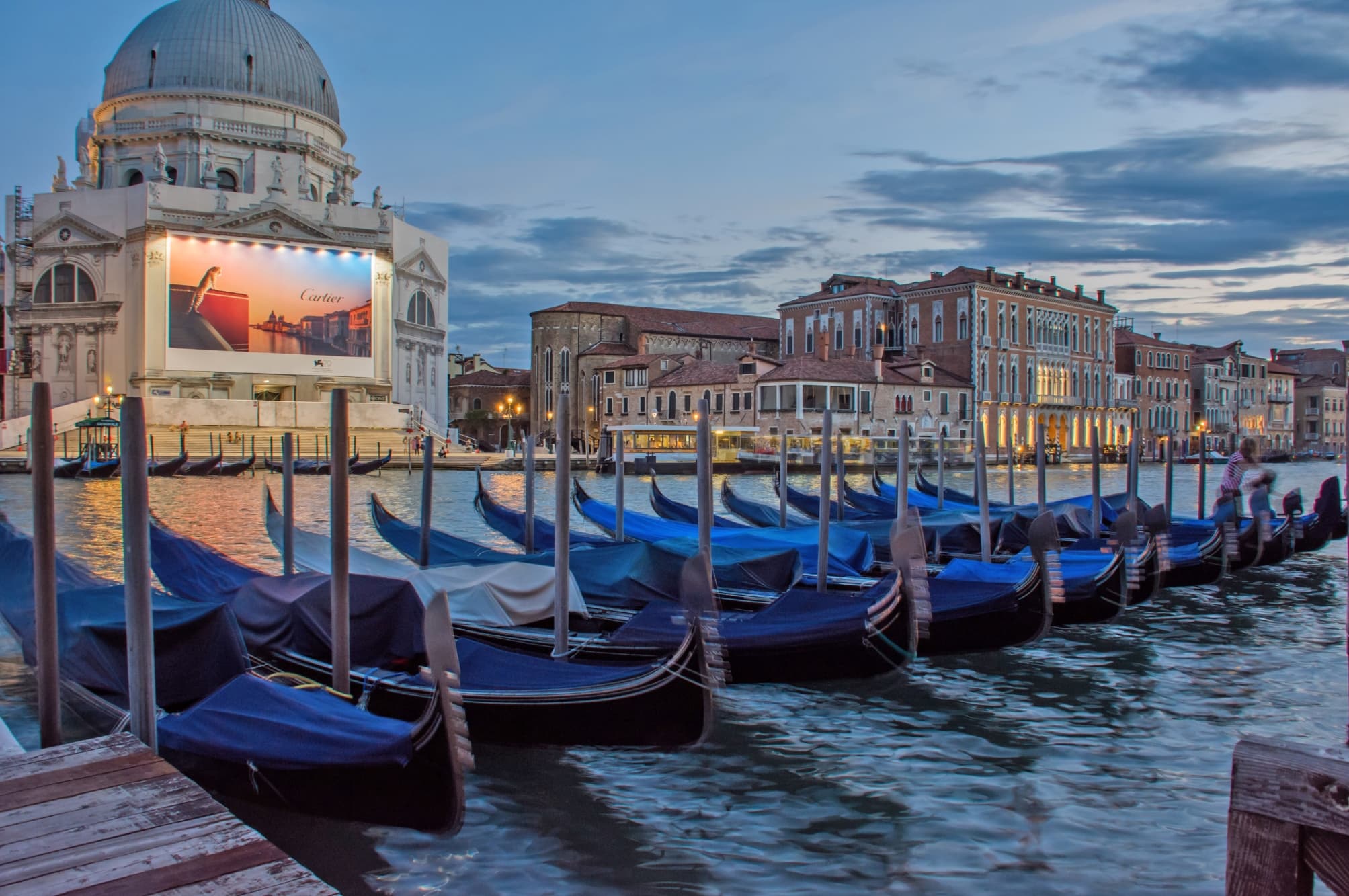
Cartier’s relationship with the world of film is not a modern marketing invention but a continuation of a legacy that began in the early 20th century. In September 2025, the maison marked its fifth consecutive year as a main partner of the Venice Biennale International Film Festival, reinforcing a bond that dates back to the Golden Age of Hollywood. Historically, Cartier’s creations have been the preferred choice for screen legends such as Rudolph Valentino, Gloria Swanson, Audrey Hepburn, and Romy Schneider. These figures did not just wear Cartier; they integrated the brand’s aesthetic into the visual language of cinema, creating an inseparable link between luxury jewelry and the silver screen.
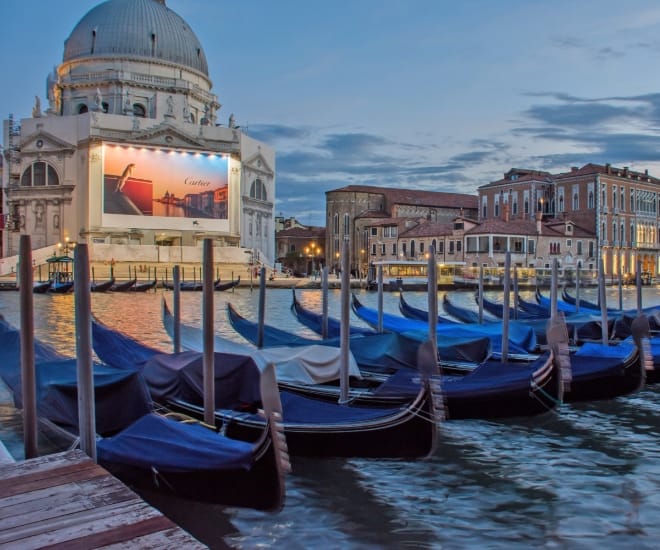
At the 2025 festival, Cartier’s involvement extended beyond the red carpet. The brand presented the third installment of "The Art and Craft of Cinema," a specialized masterclass series designed to pull back the curtain on the collaborative nature of filmmaking. This initiative highlights the technical and creative processes behind a director’s vision, drawing a parallel between the meticulous assembly of a film and the precision of watchmaking. A significant highlight of the event was the presentation of the Cartier Glory to the Filmmaker Award to Julian Schnabel, an artist and director known for his distinctive visual style. Schnabel joins an elite roster of past recipients, including Claude Lelouch (2024), Wes Anderson (2023), and Ridley Scott (2021). By honoring individuals who have made transformative contributions to the industry, Cartier solidifies its role as a patron of contemporary cinematic innovation.
Bvlgari and the Architecture of Artistic Patronage in Venice
Bvlgari has recently intensified its commitment to the visual arts by securing its position as the Exclusive Partner of the International Art Exhibition – La Biennale di Venezia for the 2026, 2028, and 2030 editions. This long-term commitment signifies a strategic move to align the brand with the most prestigious contemporary art platform in the world. The announcement coincided with the 61st Biennale exhibition, titled "In Minor Keys," curated by the late Koyo Kouoh. The exhibition’s theme—encouraging a slower, more introspective engagement with the rhythms of life—resonates deeply with the philosophy of slow luxury and the time-intensive nature of high jewelry and watch production.
Simultaneously, the Fondazione Bvlgari debuted its first collateral exhibition at the Biblioteca Nazionale Marciana. This project featured two site-specific installations that bridged the gap between historical architecture and modern artistic inquiry: "Momentary Monument – The Library" by Lara Favaretto and "Fragments of Fire Worship" by Monia Ben Hamouda. These works explored themes of memory, heritage, and the transformative power of the elements. By hosting these installations within a venue of immense historical significance, Bvlgari fosters a dialogue between the weight of cultural history and the fluidity of modern creative voices. This approach allows the maison to contribute to the global art discourse while highlighting its own Roman heritage, which has always been informed by architectural and sculptural principles.
Vacheron Constantin and the Preservation of Craft through The Met
As Vacheron Constantin approaches its 270th anniversary, the brand has looked toward institutional partnerships to ensure the survival of traditional craftsmanship. In collaboration with The Metropolitan Museum of Art (The Met) in New York, the maison launched the Artisan Residency program, an 18-month initiative that serves as a bridge between historical expertise and contemporary innovation. This program is a testament to Vacheron Constantin’s status as the world’s oldest watch manufacture in continuous operation, a position that requires a constant balance between preserving the past and embracing the future.
The residency invited artisans from diverse global backgrounds to apply, ultimately selecting three finalists—Aspen Golan, Ibrahim Said, and Joy Harvey—for their mastery of specific traditional techniques. These artisans participated in a cross-cultural exchange, traveling between the workshops of Geneva and the vast archives of The Met. The goal of the residency is not merely to replicate old techniques but to allow artisans to immerse themselves in historical collections to find inspiration for new, contemporary applications. By placing these creators in an environment where they can interact with both museum curators and master watchmakers, Vacheron Constantin ensures that "intangible cultural heritage" remains a living, breathing discipline. This partnership underscores a shared belief between the museum and the maison: that the value of craft lies in its ability to evolve rather than remain static in a display case.
The Swatch Art Journey: Democratizing the Masterpiece
While brands like Vacheron Constantin focus on the high-end preservation of craft, Swatch has spent decades democratizing art through its "Swatch Art Journey." Since 1984, Swatch has positioned itself as the "enfant terrible" of the watch world, using the wrist as a canvas for collaborations with artists, architects, and world-renowned museums. Following successful partnerships with MoMA, the Louvre, and the Rijksmuseum, Swatch’s latest endeavor involves a collaboration with the Guggenheim Collection, specifically the Solomon R. Guggenheim Museum in New York and the Peggy Guggenheim Collection in Venice.

The collection features four watches that replicate masterpieces on the dial and strap, effectively turning a mass-market timepiece into a wearable gallery. The selected works include Edgar Degas’ "Dancers in Green and Yellow" (1903), Claude Monet’s "The Palazzo Ducale, Seen from San Giorgio Maggiore" (1908), Paul Klee’s "The Bavarian Don Giovanni" (1919), and Jackson Pollock’s "Alchemy" (1947). The technical challenge of shrinking a large-scale Pollock or a nuanced Monet onto a 40mm watch face without losing the essence of the work is a feat of modern printing and design. This initiative allows the brand to engage a younger, art-conscious demographic while maintaining a deep connection to the history of modern and impressionist art.
Chronology of Cultural Integration (2020–2030)
The strategic alignment of these brands follows a clear timeline of increasing engagement with global cultural institutions:
- 2020–2021: Cartier and other luxury maisons pivot toward digital masterclasses and supporting individual filmmakers during global industry shifts, with Ridley Scott and Walter Hill receiving top honors.
- 2023–2024: Vacheron Constantin formalizes its partnership with The Met, signaling a shift toward long-term educational residencies over one-off sponsorships.
- 2025: Cartier celebrates its fifth year with the Venice Film Festival, presenting the Glory to the Filmmaker Award to Julian Schnabel.
- 2026–2030: Bvlgari begins its tenure as the Exclusive Partner of the Venice Art Biennale, ensuring a presence at the next three major international exhibitions.
Industry Analysis: Why Art Matters to Horology
The convergence of watchmaking and art is driven by several socio-economic factors. In a saturated luxury market, technical excellence is often viewed as a baseline requirement rather than a unique selling point. To differentiate themselves, brands must cultivate an "aura" that transcends the product itself. Art patronage provides a sense of soul and intellectual depth that resonates with modern consumers who value authenticity and social responsibility.

Furthermore, these partnerships serve as a form of "soft power" for luxury groups. By funding the restoration of historical sites or supporting emerging artists, brands like Bvlgari and Cartier become integral parts of the cultural landscape, making them less susceptible to the volatility of fashion trends. For Vacheron Constantin, the partnership with The Met reinforces its identity as a brand for the connoisseur—someone who appreciates the historical weight of a timepiece as much as its mechanical complexity.
Broader Impact and Implications for the Future
The move toward institutional patronage suggests that the future of luxury watchmaking will be increasingly intertwined with the preservation of global culture. As digital technology continues to dominate daily life, the tactile, analog nature of both high-end watches and physical art becomes more precious. The success of the Vacheron Constantin residency and the Cartier masterclasses indicates a growing public interest in the "making-of" process, suggesting that consumers are looking for a deeper connection to the objects they purchase.
Moreover, these initiatives provide a vital lifeline to traditional crafts that might otherwise face extinction. By providing a platform and financial support for artisans, luxury maisons are ensuring that specialized skills—such as hand-engraving, enameling, and marquetry—continue to be passed down to future generations. In this sense, the convergence of watchmaking and art is not just a marketing strategy; it is a necessary evolution for the survival of the craft itself. As we move toward 2030, expect to see more maisons moving away from the "brand ambassador" model in favor of becoming "cultural institutions" in their own right, where the watch is just one part of a much larger artistic narrative.
