
 By admin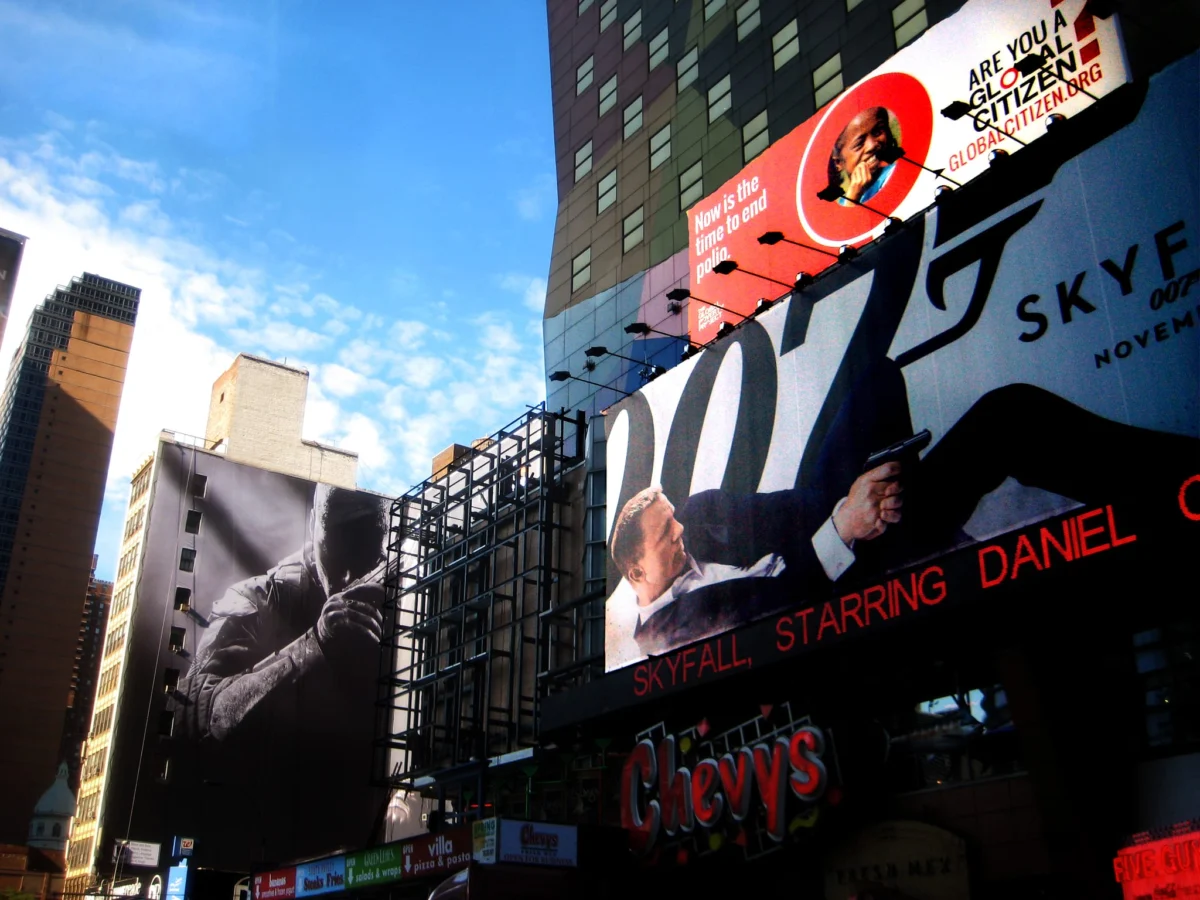
The global luxury industry is currently navigating a fundamental paradigm shift, transitioning away from the traditional reliance on physical destinations and exclusive gatekeeping toward a model defined by frictionless access and functional experience. Historically, the concept of luxury was inextricably linked to the "destination"—the grand hotel, the high-stakes land-based casino, or the flagship boutique on an iconic metropolitan avenue. However, as technological integration matures and consumer demographics evolve, the markers of status are being redefined. In an era where time and ease of use have become the ultimate commodities, the industry is finding that its greatest threat is no longer exclusivity, but irrelevance in a world increasingly dominated by fast consumption and digital efficiency.
This evolution is particularly evident in how high-end services have been democratized through technology. Premium financial instruments, high-performance automotive engineering, and elite gaming environments are undergoing a radical metamorphosis. While the physical symbols of wealth—such as chandeliers and velvet ropes—remain culturally recognizable, they are increasingly being superseded by digital sophistication, privacy, and speed. The question facing the sector is no longer whether luxury is fading, but rather how it is being translated into a new, functional language that resonates with a modern, tech-savvy audience.
The Decoupling of Luxury from Physical Destinations
For decades, the luxury imagination was fueled by the cinematic portrayal of land-based casinos and elite social clubs. Locations like Macau and Monte Carlo were presented as the apex of chic, where the environment was as much a part of the product as the service itself. Popular culture, such as the 2012 film Skyfall, cemented these images in the public consciousness, depicting high-stakes roulette in Macau within settings defined by polished aesthetics and intense atmospheric curation. These physical spaces functioned as "destinations of desire," accessible only to a select few.
In the contemporary landscape, however, the digital iteration of these experiences has largely decoupled the "game" from the "place." For the modern consumer, the appeal of a high-end experience is increasingly found in the quality of the interface and the efficiency of the transaction. Market analysis suggests that users of digital gaming platforms are often less concerned with the traditional trappings of physical luxury and more focused on the immediacy of their participation.
This shift is exemplified by the rise of cryptocurrency integration in premium gaming. Platforms like Thunderpick have leveraged blockchain technology to provide what traditional casinos could not: instant liquidity and absolute privacy. By offering "VIP" tiers and French Roulette variants in a digital format, these providers are not abandoning the concept of luxury; they are translating it into a functional benefit. The "luxury signal" has moved from the physical environment to the technical infrastructure. Speed of payment, the absence of bureaucratic friction, and the security of decentralized finance have become the modern equivalents of the private salon.
A Cultural Shift from Environment to Function
The transition toward "functional luxury" represents a major cultural shift in the value proposition of high-end brands. When luxury is no longer defined by a destination, the center of gravity moves from the environment to the user experience (UX). This means that the feeling of being "VIP" is now delivered through the quality of a mobile application, the responsiveness of customer support, and the seamlessness of cross-platform integration.
In this new framework, luxury is defined by the removal of obstacles. In the past, the "friction" of getting into an exclusive club—the dress code, the guest list, the travel—was part of the allure. Today, friction is viewed as a failure of service. The modern affluent consumer views the ability to enter a space quickly, conduct business or leisure smoothly, and exit on their own terms as the highest form of service. This shift has forced traditional brands to reconsider their digital presence, moving beyond simple e-commerce to create "digital atmospheres" that mirror the prestige of their physical counterparts.
Market Data and the Economic Trajectory of Luxury
The economic data from 2024 and the projections for 2025 support the narrative of a diversifying luxury market. According to recent industry reports, the personal luxury goods sector remains a massive economic engine, even as it faces a more selective consumer base.
In 2024, the personal luxury goods market reached an estimated valuation of EUR 364 billion. While this figure demonstrates the sector’s continued cultural and economic power, the forecast for 2025 suggests a slight stabilization at EUR 358 billion. This marginal dip does not indicate a decline in interest, but rather a shift in how capital is being deployed. Consumers are moving away from the "uniformity" of luxury goods toward more personalized and accessible experiences.
Data highlights from recent market signals include:
- Accessible Luxury Growth: Approximately 50 percent of accessible luxury brands reported growth in 2025, suggesting that the "entry-level" premium market is one of the most active segments.
- Prioritization of Experience: Approximately 28.6 percent of industry executives now identify customer experience (CX) and loyalty as the single strongest growth opportunity, ranking it above product innovation.
- The Rise of Lived Experiences: An even higher percentage of executives, 36.2 percent, believe that consumers are increasingly rewarding "memorable, lived experiences" over the mere ownership of physical assets.
These figures suggest that the "frictionless" model is not just a digital trend but a broad economic movement. Brands that can provide a seamless, emotionally resonant experience are outperforming those that rely solely on heritage and physical presence.
The Role of Technology as the New Status Symbol
The integration of Big Tech into sectors like the automotive industry further illustrates the rise of functional luxury. High-end vehicles are no longer judged solely on horsepower or leather quality; they are judged on their software stacks, autonomous driving capabilities, and connectivity. When technology becomes the primary differentiator, the definition of luxury becomes synonymous with "intelligence" and "ease."
This "tech-as-luxury" paradigm is reinforced by how consumers discover and interact with brands. Research from Deloitte indicates that the discovery phase of the luxury journey now occurs almost exclusively on screens. Consumers form an emotional connection with a brand’s aesthetic, story, and values through digital touchpoints long before they ever set foot in a physical boutique or hotel. This means that the digital interface is now the "front door" of the luxury world. If that door is slow, clunky, or difficult to navigate, the brand’s prestige is instantly diminished, regardless of its history.
Defending the "Soul" of the Experience in a Digital World
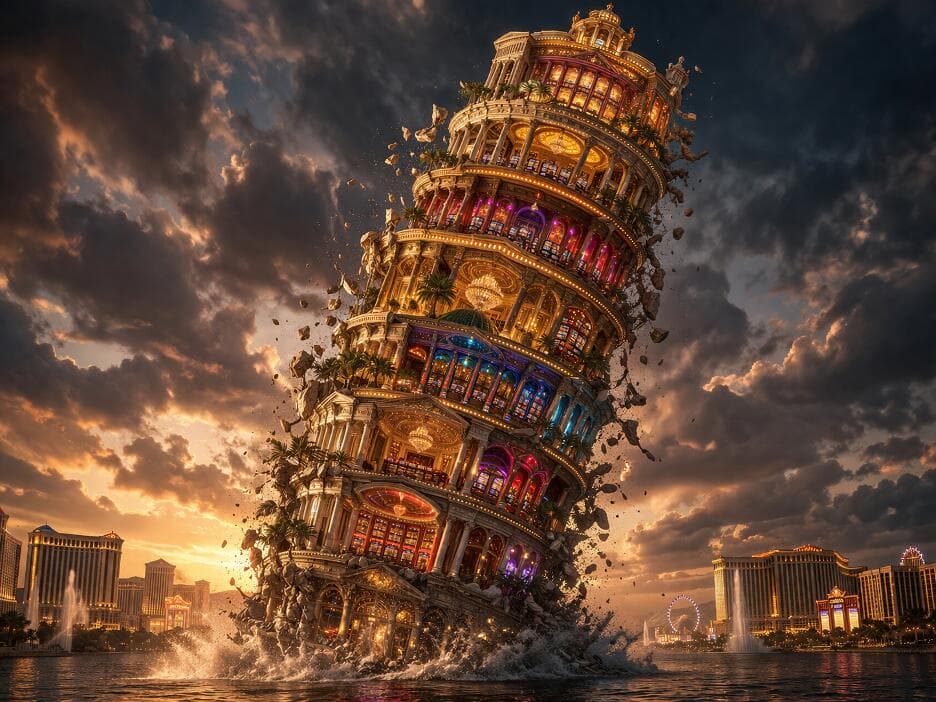
As access becomes frictionless and speed becomes the standard, luxury brands face a new challenge: maintaining a sense of distinction. If anyone can access a service instantly via a smartphone, how does the brand maintain its "premium" feel?
Industry experts, including Scott Malkin of Value Retail, have noted that the future of the sector depends on "defending the soul of the experience." In a McKinsey conversation on the future of retail, Malkin emphasized that the goal is to make every guest feel special, even when the transaction is digital. This suggests that while speed and ease are necessary, they are not sufficient.
The "soul" of modern luxury is found in curation and emotional framing. Even in a frictionless environment, there must be a sense of occasion. For an online casino, this might mean a sophisticated visual language and exclusive community access. For a luxury retailer, it might mean personalized AI-driven recommendations that feel like a human concierge. For a financial service, it might mean a level of privacy and security that goes beyond the industry standard.
The transition can be summarized as follows:
- Old Luxury: Relied on physical exclusivity, architectural grandeur, and social gatekeeping.
- New Luxury: Relies on technical efficiency, privacy, personalized curation, and emotional resonance.
Chronology of the Luxury Evolution
The path to this current state has been marked by several key milestones over the last decade:
- 2015–2018: The Digital Awakening: Traditional luxury houses, previously skeptical of e-commerce, began investing heavily in digital storefronts and social media storytelling.
- 2019–2021: The Pandemic Accelerator: Global lockdowns forced a total reliance on digital access. The "frictionless" model moved from a luxury to a necessity, as high-net-worth individuals embraced digital private banking and high-end delivery services.
- 2022–2023: The Blockchain Integration: The rise of Web3 and crypto-payments introduced a new layer of functional luxury, offering anonymity and instant global transactions that traditional banking could not match.
- 2024–2025: The Experience Economy: The market stabilized around the idea that "time" is the ultimate luxury. Brands began prioritizing UX and CX over physical expansion, leading to the current state of functional, experience-led models.
Conclusion: The Future of Premium Value
The evolution of luxury from a destination to a function does not mean that the industry is losing its luster. Instead, it is becoming more integrated into the daily lives of consumers. The modern luxury experience is one that respects the user’s time, protects their privacy, and provides a sense of heightened reality through superior design and execution.
Whether it is a crypto-based gaming platform offering "VIP" roulette or a high-end automotive brand focusing on software-driven comfort, the goal remains the same: to provide a sense of distinction in a crowded market. As the boundary between the physical and digital worlds continues to blur, the most successful luxury brands will be those that can deliver a frictionless experience without losing the "soul" that makes them desirable in the first place. In this new era, the most powerful status symbol is not a destination you visit, but the seamlessness with which you move through the world.
