
 By admin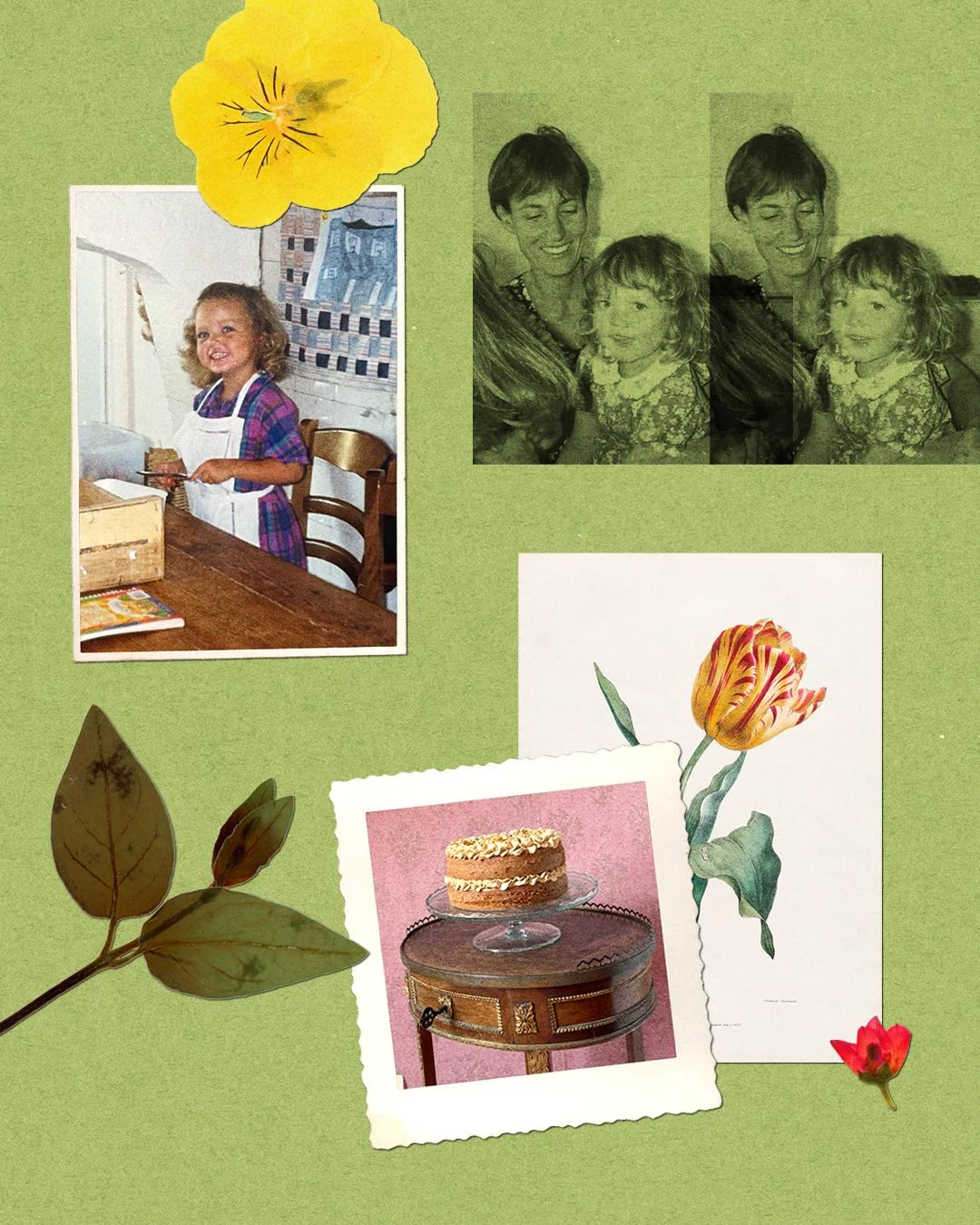
New York City’s vibrant culinary landscape has welcomed a new establishment, From Lucie, an East Village bakery founded by Lucie Franc de Ferriere, whose entrepreneurial venture is deeply rooted in a rich tapestry of family history, cultural migration, and the profound connection between food and identity. The bakery, which prominently features a classic coffee-and-walnut cake, serves not merely as a commercial enterprise but as a tangible embodiment of intergenerational love and the enduring power of culinary heritage to create a sense of belonging in new homelands. This narrative echoes a broader societal trend where immigrant entrepreneurs are increasingly leveraging their cultural backgrounds to establish unique businesses that enrich local communities and offer authentic experiences.
The Genesis of "From Lucie": A Culinary Migration Story
Lucie Franc de Ferriere’s journey to establishing From Lucie in the bustling East Village is a testament to the parallel paths taken by women in her family, each navigating the complexities of cross-cultural living. Her mother, a New Zealander, embarked on a significant life change by moving to France after falling in love with a Frenchman. There, she transformed their family home into a bed-and-breakfast, meticulously renovating and decorating it herself, including hand-sewing many of the furnishings. This establishment became a hub for international guests, where baked goods—ranging from classic Victoria sponges laden with crème fraîche and raspberry jam to decadent dark chocolate cakes and traditional 4 p.m. scones—were always central to the dining experience. All items were prepared fresh, emphasizing seasonal ingredients, reflecting a philosophy where baking transcended mere sustenance to become a profound expression of love and a vital link to her New Zealand roots.
The coffee-and-walnut cake, a recipe passed down from her mother’s own New Zealand matriarch, holds particular significance within this familial culinary lexicon. It represents a shared heritage and an intrinsic understanding of how to anchor oneself in a foreign land. This particular cake, known for its robust coffee flavor and the crunch of fresh walnuts, is a staple in many New Zealander homes. The Franc de Ferriere family’s adaptation of this recipe in southwestern France, a region renowned for its walnuts, further integrated the dish into their new environment while preserving its original essence. Lucie Franc de Ferriere recounts childhood memories of harvesting walnuts from neighbors’ trees, meticulously shelling them with a decades-old nutcracker alongside her mother, who would then prepare the batter and cool coffee. The aroma of coffee and walnut, enveloping the kitchen during these baking sessions, became synonymous with moments of quiet therapy, shared focus, and witnessing the deep respect and love her mother poured into the craft. These experiences instilled in Lucie an early appreciation for the resilience required to embrace a new country while steadfastly maintaining one’s cultural identity through food.
A Parallel Path: From France to New York
Following a trajectory strikingly similar to her mother’s, Lucie Franc de Ferriere herself embarked on an international relocation. What began as a planned year-long stay in New York from France blossomed into an eight-year residency, marked by falling in love with the city and her now-husband. This personal journey, mirroring her mother’s transcontinental move for love, brought with it the universal pangs of homesickness and a profound longing for her mother’s distinctive baking. It was this emotional connection to her past, coupled with the desire to recreate a sense of home and belonging in New York, that ultimately spurred her to establish From Lucie in the East Village. The bakery’s menu proudly features her mother’s cherished recipes, including the emblematic coffee-and-walnut cake, directly transporting a piece of her heritage to her new community.
This decision was not made without personal introspection. Lucie recalls a pivotal conversation with her mother, where she questioned whether she ever regretted leaving New Zealand, grappling with her own doubts about her move to New York. Her mother’s response provided a guiding philosophy: while acknowledging her love for her mother and the life she had left behind, she emphasized her drive to forge her own narrative. She asserted that being distant from one’s origins did not equate to losing oneself; rather, it presented an opportunity to cultivate a new sense of belonging, all while keeping the essence of one’s roots at the core of this evolving identity. This philosophy underpins From Lucie, making it more than just a place to buy baked goods, but a space that intentionally fosters connection and comfort.
The Broader Significance of Culinary Heritage in Business
From Lucie’s narrative aligns with a burgeoning trend of businesses that celebrate cultural heritage and personal stories. In a globalized world, consumers increasingly seek authenticity and connection, valuing products and services that offer a glimpse into unique cultural traditions. This demand has fueled the growth of niche culinary establishments that specialize in ancestral recipes and traditional methods. Data from the Small Business Administration (SBA) consistently shows that immigrant entrepreneurs have significantly higher rates of business formation than native-born citizens, contributing substantially to economic growth and innovation across various sectors, including the food industry. These businesses often serve as cultural ambassadors, introducing diverse flavors and traditions to broader audiences while also providing comfort and community for diaspora populations.

The East Village, where From Lucie is situated, offers a particularly fertile ground for such ventures. Historically a melting pot of cultures and a haven for independent businesses, the neighborhood boasts a dynamic food scene that values artisanal craftsmanship and unique offerings. According to recent market analyses, the demand for high-quality, locally sourced, and artisan-baked goods continues to rise in urban centers like New York City. Consumers are increasingly willing to pay a premium for products that tell a story, are made with care, and offer an authentic taste experience, moving away from mass-produced alternatives. From Lucie, with its deeply personal origin story and commitment to traditional, seasonal baking, is strategically positioned to capitalize on this market segment.
The Economic and Social Impact of Artisanal Bakeries
Artisanal bakeries like From Lucie play a crucial role beyond their immediate commercial transactions. They contribute to the local economy by creating jobs, sourcing ingredients from local suppliers where possible, and attracting foot traffic to neighborhoods. Beyond economics, they serve as vital social hubs, fostering community connections and offering spaces for interaction. Lucie Franc de Ferriere notes that customers often remark on the warm, inviting atmosphere of From Lucie, likening it to entering her own home, much as visitors felt welcomed in her mother’s bed-and-breakfast in France. This ability to cultivate a familial, comforting environment is a key differentiator and a significant asset in the competitive New York market.
Furthermore, the very act of baking, particularly with inherited recipes, carries significant cultural weight. It is a form of cultural preservation, ensuring that culinary traditions, techniques, and flavors are passed down through generations. For immigrant communities, food often acts as a primary conduit for maintaining cultural identity and transmitting heritage to younger generations, bridging the gap between ancestral lands and new homes. The coffee-and-walnut cake, in this context, transcends its ingredients to become a symbol of resilience, adaptation, and the enduring strength of familial bonds across continents. It offers a taste of "home" – whether that home is New Zealand, France, or a newly forged identity in New York.
The "Hand Me Downs" Series and Intergenerational Wisdom
Lucie Franc de Ferriere’s story was featured as part of the "Hand Me Downs" series, a publication initiative celebrating the diverse gifts—both tangible and intangible—that mothers bestow upon their children. This series underscores a broader cultural fascination with intergenerational knowledge transfer, particularly in an era marked by rapid change and technological advancement. The act of passing down a recipe, a skill, or a philosophy, as exemplified by Lucie’s mother, takes on heightened significance, representing continuity, wisdom, and a profound form of love.
In the context of the "Hand Me Downs" series, From Lucie stands as a living testament to the power of such legacies. The coffee-and-walnut cake, initially a personal comfort and a link to a faraway home, has now become a means through which Lucie herself offers warmth and a sense of belonging to her customers and friends. This transformation from a private family recipe to a public offering highlights the universal appeal of comfort food and the human desire for connection. Each slice served carries not just the flavors of coffee and walnut, but also the narrative of two women, separated by continents but united by the shared experience of building new lives and homes, all while cherishing the culinary traditions that define them.
Future Implications and Cultural Exchange
The success of businesses like From Lucie suggests a promising future for cultural entrepreneurship in urban centers. As global migration continues, the demand for authentic ethnic foods and culturally specific experiences is likely to grow, fostering a richer, more diverse culinary landscape. These establishments not only provide economic opportunities for founders but also contribute to a deeper understanding and appreciation of different cultures within society. They serve as micro-sites of cultural exchange, where a simple cake can tell a complex story of migration, love, and identity.
Lucie Franc de Ferriere’s bakery exemplifies how personal narratives, when infused with passion and entrepreneurial spirit, can resonate widely. By sharing her mother’s recipes and the philosophy behind them, she has created a space in the East Village that transcends mere commerce, offering customers a taste of home, a slice of history, and a warm embrace that symbolizes the enduring power of family and the universal quest for belonging. The coffee-and-walnut cake, once a symbol of her mother’s resilience and her own longing, now acts as a bridge, connecting past and present, New Zealand, France, and New York, one delicious, comforting bite at a time.
