
 By admin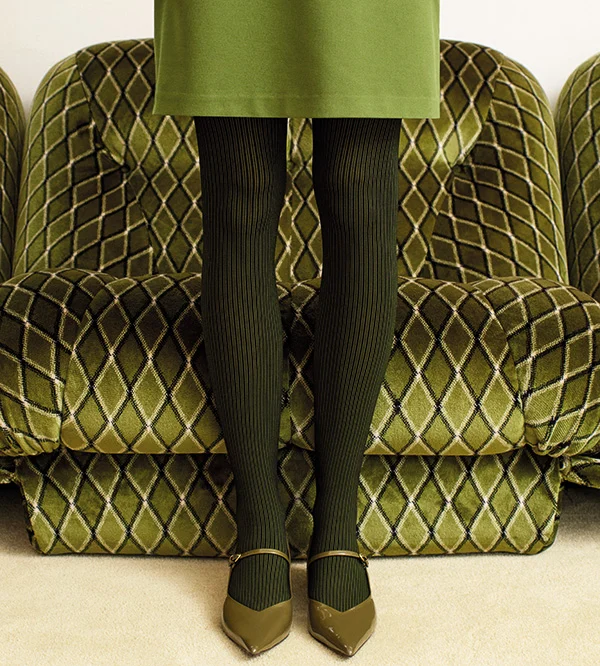
The Italian hosiery and bodywear brand Oroblu, established nearly four decades ago in the prestigious textile manufacturing hub near Lake Garda, continues to assert its dominance in the global market by harmonizing high-performance functionality with a sophisticated aesthetic. Founded in the late 1980s within the renowned Italian hosiery district, Oroblu has navigated the complexities of a shifting fashion industry by prioritizing technical excellence, ergonomic comfort, and a bold approach to color. The brand’s trajectory from a specialized legwear manufacturer to a comprehensive bodywear house illustrates a strategic adaptation to consumer demands for versatile, durable, and ethically produced garments.
The Evolution of Technical Excellence: From Lake Garda to Global Markets
Oroblu’s origins are deeply rooted in the Castel Goffredo region, often referred to as the "Silicon Valley" of hosiery. This district is responsible for a significant percentage of the world’s high-quality tights and stockings, providing Oroblu with access to a localized ecosystem of specialized machinery and skilled artisans. Since its inception, the brand has leveraged this geographic advantage to pioneer "high performance" legwear that transcends mere utility.
A cornerstone of the brand’s historical success is the Shock Up line, a product range that exemplifies the intersection of lingerie engineering and hosiery. Introduced in the 1990s, the Shock Up line was a direct response to the global "push-up" phenomenon popularized by the brassiere industry of that era. Oroblu’s design team sought to replicate the lifting and sculpting effects of structured lingerie within the constraints of circular-knit hosiery. This required an intensive research and development phase spanning several months, focusing on the integration of varying tension levels within a single garment. The resulting design utilized strategically placed knit-in support bands that provided a lifting effect for the derriere without sacrificing the wearer’s comfort. Decades after its debut, the Shock Up line remains a bestseller, underscoring the enduring consumer demand for functional, figure-enhancing legwear.
Diversification through Circular Knitting Innovation
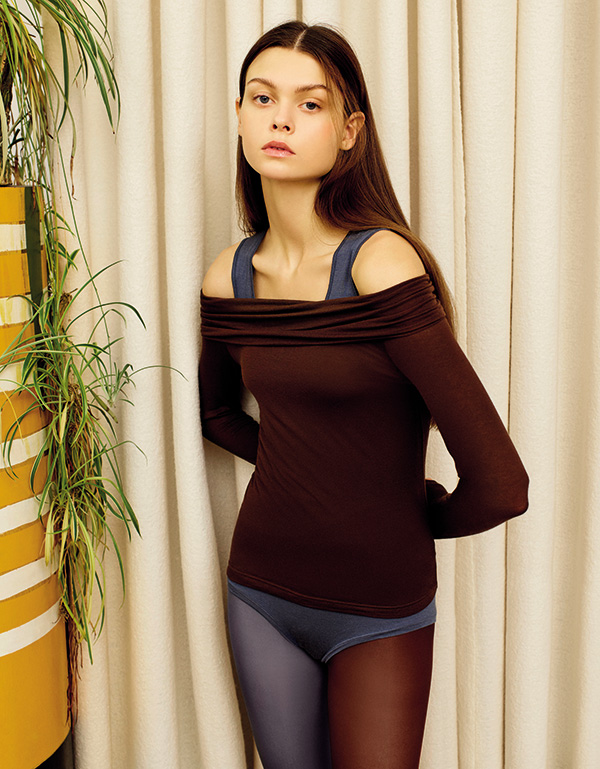
The mid-1990s marked a pivotal era for Oroblu as it began to apply its expertise in 360-degree circular knitting to a broader range of apparel. This technology, which allows for the creation of seamless garments, was initially perfected for hosiery but proved equally effective for intimate apparel and base layers. By eliminating side seams, the brand was able to offer garments that provided a "second skin" feel, reducing friction and enhancing the silhouette under contemporary clothing.
This technical evolution allowed Oroblu to transition from a single-category brand into a multifaceted bodywear label. Today, the company’s portfolio encompasses lingerie, swimwear, bodysuits, and loungewear. While hosiery remains the core identity of the brand, the expansion into seamless bodywear has allowed Oroblu to capture a larger share of the "athleisure" and "comfort-wear" markets, which have seen exponential growth over the last decade. Industry data suggests that the global seamless apparel market is projected to continue its upward trajectory, driven by consumer preferences for moisture-wicking properties and ergonomic fits—areas where Oroblu’s hosiery background provides a distinct competitive edge.
Strategic Marketing and the Dual Nature of Hosiery
The positioning of hosiery within the broader fashion landscape has long been a subject of debate among industry analysts. Oroblu’s Marketing Director, Monica Moscheni, identifies this duality as both a challenge and an opportunity. According to Moscheni, the hosiery sector is unique because consumers perceive the product through two distinct lenses: as a functional undergarment or as a visible fashion accessory.
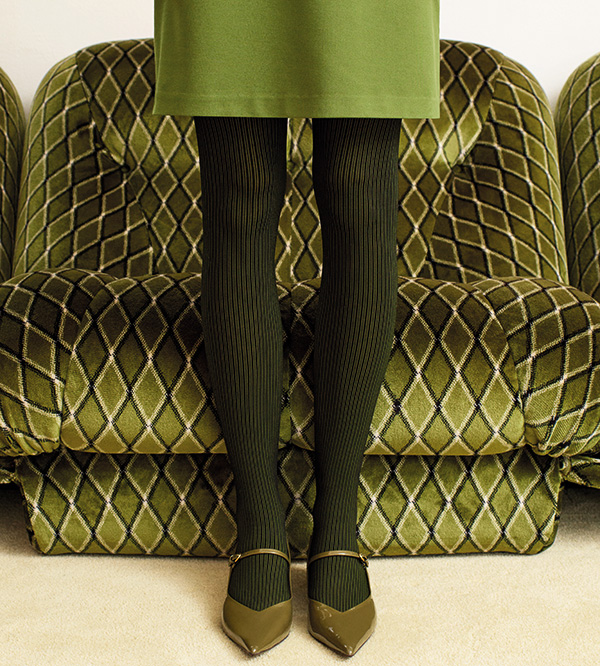
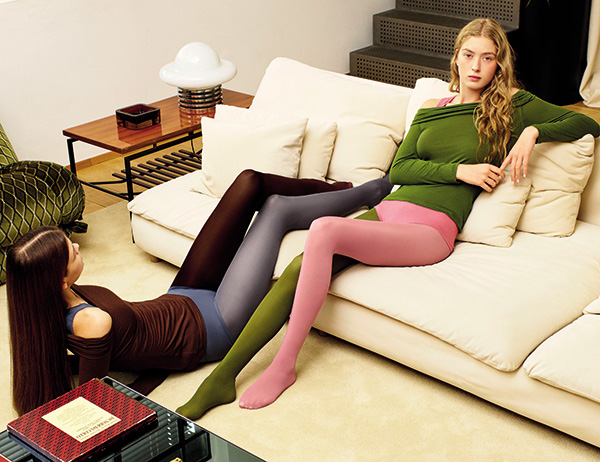
"Our challenge is to bridge these two perspectives by offering a product that provides the comfort expected of an item worn next to the skin, yet remains visible and easily paired with various outfits," Moscheni stated. This philosophy has led the brand to invest heavily in the "All Colors" 50 denier range. Currently featuring 14 solid hues—ranging from conservative neutrals to avant-garde shades like pistachio green and vibrant orange—the collection is designed to empower consumers to use hosiery as a primary styling element rather than an afterthought. By treating tights as a "fashion-forward" component of an ensemble, Oroblu has successfully maintained its relevance in a market where traditional hosiery sales have occasionally fluctuated in response to changing skirt lengths and casual dress codes.
The FW26 Collection: A Shift Toward Purity and Sustainable Fibers
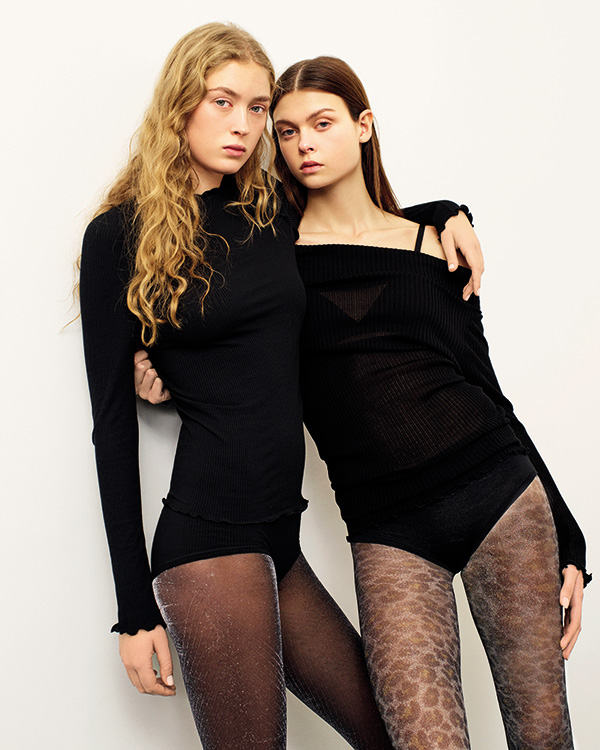
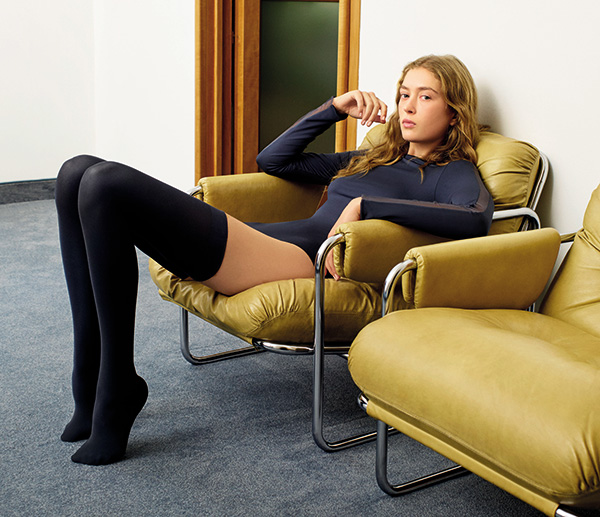
Looking ahead to the Fall/Winter 2026 (FW26) season, Oroblu is signaling a thematic shift toward "purity" and minimalist design. This upcoming collection reflects a broader industry movement known as "Quiet Luxury," where the emphasis is placed on the quality of materials and the integrity of the construction rather than overt branding. The FW26 range focuses on essentials that do not constrain the body, advocating for natural movement and breathability.
A significant aspect of this new direction is the integration of premium natural fibers. For consumers seeking tactile luxury, Oroblu will introduce a palette of Botanic Green, Peony Pink, and Deep Red in high-end cashmere blends. Furthermore, the brand is expanding its bodywear line with a new silk-wool rib fabrication, blending the thermal properties of wool with the smooth finish of silk.
Sustainability also plays a central role in the FW26 strategy. The brand’s "Sneaker Tights" line—specifically engineered with reinforced soles to withstand the friction of sneakers and boots—will be manufactured using yarn derived from industrial corn. This bio-based polymer represents a shift away from traditional petroleum-based synthetics, aligning Oroblu with global efforts to reduce the environmental footprint of the textile industry. As European regulations regarding textile waste and sustainable sourcing become more stringent, Oroblu’s investment in renewable resources like corn-derived yarn serves as a proactive measure to ensure long-term market viability.
Market Context and Industry Implications
The hosiery industry has faced significant headwinds over the past twenty years, including the rise of the "bare leg" trend and the dominance of denim in casual wardrobes. However, the market is currently experiencing a resurgence, driven by innovations in material science and a renewed interest in vintage-inspired styling. Reports from market research firms indicate that the global hosiery market is expected to reach a valuation of approximately $16 billion by 2030, with a compound annual growth rate (CAGR) of 4.0%.
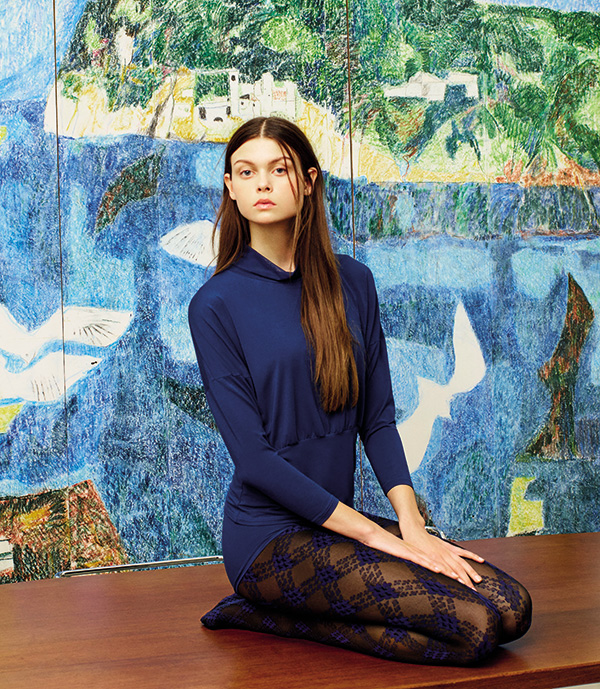
Oroblu’s success in this environment can be attributed to its refusal to treat hosiery as a commodity. By focusing on "high performance" features—such as the graduated compression found in their technical lines or the durability of their sneaker-specific products—the brand justifies a premium price point. Additionally, the move toward "Botanic" and natural fibers addresses a growing demographic of eco-conscious consumers who are willing to pay more for garments that are both durable and environmentally responsible.
The brand’s ability to maintain a 40-year legacy while pivoting toward future-proof technologies like bio-based yarns and seamless circular knitting provides a blueprint for other heritage European brands. Oroblu’s strategy suggests that the path to longevity in the fashion industry lies in the balance between honoring regional craft traditions and embracing the technological advancements of the 21st century.
Conclusion and Future Outlook
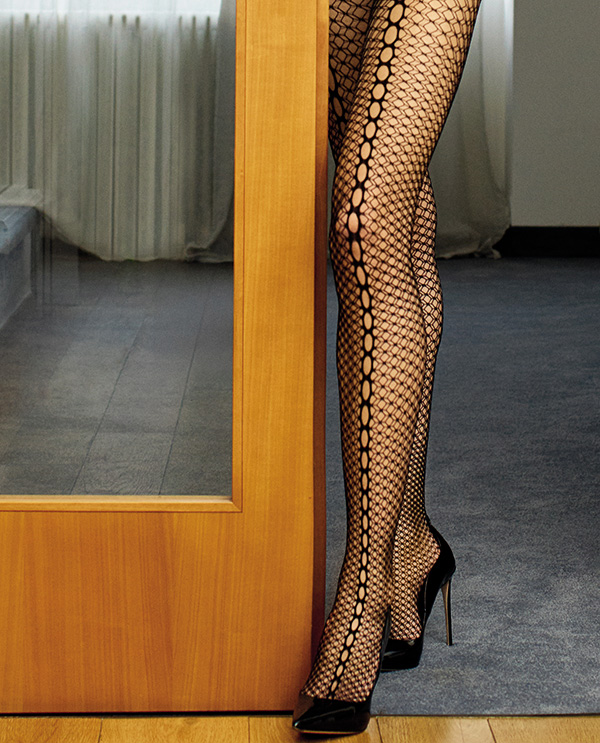
As Oroblu prepares to launch its FW26 collection, the brand remains a vital player in the Italian textile sector. Its commitment to bridging the gap between functional underwear and high-fashion accessories ensures that it remains relevant to a diverse consumer base. With a strong presence on digital platforms and a continued focus on retail expansion, Oroblu is well-positioned to navigate the evolving demands of the global fashion consumer.
The integration of sustainable materials, the expansion of the "All Colors" palette, and the continued refinement of the Shock Up and seamless lines demonstrate a holistic approach to brand management. By focusing on the "purity" of the garment and the freedom of the body, Oroblu is not just selling hosiery; it is selling a sophisticated blend of Italian heritage and modern engineering. As the fashion world moves toward a more sustainable and comfort-oriented future, Oroblu’s decades of expertise in circular knitting and ergonomic design will likely keep it at the forefront of the industry for years to come.
