
 By admin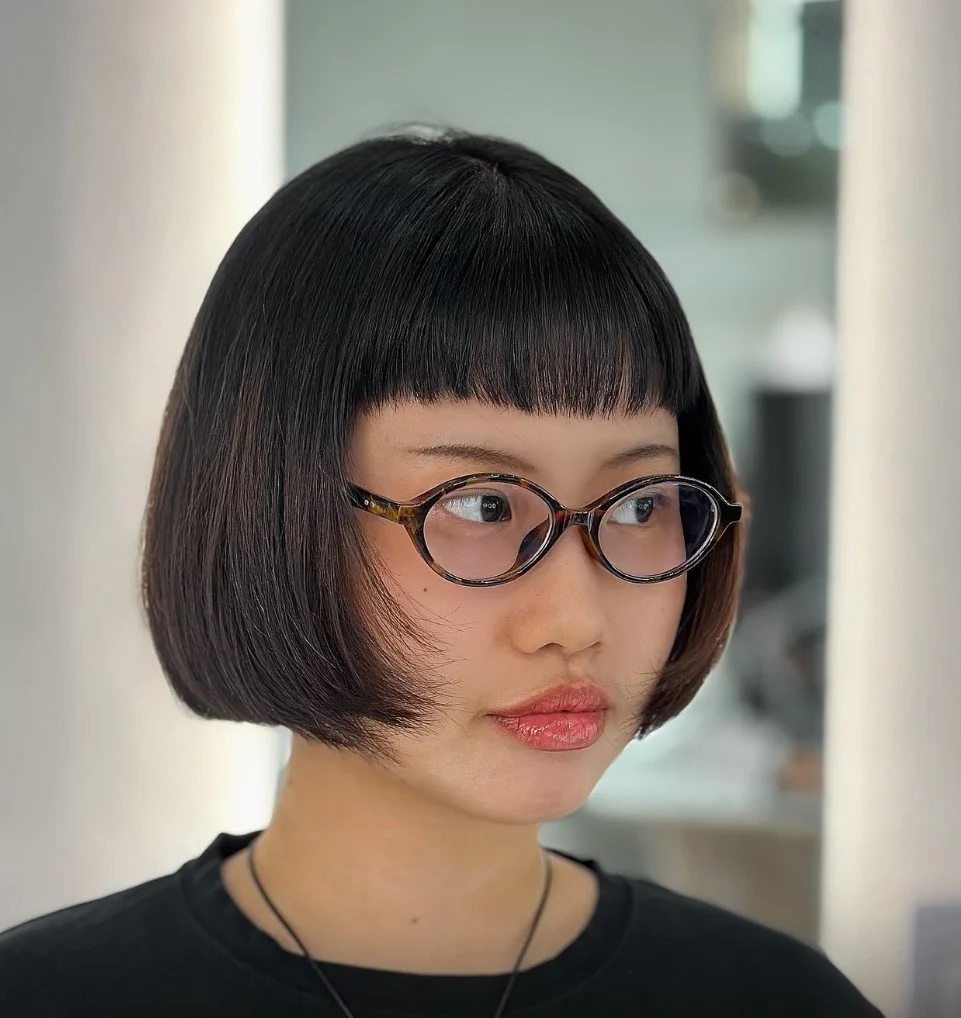
The quest for visibly healthier, fuller-looking hair often leads consumers down a path of expensive serums, intensive treatments, and a seemingly endless array of masks and oils. However, a recent resurgence in a meticulously crafted haircut, the Japanese bob, is challenging this conventional wisdom. This style emphasizes the profound impact of precise cutting techniques, suggesting that a well-executed haircut can achieve results that topical products often struggle to replicate, transforming the perception of hair health through structure and form rather than chemical intervention.
The Philosophy of Restraint and Precision: Defining the Japanese Bob
At its core, the Japanese bob embodies a design philosophy characterized by restraint, intention, and unwavering precision. These principles, deeply rooted in traditional Japanese aesthetics, translate directly into the haircut’s execution. Unlike layered styles that aim for a softer, more diffused effect, the Japanese bob features blunt, even ends. This deliberate bluntness creates a strong, defined outline that instantly enhances the appearance of hair density. The effect is immediate, making hair look fuller and more substantial from the moment of completion.

Layers are either minimized or omitted entirely, allowing the hair’s natural weight to create a solid, cohesive shape. This structural integrity is key to the style’s effectiveness, as it helps to mitigate frizz and prevent the airy, often unmanageable feel that can accompany over-layered or heavily texturized cuts. Stylists specializing in this technique often employ highly controlled sectioning and meticulous preparation, sometimes even cutting hair while dry or nearly dry. This method allows for absolute precision, ensuring that each cut lands exactly where intended, contributing to the cut’s signature glassy, ultra-smooth finish. This polished appearance is instinctively interpreted as a sign of healthy, well-maintained hair, reinforcing the haircut’s efficacy as a primary driver of perceived hair vitality.
Addressing the Illusion of Thinness: The Power of Blunt Ends
The common complaint of thin, wispy, or "see-through" ends is often a consequence of the haircut itself, rather than a reflection of poor hair condition. Aggressive texturizing techniques, while intended to create movement, can inadvertently strip away essential density at the hair’s perimeter. This results in ends that appear stringy and lacking in volume, even if the hair is otherwise healthy.
The Japanese bob directly counters this issue by concentrating the hair’s weight precisely at the ends. It creates a clean, continuous line that presents a unified and thicker appearance. There is a deliberate absence of tapering or soft fading at the edges; instead, the cut features a decisive, sharp edge that maintains its structural integrity. This approach is particularly beneficial for individuals with fine, thinning, or chemically treated hair, where maximizing perceived density is paramount. By ensuring every strand contributes to the overall fullness of the hemline, the Japanese bob offers a tangible solution to the visual challenges of fine hair.

Embracing Low-Heat Styling: A Sustainable Approach to Hair Health
A significant, yet often overlooked, benefit of the Japanese bob is its inherent ability to fall into place with minimal styling effort. The even distribution of weight and the precisely aligned ends allow the hair to drape naturally. This makes air-drying a highly viable and practical option, drastically reducing reliance on heat styling tools. When styling is necessary, it typically involves minimal intervention, such as a quick pass with a flat iron to refine the ends or enhance the natural bevel.
This contrasts sharply with more demanding bob variations. A shaggy bob, for example, often requires diffusing or curling to define its layered texture. A stacked or graduated bob may necessitate extensive round-brushing to achieve and maintain its sculpted shape. These prolonged styling routines contribute to cumulative heat exposure, which can compromise hair health over time. The Japanese bob, by contrast, advocates for less daily styling, leading to less cumulative damage. This reduced heat exposure, combined with the inherent structure of the cut, contributes to demonstrably healthier-looking and feeling hair over the long term.
The Importance of Regular Maintenance: Preserving the Signature Edge
The striking visual appeal of the Japanese bob hinges on its crisp, precise line. However, this sharpness is not immutable. As the hair grows, the ends naturally begin to lose their uniformity, and the signature edge can blur. To maintain the cut’s intended aesthetic and its benefits, regular trims are essential.

Stylists typically recommend visiting the salon every four to six weeks to preserve the crisp line. These frequent trims serve multiple crucial functions: they prevent split ends from traveling further up the hair shaft, ensuring the hair remains structurally sound; they maintain the baseline density of the hair, reinforcing the illusion of fullness; and they prevent the development of an uneven, frayed outline that can detract from the hair’s overall appearance of health and care. In essence, the Japanese bob cultivates a proactive approach to hair maintenance, where consistent attention to the ends directly translates into a healthier and more polished appearance.
Adapting the Cut for Diverse Hair Textures and Face Shapes
While the Japanese bob is most naturally suited to straight or slightly wavy hair with fine to medium density, its core principles can be adapted for a broader range of textures. For individuals with thicker hair, subtle internal debulking techniques may be employed to prevent the cut from appearing overly blocky and to ensure the clean lines remain prominent.
For very curly or highly textured hair, the concept of a precise, blunt edge might be reinterpreted. This could involve maintaining a slightly longer length, shaping the outline to complement the natural curl pattern rather than forcing a strict, blunt line, and employing styling methods that enhance and support the hair’s inherent texture. The goal is to adapt the spirit of the cut—its emphasis on structure and visual density—without working against the hair’s natural characteristics.

The Japanese bob also offers flattering framing for various face shapes. It is particularly effective on oval, heart, and diamond face shapes, where it elegantly frames the jawline. For individuals with wider or rounder faces, a slightly longer version of the bob that extends below the chin is often recommended. This variation can help to elongate the face and avoid emphasizing its width, thereby creating a more balanced silhouette.
A New Paradigm in Hair Care: The Cut as the Ultimate Treatment
The growing popularity of the Japanese bob signifies a potential shift in how hair health and fullness are perceived and achieved. While the market for hair care products continues to expand, offering an array of treatments designed to nourish and repair, the Japanese bob highlights the foundational role of the haircut itself. A precisely executed cut can fundamentally alter the appearance of hair, making it look healthier, fuller, and more vibrant, often more effectively than any topical solution.
The implications of this trend extend beyond aesthetics. By reducing the reliance on heat styling and potentially expensive product regimens, the Japanese bob offers a more sustainable and potentially cost-effective approach to achieving desirable hair. It encourages a focus on the fundamental structure of the hair, emphasizing that strategic cutting can unlock its inherent potential for beauty and vitality. As more individuals discover the transformative power of this meticulous haircutting technique, it is likely to influence broader discussions about hair care, moving beyond product-centric solutions to embrace the artistry and science of the cut.

The enduring appeal of the Japanese bob lies in its elegant simplicity and its profound impact. It serves as a powerful reminder that sometimes, the most effective solutions are not found in a bottle, but in the skilled hands of a stylist employing precision, intention, and a deep understanding of form. This approach not only enhances immediate appearance but also contributes to the long-term health and manageability of the hair, offering a compelling alternative for those seeking visible, lasting results.
