
 By admin
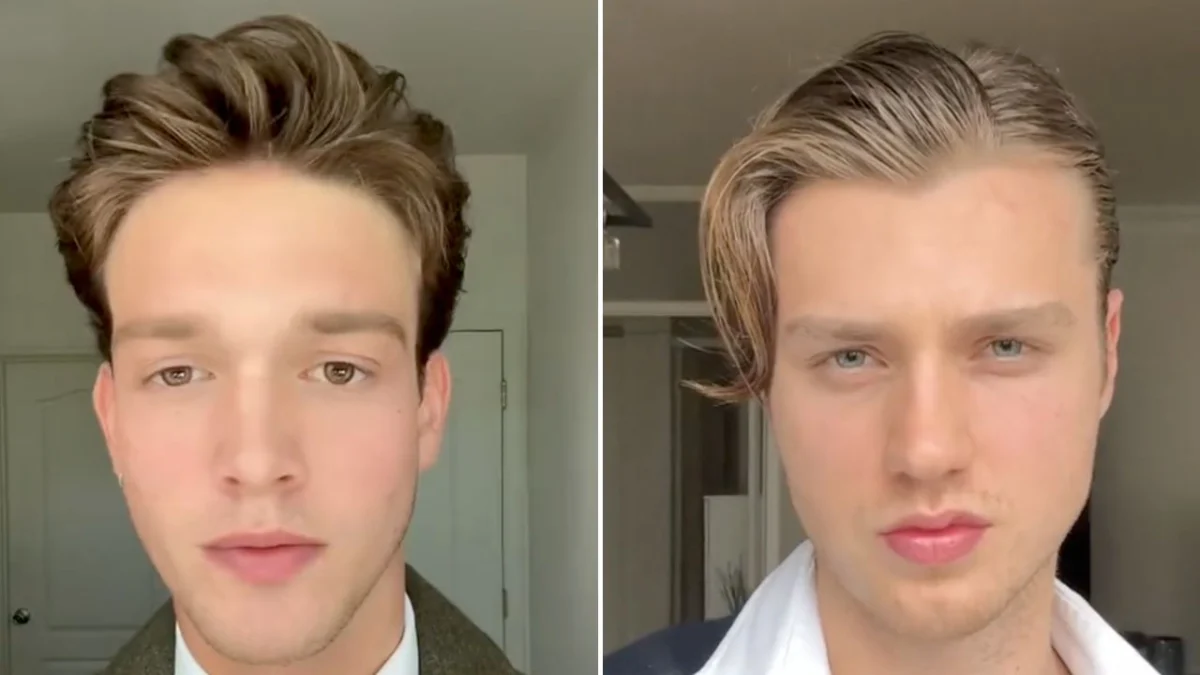
The enduring allure of "old money" style, a sartorial and aesthetic philosophy rooted in understated luxury and refined confidence, has permeated various facets of contemporary fashion, including men’s grooming. This trend, epitomized by brands like Ralph Lauren, champions a look that is both polished and effortless, suggesting a natural sophistication rather than overt effort. For men seeking to embrace this aesthetic, hairstyles are proving to be a crucial element, with a resurgence of clean lines, structured textures, and enduring silhouettes. This article delves into five distinct hairstyles that embody the "old money" ethos, providing detailed techniques for achieving them and exploring the broader cultural significance of this grooming trend.
The Resurgence of Understated Elegance in Men’s Grooming
The "old money" aesthetic is characterized by a deliberate absence of ostentation. It’s about quality over quantity, timelessness over trendiness, and an inherent sense of poise. In the realm of men’s hair, this translates to styles that are meticulously maintained but appear naturally so. Gone are the days of overly sculpted or attention-grabbing cuts; the focus has shifted to styles that exude quiet confidence and a well-put-together appearance, suitable for both formal occasions and everyday wear. This shift signifies a broader cultural movement towards appreciating classicism and enduring style in an era often dominated by fleeting trends.
Industry experts have observed a consistent demand for hairstyles that convey a sense of maturity and professionalism. According to a recent survey conducted by a leading men’s grooming publication, 65% of men aged 25-45 reported seeking hairstyles that are "versatile and easily transition from professional settings to social events." This data point underscores the practical appeal of the "old money" aesthetic, which prioritizes adaptability and understated sophistication. The "old money" look is not about wealth display but about a cultivated sensibility, a visual language that speaks of heritage, tradition, and a discerning taste.
Deconstructing the "Old Money" Hairstyle: Key Elements and Techniques
Achieving the quintessential "old money" hairstyle involves more than just a simple haircut; it requires a nuanced understanding of texture, volume, and precision. The following five styles offer a practical guide to mastering this refined aesthetic:
1. The Fluffed-Up Back Look: Controlled Volume with a Relaxed Finish
This style is a masterclass in achieving natural-looking volume without appearing overdone. It is characterized by a lifted, textured back that suggests effortless body and movement.
Technique:
The process begins with preparing the hair to enhance its natural texture. A liberal application of salt spray to damp or dry hair is recommended to create a slightly tousled, beach-like texture, providing a foundation for styling. Following this, a small amount of hair clay should be worked through the strands. Clay is ideal for its ability to offer grip and definition without imparting a greasy or stiff finish, allowing for a more pliable hold.
The crucial step for achieving the characteristic volume involves blow-drying the hair. While drying, the front strands are to be gently finger-curled, lifting them away from the scalp. This technique encourages natural lift and prevents the hair from lying flat, creating the desired "fluffed-up" appearance. The overall effect is a style that looks intentionally tousled yet remains structured, a hallmark of sophisticated casualness. This look is particularly effective when paired with formal men’s hairstyles, offering a slightly more relaxed interpretation for daily wear.
Analysis: The success of this style lies in its ability to mimic natural hair growth patterns while enhancing them. The use of salt spray accentuates the hair’s inherent wave or texture, while the clay provides the necessary hold and separation. The blow-drying technique, specifically the finger-curling and lifting, is key to building volume without resorting to heavy styling products that can weigh the hair down. This approach aligns with the "old money" philosophy of achieving a polished look through subtle enhancements rather than drastic alterations.
2. The Textured Flow Style: Effortless Movement for Medium to Longer Lengths
Designed for men with medium to longer hair, this style creates a visually appealing straight-to-wavy texture that appears to be naturally occurring. It embodies an effortless, windswept elegance.
Technique:
The foundation for this style is laid on clean, slightly damp hair. A generous amount of hair clay is applied and meticulously worked through the entire head of hair, ensuring even distribution. This ensures that each strand has a base for shaping and hold.
The defining characteristic of this technique involves the strategic use of hair clips on the top section of the hair. These clips are employed to mold the hair into the desired shape, allowing for either a flattened or gently curved silhouette, depending on personal preference. The hair is then left to dry completely with the clips in place. This crucial drying phase allows the hair to fully set in the sculpted form. Once the clips are removed, the result is a structured yet fluid style with soft, natural movement that maintains its shape throughout the day without any stiffness or crunchiness often associated with heavier styling products.
Analysis: This method leverages the setting properties of hair clay in conjunction with physical manipulation. The clips act as a temporary mold, guiding the hair into a specific form as it dries. This controlled setting process is what allows for the "structured flow" – the hair has a discernible shape, but it moves organically. The absence of a crunchy finish is a testament to the clay’s formulation, which typically provides a matte or semi-matte finish and flexible hold. This style is particularly relevant for those seeking a sophisticated yet relaxed look that requires minimal daily styling once achieved.
3. The Medium Slicked-Back Look: A Nod to Retro Sophistication
Often considered one of the most retro-inspired styles on this list, the medium slicked-back look is a timeless choice for formal events and upscale evening engagements. It projects an image of refined confidence and classic charm.
Technique:
To achieve this slicked-back appearance, hair paste or clay is the preferred styling product. The chosen product is applied generously to the hair, ensuring it is evenly distributed from root to tip. The hair is then gently brushed backward, using smooth, consistent strokes. The brushing technique is vital: it should be fluid, guiding all the hair towards the back of the head without creating harsh lines or parting the hair unevenly.
The desired finish is one of controlled elegance. The hair should appear sleek and intentionally styled, but not rigidly plastered or stiff. This subtle distinction is what elevates the look from merely "combed" to "styled." The aim is a sophisticated sheen and a smooth contour that complements the facial structure. This style is renowned for its photographic appeal, appearing sharp and distinguished in images, and equally impactful in person.
Analysis: The medium slicked-back style relies heavily on the texture and hold provided by hair paste or clay. These products offer a balance of shine and hold, allowing the hair to be manipulated into a sleek form without becoming overly rigid. The consistent brushing ensures that the hair lays flat and uniformly, minimizing any flyaways or unevenness. This style’s enduring popularity speaks to its versatility, fitting seamlessly into both formal and semi-formal wardrobes, and its ability to convey a sense of maturity and sophistication.
4. The Clean Side-Part Style: The Cornerstone of Classic Grooming
The side part is an undeniable hallmark of the "old money" aesthetic in men’s hairstyles. Its execution requires precision and attention to detail to achieve the desired structured yet natural appearance.
Technique:
The styling process begins with wet hair, to which salt spray is applied. This product is crucial for building texture and providing a slight grip, making the hair more manageable for styling. The hair is then brushed back while still wet, establishing the foundational direction. Following this, a blow-dry is employed to set this base shape.
The next critical step involves using hair clay to define the parting and sculpt both sides of the hair. The clay allows for precise manipulation, enabling the creation of a clean, distinct parting line. Once the parting is established and the hair is shaped, clips are used to secure each section in place. This allows the style to set for a few minutes, ensuring that the structure is firmly locked in. A final spritz of a light-hold hairspray is used to maintain the style’s integrity without compromising its natural feel.
Analysis: The clean side-part style is a testament to the power of classic barbering techniques. The salt spray preps the hair for styling by adding texture and a subtle hold, while the blow-dry sets the fundamental shape. The hair clay is the key sculpting tool, allowing for the sharp definition of the parting and the neatness of the sides. The use of clips is a practical, often overlooked, element that ensures the style holds its form during the crucial setting phase. This style’s timeless appeal lies in its inherent balance of order and softness, making it a consistently reliable choice for men seeking a polished look.
5. The Flippy Front Look: Elevated Volume with Sleek Sides
This style is designed to create significant volume and lift at the front of the hair, while maintaining impeccably clean and sleek sides. The contrast between these two elements lends the hairstyle its distinctive personality.
Technique:
The foundation for this look is built on wet hair. Initially, the hair is brushed straight back, and clips are used to secure both sides, keeping them neatly in place and out of the way. A styling crème or gel is then applied exclusively to the front section of the hair. This product choice is deliberate, aiming for a smooth, malleable texture that can be easily manipulated.
The blow-drying process is key to achieving the desired lift. While drying the front section, a brush is used to pull the hair upward and forward, creating a pronounced curl or flick at the front. Once the hair is dry and the clips are removed, the result is a striking contrast: a volumized, slightly curled front paired with impeccably smooth and contained sides.
Analysis: This style masterfully employs product placement and targeted styling techniques to create visual interest. The styling crème or gel provides the necessary hold and smoothness for the front section, allowing it to be molded into the desired shape. The blow-drying technique, combined with the brush, directs the airflow and hair movement to achieve the upward lift and forward flick. The use of clips to isolate the sides ensures that they remain sleek and unobtrusive, allowing the front to take center stage. This creates a dynamic and modern interpretation of classic styling, embodying a confident and stylish persona.
The Broader Implications of the "Old Money" Hair Trend
The prevailing interest in "old money" hairstyles for men reflects a broader cultural appreciation for enduring quality and thoughtful presentation. In an era often characterized by rapid change and disposable trends, this aesthetic offers a sense of stability and timelessness. It suggests that true style is not about chasing the latest fad, but about cultivating a personal aesthetic that is both sophisticated and authentic.
The implications of this trend extend beyond mere fashion. It signifies a renewed emphasis on grooming as an integral component of personal branding and self-expression. For many, embracing these styles represents a conscious decision to present themselves with a certain level of polish and intention. This meticulous approach to personal appearance can have tangible benefits in professional and social settings, contributing to perceptions of competence, reliability, and self-assurance.
Furthermore, the accessibility of these styles, facilitated by detailed techniques and readily available products, democratizes the "old money" aesthetic. It is no longer an exclusive domain dictated by inherited wealth or social standing, but a cultivated sensibility achievable through knowledge and practice. This shift empowers individuals to adopt a look that resonates with their personal values and aspirations, regardless of their background.
The use of virtual try-on tools, such as TheRightHairstyles’ offering, and mobile applications like HairHunt, further democratizes access to grooming inspiration and execution. These digital resources empower individuals to experiment with different looks and refine their choices before committing to a haircut or styling routine. This technological integration underscores the modern approach to timeless aesthetics, blending classic principles with contemporary innovation.
In conclusion, the "old money" hairstyle trend for men is more than a passing fad; it is a reassertion of classic style principles in contemporary grooming. By focusing on structured yet natural looks, these hairstyles offer a pathway to understated elegance and enduring confidence. The techniques outlined provide a practical guide for men seeking to adopt this sophisticated aesthetic, reinforcing the idea that true style lies in intention, refinement, and a timeless sensibility.
