
 By admin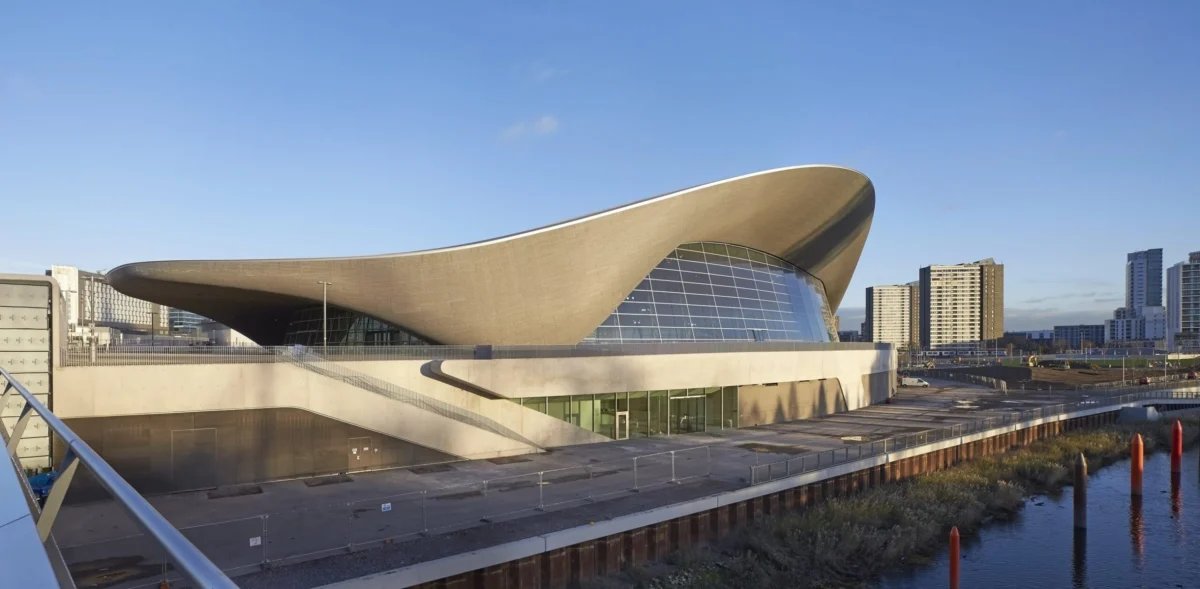
The concept of a signature style in architecture represents the pinnacle of a designer’s career, marking the point where a singular creative obsession evolves into a repeatable, globally recognized logic. In the history of the built environment, few individuals have managed to transcend the utilitarian requirements of engineering to create a visual language that is immediately identifiable to both critics and the public. These signature styles—ranging from the fluid, gravity-defying curves of Zaha Hadid to the severe, monastic concrete of Tadao Ando—are not merely aesthetic choices; they are profound philosophical statements regarding how humans should interact with space, light, and the passage of time. As the global landscape becomes increasingly homogenized by commercial development, the work of eight specific architects stands as a testament to the power of discipline, clarity of vision, and a steadfast refusal to adhere to fleeting trends.
The Foundation of Modernity: Le Corbusier and the International Style
The timeline of signature architectural styles in the 20th century arguably begins with Charles-Édouard Jeanneret, known as Le Corbusier. His signature was defined by a radical departure from the ornamental traditions of the 19th century, replaced by a philosophy he termed "L’Esprit Nouveau." For Le Corbusier, the house was a "machine for living," a functionalist tool designed to maximize efficiency and human health.
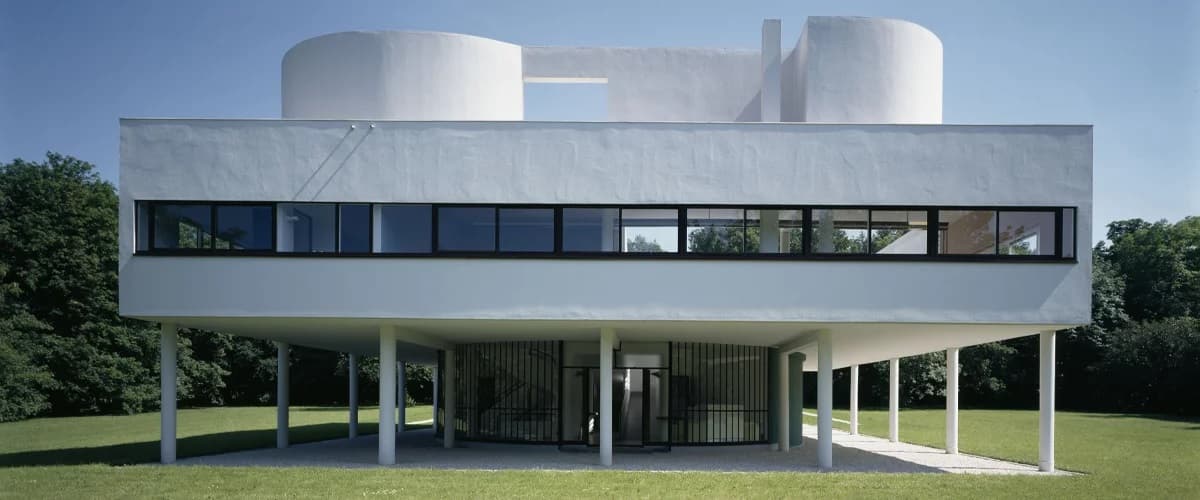
His signature logic was codified in his "Five Points of New Architecture," published in 1927: the use of pilotis (slender reinforced concrete pillars) to lift the building off the ground, a flat roof used as a garden, an open floor plan enabled by the absence of load-bearing walls, horizontal ribbon windows for equal light distribution, and a free facade. The Villa Savoye (1931) remains the definitive example of this style. Beyond residential design, his impact on urbanism is seen in the Capitol Complex in Chandigarh, India, where his style evolved into "Brutalist" tendencies, utilizing raw, unfinished concrete (béton brut) to create massive, sculptural forms that reflected post-colonial optimism. His legacy is found in nearly every modern skyscraper and social housing project today, representing the shift from architecture as art to architecture as a social and industrial system.
The Spiritual Mass of Louis Kahn
While Le Corbusier looked toward the future of industry, Louis Kahn sought a return to the monumentalism of antiquity, filtered through modern materials. Kahn’s signature style emerged from a deep, almost mystical inquiry into the nature of materials, famously asking, "What does a brick want to be?" His work is characterized by heavy, monolithic volumes and a sacramental approach to light.
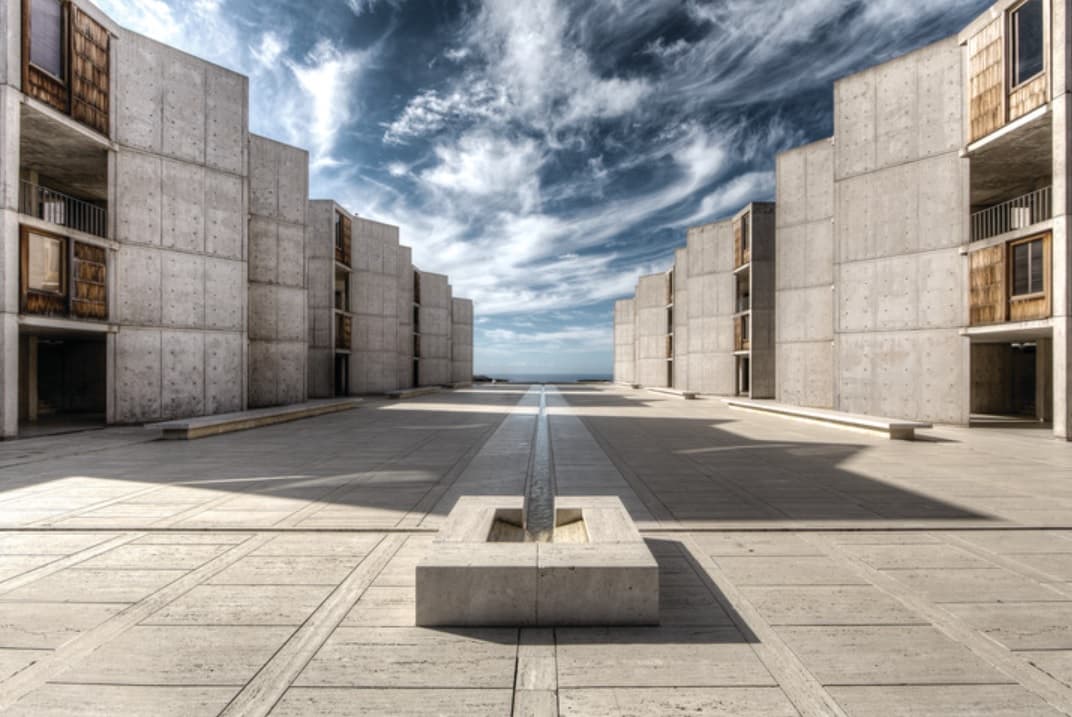
Kahn’s philosophy rejected the "glass box" minimalism of his contemporaries in favor of structural honesty. At the Salk Institute for Biological Studies (1965) in La Jolla, California, he utilized raw concrete, teak, and travertine to create a courtyard that serves as a frame for the Pacific Ocean. His use of light was not merely for visibility but for "the making of material." In the National Assembly Building in Dhaka, Bangladesh (1982), he utilized massive geometric cutouts to filter the harsh sun, creating a civic space that feels ancient and futuristic simultaneously. Critics often describe Kahn’s work as having "gravitas," a weight that demands silence and contemplation, a rare feat in an era of rapid, lightweight construction.
Zaha Hadid and the Parametric Revolution
In the late 20th and early 21st centuries, Zaha Hadid, often referred to as the "Queen of Curves," shattered the rectilinearity of modernism. Her signature style was rooted in Russian Suprematism and the rejection of a single fixed perspective. With the advent of advanced digital modeling software, Hadid moved from "paper architecture"—complex drawings deemed impossible to build—to fluid, warped, and gravity-defying structures.
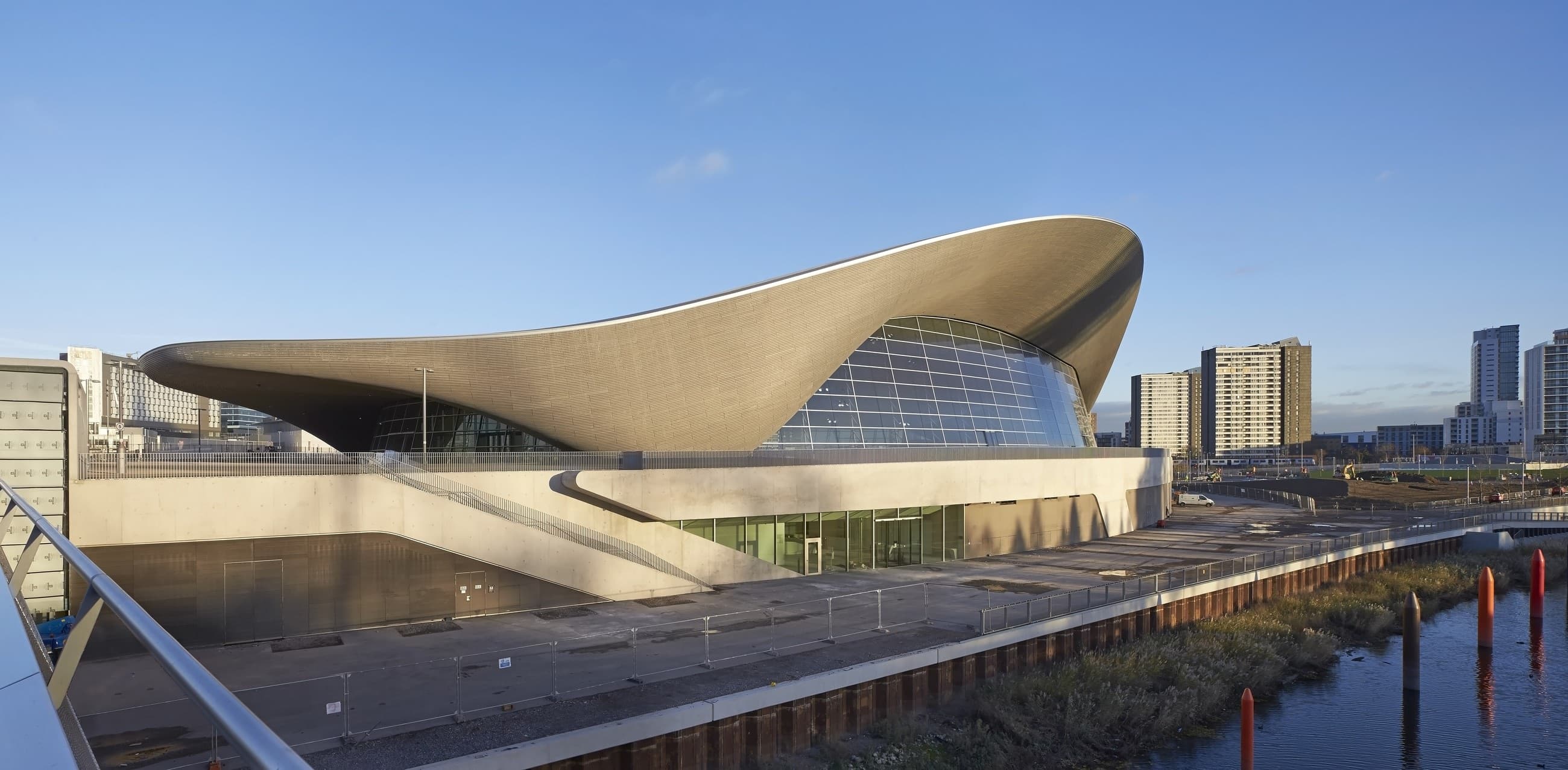
The Heydar Aliyev Centre in Baku (2012) represents the peak of her "Parametricism" style. The building avoids right angles entirely, with white surfaces rippling like fabric to blur the distinctions between floor, wall, and ceiling. Similarly, the London Aquatics Centre (2011) utilizes a sweeping timber roof inspired by the motion of water. Hadid’s work changed the industry by proving that digital complexity could be translated into physical reality at a massive scale. Her 2004 Pritzker Prize win—the first for a woman—signaled a global acceptance of architecture that prioritizes motion and emotion over traditional static forms.
Frank Gehry: The Sculptor of Deconstruction
Frank Gehry’s signature style is perhaps the most recognizable in the world, characterized by fragmented volumes, buckling metal sheets, and a sense of "controlled chaos." Gehry’s work belongs to the Deconstructivist movement, which suggests that architecture should reflect the fragmented, non-linear nature of contemporary life.
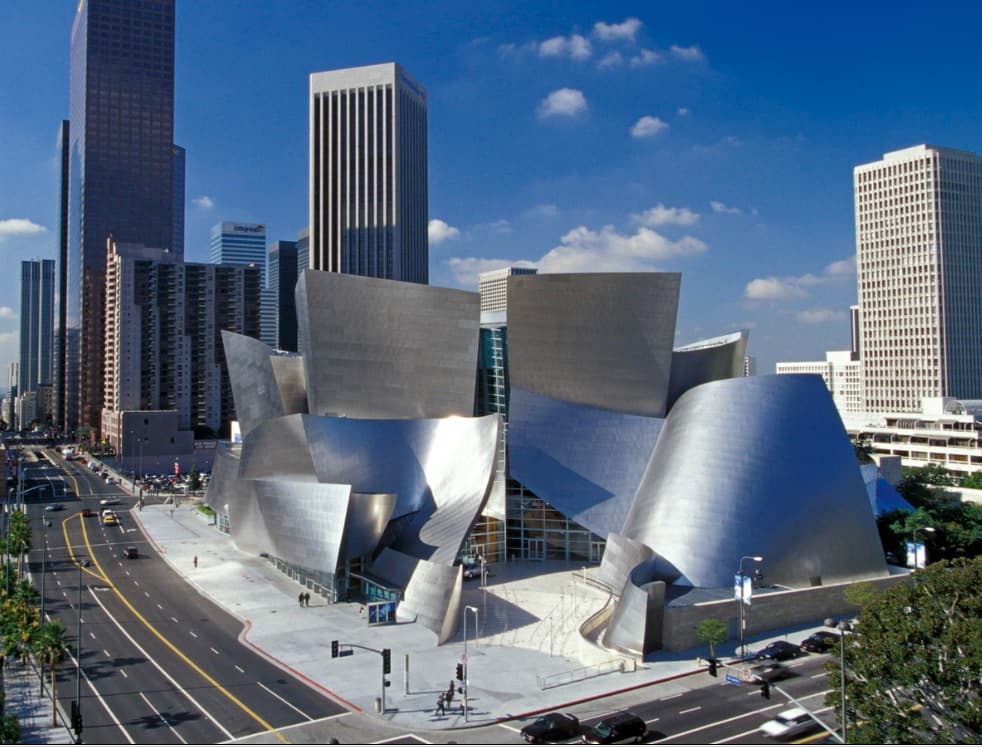
The 1997 opening of the Guggenheim Museum Bilbao was a watershed moment in architectural history, giving rise to the "Bilbao Effect"—the idea that a single iconic building could revitalize a city’s economy. The museum’s titanium-clad curves, designed using aerospace software, catch the light in ways that mimic fish scales, a recurring motif in Gehry’s work. His Walt Disney Concert Hall in Los Angeles (2003) further refined this language, using stainless steel "sails" to create a visual crescendo. Gehry’s contribution lies in his ability to treat a building as a large-scale sculpture, challenging the notion that form must always follow a simple, legible function.
Tadao Ando: The Discipline of Silence and Shadow
In stark contrast to the expressive exuberance of Gehry or Hadid, Tadao Ando’s signature is defined by "the aesthetics of absence." Rooted in Zen Buddhism and the Japanese concept of ma (negative space), Ando’s work focuses on the psychological impact of light and shadow within precisely cast concrete walls.
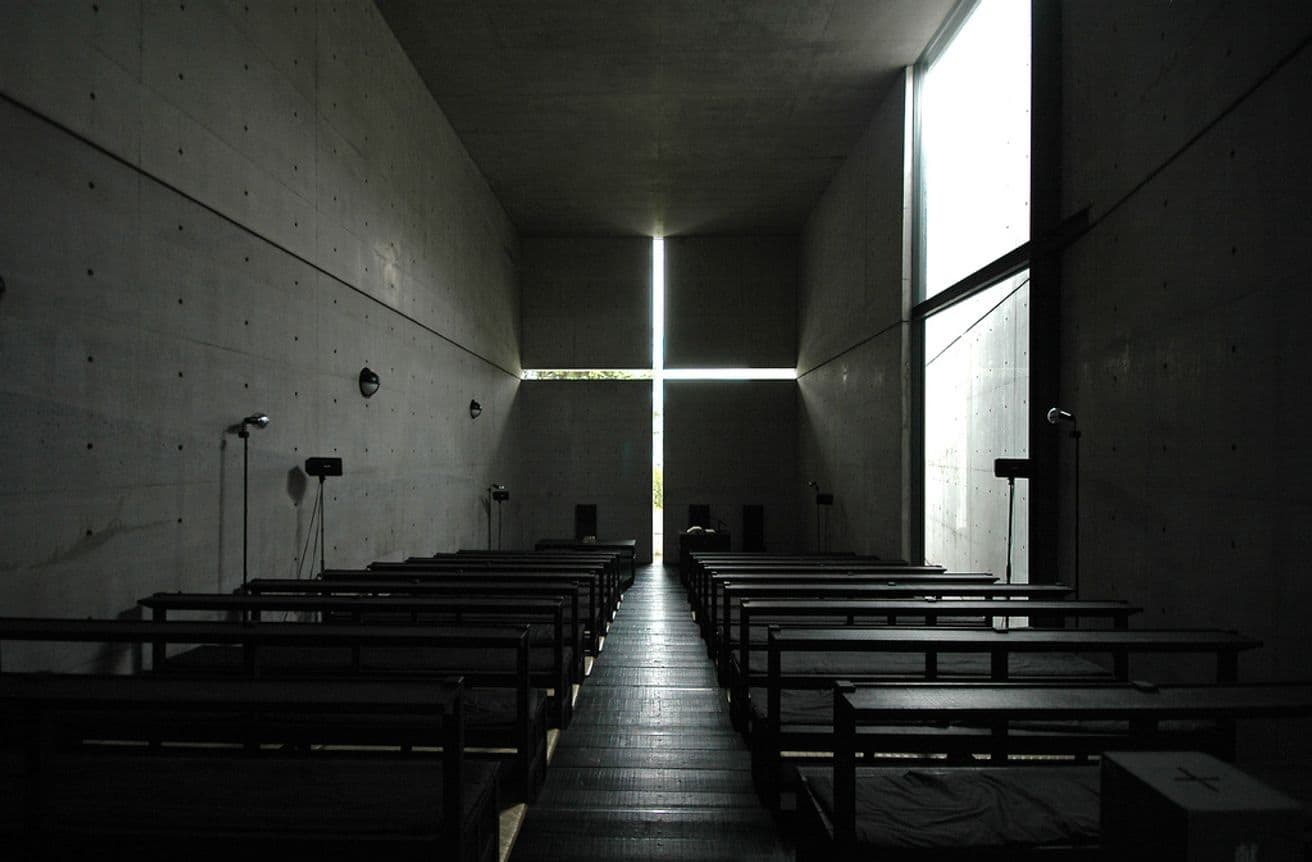
Ando, a self-taught architect, uses a specific type of smooth, "silky" concrete that bears the mark of the formwork holes, creating a rhythmic texture on the walls. His Church of the Light in Osaka (1989) is a masterclass in minimalism, where the only ornament is a cruciform aperture cut into the altar wall, through which light enters to define the sacred space. On the island of Naoshima, his underground museums integrate seamlessly into the landscape, forcing visitors to slow down and observe the shifting patterns of the sun. Ando’s signature is unmistakable because it demands a submission to silence, a rejection of the "noise" of modern architecture.
Norman Foster: The Technology of Transparency
Sir Norman Foster is the primary proponent of High-Tech architecture, a style that celebrates the building’s structural and mechanical systems. His signature is one of aerodynamic efficiency, transparency, and a deep commitment to sustainable engineering.
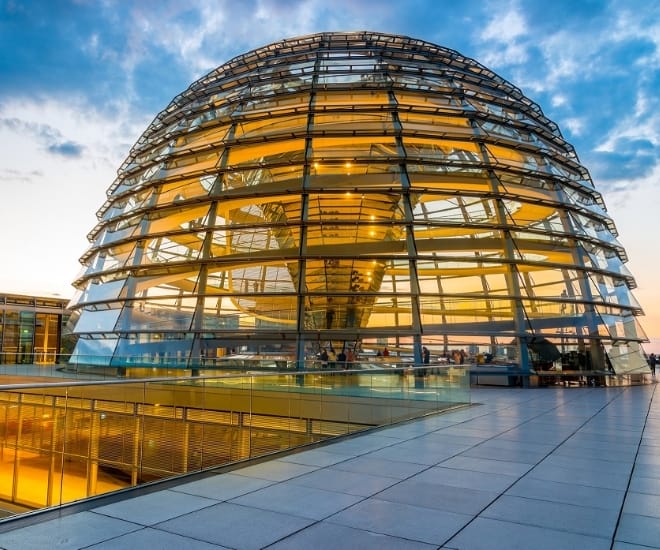
Foster’s work, such as 30 St Mary Axe (The Gherkin) in London, utilizes "diagrid" structures—diagonal bracing that allows for large open interiors and reduced wind resistance. His redesign of the Reichstag in Berlin (1999) added a glass dome that allows citizens to look down into the legislative chamber, symbolizing democratic transparency. Foster’s style is less about a specific shape and more about a "systems logic," where every component of the building is optimized for performance. As the industry shifts toward "green" building standards, Foster’s early emphasis on natural ventilation and light-harvesting has become the new global standard.
Santiago Calatrava: The Anatomy of Kinetic Motion
Santiago Calatrava, trained as both an architect and a structural engineer, developed a signature style based on "biomimicry." His buildings often resemble skeletons, wings, or ribs, and frequently incorporate kinetic elements that allow the structure to move.
The Milwaukee Art Museum (2001) features the Quadracci Pavilion, which possesses a movable brise-soleil (sunshade) that opens and closes like the wings of a giant bird. This 90-tonne structure is not just a visual gimmick but a functional element that controls heat gain. In Valencia, his City of Arts and Sciences creates a futuristic landscape of white concrete and glass that feels organic rather than industrial. Calatrava’s signature is the fusion of engineering precision with the poetic movement of the natural world, turning static infrastructure into a living performance.
Renzo Piano: The Poetics of Craft and Context
Renzo Piano, often described as a "builder" rather than a "starchitect," possesses a signature style defined by contextual humility and exquisite craftsmanship. While his early work with Richard Rogers on the Centre Pompidou (1977) was a radical "inside-out" display of mechanical ducts, his later work has matured into a delicate exploration of light.
Piano’s signature can be seen in the way his buildings "breathe." The Shard in London (2012) is a crystalline spire designed to reflect the ever-changing English sky, tapering off into the clouds to avoid an aggressive presence on the skyline. His Menil Collection in Houston is celebrated for its innovative roof system that filters harsh Texas sun into soft, even light for the artworks. Piano’s logic is one of "the building workshop"—a belief that architecture is a collaborative process of solving problems through the careful assembly of parts, ensuring that the building belongs to its specific location and climate.
Broader Impact and the Legacy of Architectural Identity
The collective impact of these eight architects extends far beyond the individual buildings they have constructed. They have defined the parameters of the "Starchitecture" era, where a designer’s brand becomes a commodity used by cities to compete for global status and tourism. However, the true value of their signature styles lies in their ability to solve fundamental human problems.
Data from the Pritzker Architecture Prize and the American Institute of Architects (AIA) suggests that while these iconic buildings often carry higher initial construction costs—sometimes exceeding standard commercial budgets by 20% to 50%—their long-term economic and cultural impact is significant. The "Bilbao Effect" alone proved that a signature building could generate billions in revenue for a regional economy over several decades.
Furthermore, these architects have influenced the next generation of designers to move beyond the "International Style" of the mid-20th century, which often resulted in soul-less, uniform cities. By championing fluidity, mass, light, and technology, they have provided a toolkit for a more diverse and expressive built environment. In an age of rapid urbanization, where the UN projects that 68% of the world population will live in urban areas by 2050, the lessons of these eight visionaries—discipline, clarity, and the refusal to follow trends—remain the essential blueprints for the future of civilization. These architects did not just design buildings; they designed the very terms by which we understand our place in the world.
