
 By admin
The path to legal recovery following a catastrophic burn injury is a multifaceted process that necessitates a rigorous synthesis of medical evidence, forensic investigation, and statutory compliance. In California, where the legal landscape is shaped by complex product liability standards and pure comparative negligence rules, victims must navigate a structured sequence of actions to ensure their claims reflect the true magnitude of their physical, emotional, and financial losses. Burn injuries are categorized among the most trauma-intensive medical conditions, often requiring multi-stage surgical interventions, including debridement and skin grafting, followed by years of psychological and physical rehabilitation. Establishing liability in these cases requires not only proving negligence but also meticulously documenting the causal link between a defendant’s actions and the victim’s long-term prognosis.
The Medical and Economic Landscape of Burn Injuries
According to data provided by the American Burn Association (ABA), approximately 486,000 burn injuries require medical treatment annually in the United States, with roughly 40,000 resulting in hospitalization. In California, industrial accidents, residential fires caused by defective appliances, and chemical exposures represent significant portions of the state’s personal injury docket. The economic implications are staggering; a severe burn injury can result in medical costs exceeding $1 million in the first year alone, particularly if complications such as sepsis or organ failure occur.
Beyond the immediate healthcare expenditures, the long-term societal impact includes lost productivity and the necessity for lifelong care. Legal claims in this sector must therefore account for "future-looking" damages, utilizing life care planners and vocational experts to project the cost of living with permanent disfigurement or disability.
Chronology of a Burn Injury Claim
The lifecycle of a burn injury claim typically follows a strict chronological order, beginning at the moment of the incident and extending through the final resolution of litigation or settlement.
- Immediate Stabilization and Emergency Documentation: The legal record begins with the first responders. Paramedic notes and emergency room intake records establish the "mechanism of injury," which is critical for proving how the burn occurred.
- The Investigative Phase: Within days of the injury, legal counsel typically initiates a site inspection. In cases involving structure fires or industrial explosions, this involves fire marshals and private investigators who preserve the physical evidence before the scene is cleared.
- Formal Notification and Preservation: Attorneys issue "spoliation letters" to potential defendants—such as landlords, manufacturers, or utility companies—mandating that they preserve all digital and physical evidence, including maintenance logs and surveillance footage.
- Medical Maximum Improvement (MMI) Assessment: A claim often cannot be accurately valued until the victim reaches a point of medical stability. This stage determines the extent of permanent scarring and functional limitations.
- Filing and Discovery: If a settlement cannot be reached through insurance negotiations, a formal lawsuit is filed. This triggers the "discovery" phase, where both parties exchange internal documents and conduct depositions.
- Resolution: The process concludes either in a negotiated settlement or a jury trial, where the evidence gathered during the preceding months is presented to determine fault and damages.
Securing Comprehensive Medical Documentation and Expert Testimony
The cornerstone of any burn injury claim is the medical record. However, raw hospital files are rarely sufficient for the high evidentiary thresholds of California courts. Documentation must be structured to categorize the injury by degree and Total Body Surface Area (TBSA).
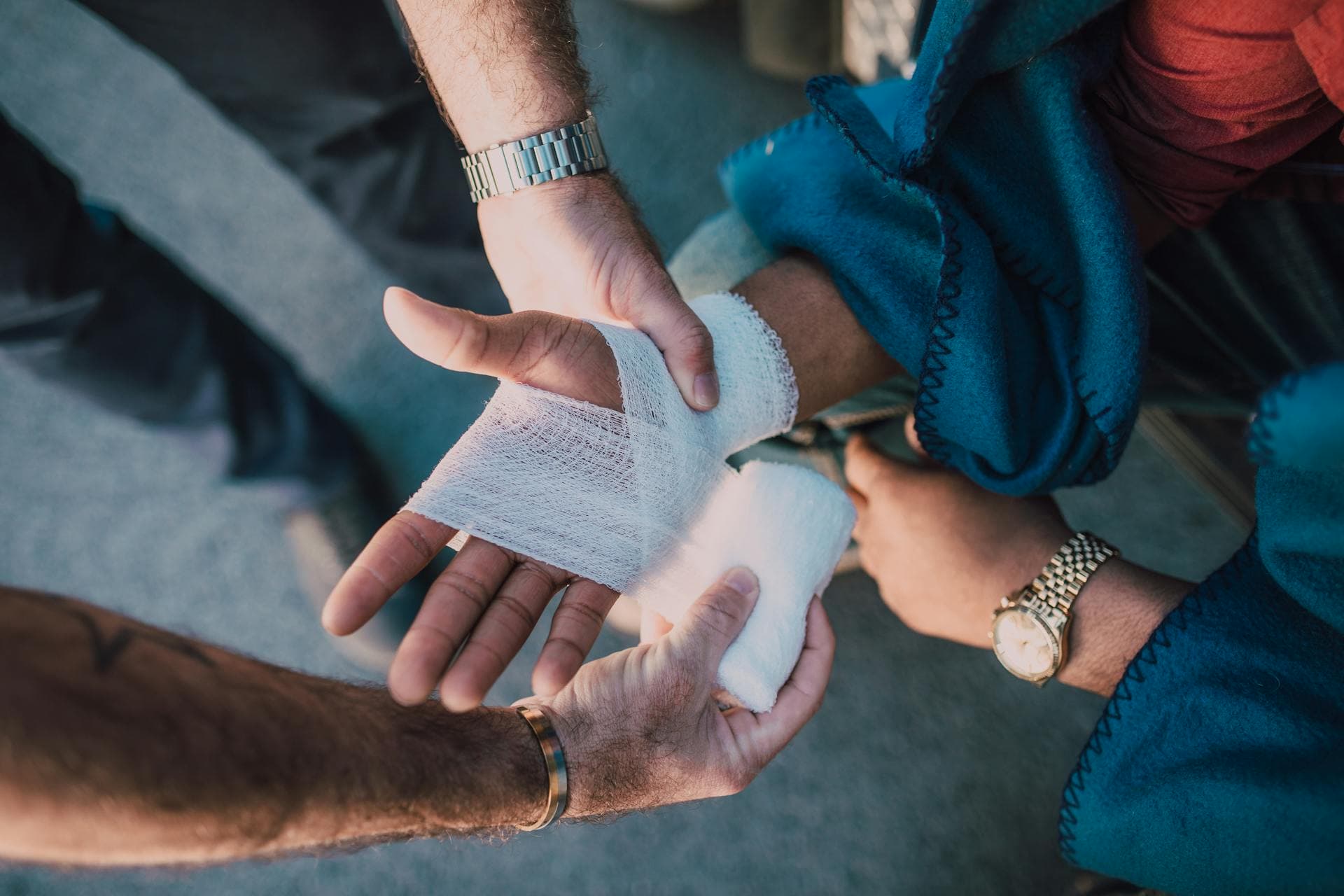
First-degree burns may only involve the epidermis, but second and third-degree burns involve the dermis and underlying tissues, often leading to "contractures"—the tightening of skin that restricts movement. Legal teams work with burn specialists to document these functional deficits. Furthermore, psychological records are vital. The "invisible" injuries of a burn survivor, such as Post-Traumatic Stress Disorder (PTSD) and depression resulting from disfigurement, are compensable non-economic damages. Under California Civil Code § 3333.2, while there may be caps on non-economic damages in specific medical malpractice contexts, general personal injury claims for burns often allow for significant recovery based on the severity of the emotional trauma.
Identifying Liable Parties and the Doctrine of Strict Liability
Identifying the responsible parties is rarely a straightforward task. Burn injuries often arise from a confluence of failures. For example, a residential fire might be caused by a defective lithium-ion battery in a consumer electronic device. Under California’s strict product liability laws, the victim does not necessarily need to prove that the manufacturer was "careless," but rather that the product was inherently dangerous due to a design defect, a manufacturing flaw, or a failure to provide adequate warnings.
In other scenarios, premises liability comes into play. If a landlord fails to install functioning smoke detectors or neglects faulty electrical wiring, they may be held liable for injuries sustained in a fire. Furthermore, third-party liability is a critical avenue for workplace injuries. While workers’ compensation provides a "no-fault" remedy for employees, it often fails to cover the full scope of pain and suffering. If a contractor or a manufacturer of industrial equipment contributed to a workplace explosion, a separate civil claim can be pursued against that third party to secure full compensatory damages.

The Role of Comparative Fault in California Litigation
California operates under a "pure comparative negligence" system. This is a critical factor in burn injury litigation, as insurance defense teams frequently attempt to shift blame onto the victim to reduce the payout. They may argue that the victim failed to evacuate quickly enough or was using a product in an unintended manner.
Unlike states with "modified" comparative negligence—where a victim is barred from recovery if they are more than 50% at fault—California law allows a victim to recover damages even if they are 99% responsible. However, their total award is reduced by their percentage of fault. For instance, if a jury determines a victim’s total losses are $1 million but finds them 25% at fault for the accident, the final recovery would be $750,000. Experienced legal counsel counters these defenses by employing fire reconstruction experts to prove that the defendant’s negligence was the primary and "substantial factor" in causing the harm.
Quantifying Economic and Non-Economic Damages
The calculation of damages in a burn case is divided into two primary categories: economic (objective) and non-economic (subjective).

Economic Damages include:
- Past and Future Medical Expenses: This encompasses surgeries, hospital stays, skin grafts, and long-term physical therapy.
- Lost Wages: Income lost during the recovery period.
- Loss of Earning Capacity: If the burn results in physical limitations or disfigurement that prevents the victim from returning to their previous profession.
- Home Modifications: The cost of adjusting a living space to accommodate physical disabilities.
Non-Economic Damages include:
- Pain and Suffering: The physical agony associated with burn treatments, which are often described as more painful than the initial injury.
- Emotional Distress: The psychological impact of the event and the subsequent life changes.
- Disfigurement and Scarring: The permanent alteration of the victim’s appearance, which can have profound social and professional consequences.
- Loss of Consortium: The impact of the injury on the victim’s relationship with their spouse.
Statutory Deadlines and Procedural Compliance
Victims must be acutely aware of the "statute of limitations," which acts as a strict deadline for filing a claim. In California, the standard statute of limitations for a personal injury or product liability claim is two years from the date of the injury. However, several exceptions and shorter deadlines exist:

- Government Entities: If the injury was caused by a government entity (e.g., a fire caused by poorly maintained municipal power lines), a formal administrative claim must be filed within six months of the incident under the California Government Tort Claims Act.
- Workers’ Compensation: Claims for workplace injuries must generally be reported to the employer within 30 days, and a formal claim filed within one year.
- Medical Malpractice: If the burn occurred during a medical procedure, the timeline may be limited to one year from the date the injury was discovered.
Failure to adhere to these timelines results in the permanent forfeiture of the right to seek compensation, regardless of the severity of the injury or the clarity of the defendant’s guilt.
Broader Implications for Safety and Policy
Beyond individual compensation, burn injury litigation serves a broader societal function by incentivizing corporate and property owner safety. High-profile burn cases have historically led to significant changes in building codes, product safety standards (such as the flammability of children’s sleepwear), and workplace safety regulations. When a manufacturer is held liable for a defective heater or an employer for a lack of safety gear, it forces industry-wide adjustments that prevent future tragedies.
In conclusion, the complexity of burn injury claims in California necessitates an early, aggressive, and highly structured legal approach. By integrating comprehensive medical evidence with expert forensic analysis and a deep understanding of state-specific liability doctrines, victims can build a robust case for the compensation required to navigate the lifelong challenges posed by these devastating injuries. Success in these claims is not merely about proving what happened, but about quantifying the enduring impact on the survivor’s quality of life.
