
 By Nila Kartika Wati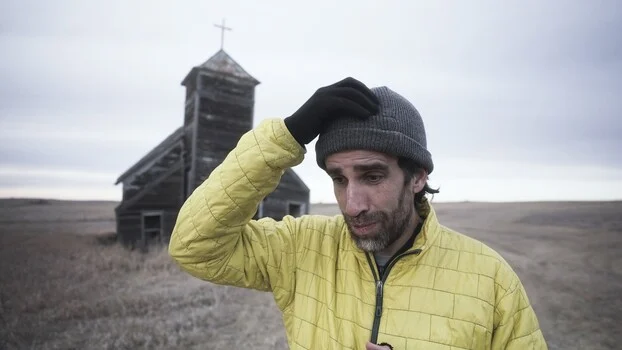
The pursuit of extraordinary landscape images often leads photographers down paths of endless gear upgrades, intensive skill development, and meticulous vision planning. Yet, a compelling new perspective suggests that the single most critical, often overlooked, factor is simply time – specifically, consistent, dedicated time spent in the field. This argument, eloquently presented by Adrian Vila of aows, reframes the essence of successful landscape photography, positioning raw presence as the ultimate determinant of capturing those rare, ephemeral moments when light, weather, and landscape converge into something truly magical. It’s a profound shift from the conventional focus on equipment or technical prowess, highlighting instead the uncontrollable yet indispensable element of being present when opportunity strikes.
The Unpredictable Canvas: Why Time Matters Most
Landscape photography is inherently a dance with the uncontrollable. Unlike studio or portrait photography where conditions can largely be manipulated, the outdoor environment is a dynamic, ever-changing entity. The quality of light, the dramatic sweep of weather, the subtle shifts in atmospheric conditions—these elements rarely align perfectly. Industry veterans and photographic educators consistently emphasize that truly iconic landscape images are often the result of extraordinary environmental circumstances that occur only a handful of times a year, or even a decade, in a specific location. Capturing such moments demands an almost prescient understanding of nature’s rhythms, coupled with an unwavering commitment to being present.
The common lament among outdoor photographers, often termed the "missed moment syndrome," encapsulates this challenge perfectly. Vila’s own experience, recounted in his recent video, serves as a poignant illustration: standing before a historic church in North Dakota, knowing that a significant snowfall would transform the scene into a breathtaking tableau within 24 hours, but being forced to depart for a family commitment. This scenario resonates deeply within the photographic community, underscoring the universal frustration of knowing optimal conditions are imminent but being unable to capitalize on them. It highlights that the finest gear in one’s bag, the most refined technique, or the most artistic vision become moot if the photographer is not physically present when nature stages its most spectacular performances.
The "Time in the Market" Analogy Explained
Central to Vila’s argument is a powerful financial analogy: "time in the market beats timing the market." This principle, fundamental to successful long-term investing, posits that consistent investment over extended periods yields superior returns compared to attempts at predicting market fluctuations. Applied to photography, this translates into a compelling directive: consistent presence in the field significantly increases the probability of encountering and capturing those statistically rare, yet incredibly impactful, photographic opportunities.
In the financial sector, historical data consistently demonstrates that investors who remain invested for longer durations, weathering market volatility, typically outperform those who try to buy low and sell high. For instance, a study by JPMorgan Chase showed that six of the ten best days in the S&P 500 over a 20-year period occurred within two weeks of the ten worst days. Missing just a few of the best performing days can significantly depress overall returns. Translating this to photography, if a landscape photographer attempts to "time" their visits to coincide with perfect conditions, they run the risk of missing the truly exceptional, often unpredictable, occurrences. A consistent presence, however, maximizes exposure to these fleeting windows of opportunity.
Consider the immense preparation and dedication of photographers like Ansel Adams, who spent countless hours scouting locations, sometimes returning to the same spot dozens of times across seasons and years. His iconic images were not merely the result of technical mastery but of an unparalleled commitment to being present when the light and atmosphere collaborated in a unique way. This deep understanding of a location, forged through repeated visits, allows a photographer to anticipate and react when the elements align. The analogy underscores that while gear, skill, and vision are vital, they act as multipliers of opportunity; the opportunity itself is primarily generated by sustained presence.
Beyond Gear and Skill: The Compounding Effect of Presence
The conventional wisdom in photography often prioritizes equipment. Marketing campaigns from camera manufacturers frequently emphasize resolution, autofocus speed, and low-light performance, implying that technological superiority is the key to groundbreaking images. While advanced gear undoubtedly offers creative possibilities and technical advantages, its impact is significantly diminished if the photographer is not actively engaged in the field. Vila’s argument effectively pivots this focus, asserting that the camera in one’s bag holds little value if its owner is stuck indoors during a rare meteorological event, such as a dramatic fog rolling in at dawn or an unexpected blizzard painting the landscape.
This concept of "frequency and availability compounding over time" mirrors the principle of compound interest in finance. Just as small, consistent investments grow exponentially over time, repeated outings and a commitment to being present in diverse conditions build a photographer’s portfolio and experience base. Each outing, even if seemingly unproductive in terms of portfolio-worthy images, contributes to local knowledge, weather pattern understanding, and an intuitive sense of timing. This cumulative experience forms a bedrock of readiness, allowing the photographer to act decisively when truly exceptional conditions manifest.
Furthermore, consistent presence sharpens one’s observational skills. Photographers who are regularly in the field develop a keener eye for subtle shifts in light, composition, and mood. They learn to identify potential in seemingly ordinary scenes, understanding how ephemeral conditions can transform them. This iterative process of observation, capture, and reflection is a far more potent catalyst for growth than simply acquiring the latest camera body or lens. It transforms photography from a sporadic hobby into a deeply integrated practice, fostering a richer connection between the artist and their environment.
Navigating Constraints: Practical Strategies for the Dedicated Photographer
A common counter-argument to prioritizing "time in the field" stems from the realities of modern life: full-time jobs, family obligations, and other commitments that limit spontaneous excursions. Vila acknowledges these constraints with honesty, recognizing that it is undeniably harder for individuals juggling numerous responsibilities. However, his video does not leave viewers without a pragmatic path forward. Instead, it offers actionable strategies designed to maximize photographic output within the confines of a busy schedule.
One key suggestion revolves around building extensive local knowledge. This involves systematically exploring nearby areas, understanding their unique light characteristics at different times of day and seasons, and identifying potential compositions. For instance, a photographer might dedicate weekends to meticulously mapping out local parks, coastlines, or urban landscapes, noting how weather fronts typically move through, where light falls best at sunrise or sunset, and which vantage points offer the most compelling views. This proactive approach transforms limited free time into highly efficient photographic expeditions, eliminating the need for extensive scouting on the rare occasions when conditions align.
Another crucial strategy involves meticulous weather tracking. With advancements in meteorological forecasting technology, photographers can now monitor conditions with unprecedented accuracy. Utilizing specialized weather apps that provide hyper-local forecasts, satellite imagery, and radar data allows for informed decision-making. Learning to interpret these patterns – recognizing the precursors to dramatic cloud formations, incoming fog banks, or post-storm clearing – can help photographers identify high-probability windows for exceptional light, even if they are brief. This proactive meteorological intelligence enables photographers to be "ready when conditions are likely," minimizing wasted effort and maximizing the impact of limited time.
Moreover, the concept of "staying ready" extends beyond just planning. It includes having gear prepped, batteries charged, and a clear idea of potential shooting locations for various weather scenarios. This mental and logistical preparedness ensures that when a fleeting opportunity arises, the photographer can react quickly and efficiently, turning a potential "missed moment" into a successful capture. These practical suggestions underscore that while the ideal scenario might be unlimited time, strategic planning and meticulous preparation can significantly bridge the gap for those with demanding schedules.
The Philosophical Shift: Blurring Life and Lens
Beyond the practicalities, Vila’s discourse subtly introduces a profound philosophical shift: the blurring of the line between photography and daily life. Carrying a camera everywhere isn’t merely a habit; it’s an embodiment of a redefined relationship with the act of seeing and capturing. This omnipresent readiness transforms mundane moments into potential photographic opportunities, fostering a constant state of visual awareness. Some of the most compelling images shared in Vila’s video originate from precisely this kind of casual availability, demonstrating that extraordinary scenes can emerge from the most unexpected, everyday contexts.
This approach challenges the notion that photography is solely an activity reserved for dedicated expeditions to grand, distant landscapes. Instead, it posits that photographic potential exists everywhere, all the time. The North Dakota church anecdote, despite the missed snowfall, still yielded compelling work because Vila showed up, even knowing that conditions weren’t ideal for a "hero shot." This willingness to engage with a scene, even when circumstances are less than perfect, is a critical differentiator between a growing, dynamic body of work and one that remains stalled or stagnant. It cultivates resilience, adaptability, and a deeper appreciation for the nuanced beauty of the everyday.
This philosophical integration also encourages a shift from outcome-oriented photography to process-oriented engagement. The focus moves from solely chasing the "perfect" shot to embracing the journey of observation, experimentation, and continuous learning. It fosters a photographic mindset that views every outing, every moment with a camera, as an opportunity for discovery and growth, regardless of the immediate results. This mindset ultimately leads to a richer, more authentic photographic practice, where the camera becomes an extension of one’s perception rather than merely a tool for reproduction.
The Unseen Costs and Rewards: Career, Commitment, and Creative Fulfillment
Prioritizing photography to the extent advocated by Vila’s philosophy is not without its trade-offs. The video touches upon the significant decisions that might accompany such a commitment, including career choices that can carry real financial uncertainty. For many, pursuing photography with such dedication might mean foregoing a more traditional, stable career path in favor of roles that offer greater flexibility, even if they come with reduced income or benefits. This is a profound personal decision, weighing financial security against the pursuit of creative passion and the potential for artistic fulfillment.
The landscape of professional photography is highly competitive, and achieving financial viability often requires a multifaceted approach that extends beyond simply taking pictures, encompassing marketing, sales, and business acumen. Therefore, the commitment to "time in the field" must be balanced with a realistic understanding of the economic realities of the photographic industry. However, for those who choose this path, the rewards extend beyond monetary compensation. The profound connection to nature, the unique satisfaction of capturing fleeting beauty, and the continuous journey of artistic self-expression offer a different kind of wealth.
This commitment fosters a deep sense of purpose and a unique way of engaging with the world. It cultivates patience, perseverance, and an acute awareness of environmental nuances. The mental and emotional benefits of spending consistent time outdoors, immersed in a creative pursuit, are well-documented, contributing to overall well-being and a reduction in stress. Thus, while the financial implications of prioritizing photography can be significant, the intrinsic rewards—creative fulfillment, a deeper connection to nature, and the satisfaction of mastering a challenging art form—often outweigh the perceived costs for those truly dedicated to the craft.
Expert Consensus and Broader Implications
The core message from Adrian Vila resonates deeply with the collective wisdom of seasoned landscape photographers and photographic educators globally. Many acclaimed professionals, from Galen Rowell to Marc Adamus, have consistently emphasized the importance of relentless dedication, repeated visits to locations, and an intimate understanding of environmental patterns. This consensus reinforces that while technical proficiency and artistic vision are foundational, they are optimized and brought to their fullest potential through consistent, sustained presence in the field. The commitment to "showing up" is often cited as the single biggest differentiator between those who capture fleeting magic and those who consistently miss it.
This perspective has broader implications for how photography is taught, learned, and valued. It encourages aspiring photographers to re-evaluate their priorities, perhaps shifting focus from accumulating expensive gear to investing their time more strategically. It suggests that true mastery in landscape photography is less about a single "aha!" moment and more about a sustained, iterative process of engagement with the environment.
Ultimately, the argument for prioritizing "time in the field" extends beyond the realm of photography, serving as a powerful metaphor for success in any endeavor that relies on unpredictable opportunities and the compounding effect of consistent effort. It champions patience, persistence, and an unwavering commitment to the process over a singular focus on outcomes. In an era of instant gratification and superficial engagement, Vila’s message is a timely reminder that some of life’s most profound and rewarding experiences, much like the most breathtaking landscape images, are earned through the enduring dedication of simply being there.
