
 By admin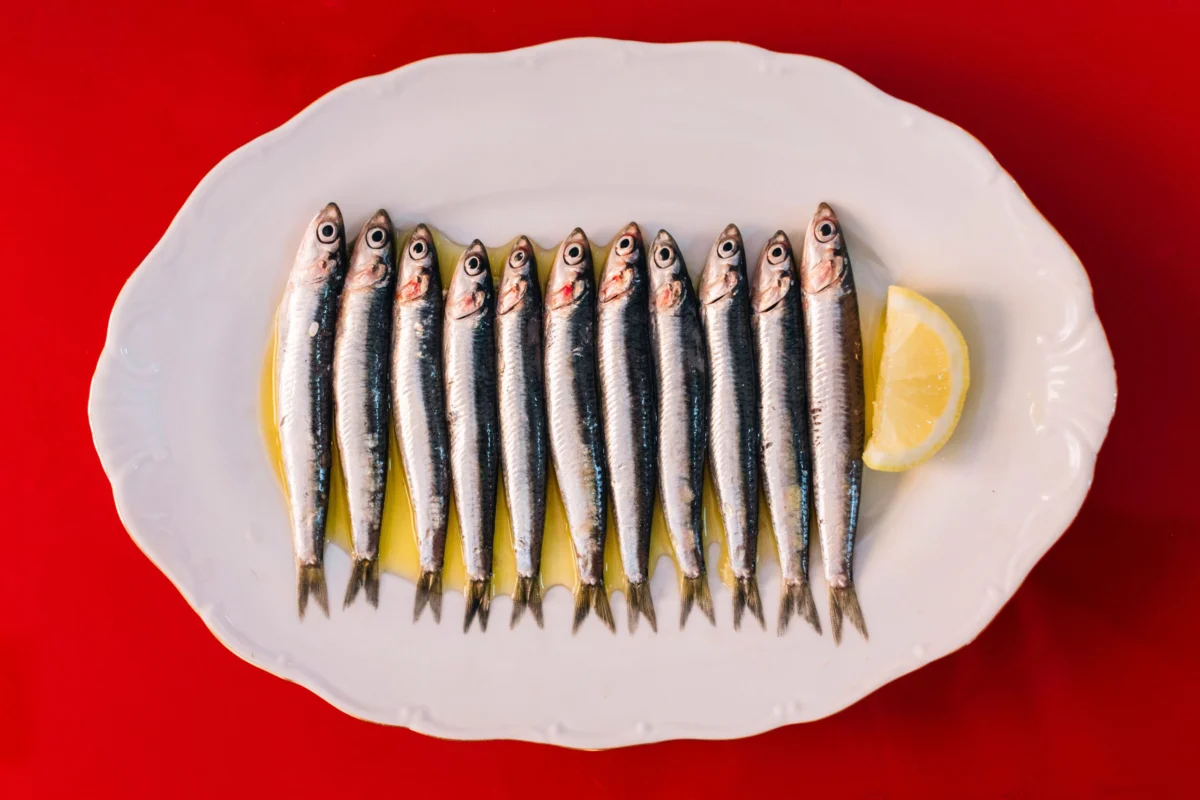
Sardines, once a humble staple, are currently experiencing a significant renaissance, transforming from a pantry afterthought into a celebrated healthy meal component and a trending culinary item. Adorned in aesthetically pleasing, often vibrantly designed tins, these small, protein-rich fish have quietly but firmly established themselves as a cornerstone of contemporary healthy eating. This ascendancy is not merely a fleeting trend but is rooted in a robust nutritional profile that offers profound benefits, extending from cardiovascular wellness to cognitive function and, notably, skin health. Their popularity is further bolstered by their inclusion in the "SMASH" acronym, which groups together sardines, mackerel, anchovies, salmon, and herring – a collection of fish renowned for their exceptional nutritional density.
The Nutritional Powerhouse: Diving Deep into Sardines’ Benefits
The primary allure of SMASH fish, and sardines in particular, lies in their abundant concentration of omega-3 fatty acids, specifically eicosapentaenoic acid (EPA) and docosahexaenoic acid (DHA). These polyunsaturated fats are essential, meaning the human body cannot produce them and must obtain them through diet. Omega-3s are critical for numerous physiological processes, acting as potent anti-inflammatory agents throughout the body. Their role in reducing systemic inflammation is multifaceted, impacting cellular function, hormone regulation, and immune response.
Beyond inflammation modulation, omega-3s are instrumental in improving heart health. Research consistently demonstrates their capacity to lower triglyceride levels, reduce blood pressure, decrease the risk of arrhythmias, and improve endothelial function, thereby contributing significantly to cardiovascular disease prevention. The American Heart Association, for instance, recommends consuming at least two servings of fatty fish per week to reap these cardiovascular benefits. Furthermore, DHA is a major structural component of the brain and retina, playing a vital role in supporting healthy brain function, cognitive processing, and visual acuity across all life stages.
The Skin Connection: From Inside Out Beauty
The anti-inflammatory prowess of omega-3 fatty acids extends directly to skin health, where they play a crucial role in enhancing the skin’s appearance and resilience. By reducing inflammation, omega-3s help mitigate conditions such as acne, rosacea, and eczema, which are often exacerbated by inflammatory processes. More specifically, these essential fatty acids contribute to strengthening the skin barrier, the outermost layer responsible for protecting against environmental aggressors and preventing excessive moisture loss. A robust skin barrier is paramount for maintaining hydration, elasticity, and a smooth, radiant complexion.
Kirsten Humphreys, a nutritionist associated with the UK-based supplement brand Bare Biology, underscores the comprehensive nutritional value of sardines. "Sardines are incredibly nutrient-dense," Humphreys states, highlighting their provision of "high-quality protein." Protein is fundamental for cellular repair and regeneration, including the continuous turnover of skin cells and the production of collagen and elastin, which are vital for skin structure and firmness.
A unique advantage of sardines is that they are typically consumed whole, bones and all, making them an excellent natural source of calcium. This is particularly beneficial for individuals who may struggle to meet their calcium requirements through dairy or other sources. Calcium, while primarily known for bone health, also plays a role in skin cell differentiation and barrier function. Complementing these benefits, sardines are also rich in vitamin D and selenium, two other essential micronutrients that are pivotal for overall health and specifically for skin integrity. Vitamin D contributes to immune regulation within the skin and has anti-inflammatory properties, while selenium acts as a powerful antioxidant.
Selenium and Antioxidant Defense
Selenium’s role as an antioxidant is particularly significant for skin health. Antioxidants are compounds that help protect cells from damage caused by free radicals, unstable molecules generated by metabolic processes and environmental factors like UV radiation, pollution, and stress. This cellular damage is known as oxidative stress.
As Humphreys explains, "Antioxidants help protect cells from oxidative stress that can affect the skin." When an imbalance occurs between skin-harming free radicals and skin-protecting antioxidants, oxidative stress can lead to long-term cellular damage, manifesting as premature aging, altered skin texture, and compromised skin function. By consuming antioxidant-rich foods like sardines, individuals can bolster their body’s defenses, providing a stronger protective force against free radical damage and maintaining youthful, healthy-looking skin.
The Broader Context: A Shift Towards Functional Foods
The rising popularity of sardines reflects a broader societal shift towards functional foods – those that offer health benefits beyond basic nutrition. Consumers are increasingly seeking out whole, minimally processed foods that deliver a wide spectrum of micronutrients and bioactive compounds. This trend is driven by a growing awareness of the interconnectedness of diet and overall well-being, including the burgeoning "skin from within" movement, which emphasizes the profound impact of nutrition on dermatological health. The convenience, affordability, and sustainability profile of sardines further contribute to their appeal in this evolving dietary landscape.
Navigating Dietary Preferences: Alternatives for the Sardine-Averse
Despite the undeniable health benefits, the distinctive taste and texture of sardines are not universally appealing. For those who find themselves cringing at the thought of consuming these small fish, Kirsten Humphreys offers brilliant news: a variety of other foods possess similar nutritional properties, allowing individuals to reap comparable health and beauty benefits without compromising their palate.
Oily Fish: The SMASH Siblings
If sardines are a no-go, their SMASH counterparts – mackerel, salmon, anchovies, and herring – provide an excellent alternative. These fish share the same hallmark characteristic of being "oily," meaning they are packed with the crucial omega-3 fatty acids (EPA and DHA). As Humphreys reiterates, these fats are instrumental in supporting a healthy inflammatory balance throughout the body, which directly translates to improved overall skin health. Salmon, in particular, is widely consumed and offers a milder flavor profile compared to sardines or anchovies, making it a more palatable option for many. Mackerel and herring also offer significant omega-3 content and are often more budget-friendly than salmon.
Brazil Nuts: A Selenium Powerhouse
For those seeking a potent dose of selenium, Brazil nuts stand out as an unparalleled source. Remarkably, consuming just one to three Brazil nuts can fulfill the average adult’s daily selenium quota. This powerful trace mineral is not only a crucial antioxidant but also plays a vital role in the healthy functioning of the thyroid gland, which regulates metabolism, energy, and skin health. Furthermore, selenium supports a robust immune system and contributes to optimal cognitive processing. Its antioxidant properties, as previously discussed, are particularly beneficial for the skin, helping to neutralize free radicals and protect against oxidative stress that can compromise skin integrity and accelerate aging. However, caution is advised, as excessive intake of selenium can lead to selenosis, highlighting the importance of moderation.
Eggs: A Versatile Micronutrient Hub
Eggs, long celebrated as a complete protein source, offer far more than just muscle-building amino acids. They are a true micronutrient powerhouse, containing a diverse array of vitamins and minerals, including a significant amount of vitamin D. This fat-soluble vitamin is essential for immune function, bone health, and, critically, for reducing inflammation. In the context of skin health, vitamin D helps regulate the immune response within the skin, potentially alleviating inflammatory skin conditions. Eggs also provide choline, important for brain health, and antioxidants like lutein and zeaxanthin, beneficial for eye health, further cementing their status as a valuable dietary inclusion.
Oysters: The Zinc Champion
For a concentrated source of zinc, look no further than oysters. "Oysters are high in zinc, a mineral that plays an important role in skin health and repair, wound healing, and immunity," explains Humphreys. Zinc is an indispensable trace mineral that acts as a cofactor for over 300 enzymes involved in critical bodily functions, including DNA synthesis, cell division, and protein metabolism – all processes fundamental to skin regeneration and repair. Its immune-modulating properties also contribute to a healthy inflammatory response, which can positively impact skin clarity and resilience. Furthermore, zinc is vital for collagen production and helps regulate oil glands, making it particularly beneficial for individuals prone to acne.
Extra Virgin Olive Oil: The Liquid Gold for Metabolic and Skin Health
Extra virgin olive oil (EVOO), a cornerstone of the Mediterranean diet, has garnered attention not only for its culinary versatility but also for its profound health benefits. While some trends advocate for consuming shots of olive oil, its consistent inclusion in daily meals is where its true power lies. "It’s rich in monounsaturated fats, which support overall metabolic health and help maintain stable blood sugar levels," Humphreys notes.
The connection between stable blood sugar and skin health is significant. Repeated spikes and crashes in blood sugar can contribute to systemic inflammation and advanced glycation end-products (AGEs), which can damage collagen and elastin, leading to premature aging and, in some individuals, exacerbating conditions like acne. By helping to stabilize blood sugar, EVOO can indirectly contribute to clearer, healthier skin.
Moreover, EVOO is packed with the antioxidant vitamin E and other polyphenols, such as oleocanthal, which possess anti-inflammatory properties. These antioxidants work synergistically to protect the skin from oxidative damage and support overall skin health. While the benefits are clear, Humphreys cautions against consuming large shots of olive oil, advocating instead for its regular incorporation into meals through dressings, cooking, and finishing dishes.
Conclusion: A Holistic Approach to Nutrition and Beauty
The renewed appreciation for sardines and other nutrient-dense foods underscores a broader understanding of how dietary choices profoundly influence not only internal health but also external appearance. The "skin from within" philosophy is gaining traction, with scientific evidence increasingly supporting the link between specific nutrients and dermatological well-being. Whether through the direct consumption of sardines or by strategically incorporating their nutritional counterparts, individuals have a wealth of options to nourish their bodies and skin. This holistic approach to health and beauty emphasizes the power of whole foods in fostering resilience, vitality, and a radiant complexion, moving beyond superficial solutions to embrace the foundational role of nutrition.
