
 By Eva Lovia
The question of how long tea remains viable, whether in its dried, packaged form or after brewing, is a common one for consumers navigating pantry staples and kitchen routines. This inquiry delves into the science of preservation, the impact of environmental factors, and the sensory cues that indicate a tea’s optimal consumption window. Understanding these elements allows for both the enjoyment of peak flavor and the avoidance of potential spoilage.
The Longevity of Dried Tea Leaves
Dried tea, encompassing a wide spectrum from herbal infusions to the more traditional black and green varieties, is fundamentally derived from plant matter that undergoes a dehydration process. This drying is crucial for preservation, significantly extending the potential lifespan of the leaves. When stored under ideal conditions, which include being kept in airtight containers, shielded from light and humidity, and maintained at consistent, cool temperatures, dried tea can retain its quality for up to two years. However, this ideal scenario is often challenged by real-world storage practices. Exposure to air, fluctuating humidity levels, direct sunlight, and excessive heat can accelerate the degradation of tea leaves. These environmental stressors can lead to a loss of volatile aromatic compounds, essential oils, and flavor profiles, rendering the tea less potent and less enjoyable.
The primary indicator of a dried tea’s freshness is its aroma. The human nose is remarkably adept at detecting subtle chemical changes, making it a valuable, albeit subjective, tool for assessing tea quality. Familiarizing oneself with the distinct scent of a tea when it is freshly purchased or opened is key. When in doubt about the age or condition of dried herbs or tea leaves, a simple olfactory test can provide significant insight. A fresh tea will typically exude a vibrant, characteristic aroma. Conversely, if the scent is faint, musty, or entirely absent, it suggests that the tea has lost its essential qualities.
While a tea that has lost its potency due to age is unlikely to pose a significant health risk, its consumption will result in a significantly diminished sensory experience. The brew will likely be flat, lacking the nuanced flavors and aromas that make tea a beloved beverage. This means that while drinking old tea might be considered a waste of resources—time, water, and energy—it is generally not a cause for concern regarding personal safety. The primary consequence is a less satisfying cup.
The Dynamic Nature of Brewed Tea
The shelf life of brewed tea is a more complex and time-sensitive matter, influenced by a confluence of factors including the type of tea used, the brewing method, and subsequent storage conditions. Unlike dried tea, which has been processed for longevity, brewed tea is an aqueous solution that is inherently more susceptible to microbial growth and degradation.
Aromatic Teas and Their Preservative Qualities:
Teas derived from plants with strong aromatic profiles, such as peppermint, chamomile, and lavender, tend to exhibit greater resilience after brewing compared to their less fragrant counterparts. This extended viability is attributed to the presence of volatile oils and other chemical constituents that impart characteristic aromas. These same compounds often possess natural antimicrobial and preservative properties. They act as a natural defense against the proliferation of bacteria and mold, thereby extending the safe consumption window for the brewed beverage. For instance, the menthol in peppermint or the apigenin in chamomile can contribute to a more stable infusion.
Non-Aromatic Teas and Their Susceptibility:
Conversely, teas made from herbs that lack significant volatile oils or strong aromatic compounds, such as nettles or red clover, are more prone to spoilage. These infusions are less likely to benefit from the inherent antimicrobial actions of their constituent plant matter. As a result, they can degrade relatively quickly, particularly if left at room temperature.
The Impact of Brewing and Storage Methods:
The way tea is brewed and subsequently stored plays a pivotal role in its post-brewing lifespan. A tea brewed in a sealed container, such as a jar, and then covered while still hot, creates a partial vacuum as it cools. This method can help to minimize airborne contamination and slow down oxidation. Such a tea might remain potable for an extended period, potentially overnight, and still be safe and enjoyable the following morning.
However, a stark contrast is observed when tea is brewed and left in an open mug. In this scenario, the surface area exposed to the air is significantly larger, increasing the potential for airborne contaminants, including bacteria, yeasts, and molds, to settle into the liquid. Furthermore, ambient temperature fluctuations can accelerate the growth of any microorganisms present. Consequently, tea left in an open mug overnight is far more likely to have undergone spoilage by the next day.
This distinction highlights a crucial practical difference: a mug of nettle tea, with its limited natural preservative qualities, might become undrinkable within a single day, especially if left at room temperature. In contrast, a peppermint tea, steeped and then properly refrigerated in a sealed container, could remain palatable and safe for consumption for several days.
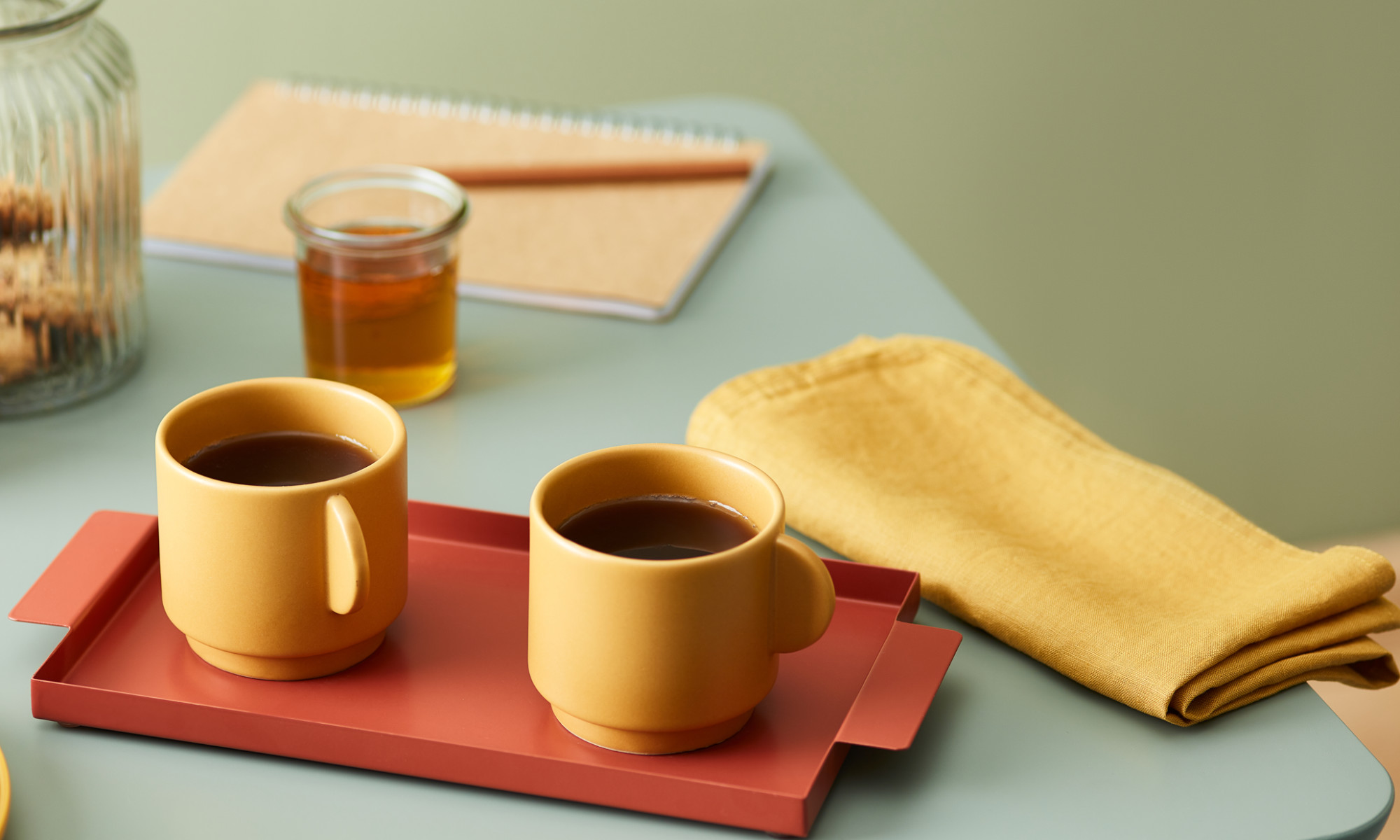
The fundamental principle remains consistent: trust your senses. When a tea begins to spoil, the changes are often detectable through smell and taste. A sour, off, or moldy odor is a clear indication that the tea is no longer safe to drink. Similarly, an unpleasant or bitter taste should be heeded as a warning sign.
Distinguishing Between Loose-Leaf and Bagged Teas
The debate between loose-leaf tea and bagged tea extends beyond personal preference to practical considerations regarding storage and freshness. Both formats have distinct advantages and disadvantages that influence how they are best maintained and consumed.
Bagged Teas: Convenience and Potential Drawbacks
Bagged teas offer unparalleled convenience. They are pre-portioned, easy to use, and require minimal cleanup. The tea leaves or fannings are contained within a permeable bag, typically made of paper or a synthetic material, which is then sealed.
Advantages of Bagged Teas:
- Convenience: Their primary appeal lies in their ease of use. They eliminate the need for tea infusers or strainers.
- Portability: Individual tea bags are easy to transport, making them ideal for travel, office settings, or on-the-go consumption.
- Portion Control: Each bag provides a single serving, simplifying the brewing process and reducing the likelihood of over-brewing.
Disadvantages of Bagged Teas:
- Leaf Quality: Many tea bags, particularly the less expensive varieties, contain lower-grade tea leaves, often referred to as fannings or dust. These smaller particles have a larger surface area exposed to air, which can lead to faster oxidation and a less nuanced flavor profile.
- Aroma Loss: The packaging of tea bags, while convenient, can sometimes be less effective at creating an airtight seal compared to specialized containers for loose-leaf tea. This can result in a gradual loss of aroma and flavor over time, even when stored properly.
- Material Concerns: Some concerns have been raised regarding the materials used in certain tea bags, particularly those made from plastics, which can potentially leach microplastics into the hot water.
Loose-Leaf Teas and Bulk Herbs: Quality and Storage Demands
Loose-leaf teas consist of whole or larger pieces of tea leaves and herbs, offering a more premium and often more flavorful experience. They require the use of an infuser or strainer during the brewing process.
Advantages of Loose-Leaf Teas:
- Superior Quality: Loose-leaf teas generally comprise higher-quality leaves, including whole leaves, buds, and larger fragments. This allows for a more complex and nuanced flavor profile and aroma, as the leaves have more space to unfurl and release their constituents during steeping.
- Better Aroma Retention: When stored in appropriate airtight containers, loose-leaf teas can maintain their freshness and aroma for extended periods. The larger leaf size also contributes to slower oxidation.
- Customization: Consumers have greater control over the amount of tea used, allowing for personalized strength and flavor.
- Environmental Friendliness: Opting for loose-leaf tea can reduce waste associated with disposable tea bags.
Disadvantages of Loose-Leaf Teas:
- Requires Infusers/Strainers: An additional piece of equipment is needed to brew loose-leaf tea, which can be an inconvenience for some.
- Messier Preparation: Measuring and handling loose leaves can be perceived as slightly messier than using pre-packaged bags.
- Storage Requirements: While they retain freshness better when stored properly, loose-leaf teas require specific airtight containers to protect them from air, light, and moisture. Improper storage can lead to rapid degradation.
A Concise Guide to Brewed Tea Consumption
To provide a practical framework for consumers, the following summary outlines recommended consumption timelines for brewed teas, contingent on their aromatic properties and storage conditions. These are general guidelines, and sensory evaluation remains the ultimate arbiter of freshness.
-
Aromatic Teas (e.g., peppermint, chamomile, lavender):
- Unrefrigerated: Consume within 24 hours.
- Refrigerated (in a sealed container): Can be safely consumed for up to four days.
-
Non-Aromatic Teas (e.g., nettle, red clover):
- Unrefrigerated: Consume within 12 hours.
- Refrigerated (in a sealed container): Can be safely consumed for up to two days.
It is imperative to reiterate that these timelines are approximations. When in doubt, especially as the tea approaches the upper limits of these suggested periods, rely on your olfactory and gustatory senses. If the aroma is off, or the taste is unpleasant, it is always best to err on the side of caution and discard the beverage.
The Art of Tea Management: Balancing Freshness and Waste
Mastering the art of purchasing and brewing tea in quantities that align with one’s consumption habits is a skill that develops over time. The goal is to ensure that tea is available when desired without sitting for prolonged periods, thereby compromising its quality. The information presented serves as a foundational guide, empowering consumers to make informed decisions. However, the nuances of tea freshness are ultimately best judged by individual senses. Embracing a degree of flexibility and accepting that occasional waste may occur is a practical approach to enjoying this ancient and beloved beverage. By understanding the factors that influence tea’s longevity, consumers can enhance their tea-drinking experience and minimize unnecessary spoilage.
