
 By admin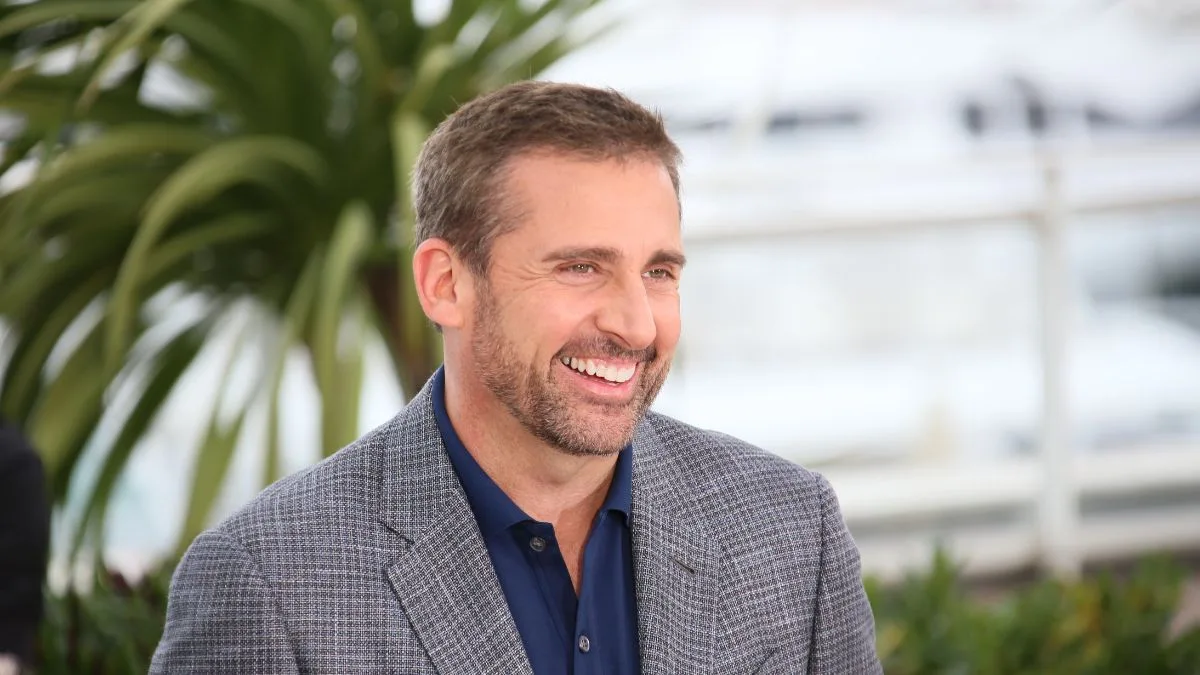
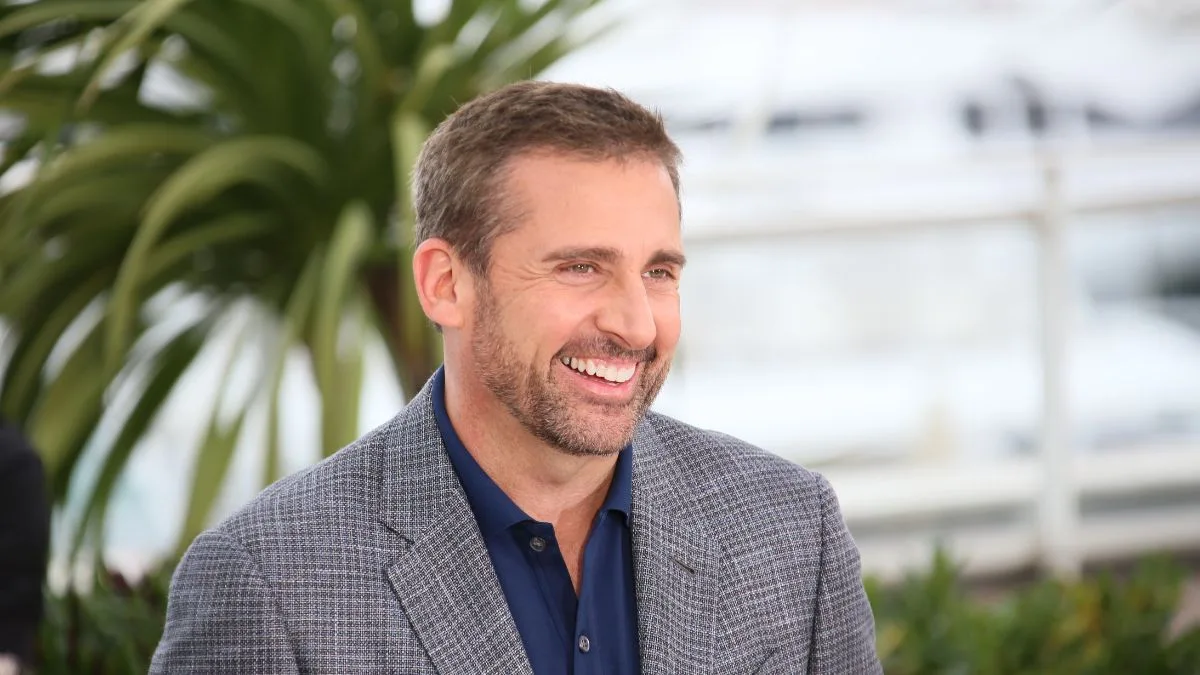
The beloved American sitcom The Office stands today as a towering cultural phenomenon, a testament to its unique blend of cringe comedy and heartfelt character development, yet its journey to iconic status was far from assured. In a recent revelation that underscores the precarious nature of television production, actor Steve Carell disclosed that his long-time friend and collaborator, Paul Rudd, strongly advised him against auditioning for the NBC series, believing that a U.S. remake of the critically acclaimed British original was destined for failure. This candid admission, shared during an appearance on Amy Poehler’s podcast, peels back the curtain on the widespread skepticism that plagued the show’s nascent stages, offering a compelling narrative of creative risk-taking and the ultimate triumph of an underdog.
The Shadow of a Masterpiece: The UK Original’s Dominance
To fully grasp the weight of Paul Rudd’s warning, it is essential to understand the formidable legacy of the British The Office. Co-created by Ricky Gervais and Stephen Merchant, the original series, which first aired in 2001, was a groundbreaking mockumentary that redefined workplace comedy. Starring Gervais as the insufferable but strangely endearing regional manager David Brent, the show captivated audiences with its unflinching portrayal of mundane office life, punctuated by excruciating social awkwardness, existential ennui, and flashes of unexpected poignancy. It was a critical darling, winning numerous awards, including two Golden Globes, and achieving cult status internationally. Its impact was profound, influencing a generation of comedians and writers with its unique comedic rhythm and commitment to realism.
The British version’s success created a double-edged sword for any potential American adaptation. On one hand, it proved the concept’s viability; on the other, it set an impossibly high bar. Industry insiders and audiences alike questioned whether the distinctly British humor, often rooted in class distinctions and a particular brand of dry wit, could translate across the Atlantic without losing its essence. Many feared that an Americanized version would dilute the sharp satire, simplify the complex characters, or, worse yet, devolve into a pale imitation. This pervasive sentiment contributed significantly to the climate of doubt that surrounded NBC’s ambitious project. The "curse" of failed American remakes of successful British comedies was a well-known phenomenon in Hollywood, adding another layer of trepidation. For many, The Office seemed destined to join the ranks of those adaptations that struggled to find their voice and ultimately failed to capture the magic of their predecessors.
The Genesis of Dunder Mifflin: Adapting a Global Hit
Despite the widespread skepticism, NBC pressed forward with its plans for an American adaptation, entrusting the formidable task to Greg Daniels, a veteran writer and producer known for his work on The Simpsons and King of the Hill. Daniels faced the daunting challenge of retaining the core spirit of the original while imbuing it with a distinctly American sensibility and expanding its narrative scope beyond the two seasons of the British version. His vision was not merely to replicate but to evolve, to explore the emotional depths of the characters and the unique dynamics of an American workplace.
The casting process was critical and, as Carell’s anecdote reveals, fraught with uncertainty. Finding an actor who could embody the cringe-worthy yet ultimately sympathetic qualities of a regional manager, a character who would inevitably be compared to Ricky Gervais’s iconic David Brent, was paramount. Steve Carell, already a respected comedic actor known for his roles in Anchorman: The Legend of Ron Burgundy and The Daily Show with Jon Stewart, emerged as a leading candidate for the role of Michael Scott. However, even with a talent like Carell attached, the project struggled to shed its early doubts. The industry chatter, as corroborated by Amy Poehler, suggested a pervasive lack of confidence that the American version could ever escape the shadow of its British progenitor. Many believed it was a fool’s errand, an unnecessary tampering with a perfect original.
Paul Rudd’s Prescient, Yet Mistaken, Counsel
Steve Carell’s revelation vividly captures the specific nature of this industry doubt. "Rudd pulled me aside and said, ‘Don’t do it. Don’t audition.’ There was just no confidence it would work," Carell recounted on Poehler’s podcast. This wasn’t merely a casual comment but a direct warning from a peer who understood the landscape of Hollywood and the particular challenges of adapting a beloved foreign property. Both Carell and Rudd were established comedic actors at the time, their careers on an upward trajectory. Rudd’s advice stemmed not from malice but likely from a well-intentioned concern for his friend’s career, fearing that Carell might be attaching himself to a project doomed to fail.
Amy Poehler, a prominent figure in the comedy world herself and a close colleague of both actors, concurred with the sentiment, noting that "many in the industry felt the same way at the time." This collective apprehension was multi-faceted. Beyond the fear of failing to replicate the British magic, there was a concern about the marketability of such an awkward, character-driven comedy in an American network television landscape accustomed to more traditional, laugh-track-laden sitcoms. The mockumentary style itself was still relatively novel for a mainstream U.S. comedy, adding another layer of risk. The initial scripts, while promising, faced the challenge of establishing a distinct tone that honored the original while forging its own identity. The perceived lack of a clear pathway to success made Paul Rudd’s warning a logical, if ultimately incorrect, assessment of the situation. It highlighted a significant moment where an actor had to weigh the advice of a trusted peer against his own intuition and the potential of a project.
Crafting Michael Scott: A Deliberate Avoidance of Imitation
In a move that proved pivotal to the show’s eventual success, Steve Carell made a conscious and deliberate decision to avoid watching the British version of The Office extensively before his audition and throughout his tenure on the show. He explained his reasoning, stating that after viewing only a short clip of Ricky Gervais as David Brent, he immediately stopped. "He was so good… I thought if I watched more, I’d just imitate him," Carell admitted. This instinctual decision prevented him from falling into the trap of mimicry, a common pitfall for actors taking on roles made famous by another performer.
Instead, Carell focused on building his own version of the regional manager, Michael Scott, from the ground up. This approach allowed him to interpret the character through an American lens, injecting Scott with a distinct blend of childlike innocence, deep-seated insecurity, and an often-misguided desire to be loved. While David Brent was largely defined by his delusions of grandeur and cringeworthy self-awareness, Michael Scott evolved into a character whose core motivation was a desperate need for friendship and familial connection, often masked by inappropriate humor and managerial incompetence. Carell’s commitment to creating an original portrayal, rather than an homage, allowed Michael Scott to become a beloved and complex character in his own right, one that resonated deeply with American audiences and distinguished the U.S. series as more than just a carbon copy. This creative autonomy was crucial in allowing the show to develop its own unique comedic voice and emotional depth.
The Rocky Start: Initial Disdain and the Brink of Cancellation
Despite the innovative casting approach and Greg Daniels’ clear vision, The Office indeed had a rough start, validating some of the early industry fears. When it premiered in March 2005, the initial reception was lukewarm at best, and in some quarters, actively hostile. Carell himself recalled, "People really hated it. They actively hated it." The pilot episode, a near shot-for-shot remake of the British original’s first episode, inadvertently played into the fears of imitation, leading many critics and viewers to dismiss it as an inferior copy. Early reviews often criticized Michael Scott for being too mean or unlikeable, a stark contrast to the more overtly lovable, albeit flawed, protagonists of traditional American sitcoms.
The ratings were not promising either, placing the show squarely on the bubble for cancellation after its six-episode first season. Its mockumentary style, with its often-subtle humor and lack of a laugh track, was initially jarring for audiences accustomed to more conventional comedic formats. The show’s commitment to realism, often highlighting the awkward silences and uncomfortable truths of office life, was a hard sell in an era dominated by more escapist fare. The immediate critical and popular reaction indicated that The Office had not yet found its footing or its audience. It narrowly avoided cancellation, largely due to strong backing from NBC executives who saw the potential beneath the initial struggles, particularly after the success of Carell’s film The 40-Year-Old Virgin boosted his profile. This vote of confidence allowed the show to move forward, albeit precariously, into a second season, where it would finally begin to forge its own path.
Evolution and Elevation: Finding Its Unique Voice
The second season proved to be the turning point for The Office. Recognizing the need to differentiate itself from its British predecessor and to make its characters more appealing to American audiences, the creative team, led by Greg Daniels, began to subtly yet significantly evolve the show’s tone. Michael Scott, while still prone to gaffes and inappropriate behavior, was given more layers of vulnerability and a deeper yearning for connection, making him more sympathetic. The ensemble cast, including characters like Jim Halpert, Pam Beesly, Dwight Schrute, and Angela Martin, began to receive more screen time and richer character arcs, allowing their individual personalities and inter-office relationships to blossom.
The show leaned into its mockumentary format, using the confessional interviews and direct address to the camera to explore characters’ inner thoughts and emotions, adding depth that went beyond mere comedic observations. The romantic storyline between Jim and Pam, in particular, became a central emotional anchor, drawing viewers in with its relatable will-they-won’t-they dynamic. This shift, combined with sharper writing and a growing confidence in its own comedic rhythm, resonated powerfully. Ratings steadily improved, and critical reception swung dramatically from lukewarm to overwhelmingly positive. The Office began accumulating awards, including the Emmy for Outstanding Comedy Series in 2006, cementing its status as a critical darling and a popular success. It had successfully navigated the tricky waters of adaptation, transforming initial skepticism into widespread acclaim by finding its unique voice and embracing its own identity.
Shaping an Exit: Steve Carell’s Vision for Michael Scott’s Farewell
Steve Carell’s influence on The Office extended beyond his iconic portrayal of Michael Scott; he also played a significant role in shaping his character’s departure. After seven successful seasons, Carell made the decision to leave the show, a move that sent ripples through the fan base and the industry. Recognizing the importance of a meaningful farewell for such a beloved character, Carell worked closely with producer Greg Daniels for a full year leading up to his exit to plan Michael Scott’s goodbye.
His vision for Michael’s final episode, "Goodbye, Michael," was remarkably understated and deeply personal. Carell insisted that Michael’s exit shouldn’t be a grand, celebratory affair, but rather a series of quiet, individual goodbyes to his Dunder Mifflin colleagues. "He doesn’t need the party… he wants to say goodbye in his own way," Carell articulated. This creative choice allowed for incredibly poignant and intimate moments, such as Michael’s unspoken farewell to Pam at the airport, or his last interactions with Jim, Dwight, and Erin. The episode brilliantly captured the essence of Michael Scott – his often-misguided attempts at connection finally culminating in genuine, heartfelt expressions of affection and growth. It provided a sense of closure that felt earned and authentic, solidifying Michael Scott’s character arc from an obnoxious boss to a man who, despite his flaws, genuinely cared for his makeshift office family. This subtle and heartfelt exit remains one of the show’s most memorable and emotionally resonant moments, a testament to Carell’s deep understanding of his character and his collaboration with the show’s creative team.
The Office’s Enduring Legacy: A Cultural Cornerstone and Career Catalyst
Against all early odds and industry skepticism, The Office evolved into a television powerhouse, leaving an indelible mark on popular culture and the entertainment industry. Its lasting impact is multifaceted:
Firstly, it became a cultural touchstone, transcending its original broadcast run to achieve even greater popularity through streaming services. Millions continue to discover, re-watch, and quote the show, cementing its place in the pantheon of classic television. Its moments, characters, and catchphrases are ubiquitous in memes, social media, and everyday conversation, demonstrating its profound penetration into the cultural zeitgeist.
Secondly, The Office served as a pioneering force in television comedy. Its success with the single-camera, mockumentary format without a laugh track paved the way for a new generation of smart, character-driven sitcoms, directly influencing shows like Parks and Recreation, Modern Family, and Brooklyn Nine-Nine. It demonstrated that audiences were ready for more nuanced humor and serialized storytelling within the comedy genre.
Thirdly, the show proved to be an unparalleled career launchpad for its incredibly talented ensemble cast. Beyond Steve Carell, actors like John Krasinski (Jim Halpert), Jenna Fischer (Pam Beesly), Rainn Wilson (Dwight Schrute), Mindy Kaling (Kelly Kapoor), B.J. Novak (Ryan Howard), Ed Helms (Andy Bernard), and Ellie Kemper (Erin Hannon) saw their careers skyrocket. Many went on to star in major films, create their own successful series, or become sought-after writers and directors, a testament to the show’s ability to foster and showcase talent.
Finally, The Office became an economic juggernaut. Its immense popularity in syndication and on streaming platforms has generated billions of dollars in revenue, making it one of the most valuable television properties of the 21st century. The intense competition among streamers for its rights underscores its enduring commercial appeal and demonstrates the long-term financial dividends of a creatively successful show.
For aspiring actors, writers, and creators, the story behind The Office is a powerful reminder that conventional wisdom and initial industry sentiment do not always dictate a project’s ultimate fate. It illustrates that even projects perceived as risky, unoriginal, or unpopular in their infancy can, through creative vision, resilience, and a willingness to evolve, transform into massive, enduring successes that define careers and shape the industry for decades to come.
Final Thoughts: The Triumph of Instinct Over Skepticism
Paul Rudd’s well-intentioned warning to Steve Carell serves as a poignant historical footnote, highlighting the profound uncertainty that shrouded The Office in its early days. It underscores the subjective nature of creative foresight and the inherent risks involved in adapting beloved properties. Yet, by trusting his instincts, by consciously choosing to forge his own path for Michael Scott, and by committing to a vision that allowed the show to evolve beyond its initial struggles, Steve Carell, alongside Greg Daniels and the entire creative team, helped transform a doubted remake into a global phenomenon.
The journey of The Office from a cautiously approached adaptation to a universally adored classic is a compelling narrative of perseverance, creative courage, and the unpredictable alchemy of television production. It teaches us that sometimes, the projects that face the most skepticism and are initially "actively hated" possess the greatest potential to defy expectations, carve out a unique identity, and ultimately define careers and change the industry landscape for generations. It is a powerful testament to the idea that true innovation often begins where conventional wisdom ends.
