
 By admin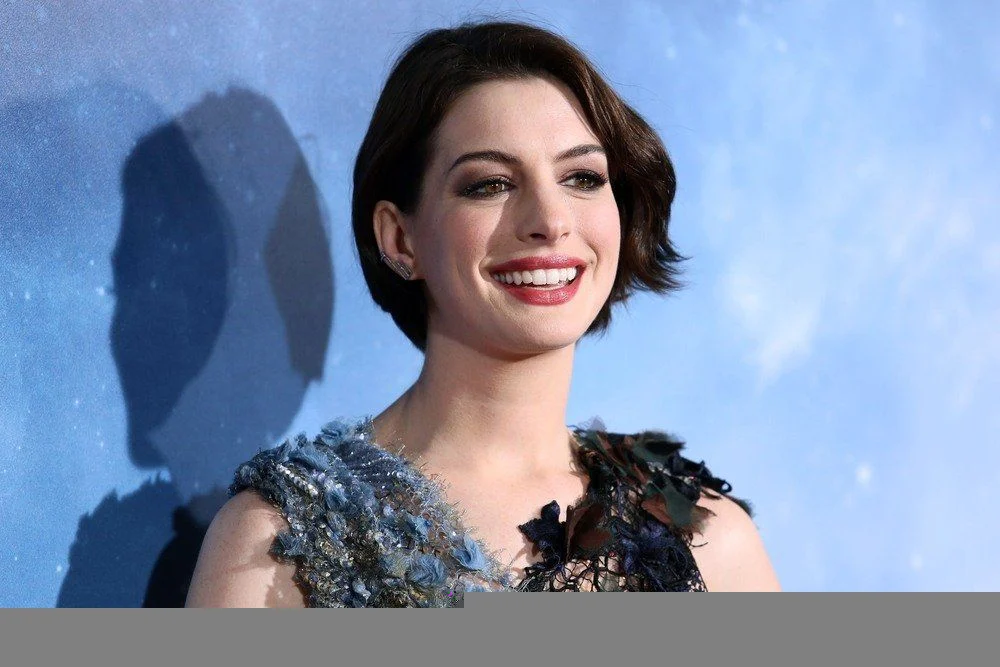
Oscar-winning actress Anne Hathaway has offered illuminating insights into her perspective on potentially reprising her iconic role as Andrea "Andy" Sachs in a much-anticipated sequel to the 2006 blockbuster The Devil Wears Prada. Speaking in a recent interview, Hathaway revealed a profound shift in her personal connection to the character, suggesting that both she and Andy have undergone significant evolutions since the original film’s release nearly two decades ago. This candid reflection comes amidst a period of diverse career endeavors for Hathaway, including an upcoming role as a pop star in the psychological drama Mother Mary, for which she has sought authentic insights from contemporary music artists.
The Enduring Legacy of The Devil Wears Prada
The Devil Wears Prada, released in June 2006, swiftly cemented its status as a cultural phenomenon. Directed by David Frankel and based on Lauren Weisberger’s 2003 novel, the film offered a biting, yet often humorous, glimpse into the cutthroat world of high fashion journalism, personified by the formidable editor-in-chief Miranda Priestly, portrayed with chilling brilliance by Meryl Streep. The narrative followed Andrea Sachs, a bright-eyed, aspiring journalist fresh out of Northwestern University, who inadvertently lands a job as Priestly’s junior personal assistant at the fictional Runway magazine. Andy, initially dismissive of the fashion industry’s perceived superficiality, finds herself navigating a relentless gauntlet of impossible demands, extreme pressure, and a profound personal transformation, both sartorially and professionally.
The film was a resounding commercial success, grossing over $326 million worldwide against a production budget of $41 million. Critically, it was lauded for its sharp script, impeccable costume design, and particularly for the performances of its lead trio: Streep earned an Academy Award nomination for Best Actress, Hathaway garnered widespread acclaim for her nuanced portrayal of Andy’s journey, and Emily Blunt captivated audiences as the perpetually stressed senior assistant, Emily Charlton. Beyond its box office numbers, The Devil Wears Prada transcended mere entertainment, becoming a touchstone for discussions on workplace dynamics, mentorship, ambition, and the often-unseen sacrifices required to succeed in high-pressure industries. Its influence permeated pop culture, with lines from the film becoming instantly recognizable memes and its exploration of fashion power structures remaining relevant to this day.
A New Perspective: Andy Sachs, Two Decades Later
Hathaway’s current reflections suggest that a potential sequel would not merely be a rehash but rather an exploration of growth and maturity. She articulated a newfound kinship with Andy, stating, "I think we’re both more confident." This statement hints at a significant departure from the Andy Sachs audiences knew in 2006, who, despite her eventual defiance, was often characterized by a nervous eagerness to please and an underlying insecurity as she tried to "get it right" in an unfamiliar and intimidating environment.
The original film meticulously charted Andy’s metamorphosis from a frumpy outsider to a polished, fashion-savvy insider, only for her to ultimately reject the industry’s more corrosive aspects in favor of her authentic self and original journalistic aspirations. Her dramatic exit from Miranda’s car in Paris, throwing her phone into a fountain, symbolized her refusal to compromise her values for professional advancement.
Hathaway now posits that the contemporary Andy Sachs would operate from a different foundational mindset. "I think that 20 years ago Andy Sachs was really worried about getting it right… now she wants to be herself. And I relate to that," Hathaway elaborated. This shift from external validation to internal authenticity is a powerful narrative thread, particularly relevant in an era that increasingly values self-expression, mental well-being, and genuine identity over performative perfection. For an actress like Hathaway, who has navigated the demanding landscape of Hollywood since her breakout roles, this personal evolution mirrors the character’s journey. Having achieved critical acclaim, commercial success, and embraced motherhood, Hathaway’s own confidence and self-assurance have visibly grown, allowing her to connect with a more mature version of Andy.
The Character’s Evolution and Broader Societal Themes
The proposed evolution of Andy Sachs from a people-pleaser to an individual grounded in self-expression and authenticity is particularly resonant. In 2006, workplace culture, particularly in high-stakes fields like fashion, often emphasized conformity and adherence to rigid hierarchies. The idea of "being yourself" was often secondary to climbing the corporate ladder. Today, however, there’s a greater societal emphasis on individuality, work-life balance, and fostering environments where employees feel empowered to contribute their unique perspectives.
Should a sequel materialize, this character arc could provide a compelling lens through which to examine how industries like fashion have evolved, or perhaps resisted evolution, over two decades. An Andy Sachs focused on authenticity would likely challenge existing paradigms, whether as an established journalist, an editor, or even an entrepreneur, bringing her unique, seasoned perspective to bear on contemporary issues within the industry. This could include discussions on sustainable fashion, diversity and inclusion, the impact of social media, or the shifting power dynamics between creators and corporations. The film could explore how a confident, authentic individual navigates a world still grappling with external pressures and superficiality, offering a powerful message about staying true to oneself in the face of professional demands.
Behind the Scenes: Anticipation for a Reunion
The prospect of a sequel has been a recurring topic of discussion among fans and cast members alike for years. The original article mentions the reunion of Hathaway with co-stars Emily Blunt and Meryl Streep, igniting immense excitement among the fan base. The chemistry between the three actresses was a cornerstone of the original film’s success, and the idea of seeing them reprise their roles—especially Streep as the iconic Miranda Priestly—is a powerful draw. While no official production timeline or green light has been publicly announced for a sequel, Hathaway’s comments fuel the fervent hope that a follow-up is not just a dream but a tangible possibility.
Such a reunion would not only capitalize on nostalgia but also offer a fresh narrative opportunity. What would Miranda Priestly be like in the 2020s? How would Emily Charlton, Andy’s former colleague, have fared in the fashion world? The potential for revisiting these beloved characters, now older and presumably wiser (or perhaps more entrenched in their ways), offers rich storytelling possibilities.
Hathaway also shared a charming, albeit slightly bittersweet, behind-the-scenes detail: a unique Phoebe Philo design, a standout wardrobe piece for her during filming, ultimately didn’t make it into the final cut. Phoebe Philo, known for her minimalist yet luxurious aesthetic and her transformative tenure at Céline (now Hedi Slimane’s Celine) and Chloé, represents a significant force in contemporary fashion. Her designs are often characterized by their clean lines, sophisticated tailoring, and timeless appeal, embodying a quiet confidence that resonates with Hathaway’s description of the evolved Andy. The inclusion of a Philo piece, even if ultimately cut, speaks to the meticulous attention to detail in the original film’s costume design, which was instrumental in visually charting Andy’s transformation and establishing the authentic world of Runway. The absence of a specific beloved piece might spark curiosity among fans, potentially leading to future revelations about the extensive wardrobe choices considered for the original film.
Venturing into the Music World: ‘Mother Mary’
Beyond the potential return to the world of Runway, Anne Hathaway is actively engaged in a new, distinct challenge: her role in the psychological drama Mother Mary. In this film, she takes on the complex character of a pop star, a departure from many of her previous dramatic roles. To prepare for this immersive role, Hathaway engaged in direct consultation with acclaimed British pop artist Charli XCX. This collaboration underscores Hathaway’s commitment to authenticity and her method of delving deep into the realities of the industries her characters inhabit.
Charli XCX, known for her experimental pop sound, prolific songwriting, and status as an independent and influential figure in the music industry, offers a unique perspective. Her career has navigated the mainstream while retaining an avant-garde edge, making her an ideal confidante for an actress seeking to understand the multifaceted life of a contemporary pop star. Hathaway explained her motivation for this interaction: "I wanted to talk to her about what the experience of being a pop star was like." This approach reflects a growing trend among actors to conduct thorough, real-world research, moving beyond superficial portrayals to capture the genuine essence of their characters’ professions.
A New Appreciation for the Craft of Music Performance
Hathaway’s preparation for Mother Mary has evidently yielded a profound appreciation for the dedication and resilience inherent in the music world. Her conversations with Charli XCX and her own immersive research have led her to describe pop stars not merely as entertainers, but as "endurance athletes." This powerful analogy highlights the demanding physical and mental stamina required for touring, performing, and maintaining a public persona under intense scrutiny. The rigorous schedules, vocal demands, choreography, and emotional labor involved in sustained performance careers are often underestimated by the public.
Furthermore, Hathaway emphasized that pop stars are "incredibly driven to share what’s inside of them." This speaks to the artistic impulse, the vulnerability, and the deeply personal connection many musicians have with their craft and their audience. It’s a reminder that beneath the glitz and glamour lies a profound commitment to artistic expression and a desire to connect on a visceral level. This newfound respect for the performing arts, particularly in the music realm, is likely to inform Hathaway’s performance in Mother Mary, allowing her to imbue her character with a nuanced understanding of the joys, pressures, and profound artistic drive of a pop star. This insight could also subtly influence her approach to acting, drawing parallels between the emotional and physical demands of both professions.
Implications for Actors and the Industry
Anne Hathaway’s dual focus on revisiting a beloved character and embarking on a fresh, challenging role carries significant implications for her career trajectory and for the broader entertainment industry. Her reflections on Andy Sachs’s evolution underscore a vital takeaway for actors: that personal growth and self-confidence are not just beneficial but often crucial for long-term success and artistic depth. Actors who cultivate these qualities can bring new layers to established roles, preventing their performances from becoming stagnant or repetitive. Hathaway’s ability to reconnect with Andy Sachs through a lens of greater confidence and authenticity promises a more mature and compelling portrayal should the sequel move forward.
The decision to revisit a character years later, as Hathaway is poised to do with Andy Sachs, is a common strategy in Hollywood, driven by both creative desire and commercial viability. It allows actors to demonstrate their range and growth, breathing new life into roles that audiences have cherished. Success in this endeavor, exemplified by actors like Harrison Ford returning to Indiana Jones or Mark Hamill to Luke Skywalker, can cement an actor’s legacy and appeal. Conversely, a forced or uninspired return can detract from the original’s impact. Hathaway’s considered approach suggests a commitment to ensuring Andy’s evolution feels organic and meaningful.
Moreover, Hathaway’s active pursuit of authenticity in Mother Mary by collaborating with real-world artists like Charli XCX highlights a professional dedication to craft that resonates deeply within the acting community. This commitment to research and immersion enriches performances, making characters more believable and engaging. It also signals a desire to push boundaries and explore diverse roles, preventing typecasting and demonstrating versatility. For an actress of Hathaway’s stature, these choices reinforce her reputation as a thoughtful and dedicated artist, capable of navigating both commercial blockbusters and critically acclaimed dramas.
The ongoing speculation about a Devil Wears Prada sequel also underscores the power of intellectual property and audience demand in the modern entertainment landscape. Studios are increasingly looking to proven franchises to mitigate risk, and the enduring affection for The Devil Wears Prada makes a sequel a potentially lucrative venture. However, the creative challenge lies in crafting a narrative that respects the original while offering something fresh and relevant. Hathaway’s insights into Andy’s character evolution suggest a potential storyline that could achieve this delicate balance, focusing on themes of personal growth and identity that transcend the specifics of the fashion world.
Conclusion: A Confident Future for Hathaway and Her Characters
As anticipation continues to build for a potential Devil Wears Prada sequel, Anne Hathaway’s thoughtful reflections on her evolving connection to Andrea Sachs provide a compelling narrative framework. Her vision of a more confident and self-assured Andy at the center promises a sequel that could delve deeper into themes of personal growth, identity, and authenticity within high-pressure industries. This perspective not only honors the beloved original but also offers a timely message about navigating professional and personal landscapes with integrity.
Concurrently, Hathaway’s immersive preparation for Mother Mary exemplifies her dedication to her craft and her willingness to explore new artistic territories. Her newfound appreciation for the resilience and artistic drive of pop stars reflects a personal and professional growth that will undoubtedly enrich her performance. Both projects, in their distinct ways, highlight Hathaway’s commitment to portraying characters with depth and authenticity. Her journey, mirroring that of her iconic character, suggests a future where both Anne Hathaway and the roles she embodies continue to evolve, inspire, and resonate with audiences worldwide.
