
 By admin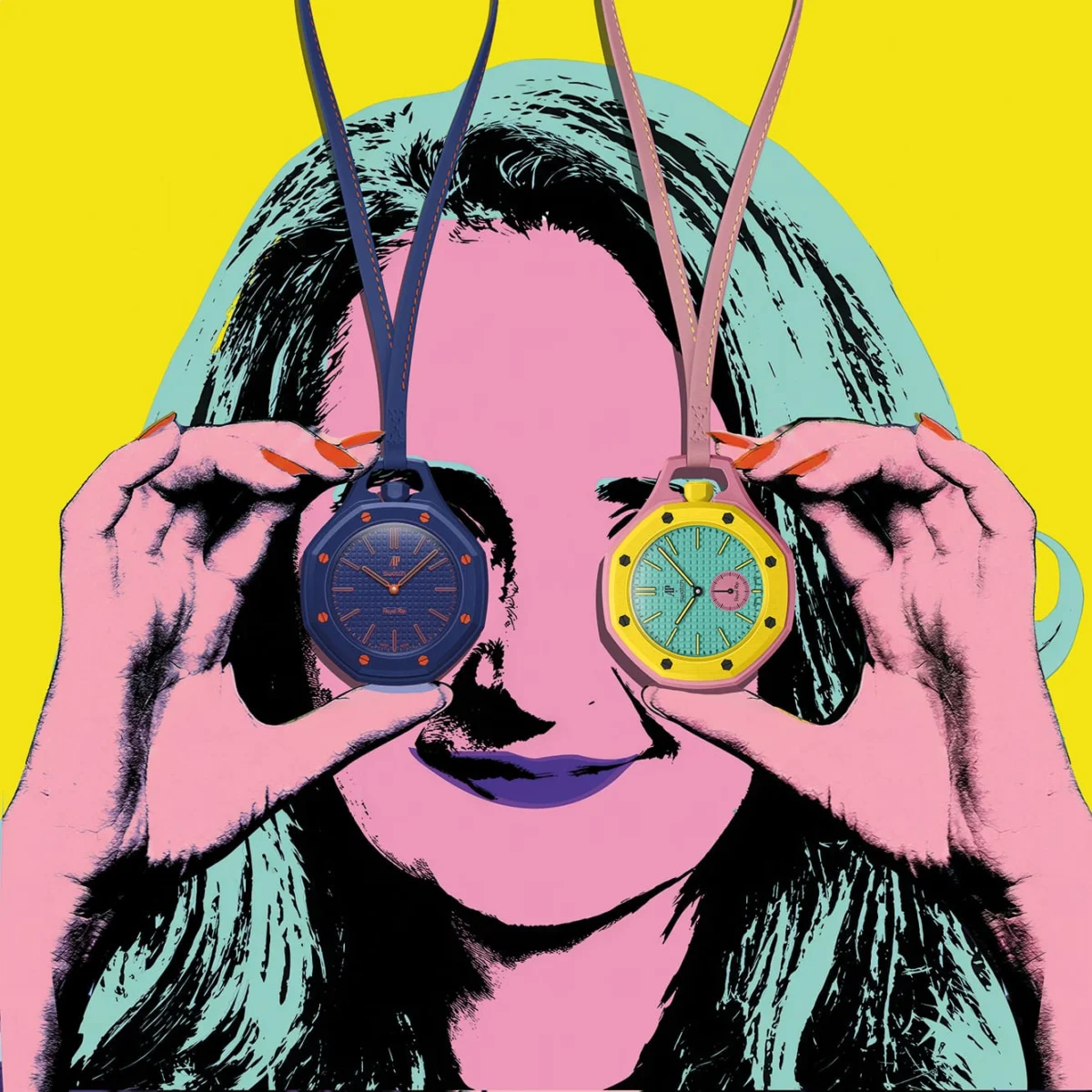
The global horological community has been thrust into a state of intense debate following the release of the "Royal Pop," a collaborative project between the Swiss mass-market giant Swatch and the venerable high-horology house Audemars Piguet. Departing significantly from traditional industry norms, the Royal Pop is not a wristwatch, nor is it crafted from the stainless steel or precious metals typically associated with Audemars Piguet’s iconic Royal Oak. Instead, the collection utilizes Swatch’s proprietary Bioceramic material and reimagines the legendary octagonal design as a series of pocket watches and pendants. While the collaboration aims to democratize high-end design and fund the education of future watchmakers, the launch was marred by significant retail disruptions, echoing the chaotic scenes witnessed during the 2022 MoonSwatch release.
Technical Specifications and Design Philosophy
The Royal Pop collection consists of eight distinct pieces, each drawing heavy inspiration from the Gérald Genta-designed Royal Oak, which debuted in 1972. The most striking departure from the source material is the form factor; the Royal Pop is designed as a "savonnette" style pocket watch that can be converted into a pendant or a desk clock. This choice reinforces the "Pop" branding, referencing Swatch’s historic "Pop Swatch" line from the 1980s, which encouraged modularity and unconventional wearing styles.

The cases are constructed from Bioceramic, a material composed of two-thirds ceramic and one-third bio-sourced plastic derived from castor oil. This material provides a matte, lightweight finish that allows for a vibrant array of colors, ranging from the somber "Ocho Negro" to the more flamboyant "Otg Roz." Despite the change in material, the signature octagonal bezel and hexagonal screws remain central to the aesthetic. The dials feature a faithful replication of Audemars Piguet’s "Tapisserie" motif, a square-patterned guilloché that has been a hallmark of the Royal Oak for over five decades.
Internally, the Royal Pop is powered by the Swatch Sistem51 movement. This mechanical caliber is notable for being the first mechanical movement with entirely automated assembly. It consists of exactly 51 components anchored by a single central screw and offers a robust 90-hour power reserve. By utilizing a mass-produced, non-serviceable movement within a case design that mimics one of the world’s most expensive luxury watches, the collaboration sits at a unique intersection of disposable fashion and "Holy Trinity" horology.
Chronology of the Launch and Retail Volatility
The announcement of the Royal Pop followed months of industry speculation. After the unprecedented success of the Omega MoonSwatch in 2022 and the Blancpain Scuba Fifty Fathoms in 2023, rumors began to circulate that the Swatch Group was seeking a partner outside of its own corporate umbrella. Audemars Piguet, one of the few remaining major independent Swiss brands, emerged as the partner for a 2026 release.

The launch sequence followed a familiar, albeit controversial, pattern:
- Teaser Phase: Cryptic social media posts featuring the "Tapisserie" pattern in bright primary colors appeared three weeks prior to the launch.
- Official Reveal: The product was unveiled not at a trade show, but via a digital drop, emphasizing its appeal to a younger, tech-savvy demographic, often referred to as Gen Alpha.
- The Launch Day: On the day of the release, thousands of enthusiasts and professional resellers congregated at select Swatch boutiques in major global hubs including Tokyo, London, New York, and Singapore.
- Disruption: Similar to the MoonSwatch debut, crowd control measures proved insufficient. In several cities, local law enforcement was forced to intervene as queues became unmanageable. Riots were reported in at least three locations, leading to the immediate closure of flagship stores for "safety reasons."
Critics have pointed out that despite the lessons learned from previous collaborations, the "scarcity by design" model continues to pose physical risks to retail staff and consumers. However, Swatch executives have consistently maintained that the excitement generated by these events is a testament to the enduring relevance of Swiss watchmaking in the digital age.
Philanthropic Integration and Corporate Strategy
One of the most distinctive aspects of the Royal Pop collaboration is the financial arrangement between the two brands. Audemars Piguet has publicly stated that it is not retaining any profits from the sale of these watches. Instead, the revenue generated for the brand is being funneled directly into the Audemars Piguet Foundation, with a specific mandate to fund the vocational training and education of the next generation of watchmakers.

This move addresses a critical bottleneck in the luxury industry: a severe shortage of skilled watchmakers capable of servicing complicated mechanical timepieces. By leveraging the high-volume sales of a Swatch collaboration to fund traditional craft education, Audemars Piguet is attempting to balance its "disruption" of the brand’s exclusivity with a commitment to the industry’s long-term survival.
From a strategic standpoint, the Royal Pop serves as a powerful marketing tool. The Audemars Piguet Royal Oak is currently one of the most difficult watches to acquire at retail, often requiring years of "relationship building" with authorized dealers. The Royal Pop provides a low-barrier entry point for younger consumers to engage with the brand’s design language, potentially fostering brand loyalty decades before they are financially capable of purchasing a traditional Royal Oak.
Market Reaction and Expert Analysis
The reaction from the horological community has been sharply divided. On one side, purists and long-term Audemars Piguet collectors have expressed concerns that the collaboration "dilutes" the prestige of the Royal Oak. Tim Mosso, a prominent industry analyst at The 1916 Company, noted that while the brand has survived controversial launches in the past—most notably the Code 11.59 collection—the Royal Pop represents a different kind of risk. By placing its most sacred design in a plastic-based, $350 product, the brand risks alienating the ultra-high-net-worth individuals who prize the Royal Oak for its exclusivity and craftsmanship.

Conversely, market analysts argue that the collaboration is a masterstroke of "hype engineering." The secondary market for previous Swatch collaborations saw initial price spikes of up to 500%, and early indications suggest the Royal Pop is following a similar trajectory. Although the watches are not limited editions, the logistical difficulty of purchasing them at retail has created a "shadow scarcity" that keeps the brand trending on social media platforms.
"The Royal Pop isn’t about selling a watch; it’s about selling a culture," says one luxury retail consultant. "It bridges the gap between the ‘unreachable’ luxury of Le Brassus and the street-style accessibility of Swatch. For Gen Alpha, the Royal Pop is their version of the original Swatch revolution of the 80s."
Broader Implications for the Swiss Watch Industry
The Royal Pop launch highlights a growing trend of "horizontal collaboration" within the Swiss watch industry. Historically, luxury brands maintained a strict separation from mass-market products to protect their "Veblen good" status. However, the success of the Swatch collaborations suggests that the modern consumer values narrative and design over material purity.

There are also significant implications for consumer rights and retail logistics. The repeated occurrence of civil unrest at Swatch launches has led some consumer advocacy groups to call for stricter regulations on "drop-style" releases. If brands cannot guarantee the safety of the public during these events, they may face legal pressure to move such launches entirely to online lottery systems, which would eliminate the "street buzz" that the Swatch Group currently relies on.
Ultimately, the Royal Pop serves as a litmus test for the resilience of the Royal Oak design. If the octagonal silhouette can retain its desirability despite being rendered in Bioceramic and sold in shopping malls, it confirms that Audemars Piguet has moved beyond being a mere watchmaker to becoming a global luxury icon on par with brands like Ferrari or Hermès.
As the news cycle moves on and the initial vitriol fades, the Royal Pop will likely settle into its role as a quirky, collectible footnote in the history of the Royal Oak. Whether it succeeds in its mission to fund a new generation of watchmakers remains to be seen, but its impact on the visibility of high-design horology is undeniable. For now, the Royal Pop remains a "fun" accessory that, despite its lack of a strap, has managed to grip the attention of the world.
