
 By Nila Kartika Wati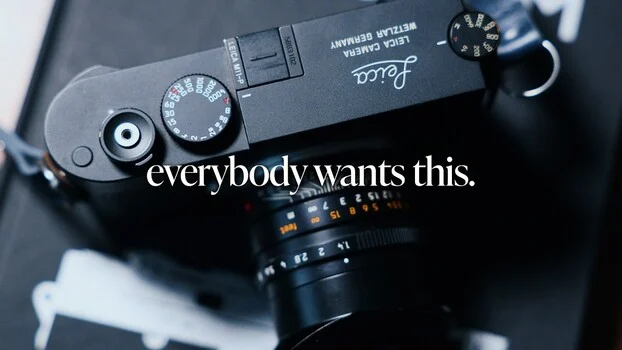
The Leica M camera system stands as an anomaly in the rapidly evolving world of photographic technology, having remained in continuous production for over 70 years. Its defining feature, the mechanical rangefinder focusing mechanism, operates in a 2026 model almost identically to how it functioned in the Leica M3, which first shipped in 1954. This remarkable steadfastness runs counter to nearly every other camera manufacturer, all of whom transitioned from rangefinders to single-lens reflex (SLR) cameras, and subsequently to modern mirrorless systems, in pursuit of technological advancement and market share. This enduring commitment to a foundational design principle is explored in depth by photographer and educator Mike Chudley, who recently conducted an extensive tour of Leica’s headquarters in Wetzlar, Germany, delving into their historical archives and leading a specialized workshop for Leica Vienna.
The Genesis of a Legend: The Leica M3 and the Birth of the M-Mount
Chudley’s comprehensive overview begins at Photokina in 1954, a pivotal year that witnessed the introduction of the Leica M3. This model was not merely an incremental update; it represented a paradigm shift in camera design, setting the standard for rangefinder cameras for decades to come. The M3 was revolutionary for several reasons. Firstly, it introduced the bayonet M-mount, a robust and precise lens mounting system that provided superior optical alignment and faster lens changes compared to the screw-mount LTM (Leica Thread Mount) systems prevalent at the time. This mount proved so successful and enduring that it remains the standard for all Leica M cameras today, ensuring backward compatibility with a vast array of lenses. Secondly, and perhaps most critically for the user experience, the M3 ingeniously combined the viewfinder and the rangefinder focusing patch into a single, bright window. Prior to this, photographers often had to look through separate windows for composition and focusing, a process that was slower and less intuitive. The M3’s integrated design streamlined the photographic workflow, offering a clear, uncluttered view for both framing and precise manual focusing.
The market’s reception to the M3 was overwhelmingly positive. It quickly became Leica’s best-selling M body of all time, with production exceeding 220,000 units. Its success was a testament to its exceptional build quality, optical precision, and user-centric design. The camera was lauded for its quiet shutter, smooth film advance, and unparalleled reliability, cementing Leica’s reputation for engineering excellence and meticulous craftsmanship. The M3’s influence extended far beyond its sales figures, establishing a benchmark against which all subsequent rangefinder cameras would be measured.
Evolution of the Film M-Series: Refinement and Experimentation
Following the groundbreaking success of the M3, Leica continued to refine and expand the M-series, each model addressing specific photographic needs or market segments, while largely adhering to the foundational principles established by its predecessor.
-
Leica M2 (1957): Introduced as a slightly more affordable alternative to the M3, the M2 featured a viewfinder with 0.72x magnification, which made it particularly well-suited for 35mm lenses, a focal length gaining significant popularity among photojournalists and street photographers. While simplifying some internal mechanisms to reduce cost, it retained the core M-system quality and usability.
-
Leica M4 (1967): Often regarded as the pinnacle of mechanical M-camera design by many purists, the M4 introduced several practical improvements. These included an angled crank for faster film rewinding and a quick-loading system for easier film insertion, significantly enhancing the camera’s ergonomics and speed of operation. Its fully mechanical nature, requiring no battery except for an optional light meter, appealed to photographers seeking ultimate reliability and independence from power sources.
-
Leica M5 (1971): The M5 represents a controversial, yet significant, deviation in the M-series lineage. In an attempt to modernize and compete with the rising popularity of SLRs, Leica incorporated a through-the-lens (TTL) light meter with a pivoting arm that extended into the light path. This addition, alongside a taller, more angular body design to accommodate the new electronics, broke from the classic M-aesthetic and increased the camera’s size and weight. While functionally advanced for its time, its departure from traditional M-series form factor and higher price point led to a lukewarm reception from Leica’s loyal customer base. Production ceased after only four years, making it a relatively rare model but a fascinating chapter in Leica’s history of innovation and market response.
-
Leica M6 (1984): Following the M5’s experimental phase, the M6 marked a return to the classic M-series design philosophy. It successfully integrated a modern, accurate light meter (LED arrow indicators in the viewfinder) into a body that closely resembled the beloved M4. The M6 quickly became a favorite among professional and amateur photographers alike, offering the perfect blend of traditional rangefinder operation with the convenience of an integrated metering system. Its long production run and widespread adoption solidify its status as the model most shooters consider "definitive" for its balance of classic form and functional modernity.
-
Leica MP (2003): The Leica MP (Mechanical Perfection) was introduced as a refined, minimalist film body, catering specifically to purists and those who appreciated the tactile experience of a fully mechanical camera. It combined elements of the M3, M2, and M6, offering a robust, brass-top plate design and eschewing unnecessary electronic frills. The only electronic component in the MP is the battery required to power its light meter, a testament to its commitment to enduring mechanical reliability. It is often cited as the most refined film M body, designed for a lifetime of photographic use.
The Rangefinder’s Distinct Photographic Philosophy: How it Shapes the Art of Seeing
A cornerstone of the Leica M’s enduring appeal lies in the unique way its rangefinder mechanism influences the photographic process. Unlike SLRs or mirrorless cameras that present a view through the lens, a rangefinder’s viewfinder sits to the left of the lens. This optical arrangement provides a crucial advantage: it allows the photographer to see not only the framed scene but also the world outside the frame lines. This peripheral vision is invaluable for anticipating action, observing subjects as they enter the composition, and understanding the broader context of a scene before committing to a shot.
Furthermore, the absence of a mirror box and a mechanical shutter mechanism that momentarily blocks the view (known as "shutter blackout") means the photographer’s view is never interrupted at the moment the picture is taken. This continuous visual feedback fosters a more immersive and connected shooting experience, particularly advantageous in dynamic environments like street photography, where split-second timing is critical.
The rangefinder’s focusing mechanism itself is a marvel of precision. It typically involves superimposing two images (or a split image) in the central patch of the viewfinder. When these images align perfectly, the subject is in focus. This manual focusing method, while requiring practice, offers a tactile connection to the subject and fosters a deeper understanding of depth of field. This deliberate process encourages a slower, more considered approach to photography, where composition, light, and anticipation take precedence over rapid-fire shooting.
However, this unique design comes with inherent trade-offs. One significant limitation is parallax error, which occurs because the viewfinder and the lens see the scene from slightly different perspectives. While modern M cameras feature automatic parallax correction within the viewfinder, this correction becomes less accurate at very close focusing distances, meaning the image captured by the lens may not precisely match what was seen in the viewfinder. Consequently, close-up work and macro photography are generally not the rangefinder’s forte, with a typical minimum focusing distance around 0.7 to 1 meter. This characteristic naturally steers rangefinder photographers towards genres where these limitations are less critical, such as street, documentary, and portraiture.
The Digital Transition: Navigating Modernity with a Traditional Soul
Leica’s entry into the digital realm with the M-series was a cautious and deliberate process, aiming to preserve the rangefinder experience while integrating contemporary technology. This journey, however, was not without its challenges and triumphs.
-
Leica M8 (2006): The first digital M camera, the M8, was a landmark release. It featured an APS-H crop sensor (1.33x crop factor), a departure from the full-frame ideal that many Leica users anticipated. A notable issue was its sensitivity to infrared light, which caused black synthetic fabrics to appear magenta in photographs. This necessitated the use of UV/IR cut filters on lenses, adding an extra step to the shooting process. Despite these initial hurdles, the M8 laid the groundwork for future digital M models, proving the viability of a digital rangefinder.
-
Leica M9 (2009): The M9 represented a significant leap forward, becoming the world’s first full-frame digital rangefinder camera, boasting an 18-megapixel Kodak CCD sensor. This sensor was celebrated for its unique color rendition and tonal qualities, often described as having a "film-like" aesthetic that appealed greatly to purists. However, the M9 also faced a widespread issue with sensor corrosion, where the protective cover glass over the sensor would degrade, leading to visible marks on images. Leica responded with a comprehensive replacement program, offering free sensor replacements. Despite this technical challenge, the M9 has seen a resurgence in popularity, with many photographers actively seeking out used models for its distinctive CCD sensor output, a clear indicator that some shooters prioritize a nostalgic, particular "look" over the latest, often more "clinical," sensor technology.
-
Leica M (Typ 240) (2012): This model marked another significant evolution, switching from a CCD to a CMOS sensor. This change brought modern capabilities like Live View (allowing composition via the rear LCD screen, a first for the M-series), video recording, and improved high-ISO performance. While some purists initially lamented the departure from the CCD sensor, the M (Typ 240) made the digital M system more versatile and accessible to a wider audience.
-
Leica M10 Series (2017): With the M10, Leica aimed to address feedback regarding the increased thickness of previous digital M models. The M10 series brought back the slimmer, more traditional body feel of the film M cameras, making it more comfortable and aesthetically aligned with the system’s heritage. This generation saw further refinements in image quality, user interface, and overall performance, balancing digital capabilities with the classic M experience.
-
Leica M11 (2022): The current flagship, the Leica M11, embodies the culmination of Leica’s digital rangefinder development. It features a groundbreaking triple-resolution full-frame CMOS sensor, allowing photographers to capture images at 60, 36, or 18 megapixels, offering unprecedented flexibility in file size and workflow. With enhanced dynamic range, improved battery life, and a highly refined user experience, Chudley positions the M11 as the "most perfected digital M," seamlessly blending cutting-edge digital technology with the timeless rangefinder philosophy.
Broader Market Trends and the Enduring Allure of the Manual Experience
The detail regarding the M9’s CCD sensor and its continued desirability points to a larger phenomenon unfolding across the photographic market. There is a palpable pull towards analog aesthetics and manual control, often referred to as the "slow photography" movement. Film stocks, once thought to be a niche relic, are experiencing a significant resurgence, with many varieties frequently selling out. Concurrently, dealers are listing used CCD-sensor digital bodies, like the M9, at premium prices, indicating a strong demand for specific older looks that newer sensors may not replicate. Many photographers are intentionally choosing to shoot on gear that would have been considered outdated a decade ago, prioritizing a particular aesthetic or shooting experience over raw technical specifications.
The enduring appeal of the rangefinder fits perfectly within this current. In a photographic landscape dominated by advanced autofocus systems, sophisticated eye-tracking, and rapid-fire continuous shooting, the rangefinder offers a deliberate counterpoint. When a camera hides nothing behind automated features, the photographer is solely responsible for focusing, metering, and framing. This direct engagement profoundly changes how one perceives and interacts with a scene before committing to a shot. It fosters a heightened sense of awareness and intentionality.
The skills cultivated by shooting with a rangefinder, or any manual lens, are highly transferable and universally beneficial. Techniques like zone focusing, where distances are preset to achieve a wide depth of field for quick, instinctive shooting, enable photographers to move rapidly without relying on autofocus. Learning to accurately read light with the eye and estimate focus distances by sight sharpens a photographer’s intuition and technical proficiency on any manual lens, which is why many aspiring street photographers practice these skills on more affordable manual film bodies before potentially investing in a Leica. This approach is ideally suited for individuals who wish to deepen their attention to the craft without necessarily slowing down their actual shooting speed. Conversely, it makes the least sense for photographic work that demands tack-sharp frames of fast, unpredictable subjects at very close distances, where the precision and speed of modern autofocus systems are indispensable.
Leica’s Unique Market Position and Future Outlook
Mike Chudley is forthright in acknowledging that modern cameras from industry giants like Canon, Nikon, and Sony will objectively "out-spec" a Leica M in many technical categories, particularly in terms of autofocus speed, continuous shooting rates, and perhaps even low-light performance, all while costing significantly less. However, he effectively articulates the enduring value proposition of the Leica M by drawing a compelling comparison to a Porsche 911 – a vehicle that, while perhaps not offering the most advanced autonomous driving features or the lowest price, delivers an unparalleled, tactile, and engaging driving experience rooted in engineering excellence and heritage. The Leica M offers a similar "manual-gearbox feel," a direct and intimate connection between the photographer and the tool.
Buyers of a Leica M are investing not merely in a camera, but in a philosophy, a heritage of unparalleled craftsmanship, exceptional optical quality, and a unique photographic experience. The premium pricing reflects not just the cost of manufacturing in Germany to exacting standards, but also the brand’s commitment to preserving a specific approach to photography that prioritizes deliberate engagement, timeless design, and enduring reliability.
As the photographic landscape continues to diversify, with technological innovations constantly pushing boundaries, the Leica M system maintains its steadfast course. Its future likely lies in continuing to refine the digital rangefinder experience, integrating advancements like improved sensors and processing power, while rigorously adhering to the core tenets of its 70-year legacy: manual control, optical excellence, and a unique way of seeing the world. Chudley’s insights, drawn from his privileged access and deep understanding, underscore that the Leica M is more than just a camera; it is a testament to the enduring power of design philosophy and a timeless commitment to the art of photography.
