
 By Nila Kartika Wati
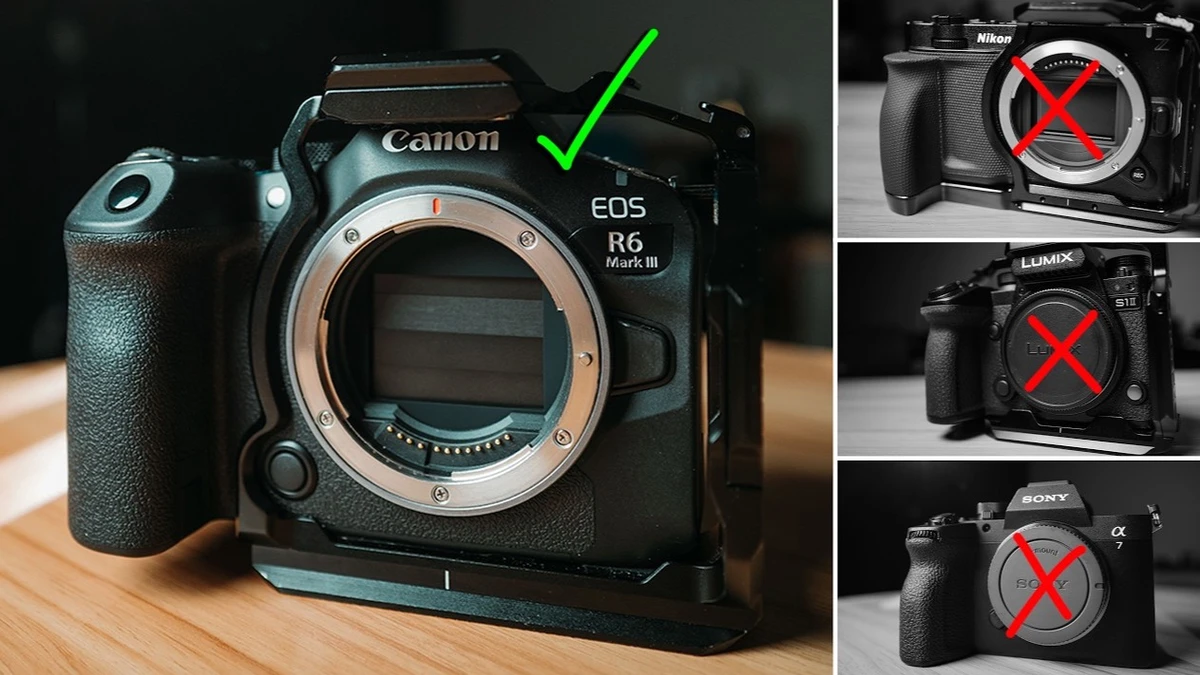
Choosing a camera system for professional video production extends far beyond mere specifications; it involves committing to a lens mount, a color pipeline, and a widely recognized answer for every producer inquiring about one’s preferred gear. In today’s highly competitive landscape, where Canon, Sony, Nikon, and Panasonic Lumix all offer capable full-frame mirrorless bodies, the ultimate decision hinges on real-world performance on paid assignments and the long-term investment value. Seasoned Director of Photography Curren Sheldon, who began his journey with a Canon EOS 60D and has consistently relied on Canon since 2012, alongside explorations into Lumix and RED systems, offers a compelling rationale rooted in reliability, industry acceptance, image quality, system breadth, and lens ecosystem.
The Cornerstone of Professional Work: Unwavering Reliability
For Curren Sheldon, reliability stands as the paramount factor in his camera system choice. His extensive experience across documentaries and docu-series has solidified his belief that Canon bodies consistently perform under diverse and demanding conditions. This sentiment echoes a long-standing industry perception of Canon’s robust build quality and consistent operational stability. However, Sheldon is candid about acknowledging the challenges faced by some mirrorless models, specifically citing the original Canon EOS R5 and, when pushed rigorously in 7K raw recording, the Canon EOS R6 Mark III, which occasionally exhibited overheating issues. These early generation full-frame mirrorless cameras, designed to bridge the gap between still photography and high-resolution video, sometimes struggled with thermal management during prolonged, high-bitrate recording sessions.
Canon, like other manufacturers, has actively addressed these concerns through firmware updates and by developing purpose-built video cameras. Sheldon’s practical workaround for demanding scenarios, such as extensive raw recording, is the Canon EOS C50. This cinema camera shares the same sensor as the R6 Mark III but is engineered with superior thermal dissipation and more robust recording options, exemplifying Canon’s tiered approach to professional video tools. This strategic move by Canon underscores an understanding that while hybrid cameras offer versatility, dedicated cinema cameras are often essential for the most strenuous production environments, where overheating can lead to costly delays and compromised footage. The ability to switch within the same brand ecosystem, maintaining color science and lens compatibility, proves invaluable for DPs navigating varied project requirements.
Industry Acceptance and Workflow Integration: The "Canon" Standard
Sheldon’s second, and arguably most commercially significant, point revolves around the crucial aspect of industry acceptance and its direct impact on securing paid work. As a one- or two-day DP on numerous documentary projects, the simple declaration "Canon" typically concludes the conversation regarding camera approval. This brand recognition is not merely anecdotal; it is a deeply entrenched reality within the production community, particularly in the documentary and independent film sectors.
Historically, Canon played a pivotal role in democratizing cinematic video production. The launch of the Canon EOS 5D Mark II in 2008, a DSLR capable of shooting high-quality, shallow depth-of-field video, revolutionized the industry. It offered an unprecedented blend of image quality and affordability, making "filmic" aesthetics accessible to a broader range of filmmakers. This innovation paved the way for Canon’s dedicated Cinema EOS line, with models like the C100 and C300 quickly becoming mainstays for documentary crews and independent productions due to their ergonomic design, robust codecs, and reliable performance. This legacy has built a trust and familiarity that continues to benefit Canon users.
In contrast, arriving on set with a Nikon or Panasonic Lumix system, despite their technical capabilities, can often lead to additional scrutiny and questions from production companies before approval. While these brands have made significant strides in video features, they have yet to achieve the same ubiquitous presence or inherent trust in many professional video circles as Canon or Sony. Sony, with its popular FX series (FX3, FX6) and high-end cinema cameras (Burano, Venice), has carved out an equally formidable position, often considered a step ahead in certain high-budget productions. The widespread adoption of these brands means that production houses, rental facilities, and post-production teams are already well-versed in their operational nuances and file formats.
This familiarity streamlines the entire production workflow. Most documentary work requires seamless integration of footage from multiple operators, second units, and archival sources. A post-production team already accustomed to handling Canon or Sony files understands their characteristics in the grading suite, simplifying color correction and ensuring consistent output. This operational efficiency often translates into a smoother, faster post-production process, which is a significant factor in hiring decisions.
Furthermore, for larger streaming projects, particularly those for platforms like Netflix, specific camera approval lists dictate acceptable equipment. The inclusion of cameras like the Canon EOS C70 and the Sony FX3 on Netflix’s approved camera list provides a quick, authoritative reference for producers vetting freelance cinematographers. This external validation reinforces the professional standing of these systems. Sheldon advises aspiring DPs to research the companies and crews they aspire to work with, identifying their existing camera ecosystems. Aligning with these established workflows, alongside considering image quality and price, is a pragmatic approach to career advancement. The practicality extends to rental houses; a widely used system ensures easy access to additional bodies or backup equipment locally, often on short notice, mitigating potential on-set crises.
The Art of the Image: Color Science and Workflow Efficiency
Sheldon’s third reason for favoring Canon is image quality, particularly its renowned color science. He frames this against the long-held industry shorthand: "Sony had the specs, Canon had the color." While acknowledging that this gap has significantly narrowed in recent years, with Canon boosting its technical specifications and Sony’s latest FX models improving their color rendition, Sheldon still perceives Canon’s output as superior straight out of the camera.
In an era of internal raw recording, 10-bit codecs, and advanced grading tools, most modern high-end camera bodies can be manipulated in post-production to achieve a desired aesthetic. However, Sheldon emphasizes efficiency. For productions where time is a critical factor or where a quick turnaround is required, Canon’s ability to produce pleasing, natural-looking images with minimal post-processing effort is a distinct advantage. Dropping a Look Up Table (LUT) onto Canon footage often yields immediately satisfactory results, reducing the need for extensive, time-consuming color grading. He specifically commends the Canon C70 and the newer sensors found in the R6 Mark III and C50 for their excellent color reproduction. This "straight out of camera" advantage translates into valuable time saved in post-production, a tangible benefit on tight schedules.
A Comprehensive Ecosystem: System Breadth and Future-Proofing
The fourth compelling reason cited by Sheldon is the comprehensive range of Canon bodies available, offering solutions for virtually every production need. This spectrum runs from versatile hybrid cameras like the R6 Mark III, which excel in both still photography and video, through the dedicated cinema line including the C50 and C70, all the way up to high-end productions tools like the Canon EOS C400 and C300 Mark III. This extensive lineup allows cinematographers to scale their equipment to the demands of the project, maintaining a consistent workflow and color science across different camera types.
This breadth also speaks to Canon’s commitment to its ecosystem. As one of the best-selling camera brands globally, Canon’s continued support for its RF lens mount and associated technologies is highly anticipated. Investing in a system with such a broad and continuously developing product line offers a degree of future-proofing, ensuring that lenses and accessories purchased today will remain compatible and relevant for years to come. This long-term commitment is a crucial consideration for professionals making substantial equipment investments.
The Power of Glass: The RF Lens Ecosystem
Sheldon’s fifth reason centers on the Canon RF lens ecosystem. A significant advantage of Canon’s proprietary RF mount lenses is the integration of optical image stabilization (IS) into nearly all of its professional-grade zooms. This includes workhorse lenses such as the Canon RF 24-70mm f/2.8 L IS USM, the Canon RF 15-35mm f/2.8 L IS USM, and the Canon RF 24-105mm f/2.8 L IS USM Z. Even slower primes like the Canon RF 35mm f/1.8 Macro IS STM and the Canon RF 85mm f/2 Macro IS STM feature stabilization.
This built-in optical stabilization is particularly beneficial when paired with Canon’s Cinema EOS cameras such as the C50, C70, and C400, none of which incorporate in-body image stabilization (IBIS). The combination of optically stabilized lenses and a camera without IBIS provides a robust solution for handheld shooting, offering smoother footage and greater flexibility on set without the added bulk or complexity of external stabilization systems like gimbals for every shot. This thoughtful integration within the ecosystem underscores Canon’s practical approach to professional filmmaking tools, optimizing for real-world shooting conditions.
The Competitive Landscape and Key Considerations
While Sheldon’s preference for Canon is well-articulated and grounded in practical experience, it is important to acknowledge the dynamic competitive landscape. Sony has made significant inroads, particularly with its E-mount system offering a wider array of third-party lens options and its strong focus on video-centric features in its hybrid cameras like the A7SIII and FX3. Nikon and Panasonic Lumix, while formidable in their own right, continue to build their professional video presence and acceptance.
The choice of a camera system is, ultimately, an investment that extends far beyond the initial purchase price of a body. It encompasses the cost and availability of lenses, batteries, storage media, and the learning curve for new crew members. The long-term implications include resale value, service and support, and the adaptability of the system to evolving production standards.
Inferred Drawbacks and Broader Implications
While the original source refers to "two drawbacks that could push you toward another brand" in an accompanying video, based on general industry sentiment, common perceived disadvantages of Canon might include:
- Price Point: Canon’s professional-grade cinema cameras and L-series RF lenses often command a premium price compared to some competitors, which can be a barrier for independent filmmakers or smaller production houses with tighter budgets.
- Limited Third-Party RF Lens Options: Compared to Sony’s E-mount, Canon’s RF mount has historically been more restrictive in allowing third-party manufacturers to produce autofocus lenses. While this ensures Canon’s quality control, it can limit choices for users seeking more affordable or specialized third-party optics.
- Initial Overheating Concerns (Legacy Perception): Despite subsequent firmware updates and the introduction of dedicated cinema bodies, the initial overheating issues with early R5 and R6 models for high-resolution, high-bitrate video left a lasting impression. While largely mitigated, it’s a concern some still consider for extremely demanding, uncontrolled environments.
In conclusion, Curren Sheldon’s enduring loyalty to Canon is a testament to the brand’s pragmatic strengths in the professional video market. His decision-making framework—prioritizing reliability, industry acceptance, out-of-camera image quality, system breadth, and a robust lens ecosystem—offers invaluable insights for any cinematographer navigating the complex choice of a primary camera system. While technical specifications are important, the overarching considerations of workflow efficiency, long-term investment, and seamless integration into established production pipelines often dictate the true success of a chosen camera system in the demanding world of paid professional video work.
