
 By admin
The global luxury landscape is undergoing a fundamental transformation as heritage houses pivot from being purveyors of discrete products to architects of comprehensive, immersive environments. This strategic shift, moving beyond the traditional confines of fashion and accessories, seeks to embed brand identities into the very fabric of consumer lifestyles. From the proliferation of fashion-branded cafes and high-concept restaurants to the development of ultra-luxury hotels and branded residential towers, the industry is redefining what it means to "own" a piece of a luxury brand. What began as a marketing exercise in brand extensions has evolved into a sophisticated commercial strategy designed to capture a larger share of the affluent consumer’s time and discretionary spending.
The Strategic Pivot: From Possession to Inhabitation
The transition toward "experiential luxury" is not merely a trend but a calculated response to changing consumer behaviors. In the post-pandemic economy, high-net-worth individuals (HNWIs) have increasingly prioritized personal experiences and lifestyle enrichment over the simple accumulation of material goods. By creating environments—be they dining rooms, hotel suites, or private residences—luxury brands are offering consumers an invitation to inhabit their world.
This evolution reflects a broader commercial ambition. For a luxury maison, the traditional retail model is transactional; a customer enters a boutique, makes a purchase, and leaves. By contrast, a branded hospitality or residential destination creates a platform for continuous engagement. This "ecosystem" approach ensures that the brand remains a constant presence in the consumer’s life, fostering a level of loyalty that is difficult to achieve through products alone.
Market Dynamics and the Shift in Affluent Spending
Recent industry data underscores the economic rationale behind this cross-sector expansion. According to a 2026 McKinsey survey of over 2,000 luxury consumers across the United States and China, travel and experiential services have emerged as the primary focus for discretionary income. When respondents were asked how they would allocate additional funds, travel consistently outranked every traditional luxury product category, including watches, jewelry, and leather goods.
Complementing these consumer insights, Deloitte’s Global Powers of Luxury 2026 report, which surveyed 420 senior executives across 10 countries, identified luxury travel and hospitality as the sector with the highest growth potential. Approximately 36.2 percent of executives cited hospitality as their top priority for expansion, emphasizing that customer experience and long-term loyalty are now the most significant drivers of revenue growth.
The data suggests that the "handbag economy" is being supplemented, and in some cases supplanted, by the "experience economy." For luxury houses, the message is clear: to remain relevant, they must compete for the consumer’s time as aggressively as they compete for their wallet.
Case Study: The Evolution of the Retail Destination
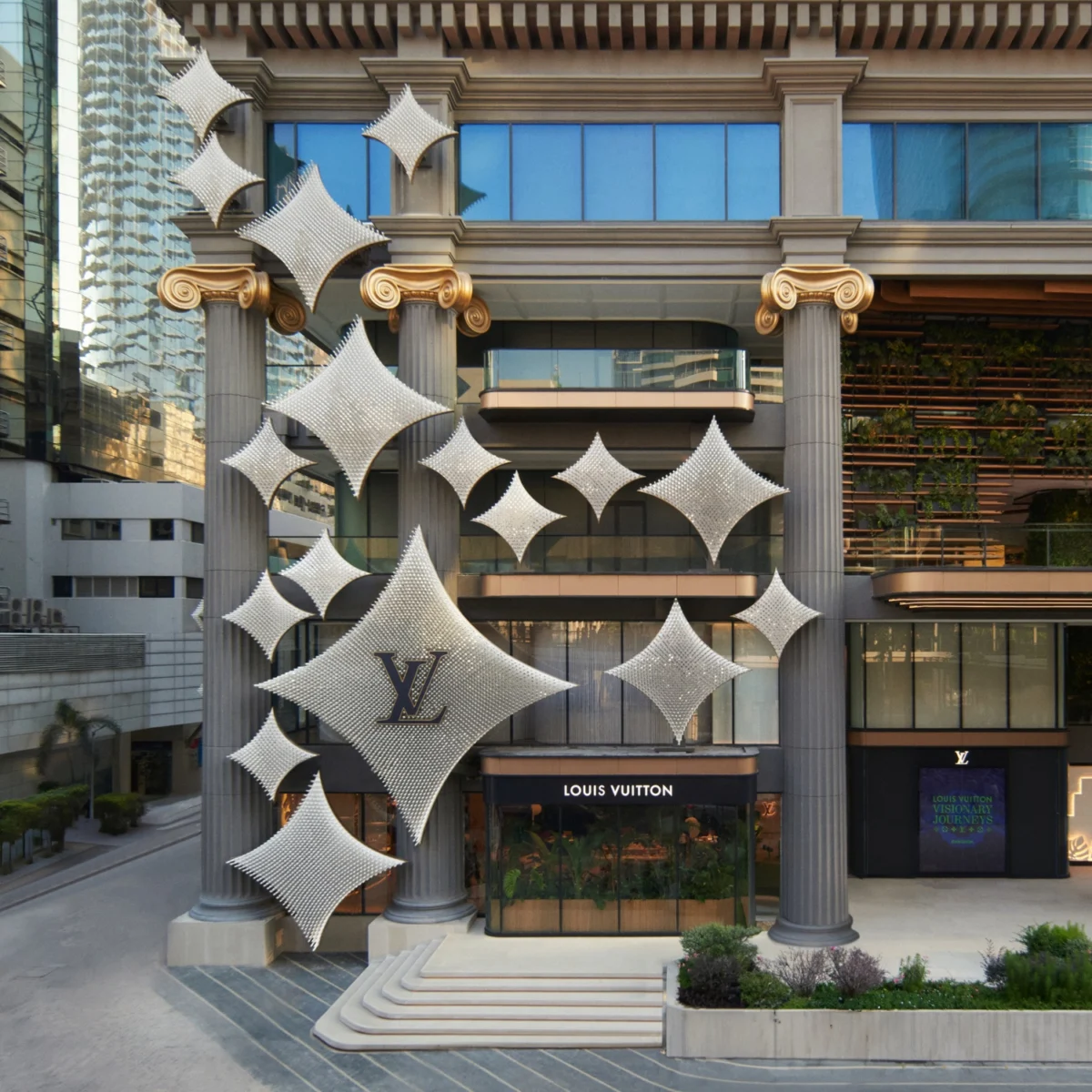
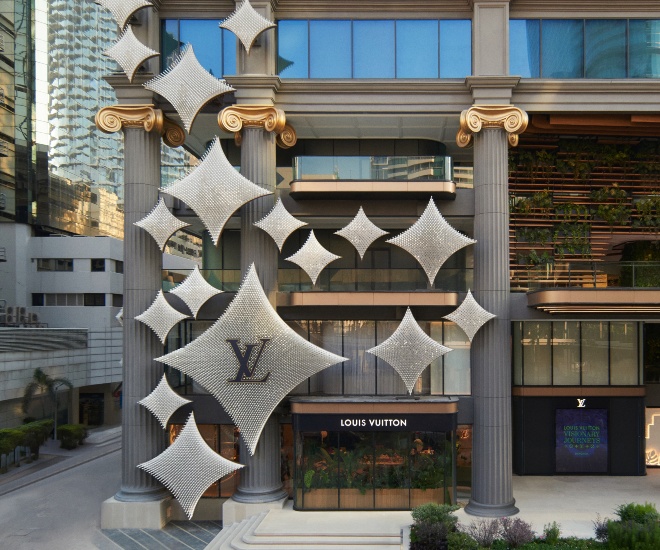
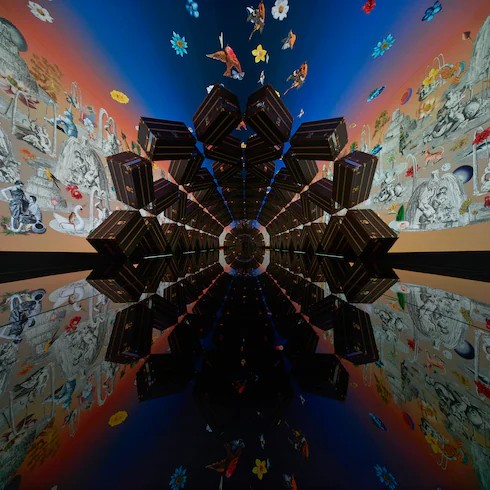
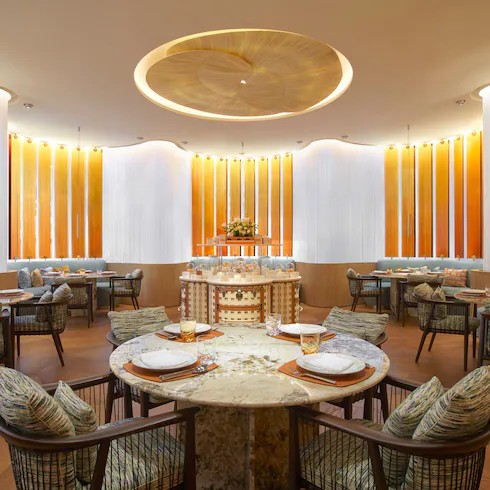
The transformation of the boutique into a cultural destination is perhaps most visible in the Asian market. Louis Vuitton’s LV The Place Bangkok, located at the Gaysorn Amarin complex, serves as a blueprint for this new model. The space is a multi-dimensional environment that integrates a traditional boutique with the Visionary Journeys exhibition and Le Café Louis Vuitton.
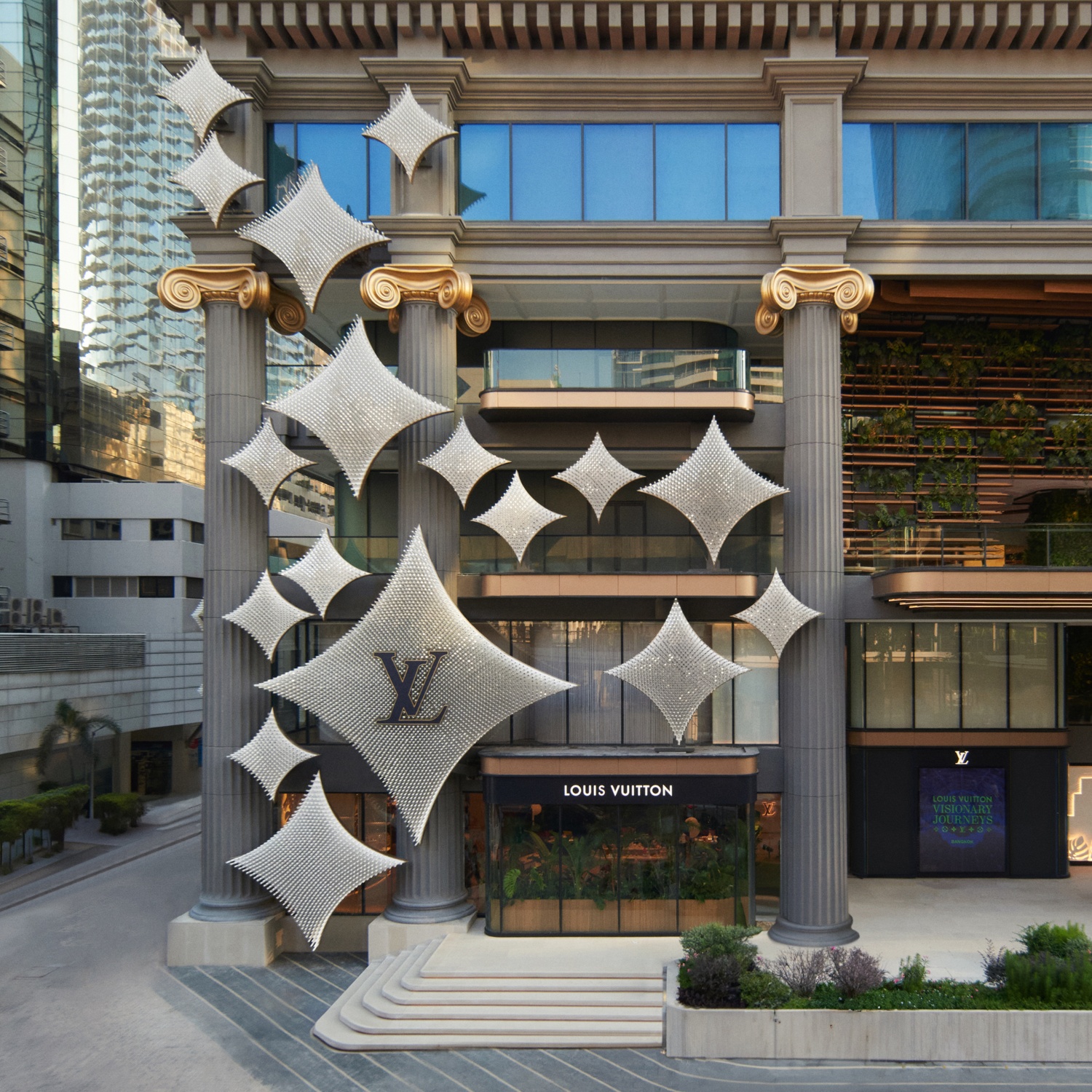
In October 2026, the house updated these offerings to include new gastronomic experiences and art installations, ensuring that the destination remains a "living" entity. Visitors can engage with the brand’s heritage and design philosophy without necessarily purchasing a physical product. This creates multiple "points of entry" for the brand, making the luxury experience more accessible while maintaining its aspirational quality.
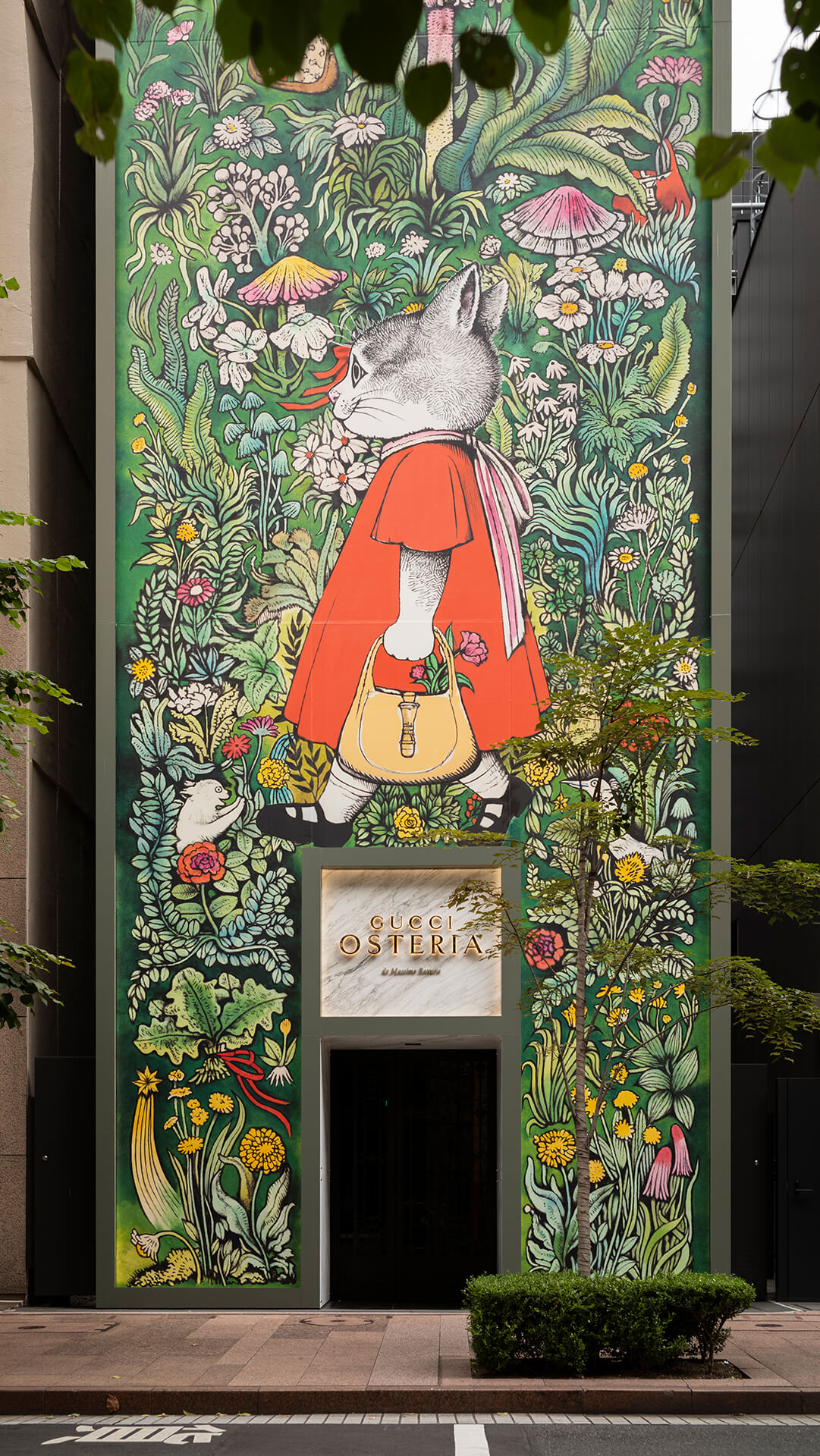
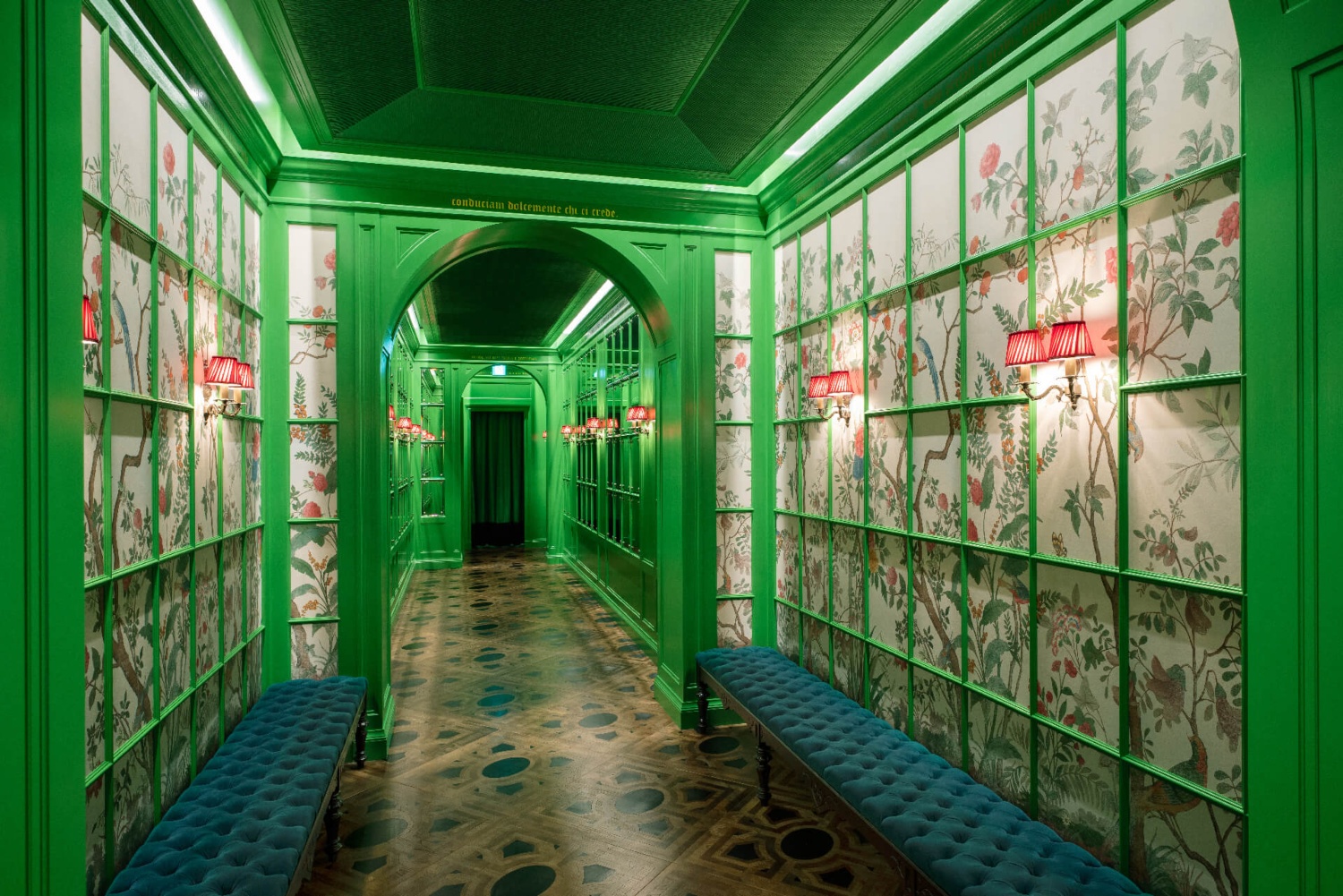
Similarly, Gucci has successfully exported its aesthetic into the culinary world through Gucci Osteria da Massimo Bottura. With locations in Florence, Tokyo, and Seoul, the fashion house has translated its maximalist creative language into a Michelin-starred dining experience. These outposts serve as powerful marketing tools, reinforcing the brand’s identity through sensory experiences that a garment cannot provide.
The Rise of Branded Entertainment: The Pop Mart Example
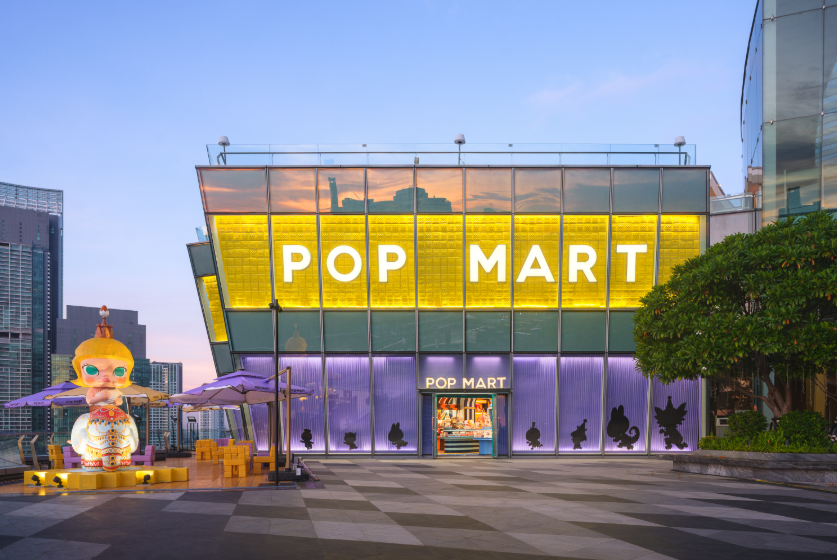
While traditional luxury houses lead the charge, the strategy is also being adopted by "new-age" entertainment and collectible brands. Pop Mart, the Chinese entertainment company famous for its "blind box" collectibles and characters like Labubu, has aggressively moved into the physical entertainment space.
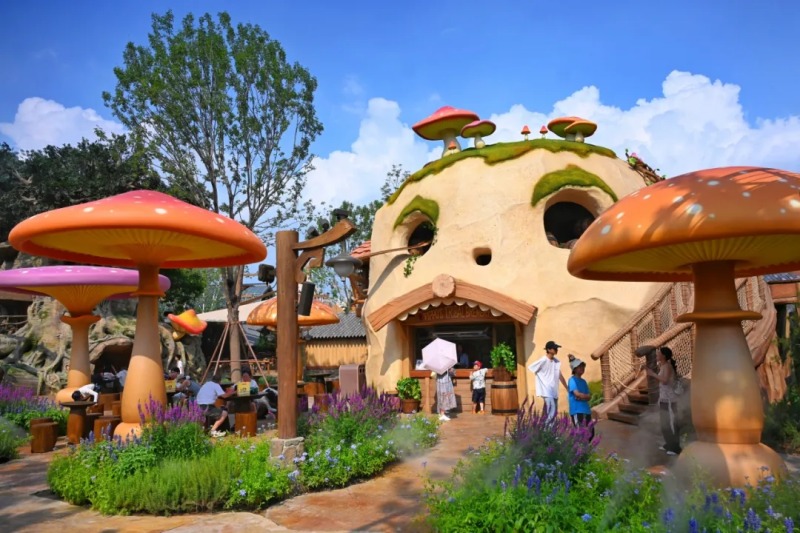
In April 2026, the company celebrated the reopening of its renovated Labubu Forest zone within the Pop Land theme park in Beijing. By translating digital and physical characters into a tangible leisure destination, Pop Mart has created a reason for fans to return repeatedly. This illustrates that the "immersive world" strategy is applicable across different price points and demographics, provided the brand has a strong enough emotional connection with its audience.
Hospitality: Inhabiting the Brand Aesthetic
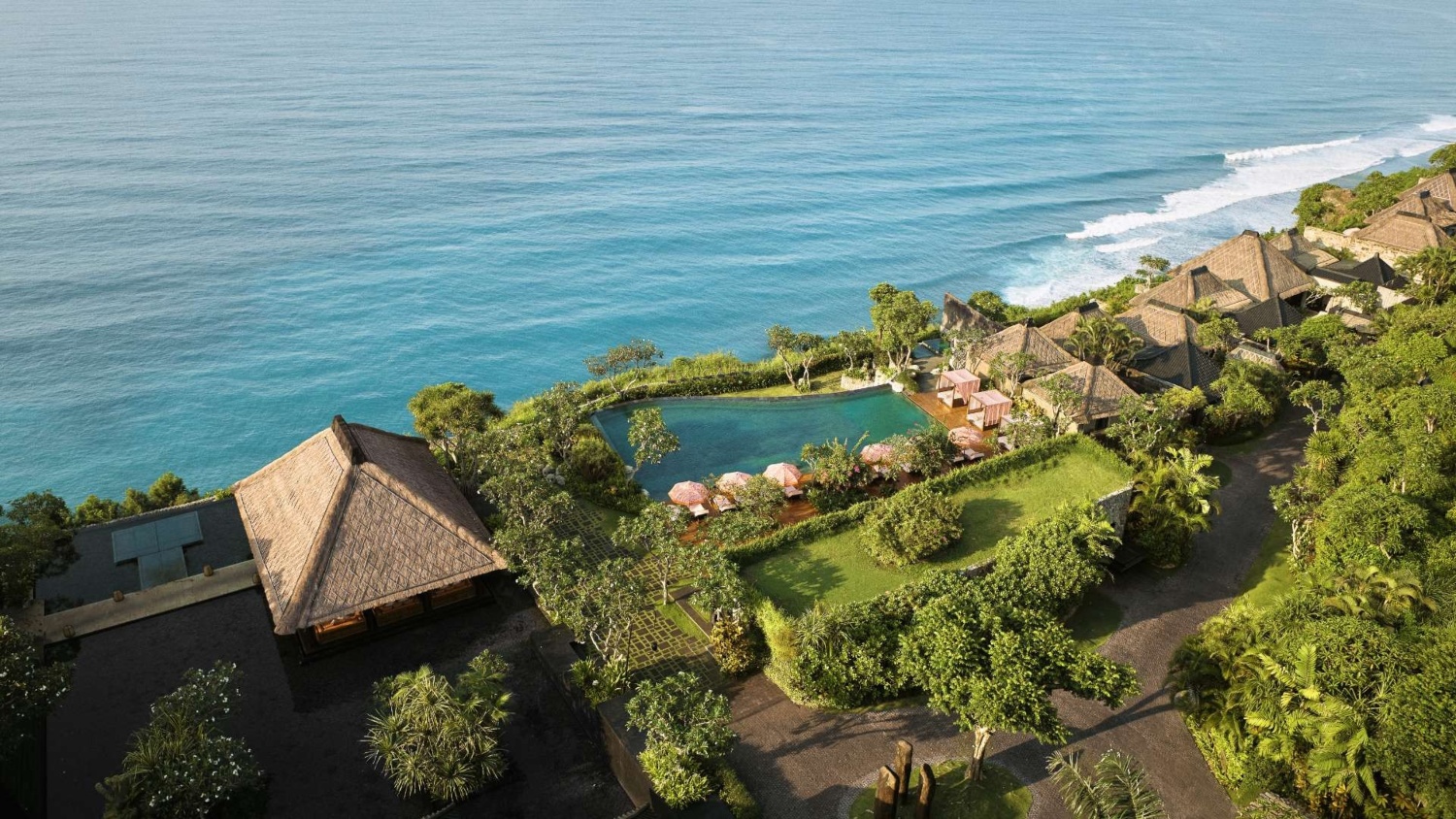
Hospitality represents a deeper level of brand immersion, allowing customers to live within a brand’s design codes for days at a time. Bvlgari Hotels & Resorts has been a pioneer in this space, translating the Roman jeweler’s bold architectural style and craftsmanship into a global portfolio. Properties in Bali, Tokyo, and Milan are designed to reflect the same attention to detail found in a Bvlgari high-jewelry piece.
Giorgio Armani has pursued a similar path with his hotels in Milan and Dubai. The Armani Hotel Dubai, situated within the Burj Khalifa, is a pure expression of the designer’s minimalist and sophisticated philosophy. Here, every element—from the room fragrance to the texture of the wall coverings—is curated to provide a seamless Armani experience.
However, the move into hospitality brings unique operational challenges. Unlike retail, where the primary interaction is the sale of a finished good, hospitality requires consistent, high-level service over an extended period. Luxury houses often bridge this expertise gap through strategic partnerships with established hotel operators, though the risk remains: a single poor service experience at a branded hotel can negatively impact the consumer’s perception of the entire fashion house.
Branded Residences: The Ultimate Lifestyle Lock-In
The most significant growth area in the luxury sector is the branded residential market. Knight Frank’s 2026 research into the sector revealed a staggering trajectory. The number of branded residential schemes globally grew from 354 in 2015 to 903 by the end of 2025. Projections indicate the market will surpass 1,000 active schemes during 2026.
While hotel operators (such as Four Seasons and Ritz-Carlton) still dominate the market, non-hotel brands—particularly from the automotive and fashion sectors—are rapidly gaining ground. Their share of the branded residential supply is expected to increase from 30 percent in 2025 to 40 percent by 2028.
A prime example is the Bentley Residences Miami. This 61-story beachfront tower, developed in collaboration with Dezer Development, features a patented vehicle elevator system known as the "Dezervator." This allows residents to drive their vehicles directly into private garages attached to their sky-apartments. By integrating automotive engineering with residential architecture, Bentley has created a lifestyle product that goes far beyond a car.
Similarly, the Aston Martin Residences in Miami and Bulgari Lighthouse in Dubai demonstrate how a brand’s "halo effect" can command a significant premium in the real estate market. For developers, the brand name provides instant recognition and a perceived guarantee of quality. For the buyer, the home becomes a permanent statement of their affinity for the brand.
Analysis: Authenticity, Dilution, and the "Logo Test"
As luxury brands expand into cafes, hotels, and apartments, they face a critical question of brand dilution. The challenge lies in maintaining exclusivity while increasing accessibility. If a brand is "everywhere"—from the bag on a consumer’s shoulder to the coffee in their cup and the apartment they live in—does it lose the rarity that defines luxury?
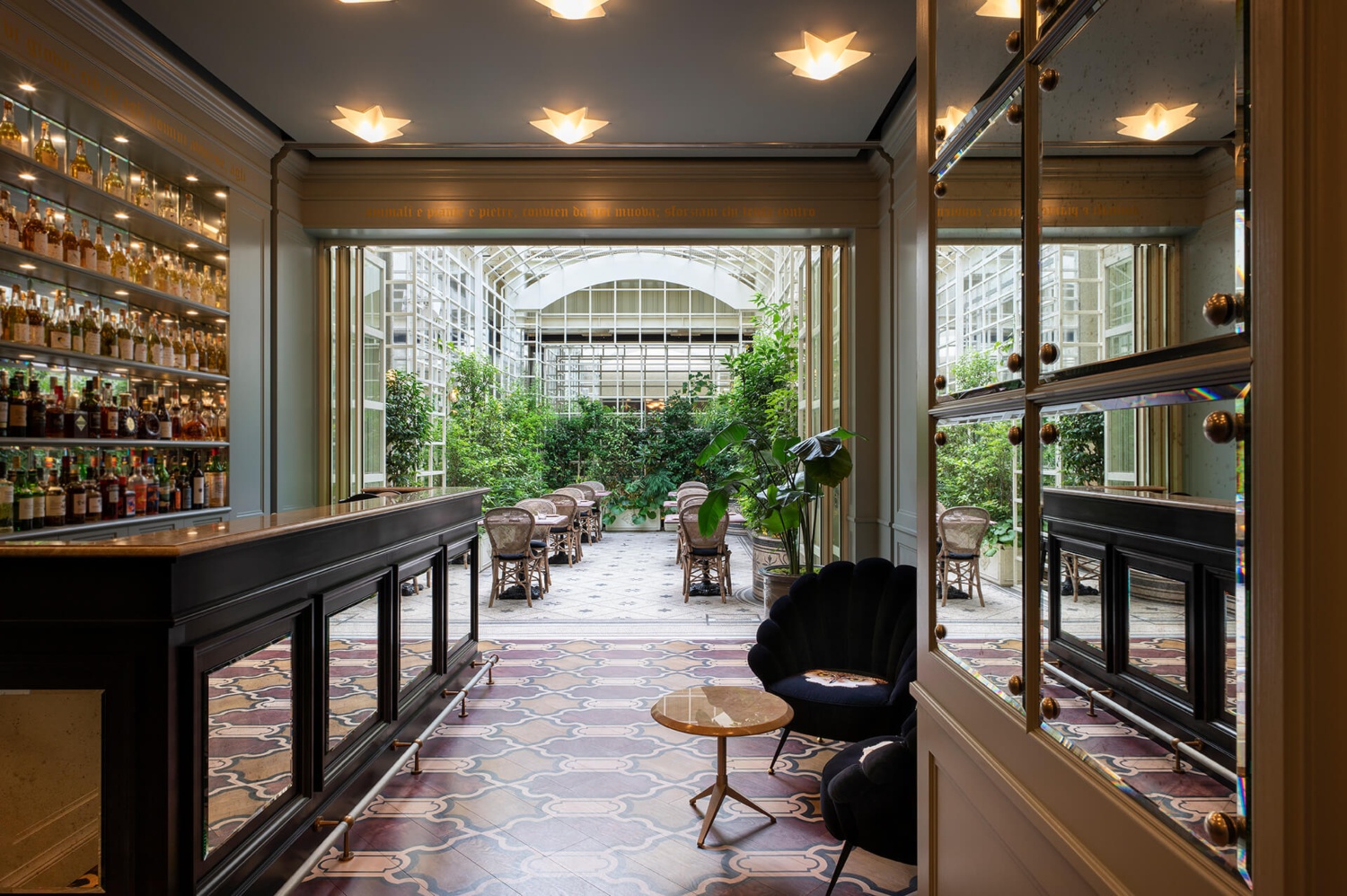
Industry analysts often apply the "Logo Test" to evaluate the success of these extensions: if the logo were removed from the restaurant or hotel, would the experience still feel inherently like the brand? The most successful immersive worlds are those that communicate identity through design language, material quality, and atmosphere rather than relying on the repetitive use of a monogram.
Operational execution is another hurdle. The skills required to design a couture gown do not translate to managing a kitchen or a residential concierge. This has led to an increase in licensing and management agreements, where the luxury house provides the "creative soul" while a third-party specialist handles the "operational body." The degree of control the maison retains over this partnership is vital to protecting its reputation.
The Future of the Luxury Ecosystem
The momentum behind luxury’s expansion into immersive worlds shows no signs of slowing. As the digital and physical worlds continue to blur, brands are looking for ways to provide "analog" experiences that cannot be replicated online. The goal is to create a 360-degree ecosystem where the consumer can shop, dine, travel, and live within a single brand’s universe.
The next measure of a luxury brand’s strength will not be the sales volume of its "it-bag," but the resilience and depth of its community. By building worlds that offer genuine value and emotional resonance, luxury houses are securing their place in the lives of the next generation of affluent consumers. In this new frontier, the most successful brands will be those that offer not just something to buy, but somewhere to belong.
