
 By admin
The 2026 Gemological Landscape and Market Context
The momentum driving the high jewellery sector is underpinned by specific shifts in the global gemstone trade. According to the Gemological Institute of America’s (GIA) comprehensive reporting from the 2026 Tucson gem shows, the industry is witnessing a nuanced divergence in supply and demand. While the market for standard-grade materials remains stable, there is an intensified interest in "fancy-colour" sapphires and gemstones that exhibit precision cutting. This trend reflects a growing sophistication among collectors who prioritize light performance and unique chromatic profiles over traditional "native" cuts that were historically designed to maximize weight retention at the expense of brilliance.
Furthermore, data from Christie’s auction house indicates a surging demand for coloured gemstones, particularly emeralds, rubies, and sapphires, with a notable concentration of interest originating from Asia and the Middle East. In the first half of 2026, the valuation of untreated, high-transparency stones increased by approximately 12% year-on-year. This economic backdrop provides the necessary environment for maisons like Graff, Bvlgari, Cartier, Van Cleef & Arpels, and Tiffany & Co. to push the boundaries of technical craftsmanship and creative expression.
Graff: The Purity of the 118-Carat Sri Lankan Sapphire
Graff’s 2026 Art of Colour campaign serves as a benchmark for the "stone-led" design approach. The centerpiece of the collection is a necklace anchored by a 118-carat cushion-cut Sri Lankan sapphire. The significance of this stone lies in its "unheated" status—a rarity for a sapphire of such immense proportions. In the gemstone trade, heat treatment is a standard practice used to enhance colour and clarity; however, a stone that possesses natural saturation and transparency without such intervention commands a significant premium and is regarded as a geological marvel.
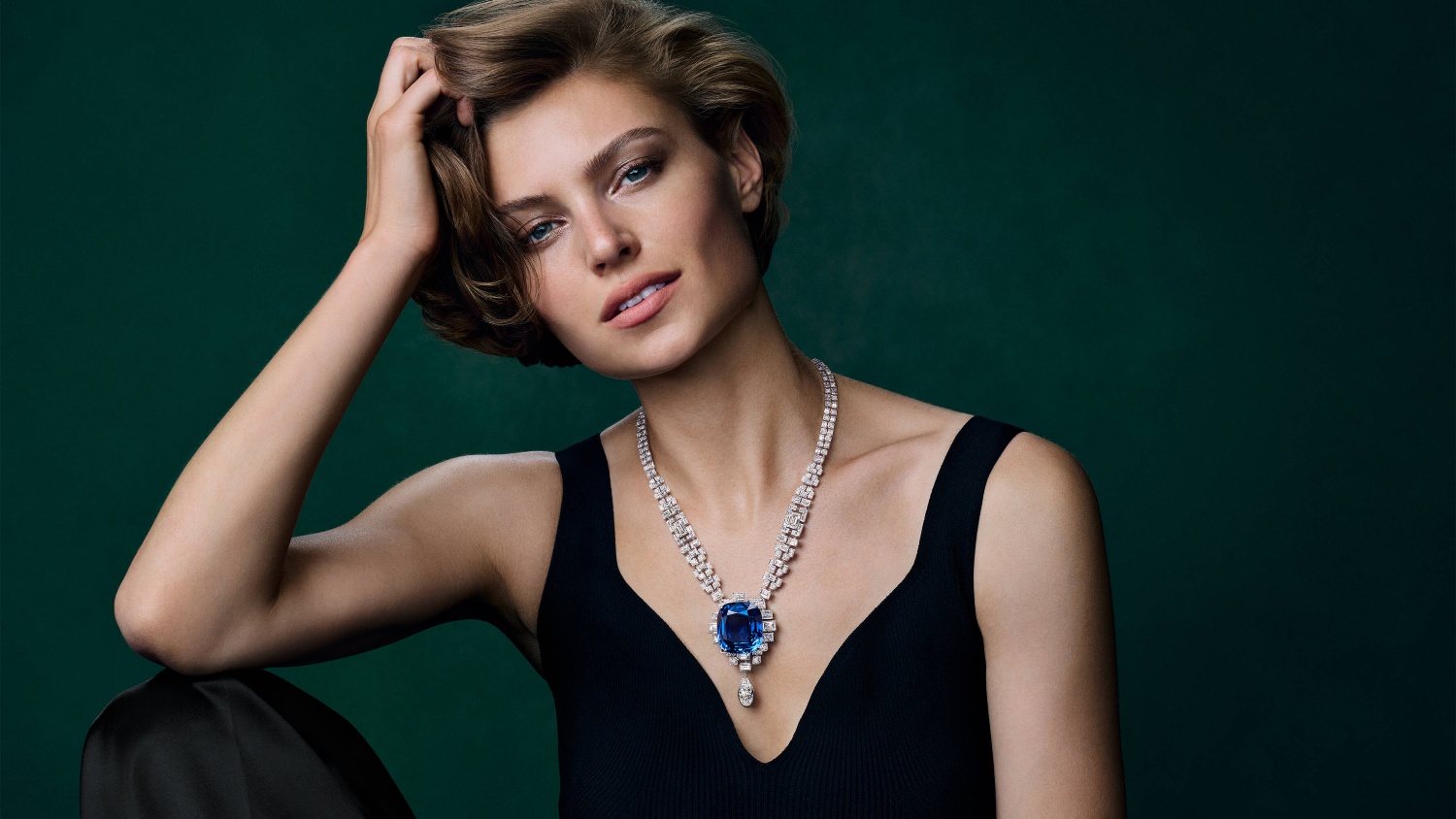
The design architecture of the necklace is intentionally minimalist to ensure the sapphire remains the focal point. A three-carat pear-shaped diamond is positioned above the central stone, supported by a sunray arrangement of baguette diamonds. This composition utilizes geometric contrasts to direct the eye toward the sapphire’s deep blue depths. Industry analysts suggest that Graff’s decision to allow the natural proportions of the stone to dictate the necklace’s silhouette, rather than forcing the stone into a pre-existing design, marks a return to the "purist" traditions of high jewellery. The piece, while highlighted in the September 2026 campaign, represents the pinnacle of British stone-setting expertise, where the metal serves only to provide the structural integrity required to suspend the gem in light.
Bvlgari: The Artistic Nuance of the Padparadscha
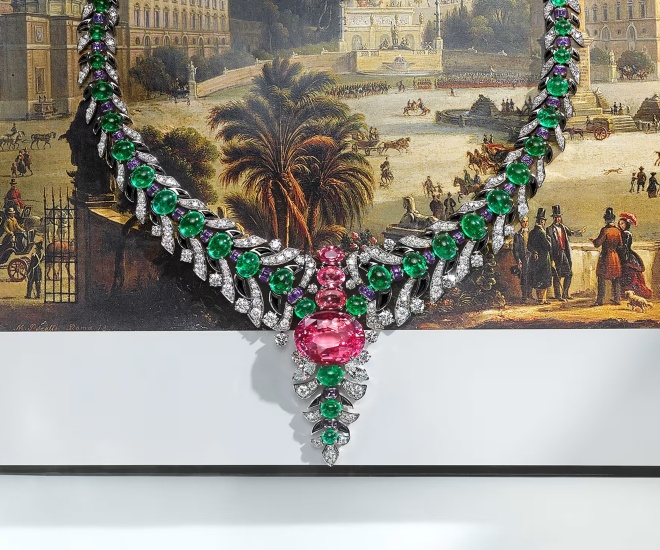
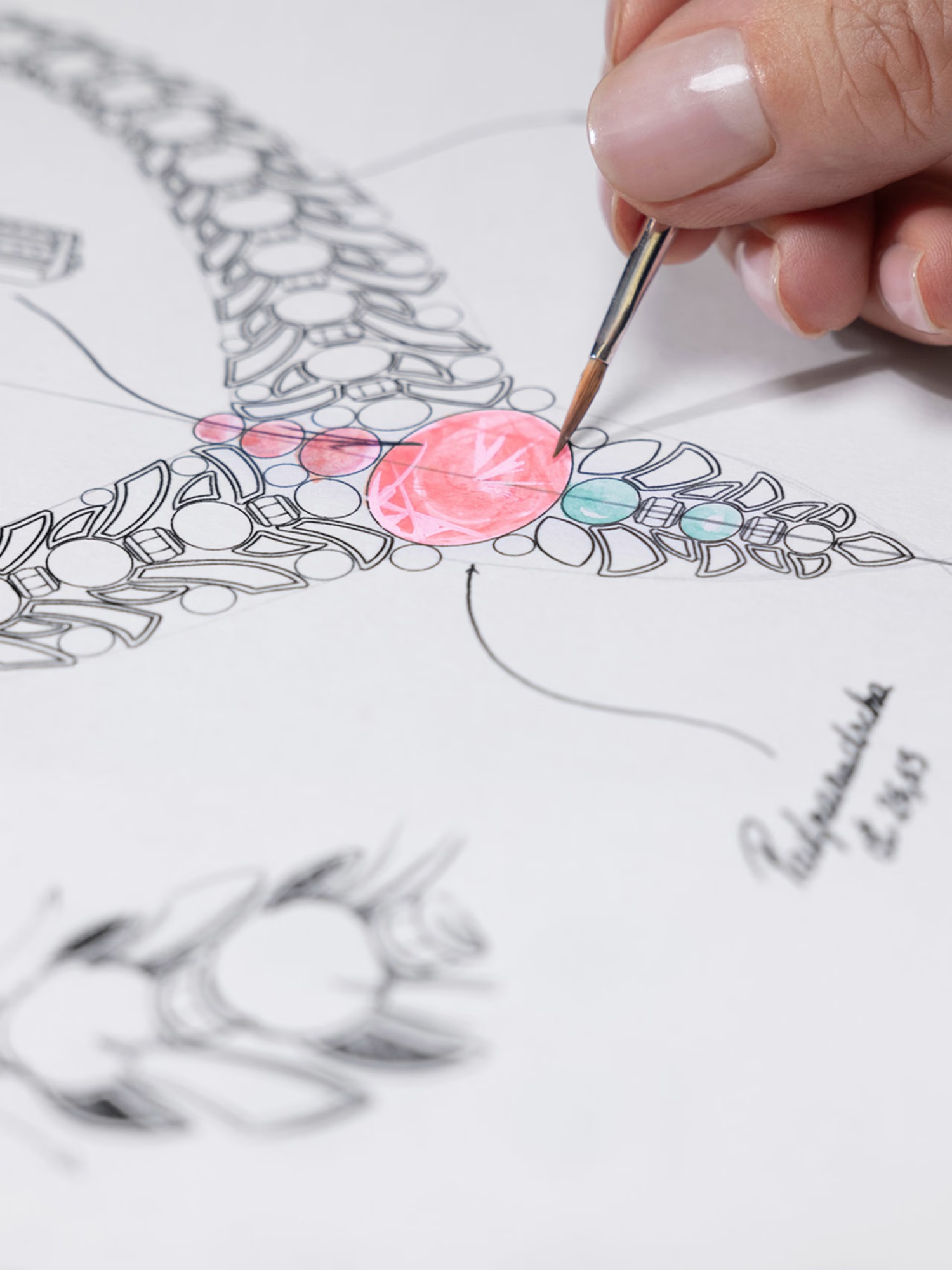
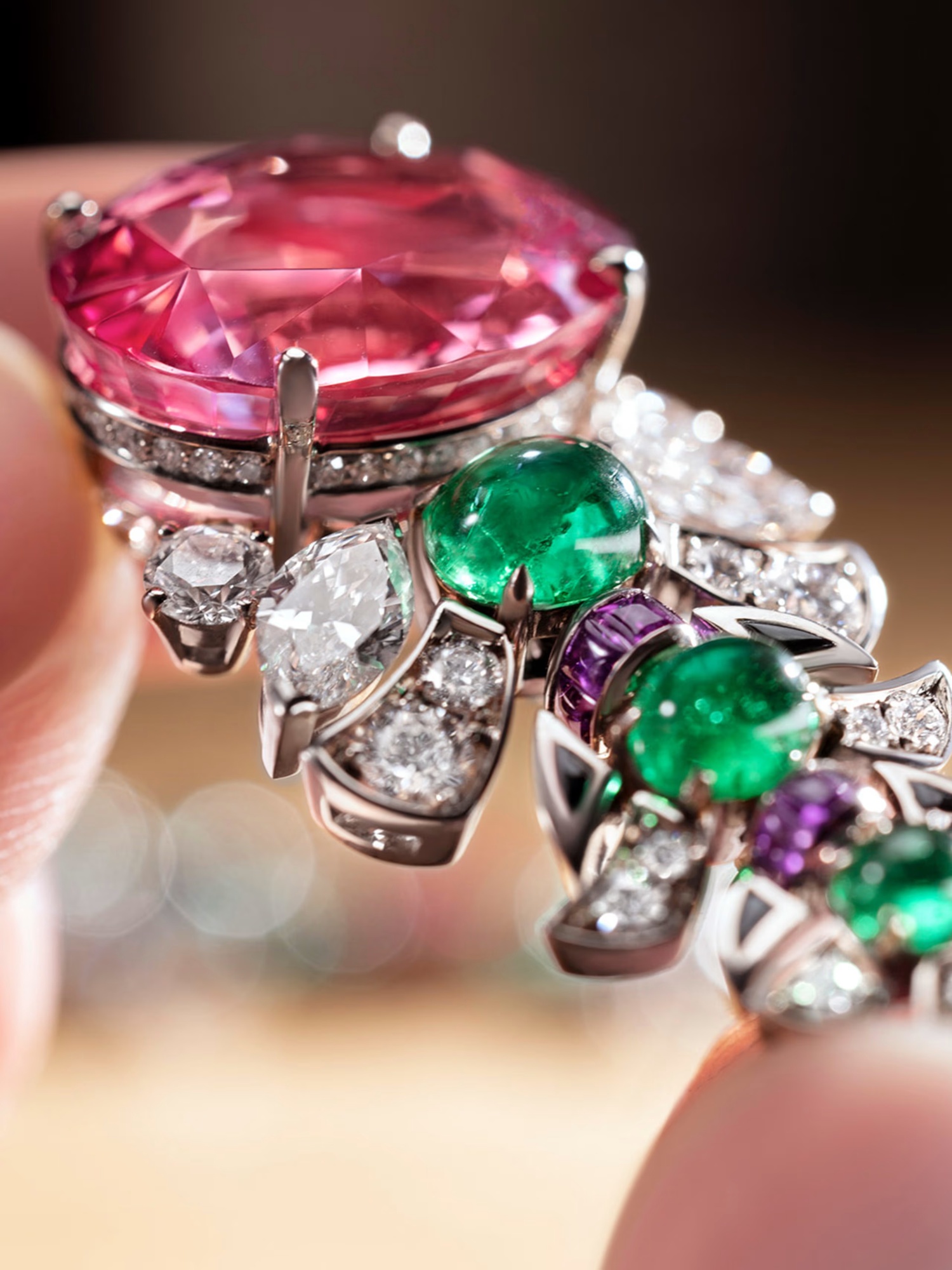
In March 2026, Bvlgari unveiled its Eclettica collection, an ambitious series of over 160 creations that seek to bridge the gap between jewellery, architecture, and painting. The standout piece, the Secret Garden necklace, revolves around a 26.65-carat Sri Lankan Padparadscha sapphire. Named after the Sinhalese word for "lotus blossom," the Padparadscha is the rarest variety of sapphire, characterized by a delicate, simultaneous interplay of pink and orange hues.
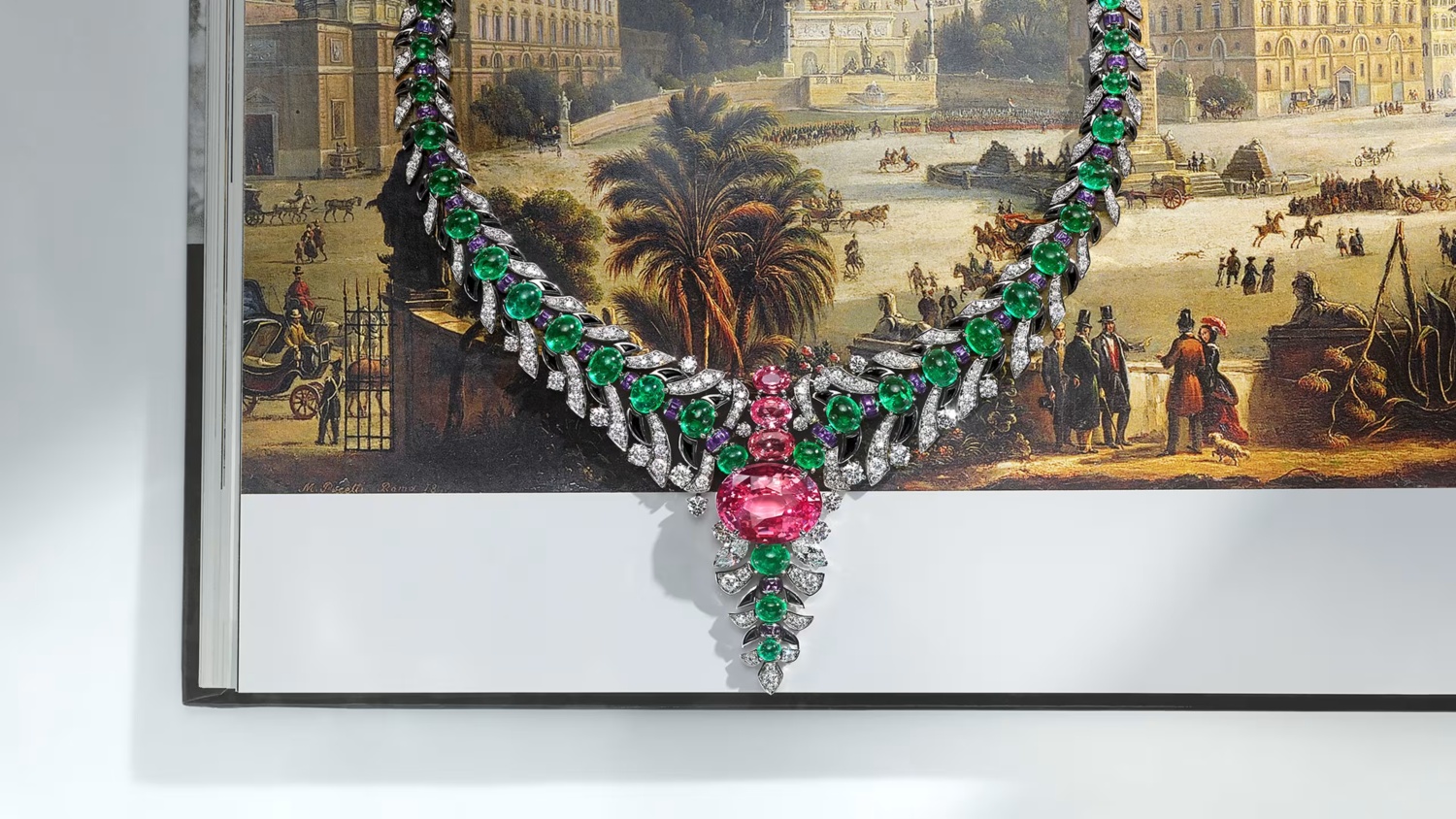
Under the creative direction of Lucia Silvestri, Bvlgari has utilized the specific chromatic profile of this sapphire to evoke the atmosphere of a Roman sunset. The central stone is framed by a complex mosaic of emeralds, purple sapphires, diamonds, and onyx. This use of "chromatic dissonance"—placing contrasting colours in close proximity—is a hallmark of the Bvlgari style. The Secret Garden necklace demonstrates how a single rare gemstone can inform the entire artistic language of a collection. By surrounding the warm tones of the Padparadscha with the cool, deep greens of emeralds and the stark black of onyx, the maison creates a sense of depth and movement that mimics the layered history of Rome’s hidden courtyards.
Cartier: Revitalizing the "Tutti Frutti" Legacy
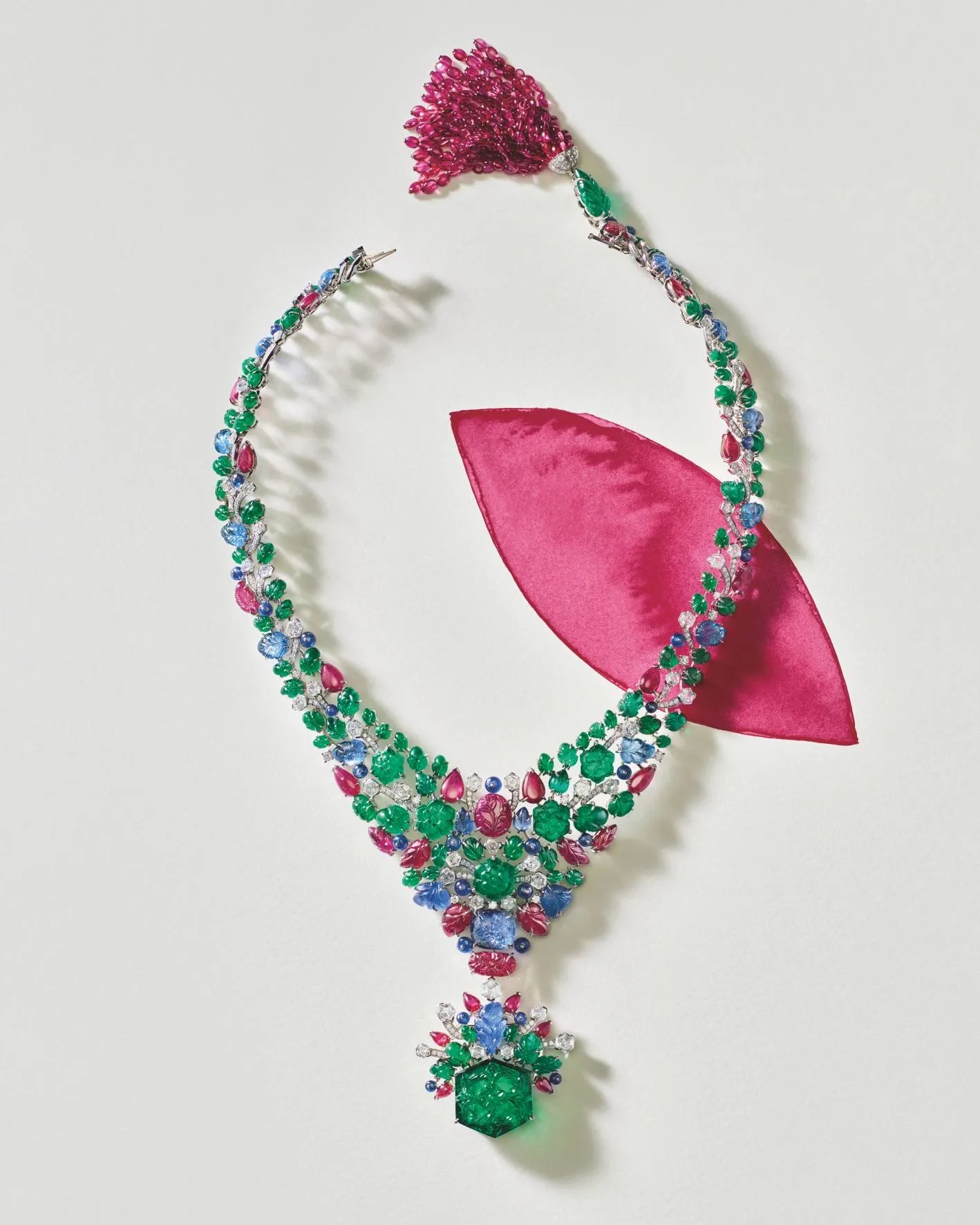
Cartier’s 2026 Le Chœur des Pierres collection, comprising more than 125 unique pieces, explores the evolution of the maison’s most celebrated design languages. The Tutti Kanya necklace is a contemporary interpretation of the "Tutti Frutti" style, which first gained prominence in the 1920s under the influence of Indian royal jewellery. The necklace features a 30.33-carat engraved Zambian emerald, a choice that highlights the modern preference for stones with characterful inclusions and artisanal carvings.
The technical complexity of the Tutti Kanya is staggering, with the collection as a whole reportedly requiring 85,000 hours of labor from Cartier’s master artisans. The design incorporates carved rubies, sapphires, and emeralds in floral motifs, creating a tactile, three-dimensional texture. A key feature of this creation is its transformability—a central theme in 2026 high jewellery. The necklace includes a detachable ruby tassel and a central motif that can be transitioned into a brooch. This versatility reflects the changing lifestyle of the modern collector, who seeks pieces that offer both historical gravitas and functional adaptability. Cartier’s ability to revisit a century-old aesthetic and make it relevant through contemporary precision cutting and modular engineering illustrates the enduring power of its archival codes.
Van Cleef & Arpels: Historical Reimagination of Egyptian Splendor
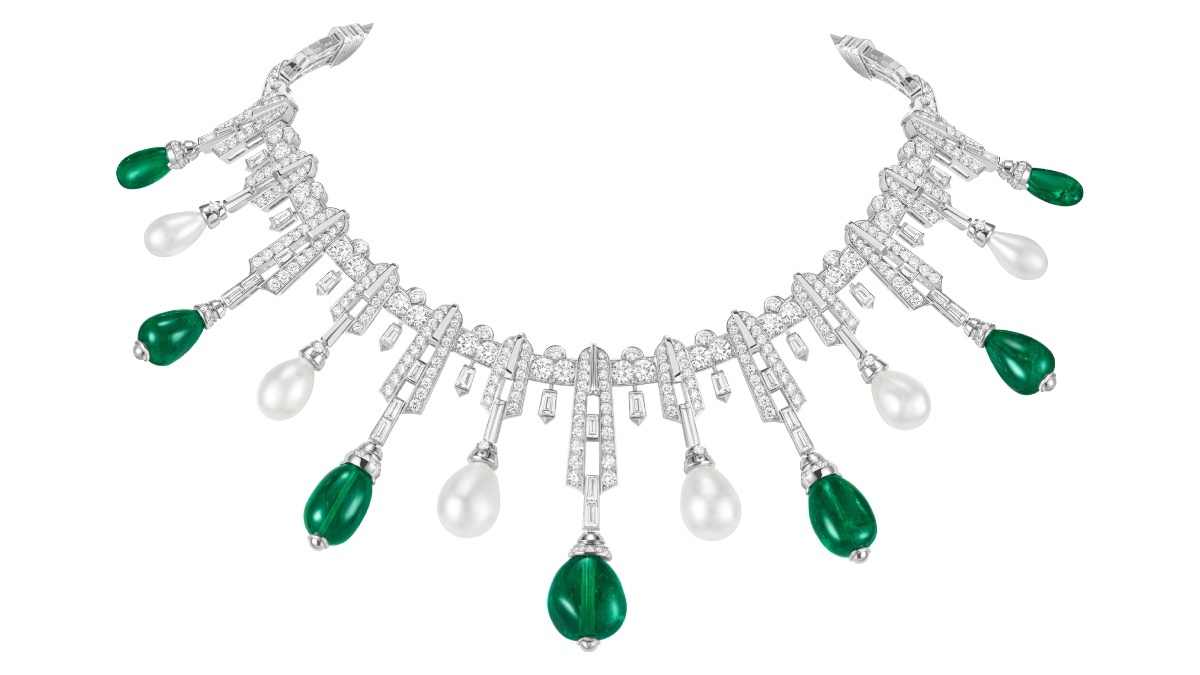
Van Cleef & Arpels looked toward the ancient world for its Fascinating Egypt collection, unveiled in June 2026. The Princesse du Nil necklace is a direct tribute to a historic emerald-and-diamond collaret originally owned by Princess Faiza of Egypt in 1929. The contemporary iteration is a masterclass in gemstone sourcing, featuring ten Colombian emerald drops with a total weight of 107.37 carats.
Colombian emeralds are prized for their "old mine" quality, characterized by a vivid green hue and a specific type of inclusion known as a jardin (garden). The pairing of these emeralds with seven natural white pearls, weighing approximately 85.13 carats, creates a regal aesthetic that balances the weight of history with modern refinement. The development of the Fascinating Egypt collection spanned four years, involving extensive research into Egyptian iconography and the sourcing of matched sets of stones. The Princesse du Nil necklace is not a mere replica of the 1929 original; it is a reinterpretation that utilizes 21st-century setting techniques—such as the use of platinum and mixed gold alloys—to enhance the fluidity and comfort of the piece. This creation underscores how high jewellery can serve as a medium for cultural memory, preserved through the permanence of rare gemstones.
Tiffany & Co.: The Cultural Persistence of the Yellow Diamond
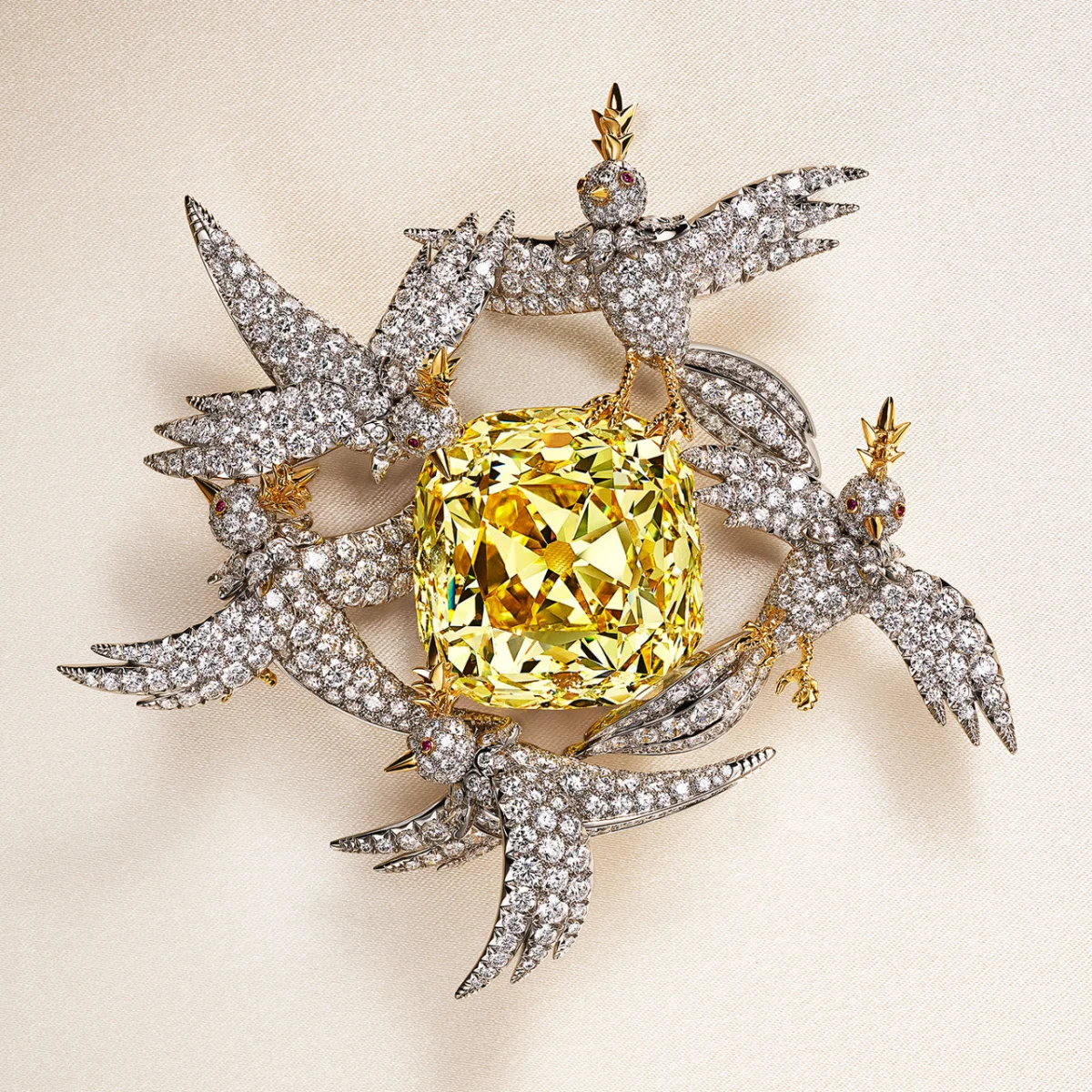
While new launches define the cutting edge of design, Tiffany & Co. demonstrates how an established icon can remain at the forefront of the industry through constant renewal. The Tiffany Yellow Diamond, a 128.54-carat cushion-shaped brilliant, remains one of the most important gemstones in history. Discovered in 1877, its journey from a 287.42-carat rough stone to a cultural symbol has been marked by a series of transformative settings.
In late 2023 and continuing into its 2026 activations, the diamond was showcased in a "Bird on a Rock" inspired setting to celebrate the reopening of "The Landmark" on Fifth Avenue. This setting, which required nearly 2,000 hours of craftsmanship, allows the diamond to be worn as both a pendant and a brooch, featuring five diamond-encrusted birds that appear to guard the central stone. The Tiffany Diamond’s history is inextricably linked to global icons—from Audrey Hepburn to Lady Gaga and Beyoncé—ensuring its relevance across generations. Its inclusion in the 2026 high jewellery dialogue provides a necessary perspective: the value of a gemstone is not only found in its geological rarity but in the layers of human history and craftsmanship that are applied to it over centuries.
Broader Impact and Implications for the Luxury Sector
The developments seen in 2026 indicate that the high jewellery market is moving toward a model of "intellectual luxury." Collectors are no longer satisfied with the mere acquisition of wealth; they seek pieces that represent a synthesis of science, history, and art. The GIA’s emphasis on precision cutting and the auction houses’ focus on provenance suggest that the "story" of the stone is now a primary driver of value.
For the jewellery houses, this requires an unprecedented level of transparency and technical skill. The 85,000 hours invested by Cartier and the four-year development cycle at Van Cleef & Arpels reflect a commitment to slow luxury that stands in contrast to the rapid cycles of the broader fashion industry. Furthermore, the focus on untreated and rare-coloured stones like the Padparadscha sapphire points toward a future where the rarity of the raw material will continue to diminish, making the stewardship of existing stones and the discovery of new, ethically sourced deposits even more critical.
Ultimately, the momentum behind these five extraordinary creations reveals a sector that is thriving on the challenge of innovation. By revisiting historic designs, exploring unconventional colour palettes, and applying advanced engineering to the world’s rarest stones, these maisons are ensuring that high jewellery remains a vital and evolving form of artistic expression. The gemstones of 2026 are more than just ornaments; they are the anchors of a legacy that continues to be written in light and stone.
