
 By admin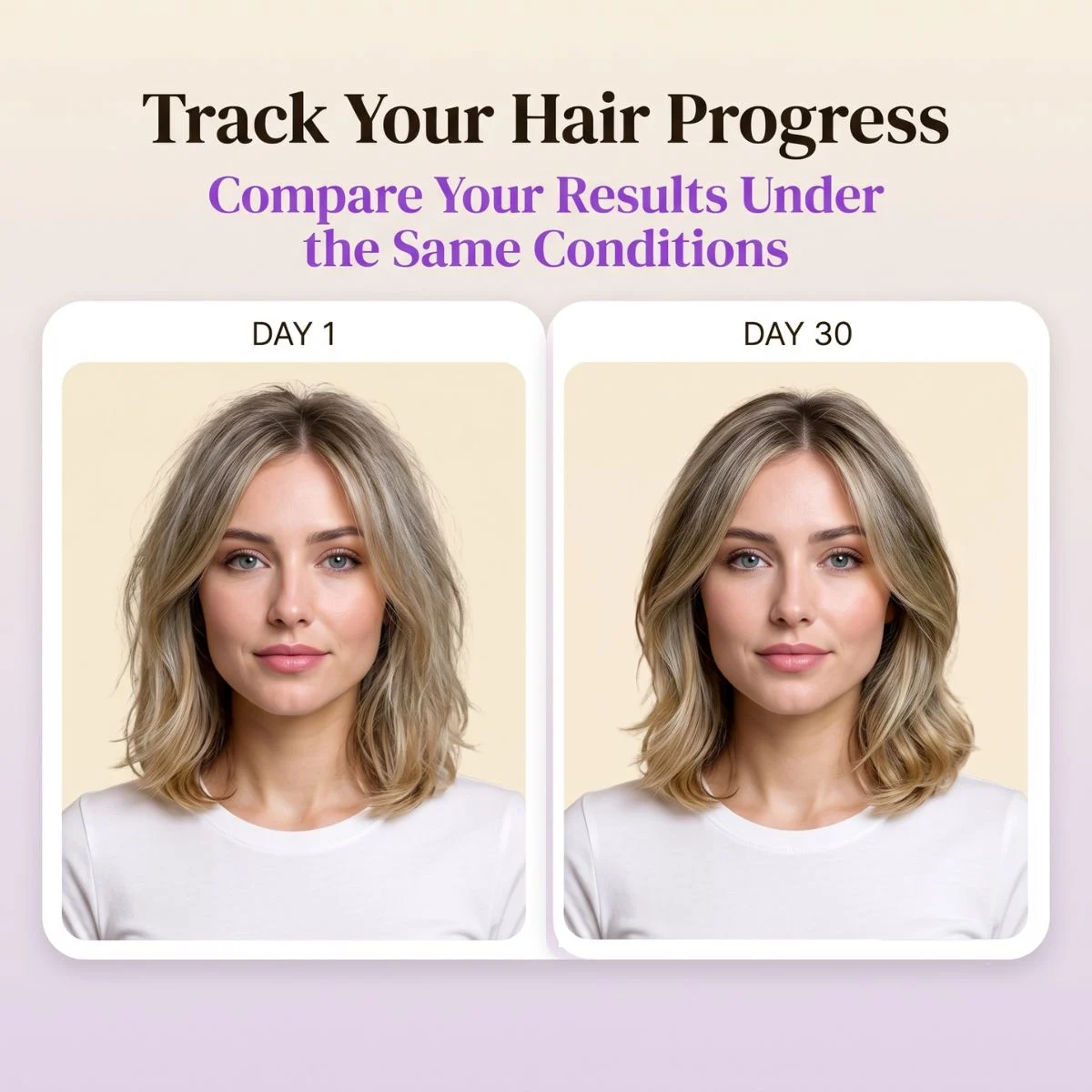
The landscape of hair care is undergoing a significant transformation, moving beyond the one-size-fits-all approach to embrace hyper-personalization. Brands like Prose and Function of Beauty are at the forefront of this movement, offering bespoke formulations for shampoo, conditioner, and treatments tailored to an individual’s unique hair texture, scalp condition, environmental factors, and desired outcomes. This innovative model diverges from traditional off-the-shelf products by collecting detailed personal data through online quizzes and consultations to create a truly customized blend. This comprehensive guide delves into the intricacies of custom hair care, exploring what it analyzes, the science behind its formulation, the research supporting its efficacy over generic options, and how consumers can effectively track their progress. Furthermore, it introduces a digital tool designed to provide personalized hair care tips and daily routine plans.
Understanding the Nuance of Custom Hair Care
Custom hair care represents a paradigm shift from simply selecting a product labeled "for curly hair" or "for color-treated hair." These broad categorizations, while convenient, often group millions of diverse hair types into a single, generalized solution. True customization, in contrast, begins with a deep dive into an individual’s specific hair and scalp characteristics. Brands typically gather information on natural hair texture and curl pattern, scalp behavior (such as oiliness, dryness, flakiness, or sensitivity), prevailing climate and humidity levels, styling habits including the use of heat tools, any history of chemical treatments like coloring or keratin smoothing, and clearly defined hair goals—be it increased volume, reduced frizz, or strengthened strands. This granular data then informs the creation of a bespoke formula, moving away from mass-produced blends intended for a diverse, undifferentiated consumer base.
Industry professionals emphasize the importance of detailed communication in achieving optimal results. A stylist’s tip suggests bringing the same level of detail to an in-salon consultation as one would provide in an online quiz. Experienced stylists can often recommend professional-grade alternatives to subscription formulas by understanding a client’s hair porosity, scalp type, and styling routine. This collaborative approach highlights the synergy between personalized product formulations and expert guidance.
The Science Behind Bespoke Formulations: How Brands Create Your Formula
The operational framework for most custom hair care brands shares a common methodology, despite variations in specific ingredients and proprietary technologies.
The Initial Digital Consultation
The process commences with a thorough online questionnaire, often augmented by photographic submissions of the user’s hair and scalp. For instance, Prose evaluates a multitude of inputs, encompassing hair and scalp characteristics, lifestyle choices, and environmental exposures, before generating a personalized recommendation. Function of Beauty employs a comparable quiz model, focusing on hair type, objectives, and scent preferences. This initial data collection is crucial for establishing a baseline understanding of the individual’s hair needs.
Algorithmic Translation to Formula
Upon submission of the questionnaire, sophisticated software algorithms translate the user’s responses into a tailored formula. These algorithms adjust the ratios of active ingredients based on the comprehensive profile. For example, an individual with fine, oily-prone hair residing in a humid climate might receive a lighter, more clarifying blend. Conversely, someone with coarse, color-treated hair in a dry environment would likely be prescribed a richer, bond-protecting formula with a higher concentration of emollients. This algorithmic approach ensures that the formulation directly addresses the specific challenges and goals identified during the consultation.

Batching and Personalized Labeling
The culmination of this process is the precise mixing and labeling of products specifically for each order. Often, bottles are personalized with the customer’s name, reinforcing the bespoke nature of the service. This model also allows for ongoing adjustments. Users can tweak their formula upon reordering to account for seasonal climate shifts, changes in their hair’s condition, or if the initial batch did not fully resolve their concerns. This iterative approach ensures continuous optimization of the hair care regimen.
Deconstructing the Limitations of Generic Shampoos
Several fundamental biological and chemical factors explain why identical commercial products can yield vastly different results across individuals.
The Critical Role of Hair Porosity
Hair porosity, defined as the hair shaft’s capacity to absorb and retain moisture, is a primary determinant of product performance. A gas-sorption study examining hair damage mechanisms revealed that chemical and UV exposure alter the pore structure of the hair shaft in distinct ways. Consequently, two individuals with similar histories of color-treated hair may still necessitate divergent moisture management strategies depending on the specific nature of the damage incurred. Understanding one’s hair porosity through dedicated tests—whether for custom or conventional products—provides a more informed starting point than mere guesswork.
Curl Structure and Oil Distribution
Research into the structure of curly hair has demonstrated that the inherent curl shape influences how sebum, the scalp’s natural oil, travels down the hair shaft and the amount of mechanical stress hair endures during daily handling. This phenomenon is a significant reason why moisturizing formulas designed for straight hair often prove insufficient for curly and coily textures, leading to under-conditioning.
Surfactant Chemistry and pH Levels
The cleansing agents in shampoos, known as surfactants, are not chemically neutral. Studies on shampoo pH have indicated that alkaline formulations increase the negative charge on the hair fiber surface. This heightened negative charge leads to increased friction between hair strands, resulting in a rougher feel and a greater propensity for tangling, particularly in porous or chemically treated hair. Custom formulas possess the advantage of precisely adjusting sulfate concentration and pH levels based on how an individual’s specific hair type responds, a level of control unattainable with mass-market, single-pH products.
Scalp Health as a Distinct Layer
For individuals with oily, flaky, or sensitive scalps, a skin-care-inspired approach that treats the scalp as a distinct layer, separate from the hair’s length and ends, often yields superior results compared to a single shampoo attempting to address all concerns simultaneously. This targeted approach acknowledges the unique needs of the scalp and its direct impact on hair health.
A Comparative Analysis: Custom Hair Care Versus Off-the-Shelf Solutions
The decision between custom and conventional hair care often hinges on several key factors:

| Factor | Custom Hair Care | Off-the-Shelf Hair Care |
|---|---|---|
| Formulation Basis | Derived from individual quiz or consultation data | Based on broad categories like "curly" or "color-treated" |
| Cost | $25 to $50+ per bottle, typically subscription-based | $5 to $25 per bottle, usually one-time purchase |
| Adjustability | Reformulated with each reorder to adapt to changing needs | Fixed formula; requires switching products if ineffective |
| Ideal Use Case | Complex concerns: unusual porosity, scalp sensitivity, multiple goals | Straightforward hair types without significant complications |
| Trial Speed | Slower; initial results observable after 4-8 weeks and a full bottle | Faster to test and replace if not a suitable match |
Limitations of Custom Hair Care: What It Cannot Address
It is crucial to understand that custom formulas are not a panacea for all hair and scalp issues. They cannot overcome medical hair loss conditions, active scalp infections, or structural damage to the hair fiber resulting from severe chemical treatments. Acknowledging these limitations is essential before committing to a subscription.
Embarking on a Custom Hair Care Journey
Initiating a custom hair care routine requires a deliberate approach to maximize its potential benefits.
The Importance of Detailed Intake
Begin by engaging with the most comprehensive quiz or consultation offered by a brand. The specificity of answers regarding porosity, scalp type, climate, and styling habits directly influences the accuracy of the initial formula. A rushed or superficial intake is likely to result in a formula that is only marginally more personalized than a generic drugstore product.
Patience for Efficacy
Commit to using a full bottle of the custom product, typically for 4 to 8 weeks of regular use, before evaluating its effectiveness. Hair responds gradually to changes in formulation, and switching products prematurely can prevent one from experiencing the full benefits of a precisely calibrated treatment.
Consistent Progress Tracking
To accurately gauge results, consistently document changes in hair texture, frizz, and shine using photographs taken at regular intervals. This method provides a more objective measure than relying on memory, which can normalize gradual improvements.
Navigating Formula Adjustments
If the initial formula falls short of expectations, utilize the brand’s feedback or reformulation options. Most subscription services can adjust formulations based on user input, and a second iteration often yields significantly better results after pinpointing the issues with the first. Focusing on styling and layering complementary products while awaiting formula adjustments can be more effective than starting over with a new company.
Common Pitfalls in Custom Hair Care Subscriptions
Several common mistakes can hinder the success of a custom hair care regimen:

- Rushing the Intake Quiz: A superficial completion of the initial questionnaire leads to a generic-leaning formula, diminishing the personalization aspect.
- Product Stacking Inconsistencies: Combining a custom shampoo with unrelated, heavy leave-in products from different lines can counteract the targeted benefits of the custom formula.
- Premature Quitting: Judging a custom formula after a single wash or even a week is insufficient. The cumulative effects of consistent use are necessary to observe significant improvements.
For those uncertain about the role of sulfates in their hair care, exploring sulfate-free alternatives can provide a valuable comparison point before committing to a custom solution.
Enhancing Hair Care Habits with Digital Tools
While custom hair care brands provide personalized products, digital applications can complement this approach by offering structured guidance and daily support. The HairHunt app, for example, features a "Your Hair Care Plan" section designed to build consistent hair care habits. This tool provides a personalized routine and daily tips based on an individual’s hair type and current condition, eliminating guesswork.
Within the app, users can track their progress and build streaks with an interactive checklist for daily hair care steps, fostering commitment to their new regimen. The accuracy of the generated routine depends on the precision of the initial hair state and type quiz. Daily insights from the app serve as timely reminders of best practices, helping users avoid common styling errors. The HairHunt app, available on iOS and Android, is free to download and integrates its hair care planning tools with its hairstyle try-on features, offering a holistic approach to hair wellness and style exploration.
Frequently Asked Questions About Custom Hair Care
Is Custom Hair Care Worth the Higher Price?
The value of custom hair care is contingent on the complexity of an individual’s hair needs. For those with unusual hair types or scalp sensitivities, it can be a cost-effective solution by eliminating the trial-and-error process of purchasing ineffective products. However, for individuals with straightforward hair types, well-chosen conventional products may offer comparable results at a lower price point.
How Long Before I See Results from a Custom Formula?
Consistent use for 4 to 8 weeks, equivalent to approximately one full bottle, is generally recommended before assessing the effectiveness of a custom formula. The slow pace of hair growth and product buildup necessitates this extended trial period.
Can Custom Hair Care Fix Hair Loss?
No. Custom shampoos and conditioners are formulated to address cosmetic concerns such as dryness, frizz, and shine. They do not treat the underlying hormonal or autoimmune causes of conditions like pattern hair loss or alopecia areata. Medical conditions causing thinning should be addressed by a dermatologist.
Do I Need to Retake the Quiz If My Hair Changes?
Yes. Significant life events such as pregnancy, menopause, relocation to a different climate, or new chemical treatments can alter hair needs. Most custom brands allow users to update their profiles before reordering to ensure the formula remains aligned with their current hair condition.

Are Apps Like HairHunt a Replacement for a Custom Formula Brand?
No, these serve distinct purposes. Custom hair care brands formulate physical products, while apps like HairHunt act as educational guides, providing personalized plans and insights to optimize hair care practices. Future updates are planned to expand the app’s functionality.
What Should I Do if a Custom Formula Does Not Work for My Hair?
Instead of abandoning the concept of custom hair care, utilize the brand’s feedback or reformulation services. Most subscription services are adept at adjusting formulas based on user input, and a second iteration frequently proves significantly more effective after specific issues are identified.
The true efficacy of custom hair care lies in its data-driven approach, leveraging individual hair characteristics over broad generalizations. Whether opting for a subscription service, stylist-recommended products, or a combination, consistency in daily hair care routines is paramount to allow custom ingredients the necessary time to exert their full benefits.
Sources
[Original article’s sources would be listed here, if available and verifiable.]
Disclaimer: Hair results are subject to individual variations in natural hair type, texture, density, and condition. Consult with a licensed hairstylist or dermatologist for significant changes to your hair care routine, especially if you have a sensitive scalp or existing skin conditions. Photos may depict styled results achievable with specific products and techniques.
