
 By Jia Lissa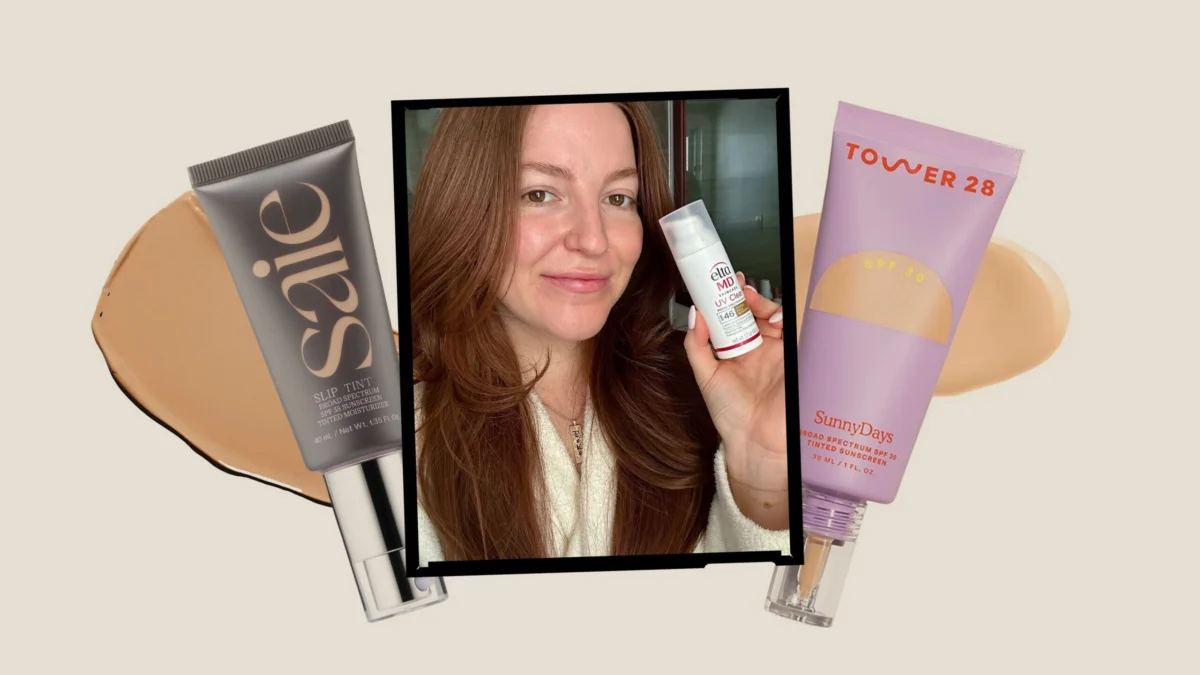
Tinted sunscreens are rapidly gaining traction in the beauty and skincare industry, moving beyond their initial role as mere cosmetic enhancers to offer a more comprehensive approach to sun protection. These innovative formulations are appealing to a growing segment of consumers seeking multi-functional products that not only shield the skin from harmful ultraviolet (UV) radiation but also provide additional benefits, such as protection against visible light and improved cosmetic wearability. This evolution reflects a deeper consumer understanding of the multifaceted nature of sun damage and a demand for sophisticated, efficient skincare solutions.
The Multifaceted Appeal of Tinted Sunscreens
The primary differentiator between tinted and regular sunscreens lies in the inclusion of iron oxides. These naturally occurring mineral pigments are responsible for the tint in these formulations, but their role extends far beyond aesthetics. According to Dr. Olamiju, a prominent dermatologist, iron oxides possess the crucial ability to shield the skin from visible light, a spectrum that includes both sunlight and the blue light emitted by digital devices. This is a significant advantage over traditional sunscreens, which primarily focus on blocking UVA and UVB rays.
Visible light, particularly in its higher energy forms, has been increasingly recognized for its detrimental effects on the skin. It can exacerbate pre-existing conditions such as melasma and post-inflammatory hyperpigmentation (PIH), leading to persistent discoloration and uneven skin tone. By incorporating iron oxides, tinted sunscreens offer an additional layer of defense against these light-induced concerns, making them a valuable tool for individuals prone to or seeking to manage these dermatological issues.
Furthermore, tinted sunscreens address a long-standing challenge associated with traditional mineral sunscreens: the dreaded "white cast." Many mineral-based sunscreens, while effective, can leave a chalky, opaque residue on the skin, particularly on deeper skin tones. The pigments in tinted formulations effectively camouflage this white cast, creating a more natural and seamless finish. Dr. Olamiju notes that this not only helps in minimizing the visual presence of the sunscreen but also serves to camouflage existing discoloration on the skin, offering an immediate cosmetic benefit.
Beyond the enhanced protective and corrective qualities, the practicality of tinted sunscreens is a major draw. Dr. Spearman, another leading dermatologist, highlights that these products appeal to a broad patient base because they elegantly merge daily UV protection with an immediate aesthetic improvement. This dual functionality simplifies skincare routines and encourages consistent daily application, a critical factor in achieving long-term sun protection benefits. The convenience of a single product that offers both defense and cosmetic enhancement makes it an attractive option for busy individuals seeking effective yet efficient skincare solutions.
Understanding the Different Types of Tinted Sunscreens
The market now offers a variety of tinted sunscreens, broadly categorized into mineral, chemical, and hybrid formulations. The distinction lies primarily in their mechanisms of action against UV radiation.
Mineral Tinted Sunscreens: These formulations utilize physical blockers, namely zinc oxide and titanium dioxide. These ingredients work by creating a physical barrier on the skin’s surface that reflects and scatters UV rays away from the body. Dr. Spearman points out that mineral-based sunscreens are generally well-tolerated, even by individuals with sensitive or reactive skin types, making them a preferred choice for those prone to redness, irritation, or allergic reactions. The iron oxides in these formulas provide the tint while the mineral filters offer robust UV protection.
Chemical Tinted Sunscreens: In contrast, chemical sunscreens function by absorbing UV radiation. Once absorbed, they convert the UV rays into heat, which is then released from the skin. These formulations often offer a lighter, more cosmetically elegant feel and tend to be more transparent. However, Dr. Olamiju cautions that some individuals may experience eye irritation if chemical sunscreen drips into the eyes, a potential drawback to consider for those with sensitive eye areas or during strenuous activities.
Hybrid Tinted Sunscreens: As the name suggests, hybrid sunscreens combine the benefits of both mineral and chemical filters. According to Dr. Spearman, these formulations leverage both physical blocking and UV absorption to provide a balanced approach to sun protection. This combination aims to offer the broad-spectrum defense and skin-friendliness of mineral filters with the often lighter texture and less visible finish associated with chemical filters, striking a balance between efficacy, comfort, and cosmetic appeal.
The development of these distinct formulations caters to a diverse range of skin types, concerns, and personal preferences, ensuring that there is a tinted sunscreen option available for nearly everyone.
Rigorous Testing and Expert-Driven Evaluation
The efficacy and quality of beauty products, especially those related to skincare and sun protection, are paramount. Publications like Allure employ a rigorous testing methodology to ensure that their recommendations are based on comprehensive evaluation and expert insights. When Allure tests a product, the process begins with a meticulous review of its ingredients, scrutinizing the claims made by the brand, and, where appropriate, examining relevant peer-reviewed scientific and medical studies. This multi-pronged approach ensures that the products featured meet high standards of performance and safety.
In addition to in-house testing, Allure collaborates with experts who are leaders in their respective fields, including dermatology, cosmetic chemistry, and medicine. These specialists play a crucial role in vetting ingredients and formulas, providing an invaluable layer of scientific and medical credibility to the product assessments. This collaborative effort allows for a deeper understanding of how products perform under various conditions and for different skin types.
For the specific evaluation of tinted sunscreens, Allure‘s editorial team assessed each product across five key categories: product ingredients and efficacy, packaging, fragrance, texture, and product wear. The editorial team, composed of in-house writers, editors, and external contributors, rigorously tested every product. Dermatologists also provided special consideration, offering their expert opinions to further refine the evaluation. This comprehensive testing protocol, detailed further on their reviews process and methodology page, aims to provide consumers with reliable and trustworthy product recommendations.
The Importance of Diverse Testing Perspectives
Allure emphasizes that beauty product selection is inherently personal, driven by individual needs and concerns, whether it’s addressing dryness, exploring new self-care rituals, or staying abreast of the latest product launches. To ensure their recommendations resonate with a broad audience, Allure is committed to a diverse testing team. This commitment stems from the belief that a truly comprehensive assessment of a beauty product requires input from individuals representing a wide spectrum of ages, skin tones, hair textures, genders, and backgrounds.
The publication poses rhetorical questions that underscore this philosophy: Can a product truly be deemed "best" for individuals over 50 if the testing pool solely consists of those under 30? Can a high-end diffuser be confidently recommended if it hasn’t been tested on curly hair textures? By actively cultivating a staff and a network of testers that reflect the diversity of their readership, Allure strives to ensure that its assessments are fair, accurate, and relevant to everyone. This inclusive approach to product testing is foundational to their mission of helping consumers discover and love the beauty products they purchase.
Broader Implications and Future Trends
The growing popularity of tinted sunscreens signals a significant shift in consumer awareness and expectations regarding sun protection. As scientific research continues to illuminate the complex ways in which environmental factors impact skin health, the demand for sophisticated, multi-benefit products is likely to intensify. The integration of visible light protection, coupled with improved cosmetic finishes and diverse formulation options, positions tinted sunscreens as a cornerstone of modern skincare routines.
This trend is not confined to the beauty aisle; it reflects a broader societal movement towards proactive health management and a desire for products that offer tangible, visible results. As awareness of the long-term consequences of sun exposure, including premature aging and an increased risk of skin cancer, continues to grow, consumers are actively seeking effective and convenient ways to incorporate sun protection into their daily lives. Tinted sunscreens, with their inherent advantages, are well-positioned to meet this evolving demand.
The continued innovation in sunscreen technology, driven by advancements in ingredient science and formulation techniques, promises even more sophisticated products in the future. We may see the development of tinted sunscreens with enhanced antioxidant properties, specific skin-targeting benefits, or even adaptive tinting technologies that better match a wider range of skin tones. The trajectory suggests that sun protection is no longer solely about preventing burns but about comprehensive skin health and well-being, with tinted sunscreens leading the charge in this exciting new era.
