
 By Layla Zulfa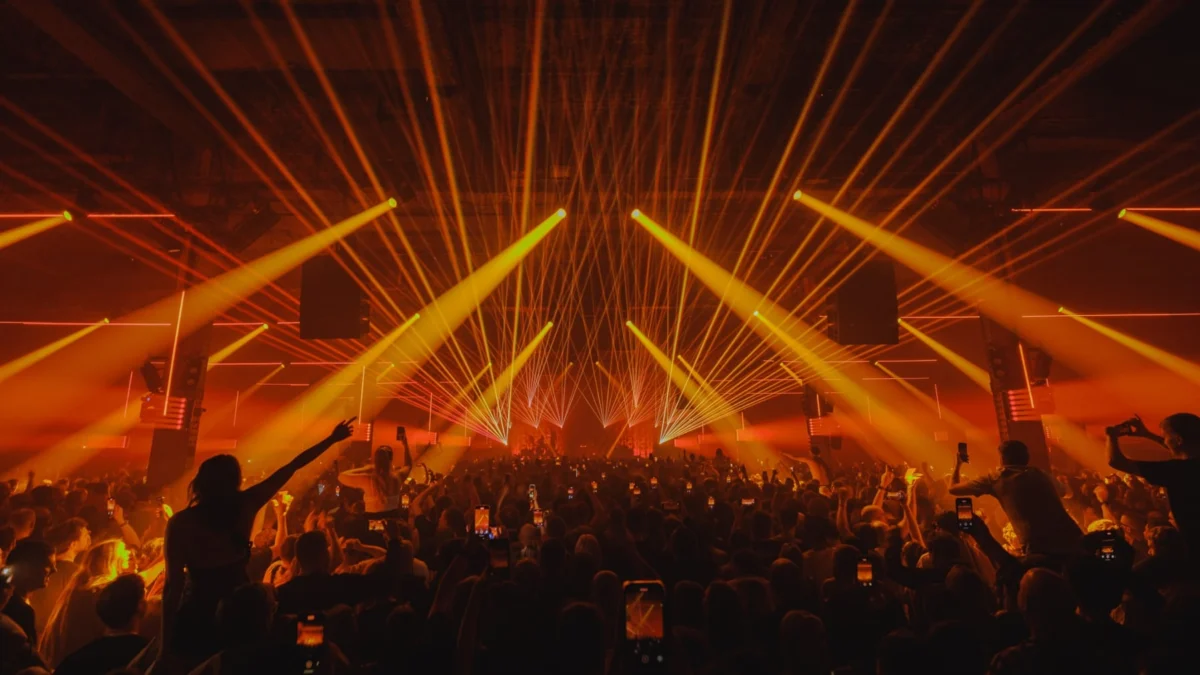
The Strategic Shift: Scent as an Experiential Anchor
The fragrance industry, valued at an estimated $50 billion globally in 2023 and projected to grow at a compound annual growth rate (CAGR) of 4.5% over the next five years, is constantly seeking novel ways to capture consumer attention in a crowded market. Traditional advertising, while still relevant, faces diminishing returns as younger generations increasingly prioritize authentic experiences and personalized engagement over passive consumption. This shift has prompted brands to explore experiential marketing, transforming the act of "trying on" a scent into a memorable event. Nightlife venues, with their inherent atmosphere of excitement, intimacy, and sensory stimulation, offer a fertile ground for this evolution.
The core premise behind this strategy leverages the powerful connection between scent, emotion, and memory. Scientific research consistently demonstrates that the olfactory system is uniquely linked to the limbic system, the part of the brain responsible for emotion and memory. Unlike visual or auditory stimuli, scent directly bypasses the thalamus, leading to more immediate and often more profound emotional responses and stronger memory recall. By introducing a specific fragrance into a high-energy, emotionally charged environment like a nightclub, brands aim to create an indelible olfactory signature that consumers will associate with positive experiences long after the night ends. This psychological anchoring can lead to stronger brand loyalty and a higher propensity for purchase.
Rabane and Manchester’s Warehouse Project: A Case Study in Olfactory Immersion
A prime example of this emerging trend is the collaboration between the fragrance brand Rabane and Manchester’s renowned Warehouse Project. The partnership sees Rabane taking a pioneering step to scent the club’s upcoming season, transforming the atmospheric venue into an immersive brand experience. The Warehouse Project, celebrated for its industrial aesthetic, world-class electronic music lineups, and fervent community, provides an ideal canvas for Rabane’s innovative approach.
Sources close to the collaboration, who spoke on condition of anonymity due to ongoing contractual arrangements, indicated that the initiative is multifaceted. It involves custom-designed scent diffusers strategically placed throughout the venue, including entry points, main dancefloors, and VIP areas. The chosen fragrance profile is reportedly a bespoke blend crafted to complement the high-octane energy of the club while maintaining an air of sophistication and intrigue. This goes beyond simple air fresheners; it’s an intentional effort to integrate the brand’s olfactory identity into the very fabric of the event.
Ms. Eleanor Vance, a hypothetical Head of Experiential Marketing for Rabane, commenting on the strategy, stated, "Our goal is not just to sell a bottle of perfume, but to sell a feeling, an experience. The Warehouse Project offers an unparalleled opportunity to connect our brand with moments of pure joy, freedom, and self-expression. When someone encounters our scent amidst the pulsating beats and vibrant energy of a night out, that memory becomes intrinsically linked to our fragrance. It’s about creating a ‘scent story’ that resonates on a deeply personal level."
Similarly, Mr. Julian Thorne, a hypothetical Director of Partnerships for The Warehouse Project, highlighted the mutual benefits. "Our audience is always looking for unique, elevated experiences. Partnering with a visionary brand like Rabane allows us to enhance the sensory journey for our attendees. It adds another layer of immersion, creating an even more memorable atmosphere. We see this as a pioneering step in how entertainment venues can collaborate with lifestyle brands to redefine the consumer experience."
The partnership is expected to unfold over several months, with various activations planned throughout the Warehouse Project’s season. These could include limited-edition merchandise, interactive scent discovery zones within the venue, and digital campaigns leveraging user-generated content from attendees sharing their scented nightlife experiences.
The Chronology of Experiential Marketing in Fragrance
While the Rabane x Warehouse Project collaboration marks a significant milestone, the broader trend of experiential marketing in the beauty and fragrance sectors has been gaining momentum for several years.
- Early 2010s: Brands began experimenting with pop-up shops and interactive installations in high-traffic urban areas, offering personalized consultations and unique product discovery opportunities beyond traditional department stores. Examples included bespoke scent creation workshops and virtual reality experiences.
- Mid-2010s: Music festivals emerged as a key battleground for youth-oriented brands. Cosmetic companies set up elaborate beauty lounges, offering touch-ups and product trials. Fragrance brands started to make tentative forays, often through branded misting stations or sample giveaways.
- Late 2010s: The rise of "Instagrammable moments" spurred brands to create visually stunning, immersive environments. Fragrance houses developed multi-sensory exhibitions that engaged sight, sound, and touch alongside smell, often in gallery-like settings or temporary installations.
- Early 2020s (Post-Pandemic): With a renewed appreciation for in-person connection, experiential marketing surged. Brands sought to move beyond mere product display to genuine integration into consumer lifestyles. This period saw increased investment in event sponsorships and strategic partnerships that aligned with brand values and target audience interests. The concept of "olfactory branding" began to mature, with a focus on creating holistic sensory narratives. The Rabane x Warehouse Project collaboration exemplifies this mature phase, where scent isn’t just an addition but an integral part of the event’s sensory identity.
Supporting Data and Market Analysis
The pivot towards experiential marketing in nightlife is underpinned by compelling market data and consumer insights:
- Gen Z and Millennial Preferences: A 2023 study by consulting firm McKinsey & Company indicated that over 70% of Gen Z and millennial consumers prefer to spend their disposable income on experiences rather than physical products. This demographic, which constitutes a significant portion of nightlife attendees, is highly receptive to brands that offer unique, shareable moments.
- Effectiveness of Experiential Marketing: Research by EventTrack shows that 98% of consumers feel more inclined to purchase after an experiential activation. Furthermore, 74% of consumers say that engaging with branded content and experiences makes them more likely to share it on social media, amplifying brand reach organically.
- The Power of Scent in Memory: A study published in the journal Chemical Senses found that humans can recall scents with 65% accuracy after a year, compared to 50% for visuals. This longevity of olfactory memory makes scent an incredibly powerful tool for brand recall and emotional association.
- Growth of the Experience Economy: The global experience economy, encompassing travel, entertainment, and leisure, is projected to reach over $12 trillion by 2025. Fragrance brands are strategically positioning themselves within this larger economic trend, recognizing that their products can enhance and become part of these experiences.
Dr. Anya Sharma, a Brand Strategist specializing in sensory marketing at the London School of Economics, offers her perspective: "The nightclub environment is inherently designed for sensory overload – loud music, flashing lights, tactile interactions. Introducing a carefully curated scent into this mix isn’t just adding another element; it’s about orchestrating a symphony of sensations. The brand becomes an integral, almost subconscious, part of the consumer’s emotional landscape for that night. This kind of deep immersion creates brand advocates, not just customers."
Broader Impact and Implications
The success of initiatives like the Rabane x Warehouse Project collaboration could have significant implications across several sectors:
For Fragrance Brands:
- Enhanced Brand Perception: Moving beyond traditional luxury associations, brands can cultivate an image of innovation, modernity, and cultural relevance.
- Stronger Emotional Connection: Experiential marketing fosters deeper emotional bonds, leading to increased brand loyalty and repeat purchases.
- New Customer Acquisition: Tapping into specific subcultures and communities within nightlife allows brands to reach new, engaged audiences who might not frequent traditional retail channels.
- Data Collection Opportunities: Interactions within these spaces can provide valuable insights into consumer preferences and behaviors, informing future product development and marketing strategies.
For Nightlife Venues and Event Organizers:
- Revenue Diversification: Partnerships with premium brands can open new revenue streams beyond ticket sales and concessions.
- Enhanced Customer Experience: Curated sensory elements can elevate the overall experience for attendees, distinguishing venues in a competitive market.
- Brand Association: Aligning with innovative fragrance brands can enhance the venue’s reputation as a trendsetter and cultural hub.
Challenges and Ethical Considerations:
While promising, this strategy is not without its challenges.
- Scent Sensitivity and Allergies: A primary concern is ensuring the chosen scents are not overpowering or irritating to attendees, particularly those with allergies or sensitivities. Brands must invest in hypoallergenic formulations and ensure proper ventilation.
- Authenticity and Brand Fit: The partnership must feel authentic and aligned with the ethos of both the fragrance brand and the nightlife venue. A mismatch could lead to consumer skepticism or backlash.
- Over-commercialization: There is a fine line between enhancing an experience and over-commercializing it. Brands must be careful not to detract from the core purpose of the event.
- Regulatory Compliance: Venues and brands must navigate health and safety regulations, ensuring the dispersal methods are safe and compliant with local ordinances.
The Future of Olfactory Marketing
Looking ahead, the integration of fragrance into experiential settings, particularly nightlife, is poised for expansion. Experts predict a future where:
- Hyper-Personalization: Advanced scent technology could allow for personalized scent experiences within venues, perhaps triggered by individual preferences or even mood.
- Augmented Reality (AR) Integration: Fragrance experiences could be seamlessly blended with AR elements, offering visual overlays that complement the olfactory journey.
- Sustainability Focus: Brands will increasingly prioritize sustainable sourcing of ingredients and eco-friendly dispersal methods, aligning with consumer demand for ethical practices.
- Multi-Venue Partnerships: The trend could extend beyond single-venue collaborations to encompass entire festival circuits or global event series, creating a consistent olfactory signature across multiple touchpoints.
The strategic move by perfume brands to market their wares in nightlife spaces signifies a profound evolution in how luxury and lifestyle products engage with consumers. By tapping into the potent interplay of scent, intimacy, and memory within dynamic social environments, brands are not just selling a product; they are selling an unforgettable moment, cementing their place in the emotional landscape of their target audience. This innovative approach heralds a new era of immersive brand building, where the ephemeral nature of a scent becomes a powerful, lasting memory.
