
 By Layla Zulfa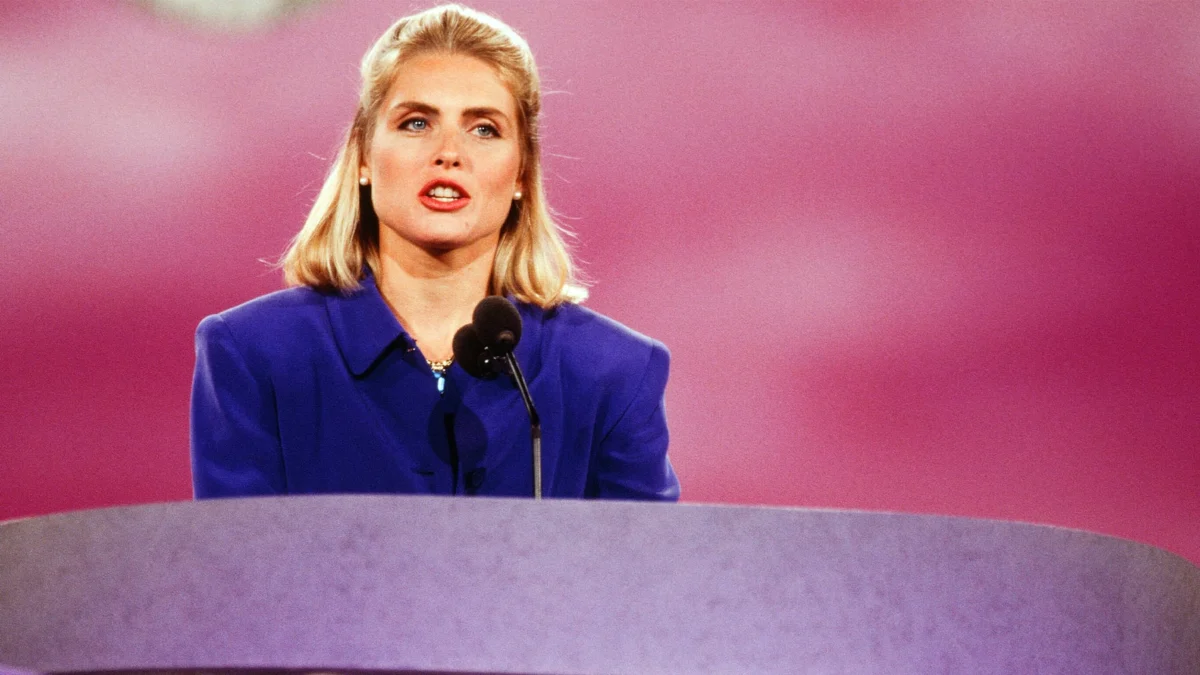
From the meticulously coiffed "conservative bombshells" of past decades to the more recent caricatures of "blue-haired liberals," hair has long served as a subtle yet potent indicator of political affiliation. This visual shorthand, deeply embedded in cultural perceptions, has offered a quick, if often misleading, glance into an individual’s ideological leanings. However, a significant shift is underway: these traditional stereotypes are rapidly eroding, even as the broader landscape of political polarization intensifies across many societies. This paradoxical trend reveals a fascinating interplay between personal expression, cultural evolution, and the enduring human need to categorize, even when those categories become increasingly fluid.
The Historical Roots of Hair as a Political Statement
The notion of hair carrying political weight is far from new, tracing its origins through centuries of societal change. In the early 20th century, the bobbed hair of the Flapper generation in the 1920s symbolized a radical break from Victorian constraints and a nascent feminist spirit, challenging established norms of femininity and decorum. Similarly, the practical, often simpler hairstyles adopted by suffragettes conveyed a seriousness of purpose that eschewed frivolous vanity, aligning their appearance with their political objectives.
The mid-20th century, particularly the post-World War II era, solidified many of the hair-based political archetypes that persisted for decades. The 1950s and early 1960s saw the rise of the impeccably styled "bouffant" or "beehive," often associated with conservative values, traditional womanhood, and an aspirational suburban lifestyle. Figures like Jackie Kennedy epitomized a refined elegance that resonated with mainstream, often conservative, sensibilities. Conversely, the burgeoning counter-culture movements of the 1960s and 70s weaponized hair as a symbol of rebellion. Long, untamed hair became synonymous with the anti-establishment, peace, and civil rights movements, directly contrasting with the shorter, more regimented styles favored by military and corporate figures. The Afro, in particular, became a powerful statement of Black pride, cultural identity, and political resistance against systemic oppression, profoundly linking a hairstyle to a specific socio-political movement.
The 1980s brought a new wave of power dressing and "big hair," often voluminous and heavily styled, particularly among women navigating corporate America. This aesthetic, while not exclusively conservative, frequently aligned with the era’s emphasis on ambition, wealth, and a certain kind of "can-do" individualism often championed by right-leaning politics. Simultaneously, punk and new wave aesthetics, characterized by spiky, brightly colored, or dramatically asymmetrical cuts, continued the tradition of using hair as a defiant political statement against mainstream culture and Thatcherite/Reaganite policies.
The image of model Kim Alexis at the 1996 Republican National Convention, with her classic blonde, somewhat voluminous style, perfectly encapsulates how a certain aesthetic persisted within conservative circles well into the late 20th century. For many, this "blonde bombshell" look, polished and traditionally feminine, became almost a uniform for conservative women in the public eye, signaling adherence to a particular set of values that prioritized conventional beauty and a perceived sense of order.
The Contemporary Landscape: Stereotypes Under Siege
While these historical associations laid a strong foundation, the early 21st century, particularly with the advent of pervasive digital media and the acceleration of cultural trends, has witnessed a gradual but undeniable dismantling of these rigid hair-political correlations. What once seemed like clear signals are now increasingly muddled, even contradictory.
The term "blue-haired liberal," for instance, emerged as a pejorative, often used to dismiss individuals perceived as overly progressive or radical. The bright, unnatural hair color, historically associated with subcultures like punk or goth, became a shorthand for perceived non-conformity and an embrace of "woke" ideologies. However, the reality on the ground is far more complex. The proliferation of accessible hair dyes, tutorials, and social media platforms like Instagram and TikTok has democratized alternative hair colors. It’s no longer uncommon to see individuals of all ages and political persuasions experimenting with vibrant hues. A recent informal survey by a beauty industry trade group, for example, noted a 35% increase in consumers over 40 experimenting with non-traditional hair colors in the past five years, suggesting that "blue hair" is increasingly a matter of personal aesthetic choice rather than a definitive political declaration.
Similarly, the "conservative bombshell" archetype is evolving. While a polished, classic look still holds sway in some traditional conservative circles, younger generations, even those identifying as politically conservative, are embracing a wider array of styles, including edgier cuts, subtle highlights, or even more relaxed, natural looks. The rise of "tradwives" on social media, for instance, often features women with a curated vintage aesthetic that, while traditionally feminine, doesn’t always conform to the specific blonde, voluminous style of their predecessors. This suggests a broadening of what constitutes "conservative beauty."
Factors Driving the Erosion of Hair Stereotypes
Several interconnected factors contribute to this erosion:
- Democratization of Beauty: The beauty industry has become more inclusive and diverse. Products for all hair types, textures, and colors are widely available. Social media tutorials empower individuals to experiment with styles and colors that were once the domain of professional salons or niche subcultures.
- Increased Personal Expression: Modern society places a higher value on individual authenticity and self-expression. Hair is seen as a canvas for identity, allowing people to project aspects of their personality rather than rigidly adhere to group-based aesthetic norms.
- Blurring of Subcultures: The internet has fractured and recombined subcultures. What was once niche or counter-cultural can quickly become mainstream, and vice-versa. This fluidity makes it difficult for any single hairstyle or color to maintain exclusive symbolic ownership by one political group.
- Globalization of Trends: Fashion and beauty trends are no longer confined by national or ideological borders. Influencers from diverse backgrounds share styles that transcend traditional political or cultural associations.
- Rejection of Simplistic Labels: As political discourse becomes more nuanced and complex, many individuals actively resist being pigeonholed by superficial markers. A person with an edgy haircut might hold surprisingly traditional views, and vice versa.
"Hair, much like fashion itself, has always been a language, but its lexicon is expanding at an unprecedented rate," observes Dr. Eleanor Vance, a cultural sociologist at the University of California. "What once signaled clear tribal affiliations now often speaks to individual artistry, a rejection of simplistic categorization, or simply a desire for personal aesthetic pleasure. The codes are no longer universally understood, which makes political messaging based on such cues increasingly unreliable."
The Paradox of Deepening Polarization
The most striking aspect of this trend is its occurrence amidst a period of profound and deepening political polarization. If superficial markers like hair are becoming less reliable indicators of political alignment, why are societal divisions simultaneously sharpening?
This paradox suggests that while the visual shorthand for political identity is fading, the underlying ideological divides are becoming more entrenched. People may be expressing themselves more freely through their appearance, unburdened by old stereotypes, but their core political beliefs are hardening. This makes the political landscape both more visually diverse and ideologically rigid.
"Political strategists are facing a new challenge," notes Marcus Thorne, a veteran political consultant. "Relying on old visual stereotypes in campaign advertising or public outreach is increasingly risky, even counterproductive. The electorate is far more diverse in its aesthetic choices, and what you see might not be what you get ideologically. A polished, traditional look doesn’t guarantee a conservative vote, just as vibrant hair color doesn’t automatically signal a progressive agenda. Engagement now requires deeper understanding beyond the surface."
This phenomenon could also be interpreted as a form of cultural camouflage. In an era where political affiliations can lead to social friction, individuals might consciously or unconsciously adopt styles that defy easy categorization, allowing them to navigate diverse social circles without immediately broadcasting their political stance. Conversely, it could simply reflect a society that, while deeply divided on policy, has become more tolerant of aesthetic differences, seeing personal style as separate from political conviction.
Implications for Identity, Communication, and Society
The erosion of hair-political stereotypes has several significant implications:
- For Individual Identity: It frees individuals from the pressure to conform to an aesthetic that aligns with their political group, fostering greater authenticity and personal expression. People can define their identity more broadly, rather than being confined by predefined visual boxes.
- For Political Communication: Political campaigns and media outlets must move beyond superficial appearances. A focus on policy, values, and nuanced messaging becomes even more critical when visual cues are no longer reliable shortcuts. This could lead to more substantive political discourse, or, conversely, to a greater reliance on less visible, more sophisticated data points for voter profiling.
- For Social Cohesion: While the breaking down of stereotypes is generally positive, the paradox of deepening polarization suggests that this aesthetic fluidity doesn’t necessarily translate into greater ideological understanding or reduced friction. It merely means that our visual cues for "us" and "them" are becoming less clear, perhaps making it harder to identify allies and opponents based on outward appearances.
- For the Beauty Industry: The trend reinforces the industry’s shift towards personalization and inclusivity. Brands that embrace diverse aesthetics and avoid segmenting their audience based on outdated stereotypes are likely to thrive.
As we move further into the 21st century, the relationship between appearance and political identity will continue to evolve. While hair may no longer be a straightforward political barometer, its changing role reflects a broader cultural transformation—one where personal expression is prioritized, stereotypes are challenged, and the complexities of human identity defy simplistic categorization. The challenge remains to understand the underlying ideological divides that persist, even as the superficial markers that once defined them slowly fade into a more diverse and unpredictable aesthetic landscape.
