
 By admin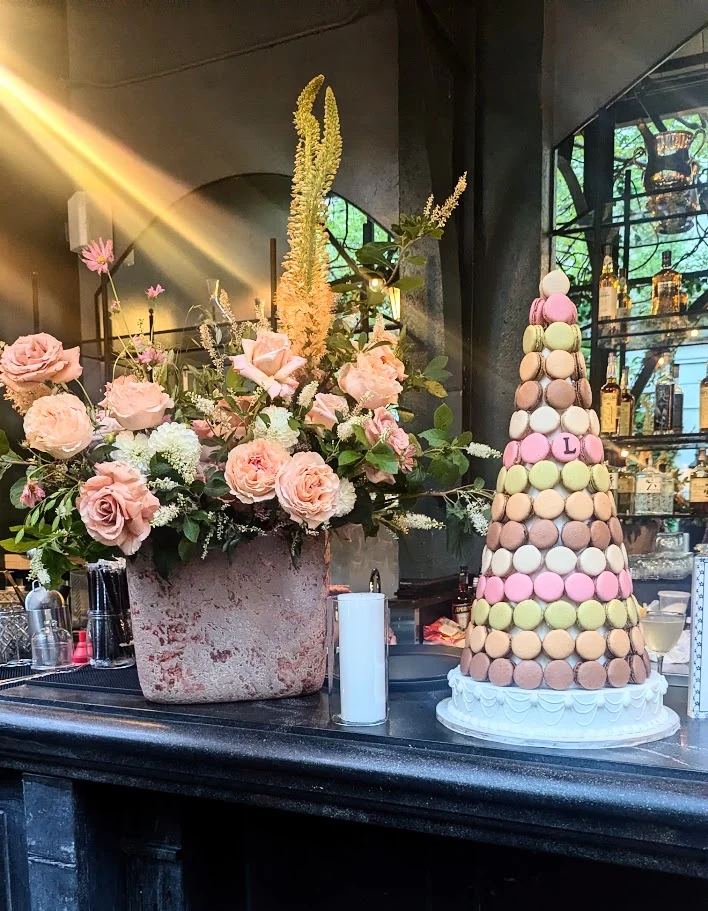
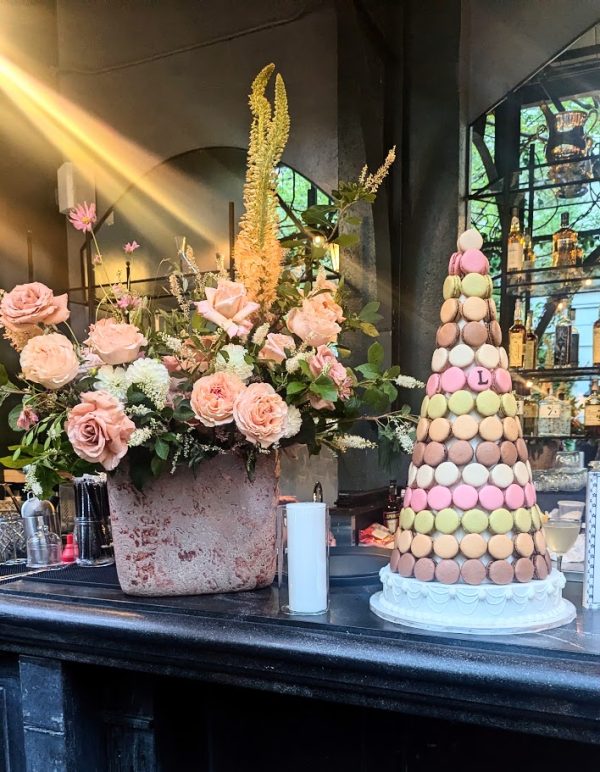
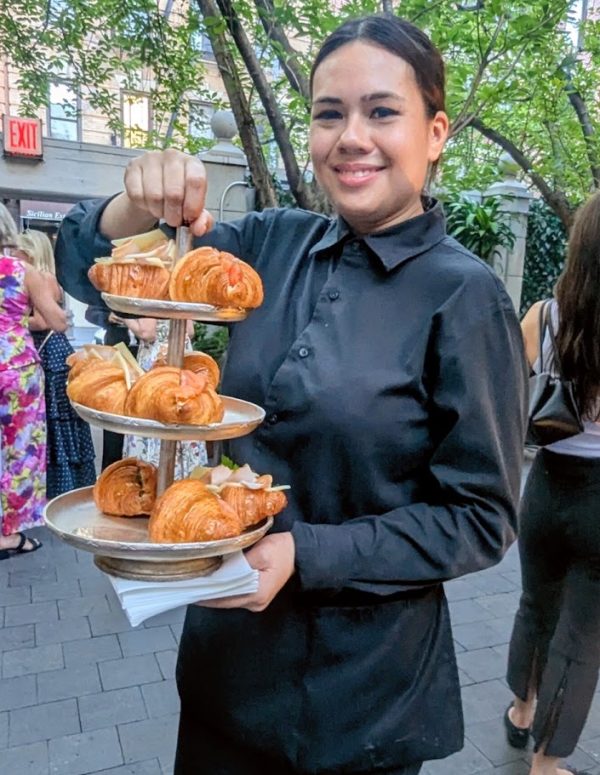
In the heart of Manhattan’s Soho district, the historic French corsetry house Simone Pérèle recently hosted an intimate gathering at Ladurée to celebrate the return and evolution of its iconic Plume collection. The event, which drew a curated audience of fashion industry leaders, stylists, and long-standing brand partners, served as a bridge between the company’s storied 1972 archives and the demands of the modern 21st-century consumer. Against the backdrop of Ladurée’s classic Parisian aesthetic—a setting synonymous with French refinement—the brand showcased how a design originally conceived over half a century ago has been meticulously re-engineered to provide invisible support and contemporary comfort. The evening was characterized by a fusion of cocktails, refined culinary offerings, and a focused look at the technical advancements that define the new Plume range, marking a significant chapter in the brand’s ongoing North American expansion.
The Architectural Legacy of Plume: From 1972 to the Present
The Plume collection is not merely a new product launch but a revival of a pivotal moment in lingerie history. Originally introduced by Madame Simone Pérèle in 1972, the collection was a response to the shifting cultural landscape of the early 1970s. As women’s fashion moved toward more fluid, natural silhouettes, the lingerie industry faced the challenge of providing support without the rigid, restrictive structures of the previous decades. The 1972 Plume was revolutionary for its time, utilizing what was then cutting-edge airy lace and precision-engineered support to offer a "second skin" feel.
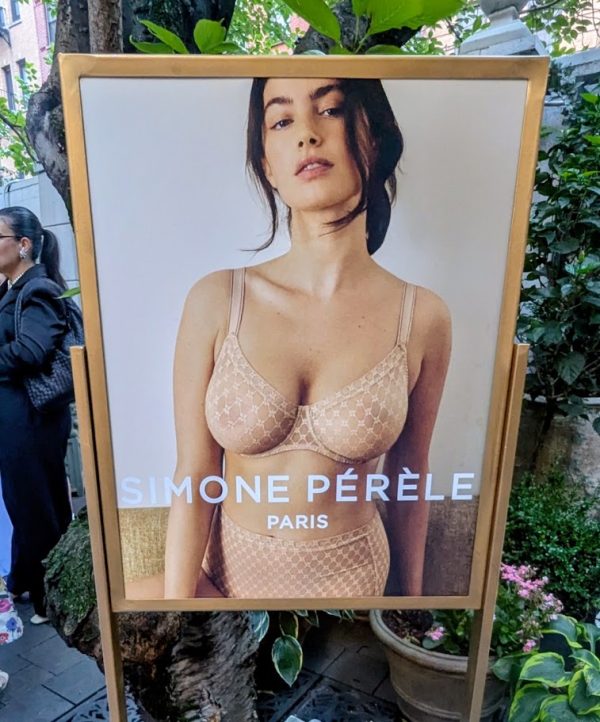
The 2024 iteration of Plume retains the core philosophy of its predecessor while integrating modern textile technology. The contemporary collection focuses on a "smoothing effect" and a "discreet sheen," aesthetic qualities that cater to the "clean girl" and "quiet luxury" trends currently dominating the fashion landscape. The relaunch signifies a strategic move by Simone Pérèle to capitalize on its heritage while addressing the functional needs of today’s wardrobe, where seamless transitions from professional attire to evening wear are essential.
Technical Specifications and Design Innovation
The new Plume collection distinguishes itself through a sophisticated interplay of delicacy and engineering. Central to the collection’s appeal is its ability to remain virtually invisible beneath form-fitting clothing. This is achieved through several key technical features:
- Ultra-Fine Microfiber: The use of high-gauge microfiber provides a soft, satin-like finish that reduces friction against outer layers of clothing, preventing the "bunching" often associated with traditional lace.
- Laser-Cut Finishes: To achieve the seamless look required by modern fashion, the collection utilizes heat-bonded seams and laser-cut edges. This eliminates the bulk of traditional stitching, allowing the garments to vanish against the skin.
- Engineered Support: Despite its "weightless" marketing, the collection employs strategic reinforcement in the under-bust and wing areas. This ensures that the "Plume" (French for "feather") remains light in feel but robust in function.
- The "Smoothing" Aesthetic: Unlike traditional shapewear that relies on high-compression fabrics, Plume utilizes "light-touch" compression. This provides a streamlined silhouette without the discomfort of traditional restrictive garments.
Industry analysts note that this "functional luxury" segment is one of the fastest-growing areas in the intimate apparel market. Consumers are increasingly moving away from "special occasion" lingerie in favor of high-quality, durable pieces that offer daily utility without sacrificing the elegance associated with French craftsmanship.
The Strategic Importance of the New York Soho Relaunch
Choosing Ladurée in Soho as the venue for this celebration was a calculated move to align the brand’s French identity with the epicenter of the American fashion retail market. Soho remains a critical touchpoint for global brands seeking to establish a presence among trendsetters and high-net-worth consumers. By hosting an intimate event rather than a large-scale runway show, Simone Pérèle emphasized the "inner sanctum" nature of lingerie, fostering direct connections with the people who influence consumer purchasing decisions.
The event allowed guests to interact directly with the Simone Pérèle team, gaining insight into the brand’s design process. This transparency is increasingly vital in a market where consumers value the "story" behind their clothing. The narrative of Plume—a 52-year-old design brought back to life—resonates with the current industry-wide trend of "archival revival," where brands look to their past to find authentic solutions for the present.

Market Context: The Evolution of the Lingerie Industry
The relaunch of Plume comes at a time when the global lingerie market is undergoing significant transformation. According to market research data, the global intimate apparel market is projected to reach approximately $95 billion by 2028, with a compound annual growth rate (CAGR) of 4.5%. Within this growth, there is a distinct shift toward "comfort-first" luxury.
Historically, French lingerie was categorized primarily by its decorative lace and "seduction" appeal. However, the rise of athleisure and the "work-from-home" era have permanently altered consumer expectations. Women now demand bras and briefs that can be worn for 12 to 16 hours a day without irritation. Simone Pérèle’s decision to modernize Plume is a direct response to this data. By focusing on the "invisible" and "weightless" aspects of the collection, the brand is positioning itself to compete not just with other luxury French houses like Aubade or Chantelle, but also with modern, tech-focused startups that have disrupted the industry with seamless designs.
Historical Chronology: Simone Pérèle’s Path to Modernity
To understand the significance of the Plume relaunch, one must look at the timeline of the house of Simone Pérèle:
- 1948: Madame Simone Pérèle, a talented corsetière, opens her first atelier in Paris. Her goal is to combine the aesthetics of a bra with the comfort of a second skin.
- 1964: The brand launches "Soleil," the first bra made with Lycra, revolutionizing the stretch and fit of lingerie.
- 1972: The original Plume collection is released. It becomes a bestseller due to its lightweight construction, which was a stark contrast to the heavy-structured bras of the 1960s.
- 2010s: The brand focuses on global expansion, particularly in the United States and Australia, establishing itself as a leader in the "accessible luxury" segment.
- 2024: The relaunch of Plume in New York City. This version incorporates 21st-century bonding technology and sustainable manufacturing practices that were unavailable in 1972.
This chronology demonstrates a consistent pattern of innovation. Simone Pérèle has historically been at the forefront of fabric technology, often being among the first to adopt new fibers and construction methods that prioritize the wearer’s physical experience.
Broader Implications for the Fashion Industry
The successful reception of the Plume collection at Ladurée suggests a broader trend in the fashion industry: the "democratization of elegance." While the pieces remain at a luxury price point, the focus has shifted from "looking good for others" to "feeling good for oneself." This psychological shift is a cornerstone of modern marketing in the intimates sector.
Furthermore, the revival of archival designs like Plume serves as a counter-narrative to "fast fashion." By showcasing a design that has remained relevant for over five decades, Simone Pérèle is making a case for "slow fashion" and the longevity of high-quality garments. This aligns with increasing consumer interest in sustainability; a well-made bra that retains its shape and function for years is inherently more sustainable than a cheaper alternative that requires frequent replacement.
Industry insiders at the event noted that the "seamless" and "smoothing" categories are no longer just for shapewear. The new Plume occupies a hybrid space—it is everyday lingerie that provides the benefits of shapewear without the aesthetic of a medical garment. This hybridity is expected to be a major theme in upcoming collections from other luxury houses as they attempt to recapture market share from utility-focused brands.
Conclusion: Honoring the Past by Empowering the Future
The evening in Soho was more than a celebration of a product; it was a celebration of a philosophy. Simone Pérèle’s Plume collection serves as a reminder that true heritage is not a static museum piece but a living, breathing entity that must adapt to survive. By taking an idea that resonated in 1972 and giving it the technical "freedom" of 2024, the brand has successfully bridged the gap between tradition and innovation.
As the Plume collection rolls out across global retailers and digital platforms, its performance will likely serve as a benchmark for other heritage brands looking to mine their archives. The message from the Ladurée event was clear: the most effective way to honor an original design is to ensure it remains essential to the modern woman. In the competitive world of luxury intimates, Simone Pérèle has proven that while fashion trends are cyclical, the need for invisible, elegant support remains a constant. With Plume, the house has not just looked back at where it started; it has clarified exactly where it is going.
