
 By admin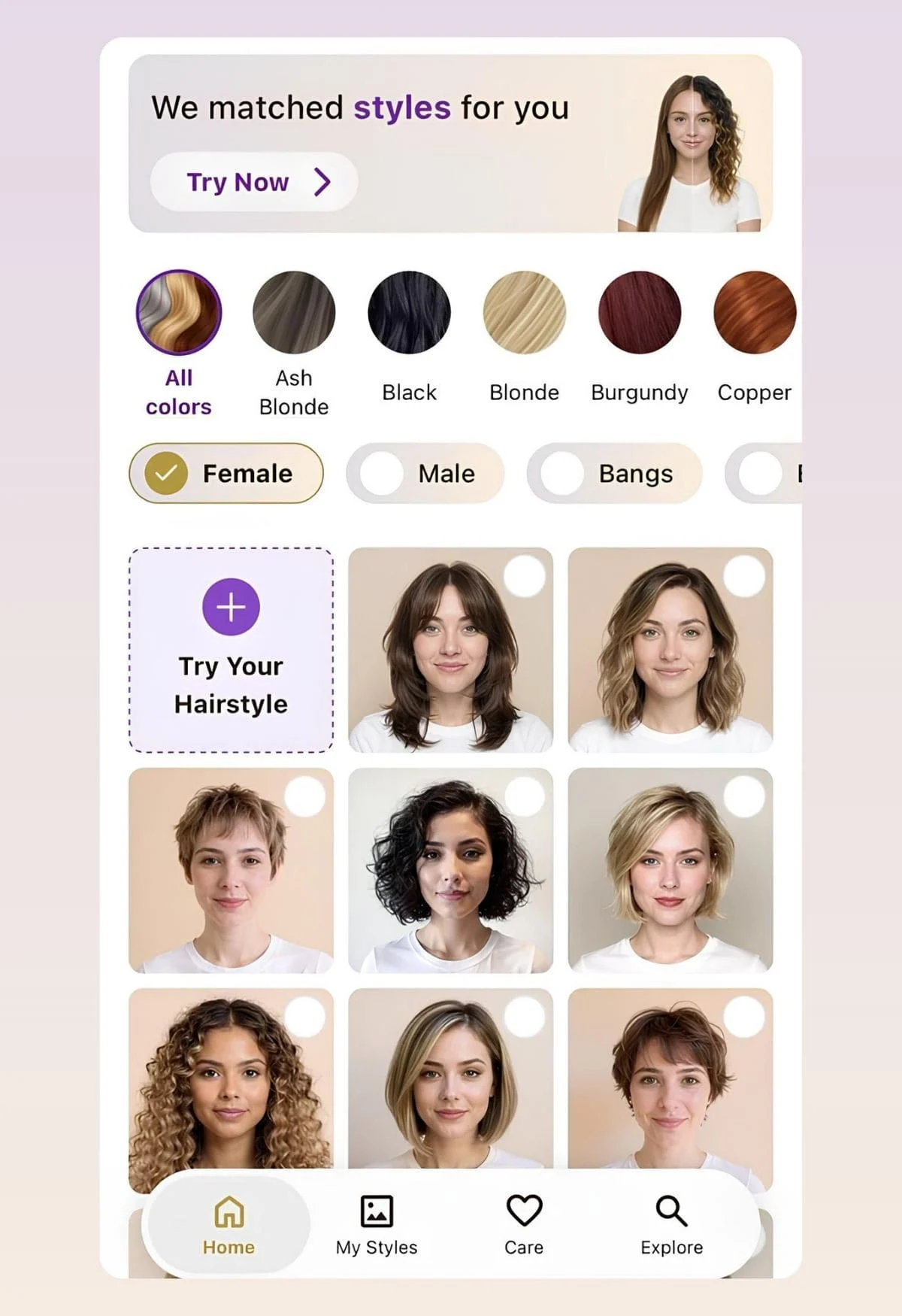
Salons today are no longer solely reliant on the artistry of scissors and skilled hands. A technological revolution is underway, transforming how these businesses operate, from the initial booking to the final client consultation. Advanced booking applications automate appointment filling, artificial intelligence-powered try-on tools empower clients to visualize their desired look before sitting in the chair, and sophisticated point-of-sale (POS) systems meticulously manage inventory, ensuring that essential supplies like hair color are always on hand. This wave of innovation is not about replacing human stylists with digital interfaces; rather, it is designed to eliminate the administrative burdens that previously consumed valuable time, allowing stylists to dedicate more attention to their clients and the craft itself.
This comprehensive guide delves into the specific technologies currently reshaping the salon industry. We will explore the functionalities of booking and scheduling platforms, AI hairstyle visualization tools, automated inventory management, customer retention software, financial tracking systems, and brand management solutions for multi-location businesses. For each category, we will detail its operational benefits, its impact on a salon’s profitability, and key considerations for adoption.
Revolutionizing Reservations: Smart Online Booking and Scheduling
The era of phone tag for salon appointments is rapidly fading, replaced by intuitive online booking platforms such as Vagaro, Fresha, and Booksy. These systems enable clients to secure their preferred time slot in mere minutes, bypassing the need for a phone call. For salons, this translates into a significant reduction in missed appointments, as automated reminder texts drastically decrease no-show rates. Furthermore, these platforms intelligently fill the salon’s calendar, even during typically slower periods, by surfacing available slots to existing clientele.
A more profound advantage lies in the data these scheduling tools generate. They meticulously track service popularity, identify stylists with the longest waiting lists, and pinpoint recurring empty time slots. This invaluable data empowers salon owners to make informed decisions, such as adjusting pricing structures, strategically adding staff during peak hours, or implementing targeted mid-week promotions, moving beyond mere guesswork.

Expert Insight: Implementing a dual reminder system, with initial notifications sent 48 hours prior and a follow-up reminder 4 hours before the appointment, has proven to be a highly effective strategy for minimizing same-day cancellations. This approach captures clients who may have missed the first notification and significantly reduces last-minute no-shows.
Visualizing Transformation: AI Hairstyle Try-Ons
Artificial intelligence-driven try-on tools are proving to be a game-changer in the salon industry, addressing a long-standing challenge: the potential disconnect between a client’s verbal description of a desired hairstyle and the stylist’s interpretation. By allowing clients to upload a selfie and virtually preview various haircuts and color options, these tools bridge that communication gap instantaneously.
The current generation of AI try-on applications has demonstrated remarkable sophistication in handling nuanced consultation scenarios. Whether a client is deliberating between a chic long bob or sophisticated shoulder-length layers, or contemplating a transition to gray hair and seeking a visual representation of the outcome, these tools offer a tangible preview. For instance, the HairHunt app can generate a realistic virtual try-on in approximately 10 seconds, offering over 100 style and color variations. This capability allows stylists to explore multiple aesthetic directions with clients directly at the chair, fostering greater confidence and clarity.
These AI-powered previews are particularly impactful for significant aesthetic decisions, such as dramatic color changes, a first perm, or a substantial haircut. Clients are often more likely to experience post-appointment regret from impulsive decisions regarding major transformations. Visualizing these changes beforehand effectively mitigates the risk of a dissatisfying outcome.
For individuals considering significant hair changes, the HairHunt app is readily accessible on both the iOS App Store and Google Play. The app offers a complimentary trial that includes one full-quality try-on, enabling users to assess specific styles and colors on their own features before their salon visit. Additionally, HairHunt extends an affiliate program and special offers to hairstylists and bloggers, further integrating its technology into the professional community.

Streamlining Operations: Inventory and Process Automation
The meticulous management of salon inventory, from color formulas to retail stock, has transitioned from manual tracking on clipboards to sophisticated digital systems. Inventory software now monitors product usage per service, automatically flags low stock levels, and initiates reorders before a salon depletes crucial supplies like toners. Advanced systems can even calculate the precise cost of color used for each client, leading to more accurate service pricing than traditional flat fees.
Operational automation extends beyond inventory. Staff scheduling software adeptly balances stylist availability with client demand, payroll systems automatically compute commissions based on completed services, and digital intake forms gather essential client information, including allergies and chemical history, prior to their arrival. This proactive approach is especially beneficial for clients considering intricate color services, such as high-contrast split dyes or full lightening treatments.
Cultivating Loyalty: Customer Retention Through Personalization
Customer retention software plays a pivotal role in ensuring clients return to their preferred salon. These systems monitor the time elapsed since a client’s last appointment and proactively send rebooking reminders, preventing them from seeking services elsewhere. The most advanced platforms go a step further by remembering specific color formulas, stylist preferences, and even past feedback, enabling each client’s visit to begin with a personalized experience rather than a rehash of their history.
Personalized marketing has effectively supplanted generic email blasts. Clients who book styles suited for mature demographics receive tailored follow-up content, distinct from that sent to individuals who have recently opted for braided extensions. This level of client segmentation, once requiring dedicated marketing personnel, is now largely automated within modern booking platforms.
Proactive Strategy: Regularly requesting a "lapsed client" report from your booking software can be highly beneficial. Identifying clients who have not rebooked within their usual timeframe and reaching out personally often yields significantly better conversion rates than generic newsletters.

Financial Acumen: Clarity with Integrated Payments
Contemporary salon POS systems seamlessly integrate booking, checkout, tipping, and commission tracking into a unified dashboard. This provides owners with real-time insights into revenue streams, broken down by stylist, service, and day – data that previously required hours of manual compilation by bookkeepers.
The implementation of integrated payment processing also enhances the client experience. Features such as tap-to-pay, saved card information for expedited rebooking, and automatic deposit collection for high-demand appointments contribute to a reduction in no-shows and a smoother front-desk interaction. For salon owners, these systems typically offer direct export capabilities to accounting software, eliminating a layer of manual data entry and the potential for errors.
Unified Identity: Brand Consistency Across Channels
For multi-location salons and franchises, brand management platforms are instrumental in maintaining uniformity in pricing, service menus, and social media content across all branches and geographical areas. A client receiving a balayage treatment at one location should expect a consistent consultation and pricing structure at another; this consistency is enforced by software, eliminating reliance on individual manager recall.
This extends to managing online reputation. Review management tools consolidate ratings from platforms like Google and Yelp into a single dashboard, enabling prompt responses to negative feedback and automating review requests from satisfied clients post-checkout. A salon’s online presence now reflects its current standing in real-time, rather than being subject to sporadic manual checks.
The Horizon of Salon Technology: Predictive Innovation
The next evolution in salon technology is shifting from merely tracking current operations to actively forecasting future trends. AI try-on tools are expected to achieve greater accuracy, particularly for textured and curly hair, an area where current systems often struggle compared to their performance on straight, front-facing images. Booking software is anticipated to proactively identify potential no-shows based on client history and dynamically adjust overbooking buffers accordingly.

Inventory systems are also moving towards predictive ordering, flagging potential shortages of specific products, such as blonde toners, weeks in advance based on seasonal booking patterns, rather than waiting for shelves to become empty. As an increasing number of clients research styles on their mobile devices before contacting a salon, virtual try-ons and AI-driven style quizzes are likely to become standard components of the booking process, transcending their current novelty status.
Crucially, these technological advancements do not diminish the indispensable role of the stylist’s expertise or the client’s trust. Instead, they serve to reduce the time spent on non-hair-related tasks, allowing for a greater focus on the core artistry that fosters client loyalty.
Frequently Asked Questions About Salon Technology
What is the most valuable technology for a small, independent salon?
For small salons, online booking and automated appointment reminders offer the most immediate return on investment. They reduce no-shows and free up front-desk staff without requiring substantial capital outlay. Most platforms operate on a low monthly fee or a small per-booking commission, making them accessible even for single-chair operations.
How accurate are AI hairstyle try-on tools?
AI try-on tools are effective at visualizing shape, length, and color on front-facing selfies. However, they cannot fully replicate how a specific hair texture will behave once cut and styled. Accuracy may decrease for highly textured hair and non-front-facing images. Therefore, these previews should be considered strong guides for decision-making, not absolute guarantees of the final salon result.
Will technology replace hairstylists?
No, technology is augmenting, not replacing, hairstylists. While these tools handle scheduling, visualization, and tracking, the intricate skills of cutting, coloring, and the professional judgment behind a successful haircut still require the dexterity and discerning eye of a trained stylist. Technology is streamlining administrative tasks, not the fundamental craft.

Is separate software necessary for booking, payments, and inventory?
Most salons find that an integrated platform encompassing booking, payments, and basic inventory management offers superior efficiency compared to managing three disconnected tools that do not share data. While separate systems can cater to highly specialized needs, they typically necessitate additional manual reconciliation.
Can clients utilize AI try-on tools before booking an appointment?
Yes, applications like HairHunt enable clients to preview hairstyles on their own selfies before contacting a salon. This allows them to bring a visual reference to their consultation, a practice that is becoming increasingly common as clients arrive at appointments with a clearer idea of their desired look.
The salon industry is undergoing a significant transformation driven by technology that streamlines scheduling, tracking, and previewing processes. This efficiency gain liberates stylists to dedicate more time to their craft, the very element that cultivates client satisfaction and repeat business.
Disclaimer: Individual hair results may vary depending on natural hair type, texture, density, and condition. It is always advisable to consult with a licensed hairstylist before undertaking significant changes, particularly those involving chemical treatments or dramatic length alterations. Professional styling tools and products may be required to replicate the results shown in images.
