
 By Jia Lissa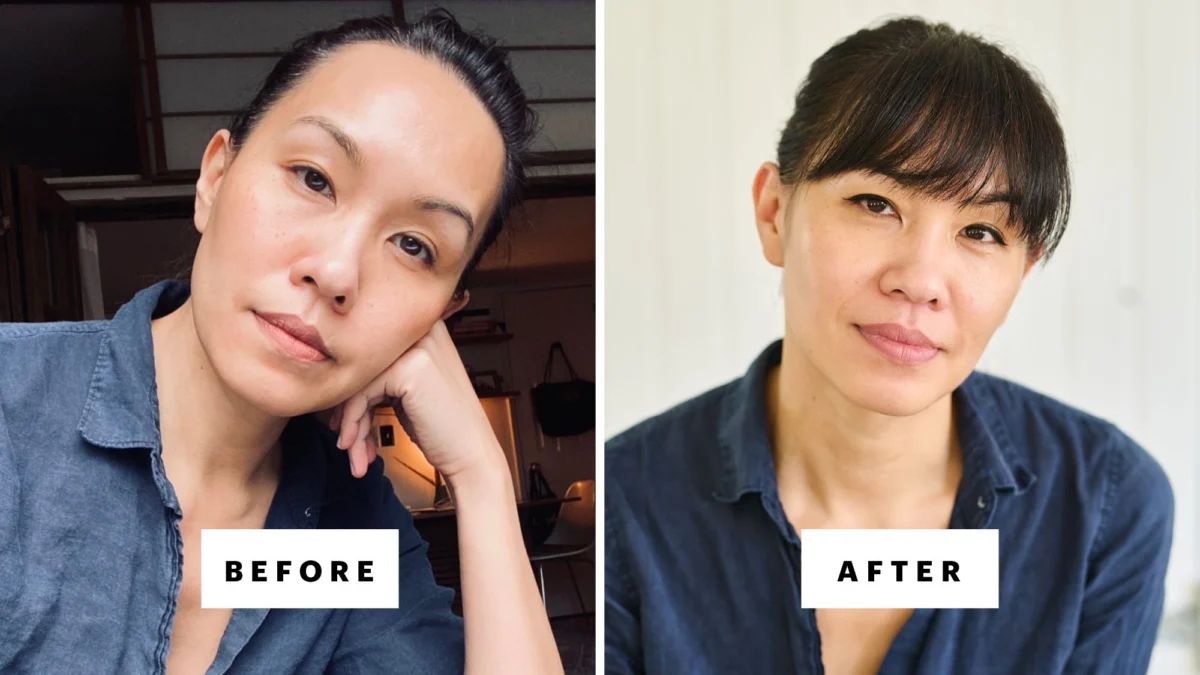
The scale registered a weight that mirrored the author’s appearance twenty years prior, a number she had strived for through various means, including a three-month regimen of off-brand semaglutide. This return to a long-sought physical state arrived not through strenuous effort or deprivation, but through a cessation of perceived self-punishment, suggesting a body’s inherent capacity to find its equilibrium when not subjected to external pressures. This realization marked a profound shift from a lifelong belief in fundamental personal flaws, a conviction that had historically driven her to seek correction from the outside in.
Decades of External Correction: The Pursuit of an Illusory Ideal
From her teenage years, the author harbored a deep-seated desire to conform to the "all-American girl" aesthetic, a standard she recognized as unattainable given her Asian heritage. This aspiration manifested in a consistent use of Covergirl cosmetics during the 1990s, employing eyeshadow to create the illusion of larger, rounder, more Westernized eyes. Her pursuit extended to foundations designed to lighten her skin and concealers to slim her nose. This early engagement with modifying her appearance involved appropriating her mother’s makeup and scouring thrift stores for clothing that could artificially create curves. This pattern of seeking external validation and attempting to alter her physical presentation, driven by a pervasive sense of inadequacy, continued throughout her adult life. She perceived herself as too skinny, then too fat, lacking in physical attributes, or insufficient in intelligence and likability. This feeling of inadequacy became so deeply ingrained that it was virtually indistinguishable from her own identity.
Her twenties were characterized by a compensatory approach, involving heavy makeup, push-up bras, and high heels. She even contemplated breast augmentation surgery. In her thirties, her focus shifted to a more refined set of aesthetic interventions, including frequent facials, lash lifts, brow laminations, and microblading. A particularly intense microblading experience, where the artist’s aggressive approach led to overly bold brows, resulted in a two-year ordeal of painful laser and acid treatments for removal. By her forties, the author had embraced more invasive procedures, including Botox and fillers, and even considered a facelift. Each monthly American Express bill, reflecting thousands of dollars spent on these interventions, left her feeling profoundly underwhelmed. She observed that despite the significant investment, the reflection in the mirror was merely an amplified version of her underlying anxiety, prompting a dawning suspicion that the root of her discontent lay deeper than superficial concerns.
The Turning Point: A Medical Office and a Motherly Reflection
The catalyst for this introspective journey occurred on the author’s birthday, over a year prior to the writing of the original piece. In a sterile, meticulously designed medical office on the Upper East Side, surrounded by muted expressions likely influenced by Botox, she encountered her doctor. The physician, a pregnant Asian woman in her forties, bore a striking resemblance to a teenager carrying her own child. This doctor, an embodiment of perceived youthful perfection and the results of her own work, served as an unexpected mirror. Looking at this individual, the author had a profound realization: she no longer desired to emulate that specific ideal. The doctor, perceived as a "frozen clock" stripped of the natural markers of time and experience, lacked the depth and richness that the author now valued. When her doctor’s office contacted her to confirm a follow-up filler appointment, the author postponed it, a decision that gradually extended from weeks to months, ultimately leading her to discontinue GLP-1 medications as well. This decision was rooted in a desire to allow her face and body to settle, to understand herself as she authentically was, and to embark on a process of self-discovery that unfolded in five distinct stages of grief.
Navigating the Stages of Grief and Self-Discovery
Stage 1: Denial
Initially, the author experienced a profound sense of unfamiliarity with her own reflection. The smoothed, filled, and slenderized version of herself, so long cultivated, had rendered her actual appearance a stranger. She actively avoided mirrors and, in a state of restlessness, began to fill her time with activities she had long postponed. This included reading long-neglected books, rejoining the gym with a determined focus on training for a 5K, and impulsively applying to an MFA program in creative writing. While she told herself she was simply staying busy, she was, in fact, unconsciously building a new foundation for her identity.

Stage 2: Anger
The subsequent stage was marked by anger directed at herself for the years lost to this cycle of self-obsession. She felt anger towards the uncontrollable aspects of aging, particularly the onset of perimenopause coinciding with her decision to seek self-acceptance. The thinning hair, the shifting skin, and the body’s renegotiation of its established norms fueled this frustration. She was also angry about the considerable financial expenditure dedicated to resisting an inevitable biological process. This anger was akin to the realization of being a willing participant in a prolonged deception.
Stage 3: Bargaining
During this phase, late-night internet searches for dermatologist promotions became a ritual, a desperate attempt to justify even minimal aesthetic interventions. She engaged in internal dialogues, rationalizing the need for small amounts of Botox or filler, convincing herself that these minor adjustments would go unnoticed by others. What ultimately provided a reprieve from this bargaining was her engagement in external commitments. Attending a Tuesday workshop and a Thursday craft seminar provided a space where her written work, rather than her appearance, became the focus of discussion. This shift, facilitated by her acceptance into the MFA program, allowed her to cultivate friendships based on shared intellectual pursuits and ideas, rather than superficial aesthetics.
Stage 4: Depression
This stage, often overlooked, manifested not as dramatic despair but as a pervasive, low-grade despondency. The author felt a profound sense of ugliness, reminiscent of her teenage years, coupled with a helpless realization that she had voluntarily relinquished the agency she once sought to control her perceived flaws. The act of studying the creases on her face became an elegy for her youth, a mourning for a period she had not fully appreciated until it had passed. Envy towards younger women and a melancholic sadness in their presence, which she struggled to articulate, characterized this period. It was a grief for the constructed self and a terrifying uncertainty about the identity that lay beneath. The path through this stage was gradual, marked by the completion of a book, the writing of a page, and meaningful conversations with friends and colleagues. Returning to academia in her forties, she found solace in classrooms filled with individuals who valued language, ideas, and the precise articulation of complex emotions. This deepened engagement with writing fostered a more profound attention to both the external world and her internal landscape.
Stage 5: Acceptance
Approximately a year after beginning to confront the loss of her facial structure, a significant shift occurred. During a workshop, while receiving feedback on a personal and vulnerable piece of writing, the author experienced a profound moment of being seen—not as a superficial image, but as a mind, a voice. Driving home that evening, she caught her reflection in the rearview mirror and, for the first time, looked directly at the face of a woman in her mid-forties who had weathered life’s experiences. This moment of recognition, a quiet affirmation of her present self, marked the arrival of acceptance. The author posits that writers have long understood the primacy of the internal landscape and the value of an examined life. Immersing herself in scholarly pursuits revealed that the intellectual engagement fostered by books and genuine friendships had achieved what cosmetic interventions could not: it had made her more interesting to herself.
A Redefined Relationship with Beauty and Self
The author’s relationship with vanity has evolved, becoming more discerning. She continues to utilize oral minoxidil and spironolactone for hair loss and occasionally gets manicures, and she still dyes her gray hair. However, the pervasive insecurity that once consumed her has largely dissipated. Her current regimen prioritizes skincare over makeup, featuring a prescription retinoid, hydrating serums, a selection of premium creams, and the occasional application of liquid liner for subtle eye enhancement. These practices are now viewed as sources of pleasure rather than necessary corrections.
This newfound equilibrium on the scale was a byproduct of this internal shift. For the first time, she engaged in intuitive eating, experienced improved sleep, and navigated the world with diminished ambient dread. Her husband, when asked, revealed that he had never significantly noticed her previous cosmetic interventions, stating that he had always found her attractive and that the years of extensive treatments had been imperceptible to him. Friends and colleagues echoed this sentiment, remarking that she appeared happier and lighter, suggesting that happiness itself was a form of beauty. The overarching lesson learned was that by abandoning the relentless pursuit of self-punishment, tightening, and shrinking, her body ceased its resistance and found its natural place. The author concludes that the body ultimately follows the mind’s lead, particularly when both are no longer subjected to the detrimental effects of self-starvation.

This personal narrative underscores a broader societal conversation surrounding beauty standards, aging, and the often-unseen pressures to conform. As the cosmetic industry continues to innovate and offer an ever-expanding array of interventions, understanding the psychological impact of these pursuits and the profound liberation found in self-acceptance remains a critical area of exploration. The data on the growth of the global cosmetic surgery market, projected to reach substantial figures in the coming years, highlights the enduring societal emphasis on external appearance. For instance, reports from market research firms indicate a consistent upward trend in procedures aimed at maintaining a youthful appearance, driven by factors such as increasing disposable income, media influence, and a growing acceptance of aesthetic enhancements.
However, the author’s journey suggests that true beauty and well-being may be found not in the pursuit of an external ideal, but in cultivating an internal sense of worth and acceptance. The implications of this shift extend beyond individual experience, potentially influencing how society perceives aging and beauty, encouraging a more holistic and self-compassionate approach to self-care. The increasing visibility of personal essays and public discussions that challenge traditional notions of beauty and aging signals a cultural movement towards valuing authenticity and inner peace over superficial perfection. This evolving perspective encourages a re-evaluation of the immense resources, both financial and emotional, that individuals dedicate to altering their appearance, prompting a consideration of alternative paths to self-fulfillment.
Photos: Courtesy of subject; Stephan Schacher; Harold Julian
Read more personal essays about aging and intervention:
The societal implications of these evolving perspectives on beauty and aging are multifaceted. While the cosmetic industry continues to thrive, there is a growing counter-narrative emphasizing self-acceptance and the natural process of aging. This shift is reflected in media portrayals, marketing campaigns, and a burgeoning interest in wellness practices that prioritize mental and emotional health alongside physical well-being. The long-term impact of this recalibration may lead to a society that places less emphasis on superficial markers of youth and more value on wisdom, experience, and genuine connection.
