
 By Layla Zulfa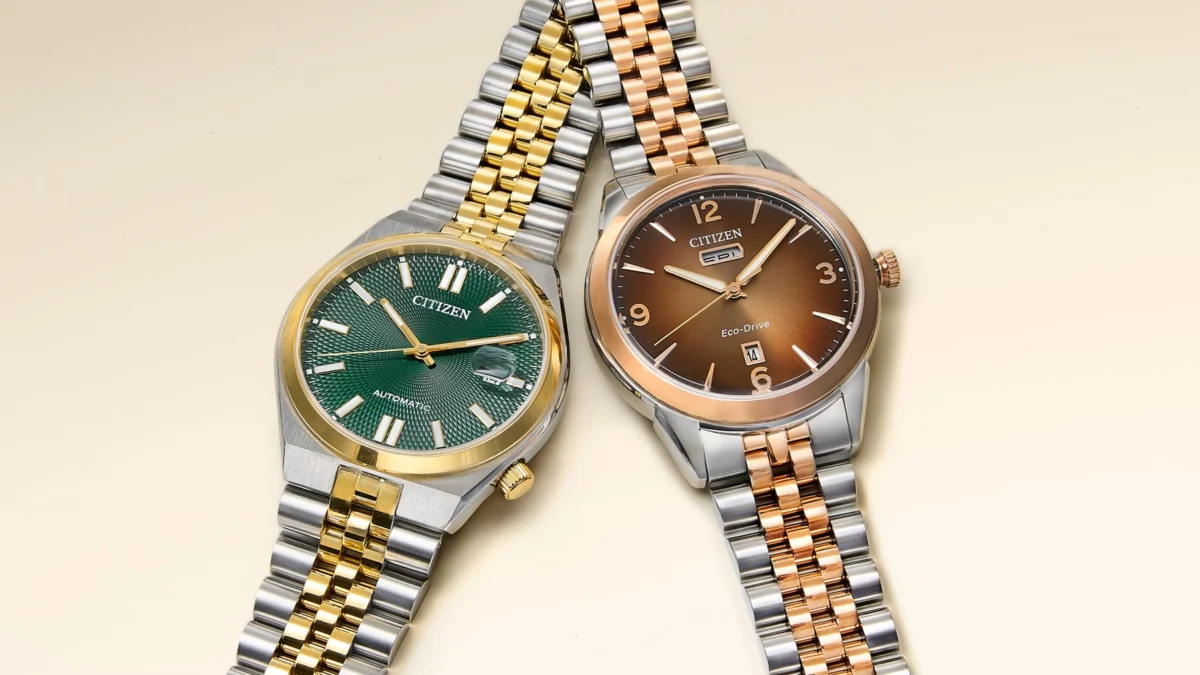
The once-unbridled boom in trophy timepieces, characterized by soaring prices and speculative investment in ultra-luxury brands, has unequivocally cooled, signaling a significant recalibration within the global watch market. In its place, a vibrant new generation of enthusiasts is rapidly fueling robust demand for accessible watches that masterfully blend strong design, uncompromised quality, and genuine heritage. This burgeoning segment, championed by brands ranging from the ubiquitous Casio to the esteemed Tissot and innovative Citizen, signifies a profound shift in consumer values, moving away from ostentatious display towards intrinsic worth and personal connection.
The Zenith and Descent of the Trophy Watch Era
For much of the late 2010s and particularly during the unique economic conditions of the COVID-19 pandemic, the luxury watch market experienced an unprecedented surge. Historically regarded as symbols of status and craftsmanship, high-end timepieces from brands like Rolex, Patek Philippe, and Audemars Piguet transcended their traditional roles to become coveted alternative investments. Driven by low interest rates, an abundance of disposable income for certain demographics, and the inability to spend on experiences, consumers turned their attention to tangible assets. The secondary market, in particular, witnessed astronomical price premiums, with certain models trading at two to three times their retail value, creating a speculative bubble that lured both seasoned collectors and new investors alike. Online communities, fueled by social media influencers and dedicated forums, amplified the hype, turning watch collecting into a high-stakes financial endeavor for many. The narrative shifted from appreciating horological artistry to tracking market indices and predicting future valuations.
However, as the global economic landscape began to normalize in late 2022 and accelerated into 2023, the conditions that fostered this speculative frenzy started to dissipate. Rising inflation, aggressive interest rate hikes by central banks worldwide, and a general tightening of consumer spending power introduced significant headwinds. The cost of living crisis in many developed nations prompted a re-evaluation of discretionary spending, with luxury goods often being the first to feel the pinch. Data from various market intelligence firms, including the WatchCharts index, began to show a consistent decline in secondary market prices for many previously hyped luxury models. While top-tier, highly exclusive pieces maintained some resilience, the broader market for speculative luxury watches saw a significant correction, with premiums shrinking or, in some cases, evaporating entirely. This cooling period has not only adjusted market expectations but has also cleared the path for a re-evaluation of what constitutes true value in horology.
The Ascendance of the Value Proposition: A New Consumer Paradigm
Amidst this market recalibration, a distinct counter-trend has emerged: the accelerating demand for watches that offer exceptional price-to-value ratios without sacrificing design integrity, build quality, or historical provenance. This movement is spearheaded by a demographic predominantly comprising younger millennials and Gen Z consumers who are often more financially prudent, socially conscious, and value-driven than previous generations. They seek authenticity and personal expression over overt brand prestige or speculative investment potential.
For these buyers, a watch is less about signaling wealth and more about personal style, functional reliability, and a connection to a brand’s story. They are discerning, conducting extensive research online, comparing specifications, reading reviews, and engaging with vast enthusiast communities before making a purchase. The attributes they prioritize include:
- Strong Design: Aesthetically pleasing, often drawing inspiration from vintage models or offering distinct modern aesthetics.
- Quality Construction: Reliable movements (both quartz and mechanical), durable materials, and solid finishing that can withstand daily wear.
- Heritage and Story: Brands with a genuine history of watchmaking, innovation, or cultural impact.
- Attainable Price Point: Watches that are accessible without requiring a significant financial outlay, allowing for diverse collections rather than a singular "grail" piece.
Spotlight on the Frontrunners of Accessible Horology
Several brands are particularly well-positioned to capitalize on this evolving consumer sentiment, having long championed the principles of accessible quality and distinctive design.
Casio: Digital Icons and Enduring Appeal
Japanese giant Casio stands as a testament to enduring appeal and innovation at an accessible price. While known globally for its vast array of products, its watches, particularly the G-Shock line and the classic F-91W, have achieved cult status. The G-Shock, introduced in 1983, revolutionized watch durability, offering unparalleled shock resistance and water resistance. Its rugged, utilitarian design resonated deeply with active lifestyles and has since evolved into a fashion statement, with numerous collaborations and stylistic variations. The F-91W, a simple digital watch from 1989, remains a ubiquitous symbol of understated functionality, lauded for its accuracy, battery life, and incredible affordability. For younger buyers, these watches represent a blend of nostalgia, practicality, and an anti-establishment cool factor that eschews luxury pretension. They are durable, reliable, and carry a distinct design language that is instantly recognizable and deeply embedded in popular culture. Casio’s ability to consistently deliver robust, feature-rich watches at competitive prices makes it a perennial favorite.
Tissot: Swiss Heritage Meets Modern Accessibility
As a member of the Swatch Group, Tissot leverages centuries of Swiss watchmaking heritage with a focus on modern design and accessible mechanical movements. Founded in Le Locle in 1853, Tissot boasts a rich history of innovation, including the first mass-produced pocket watch and the first anti-magnetic watch. In recent years, Tissot has experienced a significant resurgence, largely driven by models like the PRX. The Tissot PRX, particularly the Powermatic 80 mechanical version, perfectly encapsulates the current market trend. With its integrated bracelet design, reminiscent of iconic 1970s luxury sports watches, and its robust automatic movement offering an impressive 80-hour power reserve, the PRX delivers an extraordinary level of design sophistication and mechanical quality at a price point that is highly attractive to new collectors. It offers a tangible piece of Swiss horology without the exorbitant cost, bridging the gap between entry-level and high-end luxury. This strategic positioning has made the PRX a runaway success, demonstrating Tissot’s keen understanding of contemporary consumer desires for vintage aesthetics paired with modern performance.
Citizen: Innovation and Accessible Quality
Another Japanese powerhouse, Citizen, has long been a pioneer in watchmaking technology, most notably with its Eco-Drive technology, which harnesses light to power watches, eliminating the need for battery replacements. This commitment to sustainable innovation resonates strongly with environmentally conscious younger consumers. Citizen watches are celebrated for their reliability, precision, and diverse range of designs, from elegant dress watches to robust dive watches. The brand’s focus on technological advancements, such as satellite-synchronized timekeeping and advanced chronographs, provides tangible value beyond mere aesthetics. Like Casio, Citizen offers a vast catalog of watches that cater to various tastes and budgets, all underpinned by a reputation for quality and an attractive price-to-value proposition. Their consistent performance and innovation make them a trusted choice for those seeking a dependable, stylish timepiece without breaking the bank.
A New Generation of Connoisseurs
The demographic driving this shift – largely Millennials and Gen Z – approaches consumption with a different set of values compared to previous generations. They are often digitally native, leveraging platforms like Instagram, TikTok, and YouTube to discover, research, and discuss watches. Online communities and influencers play a crucial role in shaping preferences, often highlighting the technical merits, historical significance, or unique design elements of accessible brands. This collective enthusiasm creates a peer-driven validation that is powerful and authentic.
These consumers prioritize:
- Authenticity: They seek genuine craftsmanship and a brand story that resonates, rather than just a logo.
- Sustainability: Brands that demonstrate ethical manufacturing practices or innovative, eco-friendly technologies (like Citizen’s Eco-Drive) are often preferred.
- Personal Expression: Watches are seen as accessories that reflect individual style and personality, rather than a uniform symbol of status.
- Value for Money: A keen awareness of financial prudence leads them to seek out products that offer maximum utility, durability, and aesthetic pleasure for their investment.
Industry Perspectives: Adapting to a Changing Tide
Industry analysts and brand executives are keenly observing this shift. "The market is undergoing a necessary rebalancing," states a prominent watch industry consultant, preferring to remain anonymous. "The speculative bubble for certain luxury pieces was unsustainable, and consumers are now seeking intrinsic value and genuine quality over pure brand prestige. This represents a democratization of watch collecting, opening up the hobby to a broader, more diverse audience."
Retailers, too, are adjusting their strategies. "We’ve seen a noticeable shift in customer inquiries," comments a manager at a multi-brand watch retailer. "While there will always be a market for high-end luxury, the energy and growth are clearly in the mid-range and entry-level mechanical and quartz segments. Customers are coming in well-informed, often having done extensive research online, specifically asking for models from brands like Tissot and Citizen, or even specific Casio G-Shock references. They’re looking for watches they can wear and enjoy daily, not just put in a safe."
Executives from the accessible brands themselves echo this sentiment. A spokesperson for Citizen recently noted, "We are witnessing record demand, particularly from younger buyers who appreciate our commitment to innovation and craftsmanship at an attractive price point. They are discerning consumers who understand that quality and style don’t always have to come with an exorbitant price tag." Similarly, a Tissot representative might infer, "The success of our recent collections, particularly those offering mechanical movements with strong design cues, confirms that there is a significant appetite for Swiss heritage and quality that is genuinely accessible."
Implications for the Future of Horology
This transformative shift carries profound implications for the entire watch industry:
- Democratization of Collecting: The barrier to entry for watch collecting is significantly lowered, inviting a wider array of enthusiasts who can build diverse and meaningful collections without needing vast capital. This broadens the appeal of horology as a hobby.
- Innovation in the Mid-Range: Brands operating in the accessible and mid-range segments are incentivized to push boundaries in design, materials, and movement technology to capture and retain this growing market. This could lead to exciting new product developments and increased competition.
- Re-evaluation for Luxury Brands: High-end luxury brands may need to re-emphasize their core values of unparalleled craftsmanship, artistic innovation, and genuine exclusivity, rather than relying on speculative market dynamics. Some may explore offering more "entry-level luxury" pieces, perhaps through sister brands (e.g., Tudor for Rolex) or by revisiting classic, simpler designs.
- Sustainability and Ethical Production: The values of younger consumers place a greater emphasis on sustainable practices and ethical sourcing. Brands that can transparently demonstrate their commitment in these areas will gain a competitive edge.
- A More Balanced Market: The cooling of the trophy watch market and the rise of accessible alternatives suggest a healthier, more balanced watch market in the long term, less prone to speculative bubbles and more focused on intrinsic horological value.
Conclusion: A More Diverse and Sustainable Market
The cooling of the trophy watch boom is not a sign of decline for the watch industry but rather a necessary correction and an exciting evolution. It marks a pivotal moment where the focus shifts from watches as speculative assets to watches as personal expressions of style, engineering appreciation, and enduring value. The rise of accessible brands like Casio, Tissot, and Citizen, driven by a new generation of discerning enthusiasts, heralds a more democratic, diverse, and perhaps ultimately more sustainable future for horology. In this evolving landscape, the true measure of a timepiece may no longer be its price tag, but its ability to connect with its wearer through design, quality, and a compelling story.
