
 By Layla Zulfa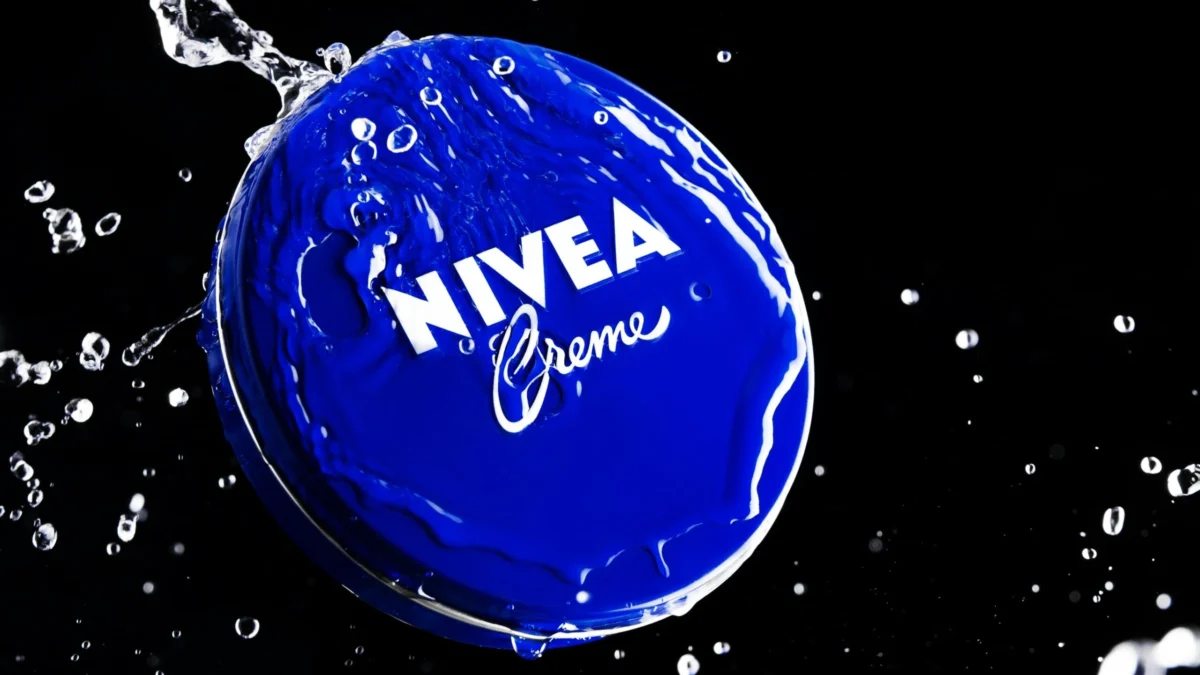
Hamburg-based consumer goods giant Beiersdorf AG announced on Monday a revision to its full-year financial guidance, citing a more challenging market environment than previously anticipated, coupled with a slower-than-expected recovery in its flagship Nivea brand. The company, a global leader in skincare, now expects organic sales to decline in the low-single digit range for the current fiscal year, a noticeable adjustment from its earlier, more optimistic projections. This recalibration reflects a complex interplay of macroeconomic pressures and evolving consumer dynamics impacting the beauty and personal care sector globally. The announcement sent ripples through the market, with initial investor reactions indicating concerns over the resilience of even established brands in a volatile economic climate.
Beiersdorf’s Global Footprint and the Significance of Nivea
Beiersdorf AG stands as a formidable entity in the global consumer goods landscape, with a history spanning over 140 years. Headquartered in Hamburg, Germany, the company boasts a diversified portfolio that includes globally recognized brands such as Eucerin (dermatological skincare), La Prairie (luxury skincare), Hansaplast/Elastoplast (plasters and wound care), and its technical adhesive division, Tesa. However, Nivea remains the undisputed jewel in Beiersdorf’s crown. Launched in 1911, Nivea is one of the world’s most trusted and widely distributed skincare brands, synonymous with universal skin cream and accessible personal care. It contributes a significant portion of Beiersdorf’s overall revenue and underpins much of its brand equity and global market penetration. The brand’s extensive product range spans body lotions, face creams, deodorants, sunscreens, and men’s grooming products, catering to a vast demographic across over 150 countries. Its omnipresence in supermarkets, pharmacies, and online retail channels underscores its critical role in the company’s financial health. Therefore, any headwinds impacting Nivea’s performance inevitably have a substantial bearing on Beiersdorf’s overall outlook.
The Nuances of Nivea’s Performance Challenges
The phrase "slower-than-expected recovery" for Nivea points to a multifaceted challenge rather than a singular issue. While the global economy has largely moved past the immediate disruptions of the COVID-19 pandemic, consumer behavior in the beauty sector has undergone significant shifts. Initially, the pandemic saw a surge in self-care products, but subsequent normalization has brought new patterns. Nivea, traditionally a mass-market leader, faces intensified competition from several fronts. This includes the proliferation of agile, direct-to-consumer (DTC) brands offering specialized or niche products, often leveraging digital marketing to connect directly with specific consumer segments. Furthermore, a growing consumer preference for "clean beauty," natural ingredients, sustainability credentials, and personalized skincare solutions has put pressure on established giants like Nivea to innovate rapidly and adapt their messaging. While Nivea has made concerted efforts in these areas, introducing new product lines focused on natural ingredients and sustainable packaging, the pace of market adoption and competitive response appears to be slower than the company’s internal forecasts.
Geographically, performance may also vary. While Nivea maintains strong loyalty in mature markets like Europe, growth in emerging markets, often a key driver for global consumer goods companies, might be moderating due to local economic conditions or the rise of strong regional competitors. Supply chain complexities, including the sourcing of raw materials, manufacturing costs, and logistics, continue to exert pressure on profit margins, even for well-established brands. Price sensitivity among consumers, particularly in a high-inflation environment, also means that passing on increased costs through price hikes can be challenging without risking market share. Nivea’s strength lies in its affordability and accessibility, making it particularly vulnerable to shifts in consumer purchasing power.
Broader Economic Headwinds Impacting Consumer Spending
Beyond brand-specific dynamics, Beiersdorf’s revised guidance explicitly acknowledges "other economic headwinds." These macro-level challenges are pervasive across industries and have a direct impact on consumer discretionary spending and corporate profitability:
- Persistent Inflation: Elevated inflation rates across major economies continue to erode consumer purchasing power. While food and energy prices have seen some stabilization, the cumulative effect of rising costs for everyday goods means households have less disposable income for non-essential items, including many personal care products. This forces consumers to trade down to cheaper alternatives or reduce the frequency of purchases.
- High Interest Rates: Central banks globally have implemented aggressive interest rate hikes to combat inflation. While necessary for economic stability, higher interest rates increase borrowing costs for businesses, impacting investment decisions, and for consumers, affecting mortgages and credit card debt, further tightening household budgets.
- Geopolitical Instability: Ongoing geopolitical tensions, particularly in Eastern Europe and the Middle East, contribute to global uncertainty. This can disrupt supply chains, drive up energy and commodity prices, and dampen consumer and business confidence, leading to a more cautious economic outlook.
- Slowing Economic Growth: Many major economies are experiencing a slowdown in growth, with some even facing recessionary risks. This translates to weaker job markets, reduced wage growth, and a general tightening of economic conditions that directly affects consumer spending habits.
- Currency Fluctuations: As a global company, Beiersdorf is exposed to currency volatility. Stronger euro, for instance, can make exports more expensive and reduce the value of foreign earnings when repatriated, impacting reported revenues and profits.
- Supply Chain Pressures: While easing from pandemic peaks, supply chain vulnerabilities persist. Logistics costs remain elevated, and the risk of disruptions from natural disasters or geopolitical events continues to pose challenges to efficient production and distribution.
These combined factors create a challenging operating environment for companies like Beiersdorf, where even minor shifts in consumer sentiment or economic indicators can have significant implications for top-line growth and bottom-line profitability.
Chronology of Recent Financial Performance and Evolving Guidance
Beiersdorf’s journey through the recent economic cycles provides context for this latest guidance adjustment. Following the initial shock of the pandemic in 2020, the company, like many in the consumer goods sector, demonstrated resilience, adapting to changing consumer habits (e.g., increased focus on hygiene, home-based self-care). In 2021 and 2022, Beiersdorf reported robust organic sales growth, driven by strong performances in its Derma (Eucerin, Aquaphor) and La Prairie segments, alongside a steady, though sometimes uneven, recovery for Nivea.
For instance, at the close of fiscal year 2022, Beiersdorf had announced preliminary organic sales growth of 10.5%, exceeding market expectations, largely propelled by strong double-digit growth in its Derma and La Prairie brands. Nivea also contributed positively, albeit at a more moderate pace. This positive momentum led to an optimistic initial outlook for 2023, where the company anticipated continued solid organic sales growth. Analysts, drawing on Beiersdorf’s historical stability and strong brand equity, generally maintained positive ratings, acknowledging the company’s strategic focus on innovation and sustainability.
However, as 2023 progressed, initial signs of a softening market began to emerge. While Q1 and H1 results might have shown growth, the underlying trends, particularly in specific market segments or regions for Nivea, likely revealed a divergence from internal projections. The cumulative effect of inflation, consumer caution, and intensified competition likely led management to re-evaluate their mid-year performance against initial targets. The decision to trim the full-year guidance on Monday signifies a formal acknowledgment that the recovery trajectory for Nivea and the broader economic environment have not aligned with previous expectations, necessitating a more conservative forecast for the remainder of the year. This iterative process of forecasting and revision is common in dynamic markets, reflecting companies’ attempts to provide realistic financial outlooks based on evolving conditions.
Management’s Perspective and Strategic Resilience
While specific new statements beyond the guidance adjustment were not immediately available, companies in such situations typically convey a message of strategic resilience and adaptability. It can be inferred that Beiersdorf’s management would emphasize their commitment to navigating the current challenges through a combination of cost-efficiency measures, targeted investment, and continued innovation.
The company is likely to reiterate its long-term vision, focusing on the inherent strength and global appeal of the Nivea brand. Strategies would probably include accelerating product innovation within Nivea to meet evolving consumer demands, such as expanding offerings in sustainable, natural, or specialized skincare segments. Marketing efforts might be intensified and refined to highlight Nivea’s value proposition and connect with younger demographics through digital channels. Furthermore, internal operational efficiencies, supply chain optimization, and disciplined cost management would be key areas of focus to protect profit margins in a high-cost environment.
Beiersdorf’s diversified portfolio, particularly the strong performance of its Derma and La Prairie segments, provides a degree of cushioning against Nivea’s slower recovery. Management would likely underscore the importance of these growth drivers, which cater to different market segments (dermatological solutions and luxury skincare) and often exhibit less price sensitivity. The strategic importance of the Tesa adhesive technologies division, which operates in industrial and consumer markets, also offers a degree of diversification away from the direct impacts on personal care.
Analyst Reactions and Broader Industry Implications
The announcement from Beiersdorf has prompted a cautious response from financial analysts and investors. Initial reactions likely included a moderate dip in Beiersdorf’s stock price, reflecting the downgrade in expectations. Investment banks and research firms would be revising their earnings per share (EPS) forecasts and target prices for Beiersdorf, potentially leading to some analyst downgrades or a shift to a "hold" rating from a "buy." The key concern for analysts would be the duration and intensity of Nivea’s challenges and whether the broader economic headwinds are temporary or indicative of a more prolonged slowdown.
The situation at Beiersdorf also has broader implications for the fast-moving consumer goods (FMCG) and beauty industries. Beiersdorf is not operating in isolation; its peers, such as Unilever, Procter & Gamble, L’Oréal, and Estée Lauder, are also grappling with similar macroeconomic pressures, including inflation, supply chain issues, and shifting consumer preferences. While some premium segments or highly innovative niche categories might show more resilience, the mass-market beauty segment, where Nivea holds significant sway, is particularly exposed to changes in consumer purchasing power.
This trend suggests a challenging environment for top-line growth across the sector, emphasizing the importance of brand strength, cost control, and strategic innovation. Companies that can effectively balance price increases with maintaining affordability, while simultaneously investing in relevant product development and sustainable practices, are likely to weather the storm more effectively. The pressure on margins will likely lead to further consolidation or intensified competition, as companies vie for market share in a tightening economic landscape.
Strategic Outlook and Future Measures
Looking ahead, Beiersdorf’s strategy will likely involve a multi-pronged approach to regain momentum and ensure sustainable growth. For Nivea, this could mean:
- Accelerated Innovation: Launching new products and reformulating existing ones to align with consumer demands for natural ingredients, sustainability, and targeted benefits (e.g., anti-pollution, microbiome-friendly).
- Digital Transformation and E-commerce: Strengthening its online presence, optimizing e-commerce platforms, and leveraging data analytics for personalized marketing campaigns to reach digitally native consumers.
- Market Segmentation: Further refining its product offerings and marketing messages for specific demographics and regional markets, recognizing that "one size fits all" is no longer sufficient.
- Value Proposition Reinforcement: Emphasizing Nivea’s long-standing heritage, trust, and quality at an accessible price point, particularly crucial in an inflationary environment.
Across the entire portfolio, Beiersdorf will likely continue to invest in its high-growth Derma and La Prairie segments, which offer higher margins and cater to less price-sensitive consumers. Operational excellence, including efficiency improvements in manufacturing and supply chain, will be paramount to mitigating cost pressures. Furthermore, Beiersdorf’s commitment to sustainability, encompassing responsible sourcing, eco-friendly packaging, and carbon footprint reduction, will not only meet regulatory requirements but also resonate with an increasingly environmentally conscious consumer base, potentially driving brand loyalty and preference.
In conclusion, Beiersdorf’s revised full-year guidance underscores the complex challenges facing even the most established global consumer goods companies. The slower recovery of its iconic Nivea brand, coupled with pervasive macroeconomic headwinds, necessitates a more cautious financial outlook. While the immediate impact is a recalibration of investor expectations, Beiersdorf’s robust brand portfolio, long history of innovation, and strategic focus on sustainability and digital transformation position it to navigate these turbulent waters. The coming quarters will be critical in demonstrating the effectiveness of its strategic responses and its ability to adapt to a continuously evolving global market environment.
