
 By admin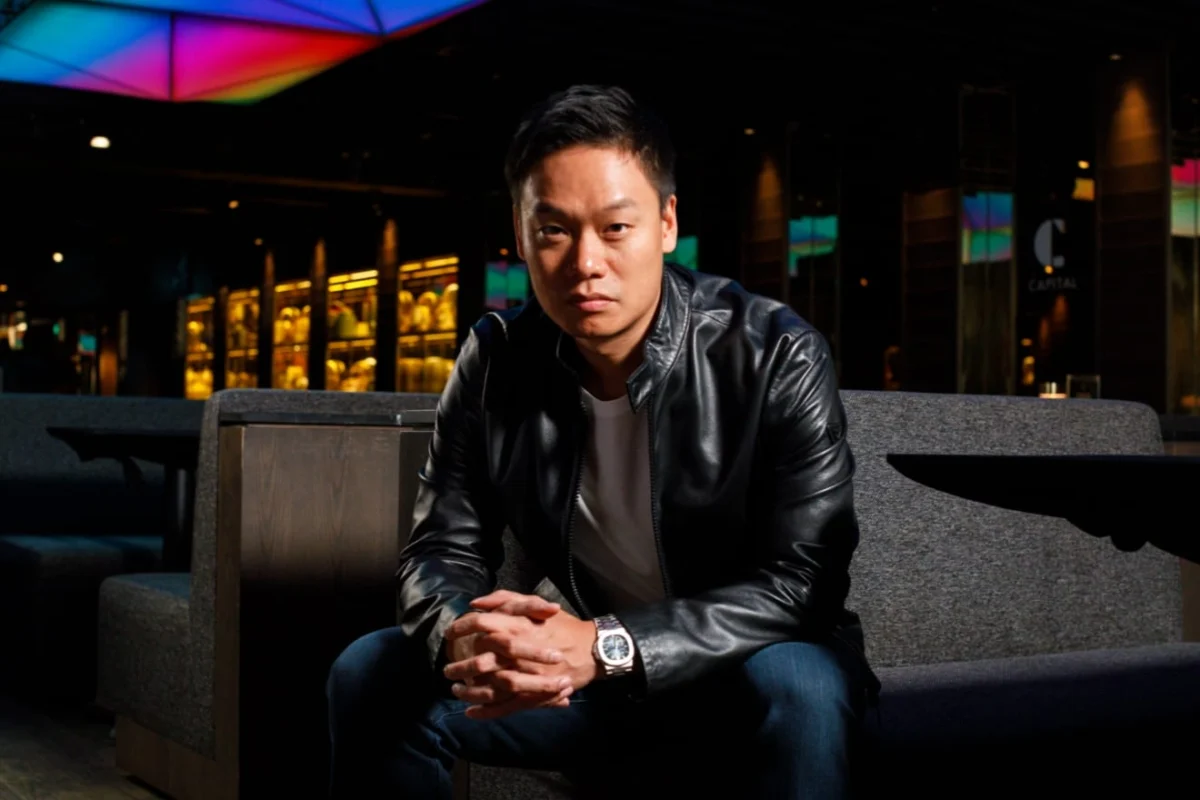
The landscape of Singapore’s nightlife is currently undergoing a seismic shift as Zouk Group, the city-state’s most venerable entertainment powerhouse, embarks on a multi-million dollar renovation of its flagship Clarke Quay premises. At the helm of this ambitious transformation is Andrew Li, the Group CEO who has navigated the brand through its most turbulent years, including a global pandemic that threatened the very existence of the nightlife sector. As the institution approaches its 35th anniversary, Li is reflecting on the lessons of the past decade while positioning Zouk not merely as a nightclub, but as a diversified global lifestyle ecosystem.
The Crucible of the Pandemic: A Catalyst for Change
The COVID-19 pandemic serves as the definitive turning point in Andrew Li’s tenure. For the nightlife and entertainment sector in Singapore, the period between 2020 and 2022 was one of unprecedented existential dread. As an industry built on physical proximity and social density, clubs were the first to be ordered shut and the last to be permitted to reopen. Li notes that while the sector often felt like the "child nobody wanted" due to the lack of traditional subsidies compared to other industries, the experience ultimately galvanized a new sense of ownership.
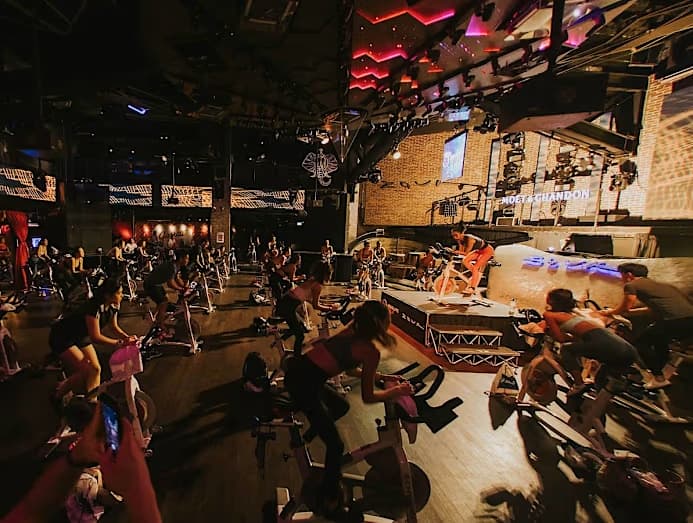
During the height of the lockdowns, Zouk was forced to reinvent the utility of its physical space. The group’s "black box" philosophy—the idea that a club is essentially a versatile vessel—led to several unconventional pivots. These included transforming the dance floor into a high-intensity cycling studio in partnership with Absolute Cycle and a temporary cinema. While some ideas, such as a proposed supermarket to capitalize on the only businesses allowed to remain open, were scrapped due to the high costs of refrigeration infrastructure, the willingness to experiment saved hundreds of jobs and kept the brand relevant during a time of total stasis.
Chronology of Transformation: From Jiak Kim Street to Global Icon
To understand the weight of the current multi-million dollar renovation, one must look at the historical trajectory of the Zouk brand. Founded in 1991 by Lincoln Cheng in a cluster of restored warehouses on Jiak Kim Street, Zouk became the epicenter of Singapore’s electronic dance music (EDM) scene. It was instrumental in placing Singapore on the global clubbing map, consistently ranking in the top ten of DJ Mag’s Top 100 Clubs list.
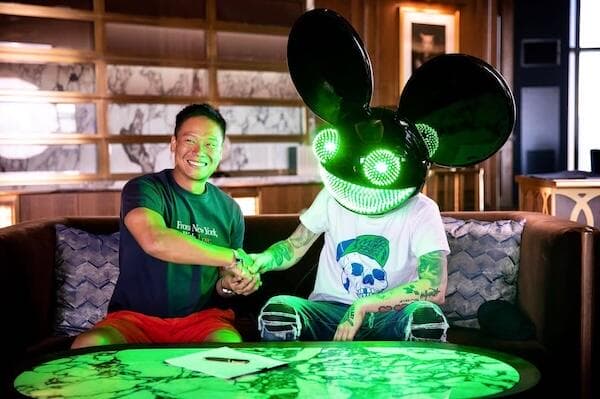
In 2015, the brand was acquired by Genting Hong Kong, a move that signaled a shift toward corporate professionalization and global expansion. This was followed by the high-profile move from the sentimental Jiak Kim Street location to the current 30,000-square-foot space in Clarke Quay in 2016. Under Li’s leadership, the brand expanded its footprint significantly, opening Zouk Las Vegas at Resorts World in 2021 and establishing presence in Genting Highlands and Tokyo.
The current renovation ahead of the 35th anniversary represents the next phase of this evolution. It is a strategic reinvestment designed to modernize the sensory experience of the club, incorporating cutting-edge lighting technology and sound engineering that can compete with the high-octane environments of Las Vegas and Ibiza.
Strategic Analysis: The Omakase Lesson and Market Timing
Leadership in the lifestyle sector requires a delicate balance between trend-chasing and sustainable business modeling. Li candidly discusses one of his most significant business lessons: the launch and subsequent closure of an omakase restaurant during the pandemic.
At a time when international travel was restricted, the demand for premium Japanese dining in Singapore reached a fever pitch. However, the lag between conceptualization and execution proved fatal. By the time the restaurant was fully operational and social distancing measures were lifted, the market was saturated with similar concepts, and Singaporean consumers were once again prioritizing travel to Japan over local high-end dining.
This experience highlighted a critical reality for the Zouk Group: timing and luck are as essential as capital and vision. Li’s current strategy emphasizes "rolling with the punches," encouraging his team to pitch dozens of ideas with the understanding that only a small percentage will achieve long-term viability. This agile approach has led to the successful diversification of the group into F&B concepts like RedTail and the burger boutique Three Wisemen, as well as the exploration of the "Zouk Hotel" concept—an ecosystem that captures a consumer’s entire 24-hour cycle from dining to dancing to sleep.
The Las Vegas Influence and the Evolution of Service
A significant portion of Zouk’s current philosophy is informed by its expansion into the United States. The Las Vegas market, characterized by extreme competition and a culture of "excess," provided a blueprint for high-tier hospitality. Li observed that in Vegas, the service is designed to make every patron feel like royalty, albeit at a premium price point.
While Zouk Singapore aims to avoid the predatory pricing sometimes associated with the American "bottle service" model, it has adopted the Vegas focus on seamless hospitality. The goal of the current renovation is to integrate this "king-like" treatment—better crowd management, personalized service, and a frictionless entry process—within the community-focused atmosphere that has defined Zouk for three decades. Li believes that the core of the nightlife experience is the creation of "core memories," such as the collective energy of 20,000 people watching the sunrise at ZoukOut, the group’s signature beach festival.
Navigating Gen Z Trends and Macroeconomic Pressures
The future of nightlife in Singapore faces two primary challenges: changing demographic preferences and a tightening economic environment. There has been significant discourse surrounding the "sober clubbing" trend among Generation Z, who are perceived as being more health-conscious and less inclined toward heavy alcohol consumption than previous generations.
However, Li offers a more nuanced perspective based on internal data and conversations with alcohol suppliers. He suggests that while there is a health-conscious wave, the shift in behavior is primarily economic. With rising inflation, high interest rates, and the increased cost of living in Singapore, younger consumers are not necessarily quitting drinking; they are "trading down." This involves seeking out venues with lower entry costs or "free-flow" deals, such as those offered at Zouk’s RedTail bar, which has seen a surge in popularity among the student demographic.
Furthermore, the macroeconomic outlook for 2025 and 2026 plays a role in Zouk’s investment strategy. Li remains bullish on the sector, citing a strong performance in 2024 despite global headwinds. The multi-million dollar investment is a bet on the recovery of consumer spending power as interest rates potentially stabilize, allowing for more discretionary spending on entertainment.
Broader Implications for Singapore’s Tourism and Nightlife
The renovation of Zouk is not just a private business move; it is a significant development for Singapore’s tourism landscape. The Singapore Tourism Board (STB) has long identified nightlife as a key pillar of the city’s appeal to international visitors. As Clarke Quay itself undergoes a rejuvenation project to become a day-and-night destination, Zouk’s evolution aligns with the national strategy to attract high-yield travelers who seek sophisticated, world-class entertainment.
The industry is currently bifurcating into two successful models: the massive, high-production super-club (like Zouk or Marquee) and the small, intimate, specialized lounge. Li notes that venues in the "middle ground"—those without a clear identity or the scale to provide a spectacle—will find it increasingly difficult to survive in a cutthroat market. By doubling down on the "super-club" experience while diversifying into boutique F&B, Zouk is attempting to bridge both ends of the luxury spectrum.
Conclusion: A Vision of Mental Clarity and Legacy
At 43, Andrew Li’s leadership style has shifted from the "Dutch courage" of his early years to a focus on mental clarity and professional demarcation. He credits daily morning meditations—a habit formed during the pandemic—with providing the focus necessary to manage a global brand. His personal goals now include starting a family and pursuing a Michelin star for the group’s culinary ventures, indicating a desire to elevate Zouk’s reputation beyond the dance floor.
As Zouk prepares to unveil its new look, the message from its CEO is clear: the brand is much larger than any one individual. It is a cultural institution that has survived three decades of shifts in music, fashion, and global health. The current renovation is a commitment to ensuring that Zouk remains the "big black box" where Singapore’s future generations continue to form their most significant memories. Through strategic diversification and a relentless focus on the "core memory" of the patron, Andrew Li is ensuring that Zouk’s 35th year is not just a celebration of longevity, but a launchpad for a new era of global entertainment.
