
 By Layla Zulfa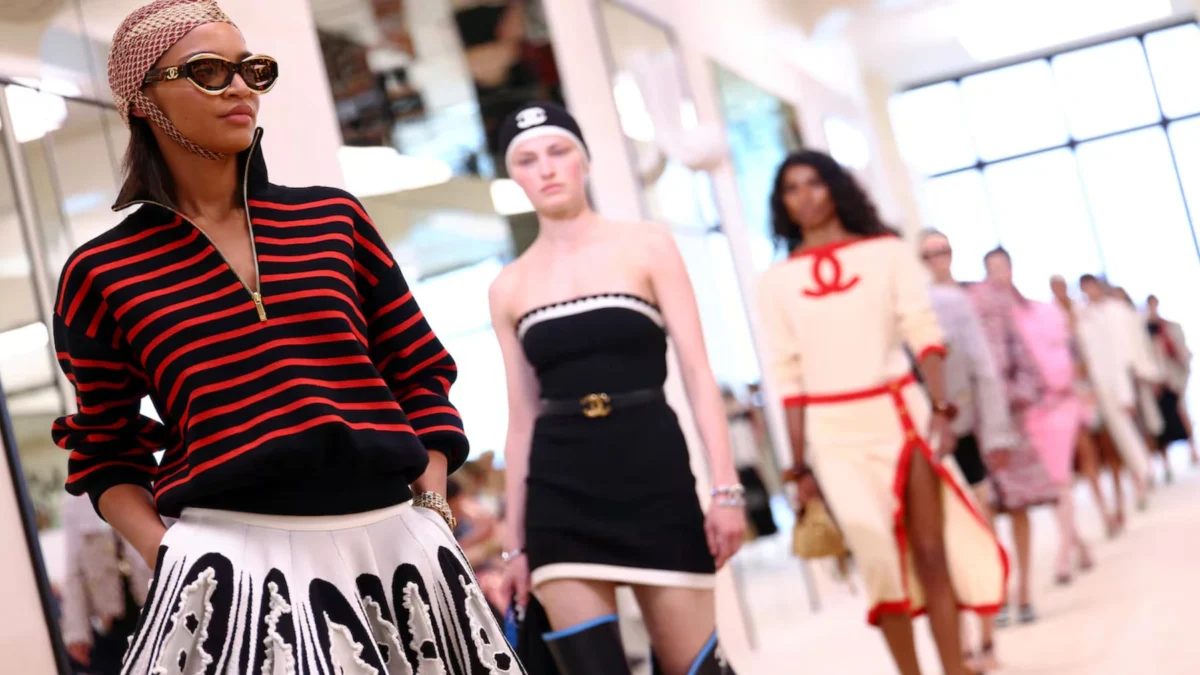
The recent robust performance of Chanel, characterized by surging sales figures and unparalleled brand heat, serves as a compelling indicator that the prevailing challenges within the global luxury industry may stem less from a fundamental lack of consumer demand and more from a critical deficiency in brand desirability. This sentiment was strikingly articulated at a prominent fashion press event last month, where a seasoned publicist confidently declared Chanel to be "singularly the hottest brand right now," specifically highlighting "new Chanel" with the emphatic phrase, "Blazy or bust." While the latter phrase is an idiom often used to praise the transformative impact of Matthieu Blazy at Bottega Veneta, its deployment in the context of Chanel’s current ascendancy underscores the immense value placed on a brand’s contemporary relevance and magnetic creative vision in today’s discerning market.
The Shifting Sands of Luxury Consumption
For several years, the luxury market enjoyed a period of unprecedented growth, fueled by post-pandemic revenge spending, the rise of aspirational consumers, and expanding wealth in emerging markets. However, recent economic headwinds—including persistent inflation, rising interest rates, geopolitical instability, and a more cautious consumer sentiment, particularly in key markets like China—have introduced a new era of moderation. Industry reports, such as those from Bain & Company and Deloitte, have revised growth forecasts downwards, signaling a normalization after the extraordinary boom. Yet, even within this more challenging landscape, certain ultra-luxury brands like Chanel continue to defy gravity, showcasing not just resilience, but accelerated growth. This divergence points to a fundamental shift: consumers are increasingly selective, channeling their discretionary spending towards brands that offer not just quality and heritage, but also an undeniable sense of cultural cachet and aspiration – in essence, desirability.
Desirability, in this context, transcends mere product availability or price point. It encompasses a brand’s perceived exclusivity, its consistent ability to innovate while honoring its heritage, its cultural resonance, and the emotional connection it fosters with its clientele. It is the intangible allure that makes a consumer choose one high-end item over another, even if both are objectively "luxury." Chanel’s current trajectory suggests a masterful command of this elusive quality.
Chanel’s Strategic Blueprint for Success
Chanel’s remarkable financial performance in recent years provides tangible evidence of this desirability dividend. While specific quarterly figures are not publicly disclosed by the privately-held company, annual reports consistently demonstrate double-digit revenue growth, often outpacing the broader luxury market. For instance, in its last reported fiscal year, Chanel recorded revenues well over $17 billion, reflecting a significant year-over-year increase and robust profitability. This growth is not accidental but the result of a meticulously executed strategy centered on several key pillars:
Exclusivity and Price Management
Unlike some luxury brands that have pursued broader market penetration, Chanel has steadfastly maintained an iron grip on its exclusivity. The brand has strategically limited distribution, controlling its retail footprint to ensure a curated and aspirational shopping experience. Furthermore, Chanel has consistently implemented price increases across its core categories, particularly handbags and ready-to-wear. While this strategy might deter some entry-level luxury buyers, it reinforces the brand’s ultra-luxury positioning, signaling scarcity and intrinsic value to its most affluent clientele. These price adjustments are often justified by rising production costs and the desire to align pricing globally, but they also serve to elevate the brand’s perceived status and long-term investment value.
Unwavering Creative Vision and Brand Narrative
The publicist’s "Blazy or bust" comment, while not literally referring to Matthieu Blazy designing for Chanel, serves as a potent analogy for the imperative of strong, impactful creative direction. It highlights the market’s hunger for brands that possess a clear, compelling aesthetic vision and a palpable sense of "newness" or "heat." At Chanel, this vision is spearheaded by Creative Director Virginie Viard, who inherited the formidable legacy of Karl Lagerfeld. Viard’s tenure has been characterized by a subtle evolution rather than a radical revolution, carefully balancing Chanel’s iconic codes—tweed, camellia, pearls, the 2.55 bag—with contemporary sensibilities. Her collections, often presented in spectacular, narrative-driven shows, consistently generate significant media attention and consumer buzz. This continuous reinterpretation of heritage, combined with fresh silhouettes and accessories, ensures that Chanel remains relevant and exciting without alienating its core customer base or diluting its distinctive identity. The brand’s narrative is further strengthened by its rich history, celebrated through various cultural initiatives, exhibitions, and carefully curated brand storytelling that emphasizes craftsmanship, Parisian elegance, and the pioneering spirit of Gabrielle Chanel herself.
Mastering the Customer Experience
Chanel understands that luxury is as much about the experience as it is about the product. From the impeccably designed boutiques to the highly personalized service, every touchpoint is crafted to reinforce the brand’s aspirational image. The brand has also been strategic in its approach to digital engagement, blending high-end editorial content with curated e-commerce for select categories, while maintaining a firm stance on preserving the in-store experience for its most iconic products. This holistic approach ensures that the journey of acquiring a Chanel item is itself a luxurious event, deepening the emotional bond with the brand.
Broader Implications for the Luxury Landscape
Chanel’s sustained success in a tightening market sends a clear message to the broader luxury industry: a focus on pure volume or rapid expansion without a robust foundation of desirability is a precarious strategy.
The "Zero-Sum Game" of Luxury
The original caption accompanying the news snippet, "Luxury’s zero-sum game," aptly captures the current competitive dynamic. In an environment where overall market growth is moderating, consumer spending on luxury items becomes more concentrated. This means that for one brand to significantly gain market share, another may inevitably lose it. Consumers, particularly the affluent who are the primary drivers of ultra-luxury sales, are not necessarily spending less on luxury overall, but they are becoming more discerning about where they spend. They are gravitating towards the brands that consistently deliver on quality, exclusivity, and, crucially, desirability. This intensifies pressure on brands that struggle with brand fatigue, inconsistent creative direction, or a diluted sense of identity.
Lessons for Competitors
Other luxury houses are undoubtedly scrutinizing Chanel’s playbook. Key takeaways include:
- Invest in Creative Leadership: A strong, consistent creative vision is paramount. Brands need designers who can articulate a clear aesthetic and narrative that resonates with contemporary culture while respecting brand DNA.
- Prioritize Brand Equity Over Short-Term Gains: Resisting the temptation to over-distribute or discount can protect long-term brand value and exclusivity. Strategic price increases, when carefully managed, can reinforce luxury positioning.
- Cultivate Cultural Relevance: Luxury brands must actively engage with culture, art, and societal trends to remain relevant and aspirational. This extends beyond product design to marketing campaigns, collaborations, and digital presence.
- Enhance Experiential Retail: The physical and digital retail environments must offer an elevated, personalized, and memorable experience that aligns with the brand’s luxury positioning.
The Enduring Power of Heritage and Craftsmanship
While desirability often hinges on "newness" and relevance, Chanel’s success also reaffirms the enduring power of heritage and exceptional craftsmanship. These foundational elements provide a brand with authenticity and a timeless appeal that can withstand fleeting trends. Chanel’s ability to weave its rich history into contemporary collections, emphasizing the skilled artistry behind each piece, creates a powerful narrative of enduring quality and investment value.
The Future Outlook
As the global economy navigates ongoing uncertainties, the luxury market is likely to remain stratified. Brands that can successfully cultivate and maintain desirability—through compelling creative direction, strategic brand management, and an unparalleled customer experience—will continue to thrive and capture a disproportionate share of affluent consumer spending. For those that fail to adapt, the challenges will deepen. Chanel’s surging sales are not merely a success story for one brand; they are a bellwether for the evolving landscape of luxury, signaling that in an increasingly competitive world, desirability has become the ultimate currency. The industry is entering an era where consumers are not just buying products; they are investing in aspirations, identity, and the intangible allure that only truly desirable brands can offer.
