
 By admin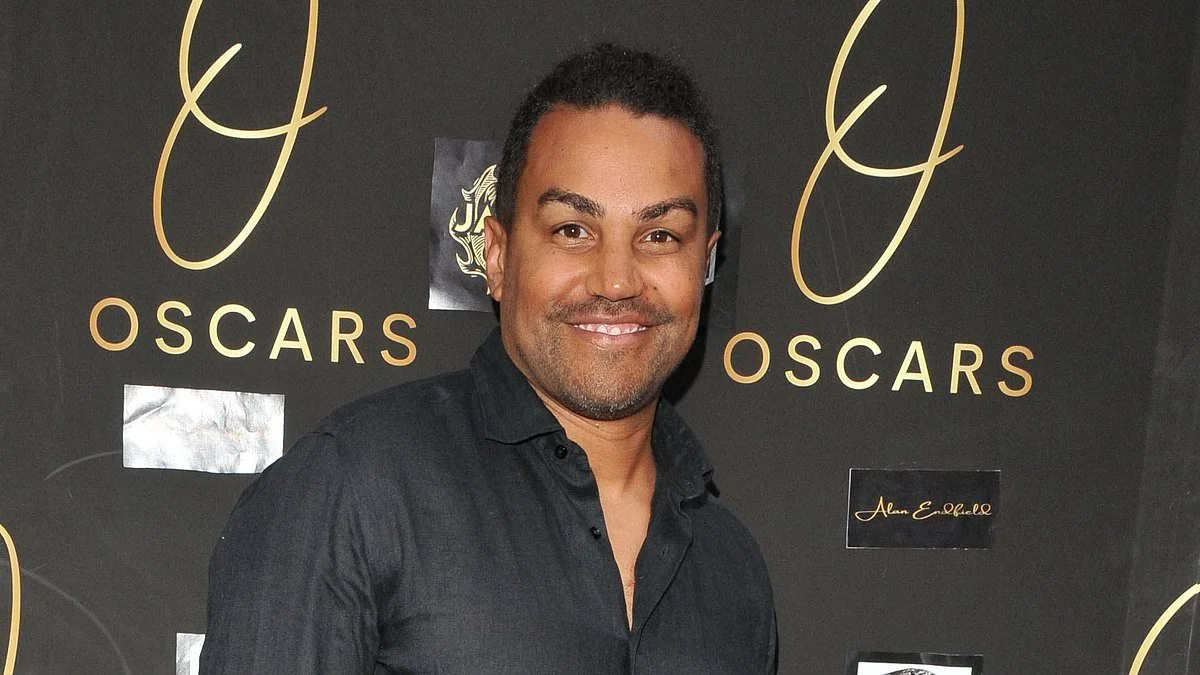
TJ Jackson, the musician and son of Tito Jackson, has sparked a significant public discourse regarding empathy and historical grievances after publicly offering prayers for gossip blogger Perez Hilton. The gesture comes in the wake of a harrowing mental health crisis involving Hilton, which was broadcast live on social media and resulted in his emergency hospitalization. Jackson, who is the nephew of the late Michael Jackson, found himself at the center of a social media debate as followers questioned his decision to extend grace to a figure who famously spent years disparaging the Jackson family and other high-profile celebrities.
The incident began on Tuesday evening when Hilton, 48, initiated a livestream on the social media platform TikTok. During the broadcast, the blogger appeared to be in a state of severe psychological distress, brandishing a knife and covered in blood. The graphic nature of the footage prompted immediate alarm among viewers, several of whom contacted emergency services. Law enforcement officials from the Miami-Dade Sheriff’s Office responded to Hilton’s ranch-style residence in Miami at approximately 7:00 p.m. Surveillance footage from a neighbor’s security camera captured the arrival of four squad cars with sirens blaring, followed by officers attempting to negotiate Hilton’s exit from the home.
Following a brief standoff, Hilton was subdued and transported to a local medical facility for treatment and psychiatric evaluation. The event has reignited conversations about the responsibilities of social media platforms in monitoring live content, as TikTok faced criticism for the duration the "disturbing" video remained accessible before the account was ultimately banned.
TJ Jackson’s Call for Compassion
As news of Hilton’s condition spread, TJ Jackson took to X, formerly known as Twitter, to express his perspective. Despite the well-documented animosity Hilton held toward the Jackson family—most notably his skepticism surrounding Michael Jackson’s death in 2009—TJ Jackson opted for a message of healing.
"Everybody is talking about this Perez Hilton video. I haven’t seen it but from what I’ve heard it’s horrible," Jackson wrote. He acknowledged Hilton’s history, noting that the blogger "hasn’t been nice to many celebs including my family," but emphasized that he had no desire to see anyone "broken and in such a dark place." Jackson concluded his initial post by stating he was praying for Hilton’s "healing and his health."
The reaction from Jackson’s followers was polarized. While many commended the 48-year-old singer for his maturity and adherence to his family’s values, others argued that Hilton’s past behavior—often characterized by bullying and the outing of public figures—disqualified him from such public displays of sympathy. Jackson spent much of Wednesday and Thursday defending his position, asserting that he was not "raised or taught to want worse for people."
A History of Conflict: The 2009 Incident
The public’s resistance to Jackson’s empathy is rooted in a specific and painful history between Hilton and the Jackson estate. In June 2009, as news broke that Michael Jackson had suffered cardiac arrest, Hilton used his platform to claim the reports were a "publicity stunt." He urged fans to "get your money back" for Jackson’s upcoming "This Is It" residency in London and compared the situation to a previous 1995 rehearsal collapse.
When the King of Pop’s death was confirmed hours later, Hilton deleted the skeptical posts, but the damage to his reputation among Jackson’s fanbase was permanent. For many, Hilton’s career represented an era of "snark" journalism that prioritized engagement over human dignity. Jackson’s decision to forgive this history was, for him, an act of personal philosophy. He cited a famous quote from Dr. Martin Luther King Jr.: "I have decided to stick with love. Hate is too great a burden to bear."
The Family Impact and Official Statements
While Hilton remains hospitalized, a statement released on his official website provided insight into the domestic situation surrounding the crisis. It was revealed that Hilton’s three children—Mario, Mia, and Mayte—along with his sister and niece, were present at the home just minutes before the livestream escalated. According to the statement, the family "immediately fled" the premises to shield the children from further trauma.
"The events of the past several days have been nearly unbearable for our family," the statement read. "Our highest priority right now is helping the children begin to heal from what they experienced. An important part of that process is allowing them to safely return home and begin rebuilding a sense of security and normalcy."
The family also requested privacy from the media and paparazzi, emphasizing that the children’s well-being is the paramount concern as Hilton undergoes treatment. Hilton’s sister, Barbara Lavandeira, has reportedly been by his side at the hospital.
Analysis of Social Media and Mental Health Trends
The Hilton incident highlights a growing and concerning trend of mental health crises being played out in real-time on digital platforms. According to data from the Centers for Disease Control and Prevention (CDC), suicide and self-harm rates have seen a fluctuating but generally upward trend over the last decade, with digital connectivity playing a dual role as both a support system and a source of significant psychological pressure.
Industry analysts suggest that the "live" nature of modern social media creates a "digital bystander effect," where thousands may watch a crisis unfold without knowing how to intervene effectively. TikTok’s response time in this instance has become a focal point for critics who argue that AI-driven content moderation must be more sensitive to visual cues of self-harm.
Furthermore, the "cancel culture" or "karma" discourse surrounding Hilton’s crisis reflects a societal shift in how public figures are viewed during moments of vulnerability. TJ Jackson’s insistence that "a healthy ego doesn’t need to feel justified" serves as a counter-narrative to the often-retributive nature of social media commentary.
Chronology of Events
- Tuesday, 7:00 PM: Perez Hilton begins a TikTok livestream displaying self-harming behavior. Neighbors and viewers alert the Miami-Dade Sheriff’s Office.
- Tuesday, 7:15 PM: Law enforcement arrives at Hilton’s Miami residence. Family members evacuate the children from the home.
- Tuesday, 8:00 PM: Hilton is subdued by officers and transported to a medical facility. TikTok removes the livestream and bans Hilton’s account.
- Wednesday morning: News of the hospitalization breaks globally. TJ Jackson posts his initial message of prayer and support on X.
- Wednesday afternoon: Hilton’s family issues a formal statement via PerezHilton.com requesting privacy for his children.
- Thursday: TJ Jackson continues to engage with critics, defending his stance on forgiveness and quoting civil rights leaders to explain his family’s values.
Broader Implications for Celebrity Culture
The intersection of celebrity gossip and mental health has long been a fraught territory. Hilton, who rose to prominence in 2004 with his blog "PageSixSixSix.com" (later PerezHilton.com), was a pioneer of the aggressive celebrity coverage that defined the mid-2000s. In recent years, Hilton had claimed to have "evolved" and expressed regret for his past tactics, though many in the industry remained skeptical.
TJ Jackson’s response suggests a potential path forward for high-profile families who have been the targets of such media scrutiny. By choosing to address Hilton as a "broken human" rather than a professional adversary, Jackson attempts to break a cycle of public animosity. His argument that there is "no beauty in revenge" resonates as a call for a more humane approach to digital interaction, even when directed at those who have historically lacked such humanity themselves.
As Hilton continues his recovery, the focus remains on the intersection of mental health support and platform accountability. The incident serves as a stark reminder of the fragile nature of mental health, regardless of one’s public standing or past controversies.
If you or someone you know is in crisis in the United States, please call or text the 988 Suicide & Crisis Lifeline at 988, available 24/7. In the UK, contact Samaritans at 116 123. In Australia, contact Lifeline at 13 11 14.
