
 By Nila Kartika Wati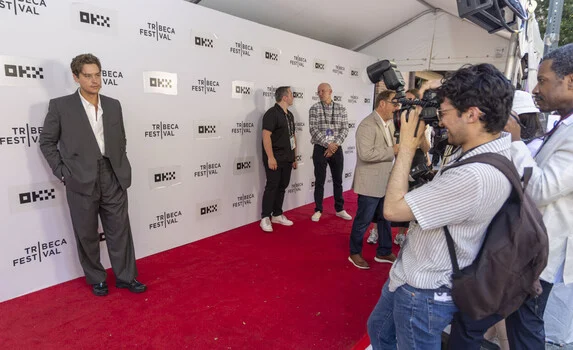
Red carpet photography, seemingly straightforward from an external vantage point, is a highly specialized discipline demanding meticulous preparation, advanced technical skill, and a nuanced understanding of industry etiquette. The complexities involved in securing access, deploying appropriate gear, and navigating the dynamic environment behind a single, pristine frame are far from obvious, as evidenced by a recent return to the field at the Tribeca Film Festival. This report delves into the multifaceted requirements of excelling in this competitive niche, drawing insights from contemporary practices and the evolution of the craft.
The Evolution and Significance of the Red Carpet
The red carpet, a global symbol of glamour and prestige, has roots far deeper than modern Hollywood. Historically, red carpets were reserved for royalty and dignitaries, signifying a path of honor and celebration. Its modern iteration, however, largely solidified with the rise of the film industry, transforming into an indispensable stage for celebrity appearances, fashion statements, and promotional efforts. From the golden age of Hollywood to today’s digital landscape, the red carpet serves as a critical nexus where entertainment, fashion, and media converge, generating immense public interest and driving significant buzz for films, television shows, and cultural events.
In cities like New York, red carpet events extend beyond film premieres, encompassing product launches, restaurant openings, and fashion galas, each demanding specialized photographic coverage. An illustrative example from 2007, the opening of Justin Timberlake’s Southern Hospitality restaurant in New York City, underscored early lessons in navigating the press scrum. Such events, while seemingly smaller in scale than a major film festival, highlight the universal principles of respecting boundaries and adapting to challenging vantage points – often requiring photographers to capture mid-length or head-and-shoulders shots due to spatial limitations. This foundational understanding of photographic constraints and interpersonal dynamics forms the bedrock of professional red carpet engagement.
Tribeca Film Festival: A Premier Platform
The Tribeca Film Festival, established in 2002 by Robert De Niro, Jane Rosenthal, and Craig Hatkoff in response to the September 11 attacks, has grown into a cornerstone of the independent film circuit. Annually held in New York City, the festival champions emerging filmmakers, fosters cultural dialogue, and brings a diverse array of cinematic experiences to a global audience. Its mission to redefine the film festival experience by integrating film, art, music, and new media makes it a particularly dynamic and challenging environment for media professionals.
The festival’s scope, from June 3-14, 2026, encompasses numerous premieres, panel discussions, immersive experiences, and, crucially, red carpet events. These carpets are not merely photo opportunities but carefully orchestrated media spectacles, integral to a film’s marketing campaign and a celebrity’s public image. The visual content generated here is instantly disseminated across traditional news outlets, entertainment publications, and social media, shaping public perception and influencing box office success. For photographers, capturing these moments effectively requires not just technical prowess but also a keen understanding of the event’s broader objectives.
The Credentialing Crucible: Gaining Access
Access to official red carpet events is a highly regulated process, typically necessitating stringent press credentialing. For a major event like the Tribeca Film Festival, securing a press badge involves a multi-stage application. This often includes submitting an official request letter from a recognized media organization (such as Fstoppers.com, a leading platform for photographers), alongside a portfolio of previous work to demonstrate capability and experience.
The credentialing process is competitive, and approval is never guaranteed. Even upon receiving general press accreditation, access to specific high-profile red carpets can be limited, often prioritized for larger, more established media organizations with broader reach. This "gatekeeping" mechanism ensures that limited space is allocated to outlets capable of generating significant media exposure. Despite these challenges, persistent photographers can typically secure spots at a sufficient number of events to build their portfolio and fulfill assignments.
For emerging photographers or those with limited experience, direct red carpet access can be particularly challenging. In such instances, attending events as a member of the public, if the carpet is visible, offers an alternative. While direct eye contact shots with subjects may be difficult to achieve, these opportunities can still yield valuable content for a portfolio, demonstrating initiative and building an experience trail. Industry practice confirms that both direct-gaze and off-center shots are valuable to clients, providing versatility for various editorial and promotional uses.
Operational Logistics: From Check-in to Capture
Once credentialed, adherence to strict logistical protocols is paramount. PR agencies managing red carpets provide precise instructions regarding check-in times and locations. Typically, a 30-minute press check-in occurs approximately an hour before the carpet officially opens. This is followed by a waiting period, ranging from 15 to 30 minutes, as photographers position themselves and prepare their equipment.
The actual talent walk usually lasts about 15 minutes, a condensed window demanding efficiency and readiness. The carpet’s layout commonly positions photographers at the beginning, followed by print and broadcast interviewers. Securing interview positions is often more difficult due to their scarcity and higher demand. Punctuality is non-negotiable; arriving on time or early reinforces a professional reputation, critical for continued access and positive relationships within the industry. A photographer’s reliability directly impacts their standing and future opportunities.
The Essential Arsenal: Gear for the Glamour
Equipping oneself for a red carpet event prioritizes reliability, image quality, and adaptability. The core setup typically comprises three key components:
-
Camera Body: A modern camera body with a high-resolution sensor (20 MP or higher) is an industry standard. Models from the last five to ten years generally suffice, though newer professional-grade cameras like the Canon EOS R5 C (known for its 45 MP stills and hybrid video capabilities) offer a competitive edge. The high resolution is crucial for cropping flexibility and delivering publication-quality images.
-
Lens: A versatile zoom lens is essential given the close proximity to subjects (typically 5 to 10 feet). The Canon RF 24-105mm F4 L IS USM is a favored choice, offering a broad focal range suitable for both individual full-body and headshots, as well as large group photos. Its consistent f/4 aperture provides sufficient light gathering in controlled environments.
-
Flash Unit: An external flash, such as the Canon Speedlite 600EX-RT, is critical for consistent, high-quality lighting. While many red carpets feature constant ambient lighting, a dedicated flash ensures optimal exposure and reduces harsh shadows. Professional photographers often operate their flash in manual mode at low power settings (e.g., 1/8 power) to maximize battery life and facilitate rapid firing. Common camera settings include ISO 400, f/4, and a shutter speed of 1/125th of a second, though these are adjusted based on the specific lighting conditions of each event.
Beyond these essentials, accessories significantly enhance image quality. A diffusion dome or similar light modifier (like the Godox Collapsible Diffusion Dome) is highly recommended. Diffusers soften the flash’s output, reducing harsh shadows and creating a more flattering, natural light. The difference between direct flash, ambient lighting, and diffused flash can be substantial, as comparative tests often demonstrate, with diffusion yielding a notably more pleasing aesthetic. For frequent red carpet shooters, a flash rotating bracket (e.g., Custom Brackets Rapid Fire PRO) can further optimize light positioning and ease of use.
Regardless of the specific gear, meticulous pre-event checks are non-negotiable. Ensuring sufficient memory card capacity and fully charged spare batteries is fundamental. A momentary oversight, such as neglecting to check battery levels, can result in missed critical shots – a professional setback that reinforces the importance of thorough preparation.
Mastering the Art of the Shot: Etiquette and Direction
The landscape of red carpet photography has evolved beyond merely documenting celebrity appearances. Contemporary practice often involves a more interactive approach, particularly in less crowded or more controlled environments. While simply calling out a celebrity’s name for eye contact was a past standard, modern etiquette frequently allows for subtle, professional direction.
Experienced photographers often take ownership of the final image by offering brief, constructive guidance to subjects. This can range from suggesting specific poses to requesting the removal of distracting items like cell phones. Such quick adjustments, while minimal in time investment, significantly enhance the quality of the resulting photograph. This shift reflects a professional desire to deliver the best possible image, acknowledging that the photographer’s name is associated with the published work.
The ability to direct subjects is not always guaranteed and depends on the event’s flow and the subject’s experience. Reading the room, observing the practices of fellow photographers, and gauging a subject’s receptiveness are key. Popular red carpet poses, researched and understood by photographers, can offer useful starting points for guidance, providing subjects with more engaging options than a simple forward-facing stance.
Red carpet managers employ different flow strategies. In some setups, subjects move sequentially down a line of photographers, allowing for more individualized interaction and direct views against a clean background. In other, often high-volume scenarios, subjects take a central position, looking across at a bank of photographers. While less personal, this method ensures most photographers capture a direct gaze, particularly useful for large groups needing rapid transit.
Group shots, a staple of film premieres, typically involve cast and crew gathering centrally. Here, professional courtesy among photographers, despite their competitive affiliations, ensures a swift "round-robin" system, allowing each media outlet to capture their required images efficiently. This collaborative spirit underscores the shared objective of documenting the event comprehensively. Furthermore, securing a variety of shots – both subjects looking directly at the camera and those gazing off-center – is beneficial, as different clients may have varying preferences for editorial use.
Beyond the Carpet: Broader Festival Engagement
Comprehensive coverage of a film festival extends beyond the red carpet. The Tribeca Film Festival offers a rich tapestry of events, including filmmaker interviews, panel discussions, and interactive experiences like the Tribeca Games section. Engaging with these diverse components provides a holistic perspective on the festival’s cultural impact.
Interviews with filmmakers, such as Ran Ran Wang ("I Think About Killing You"), Blake Winston Rice and Victoria Ratermanis ("DISC"), Branislav Jankic and Monika "Jac" Jagaciak ("White Belt"), Jesse Weglein and Mohamed Taher ("Roar | 32B"), Isabel Lamars ("Kaya"), and Eddie Sanchez ("Mexicanamerican" – winner of best documentary), offer invaluable insights into the creative process and the narratives presented. Similarly, covering panel discussions, like those held at the AT&T Lounge, and exploring the Tribeca Games section, complete with developer interviews and game reviews, highlights the festival’s multifaceted approach to storytelling and innovation. These additional elements showcase the depth of a media professional’s engagement, extending beyond mere celebrity photography to encompass the broader cultural and artistic contributions of the event.
Conclusion: The Enduring Allure and Demands of Red Carpet Photography
Far from being a simple task, red carpet photography is a highly refined craft, demanding a blend of technical mastery, strategic preparation, and keen interpersonal skills. The nuances of credentialing, the careful selection and deployment of equipment, and the evolving etiquette of subject interaction distinguish the professional from the amateur. These insights from the Tribeca Film Festival underscore the continuous learning and adaptation required to excel in this dynamic field. As entertainment media continues to evolve, the ability to capture these high-stakes, high-glamour moments with precision and artistry will remain a critical skill for photojournalists and media professionals worldwide. The pursuit of that single, clean frame on the red carpet is a testament to dedication, technical expertise, and an understanding of the powerful role visual media plays in shaping global culture.
