
 By admin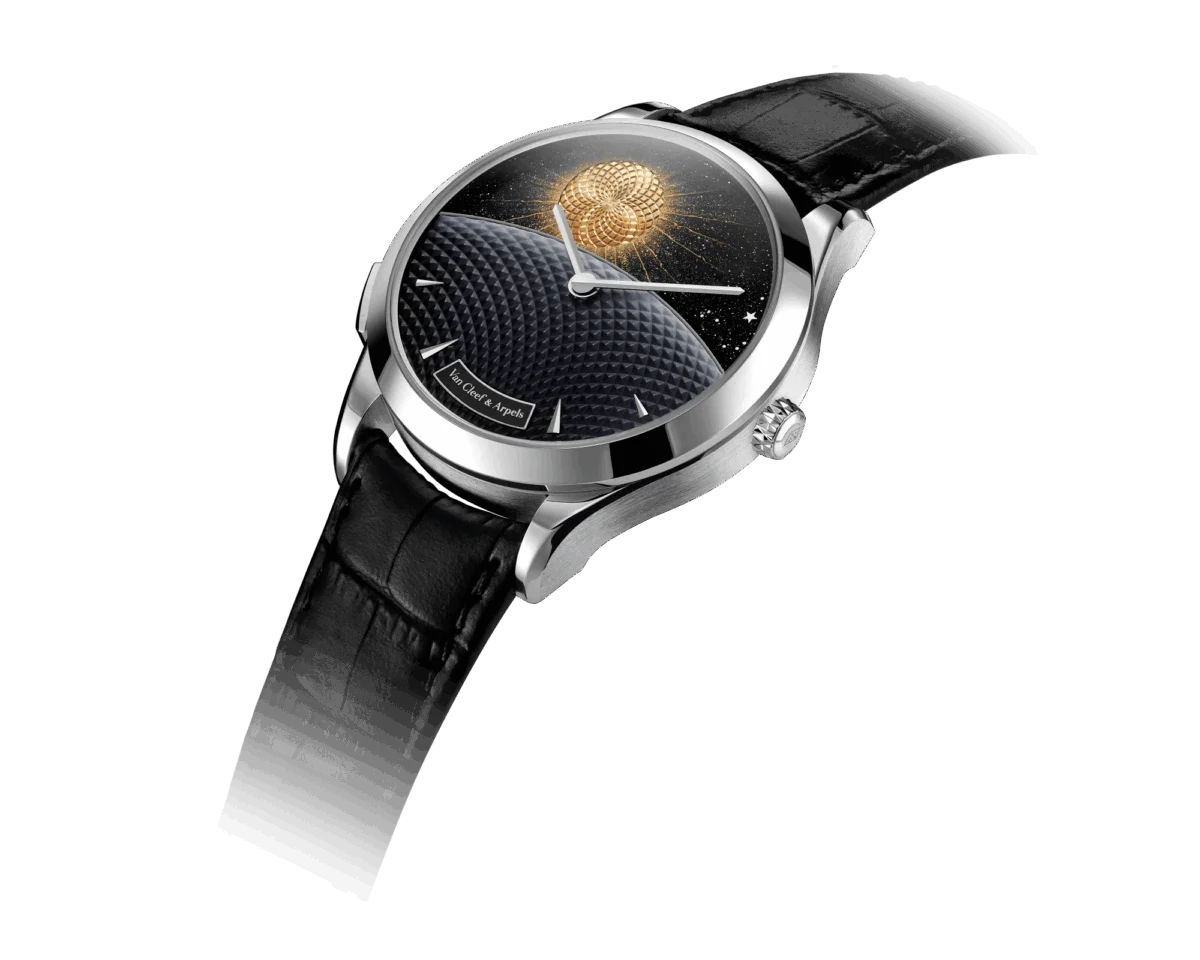
The landscape of global horology is witnessing a definitive pivot at the 2026 edition of Watches and Wonders in Geneva. While the preceding years were dominated by an industry-wide obsession with "tool watches"—specifically the ubiquitous steel dive watch—the current exhibition indicates a strategic return to high complications. This transition marks a shift from utilitarian aesthetics to the celebration of mechanical ingenuity, led by significant technical breakthroughs from legacy houses such as IWC Schaffhausen, Van Cleef & Arpels, and A. Lange & Söhne. As the shadow of industry giants like Rolex and Patek Philippe continues to influence market sentiment, the 66 participating brands are increasingly carving out niches through "grand horology," prioritizing the refinement of traditional complications over the mass-market appeal of sports references.
The Return of Mechanical Complexity
For the past several cycles, the luxury watch market was characterized by a "rush to the bottom" of the ocean, with brands across all price points releasing divers and integrated-bracelet sports watches to capture the momentum of a hype-driven market. However, the 2026 fair suggests that this trend has reached a saturation point. Collectors and industry analysts are observing a "correction" toward the intrinsic value of watchmaking: the complication.
The return to form is not merely aesthetic but deeply technical. This year’s highlights focus on solving long-standing "pain points" in mechanical watchmaking—issues that have plagued even the most prestigious movements for decades. By focusing on user experience and mechanical resilience, brands are attempting to justify the increasing premiums of high-luxury timepieces in a stabilizing global economy.
IWC Schaffhausen and the Evolution of the Perpetual Calendar
One of the most significant technical announcements of the fair came from IWC Schaffhausen. The brand, which revolutionized the perpetual calendar in 1985 under the guidance of legendary watchmaker Kurt Klaus, has finally addressed the primary limitation of that historic design. The original Klaus system was famous for its synchronized displays, all controlled via a single crown. However, it lacked the ability to be adjusted backward; if a user set the date too far forward, the watch often had to be sent back to a service center or left to stop until time caught up.
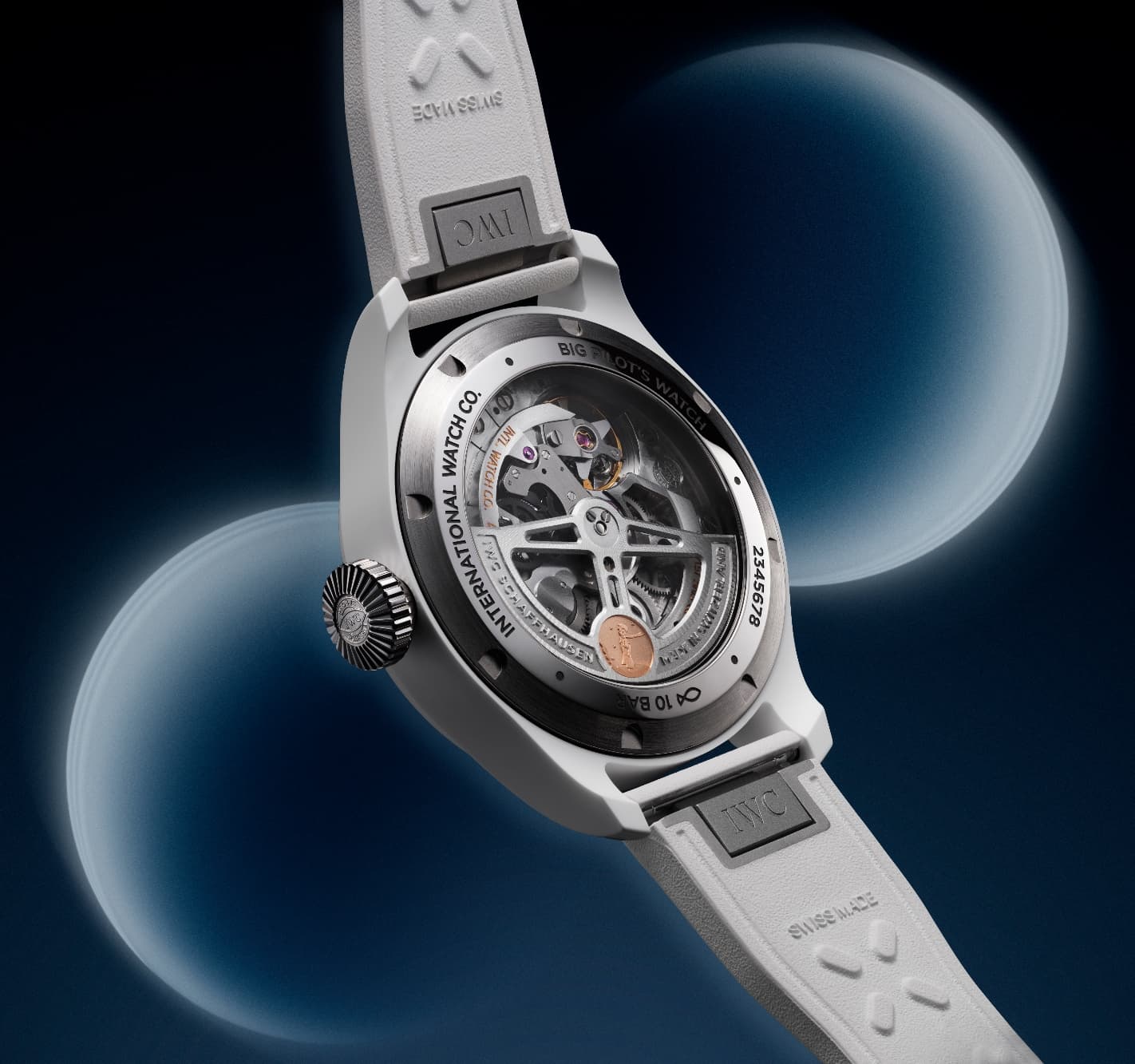
At Watches and Wonders 2026, IWC unveiled the ProSet perpetual calendar mechanism. This new iteration maintains the elegance of single-crown control but introduces bidirectional adjustment. By removing the "grand lever"—a staple of traditional perpetual calendar architecture—and replacing it with a more modular, gear-driven system, IWC has made the high complication remarkably user-friendly.
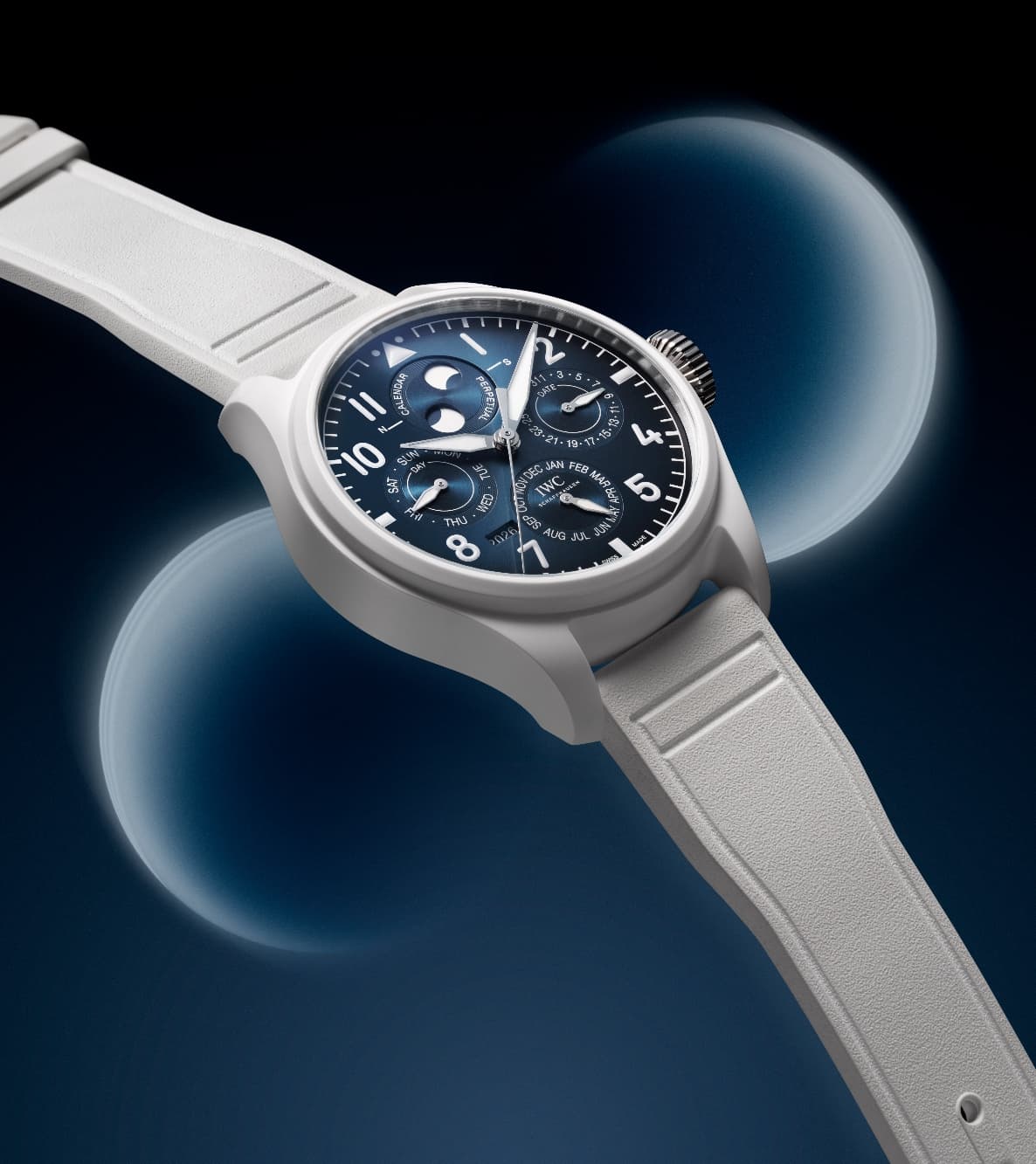
This development is more than a simple update; it is a fundamental reimagining of how calendar data is processed within a movement. IWC now offers three distinct tiers of perpetual calendars in its catalog: the standard synchronized system, the new ProSet bidirectional system, and the ultra-complex Eternal Calendar. This tiered approach demonstrates a commitment to horological education, allowing collectors to choose a level of mechanical complexity that suits their lifestyle.
Van Cleef & Arpels: Where Metiers d’Art Meets Engineering
While IWC focuses on technical utility, Van Cleef & Arpels continues to champion "Poetic Astronomy." The Parisian maison, often viewed primarily through the lens of high jewelry, has reinforced its status as a serious Swiss watchmaker with the debut of the Midnight Jour Nuit Phase de Lune.
This 42mm timepiece features a dual complication that pairs a 24-hour day/night indicator with a moonphase display. While these complications frequently coexist in luxury horology, Van Cleef & Arpels has elevated the execution through a dynamic dial animation. The entire dial rotates every 24 hours, but the moonphase remains independent in its accuracy.
A notable innovation in this model is the "on-demand" animation. A pusher located at the 8 o’clock position allows the wearer to send the day/night display into a spin without disrupting the timekeeping or the astronomical accuracy of the moonphase. This integration of mechanical playfulness with rigorous engineering addresses a growing demand among collectors for "interactive" complications—watches that offer a tactile and visual experience beyond simply telling the time.
Transparency and Precision: A. Lange & Söhne and H. Moser & Cie
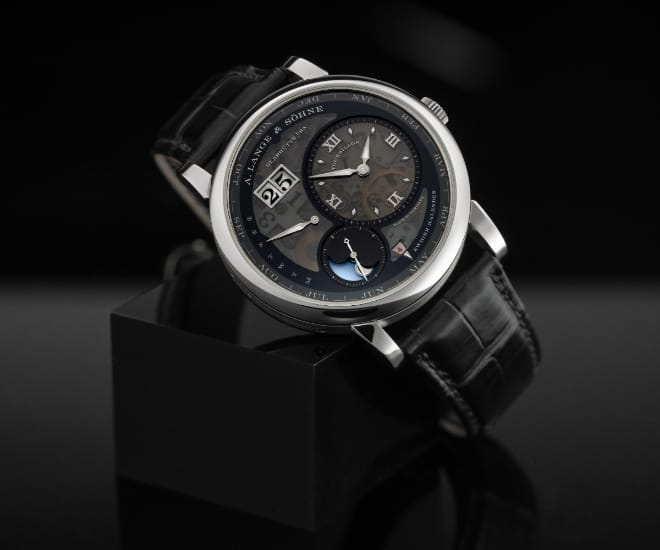
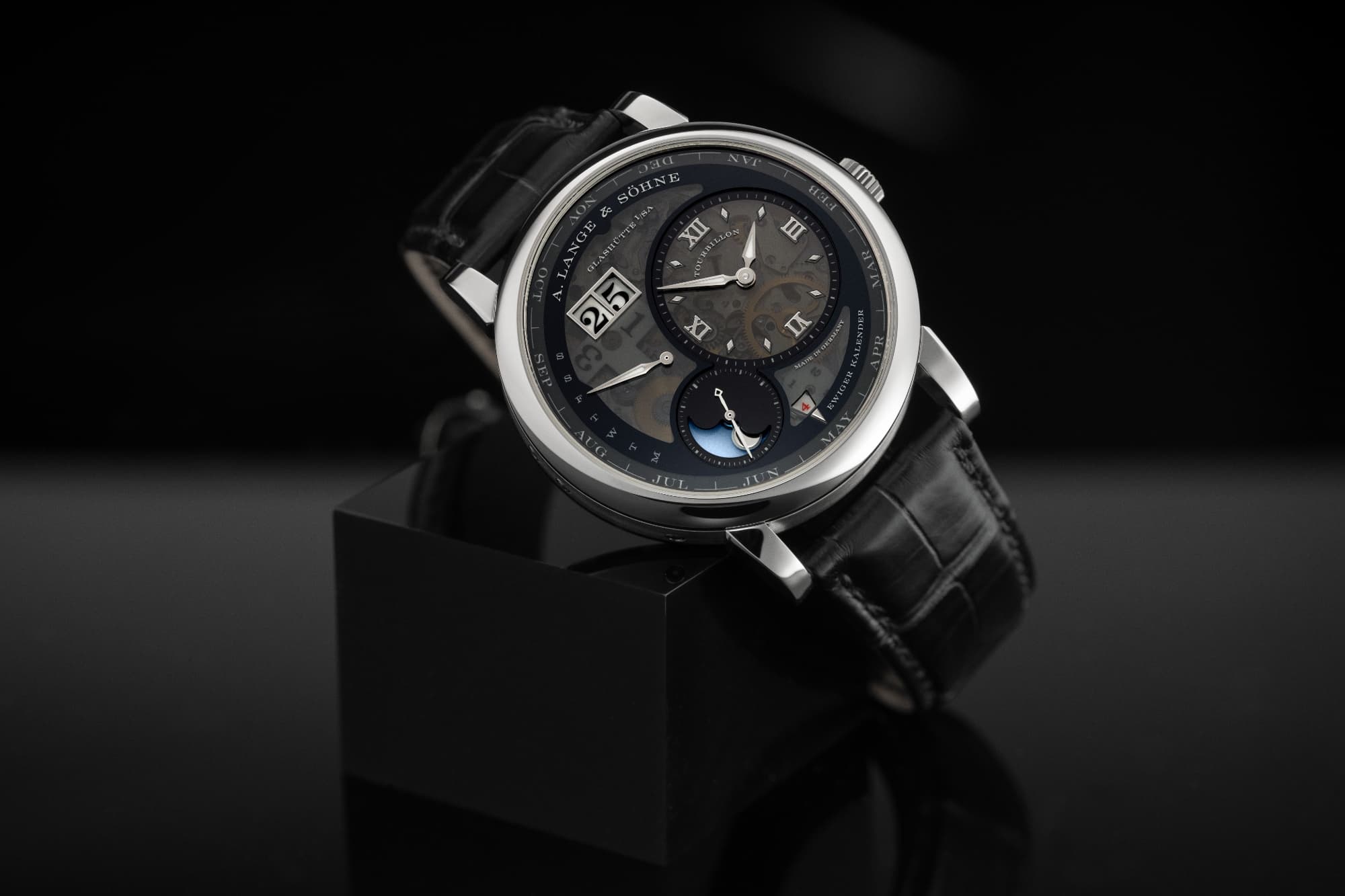
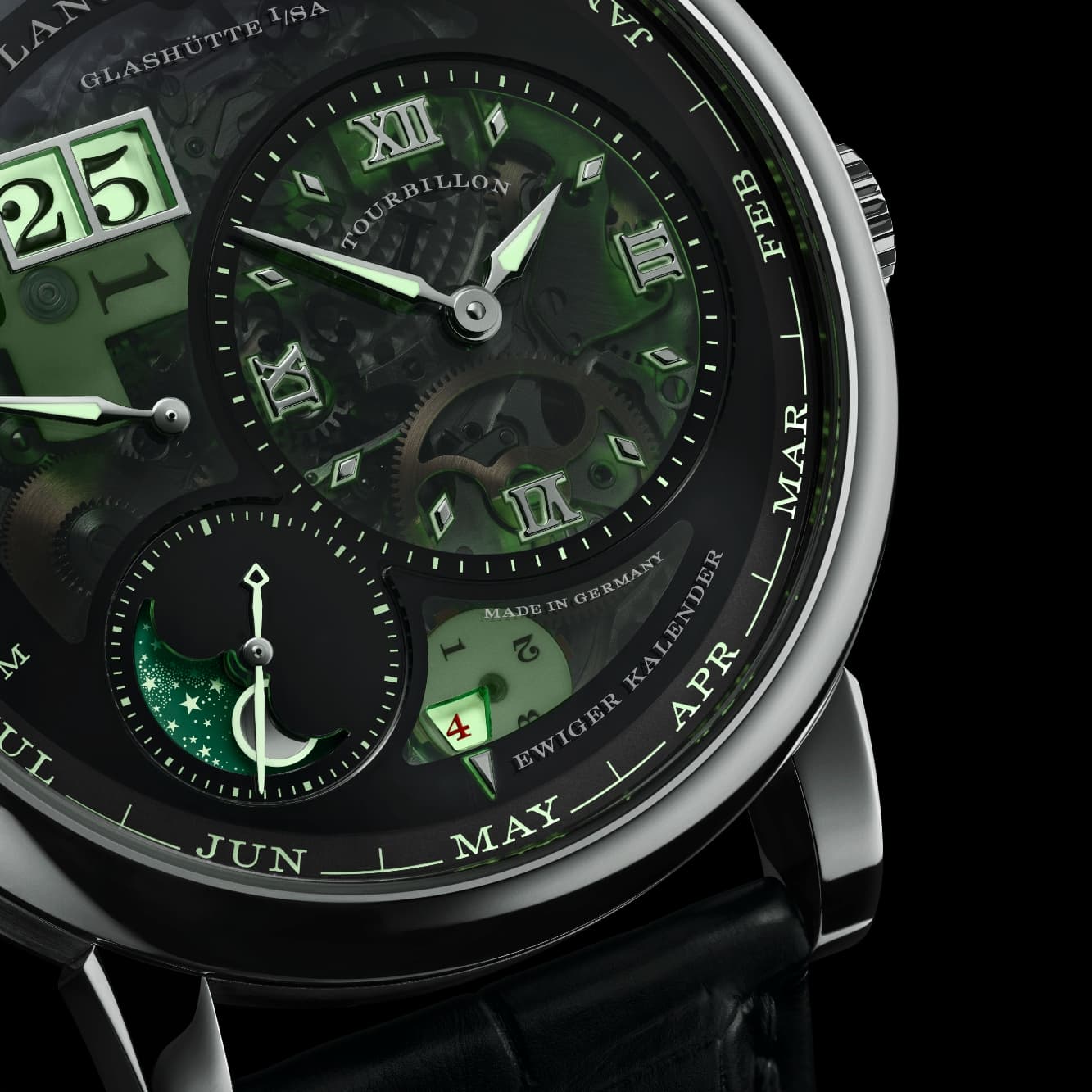
The trend of high complications is further bolstered by A. Lange & Söhne’s release of the Lange 1 Tourbillon Perpetual Calendar "Lumen." The "Lumen" series has long been a cult favorite for its use of semi-transparent sapphire dials that reveal the mechanical choreography beneath, treated with luminous pigments that glow in the dark. By applying this treatment to their premier tourbillon perpetual calendar, the Glashütte-based manufacture is emphasizing the architectural beauty of their movements, which are often hidden behind solid silver dials.
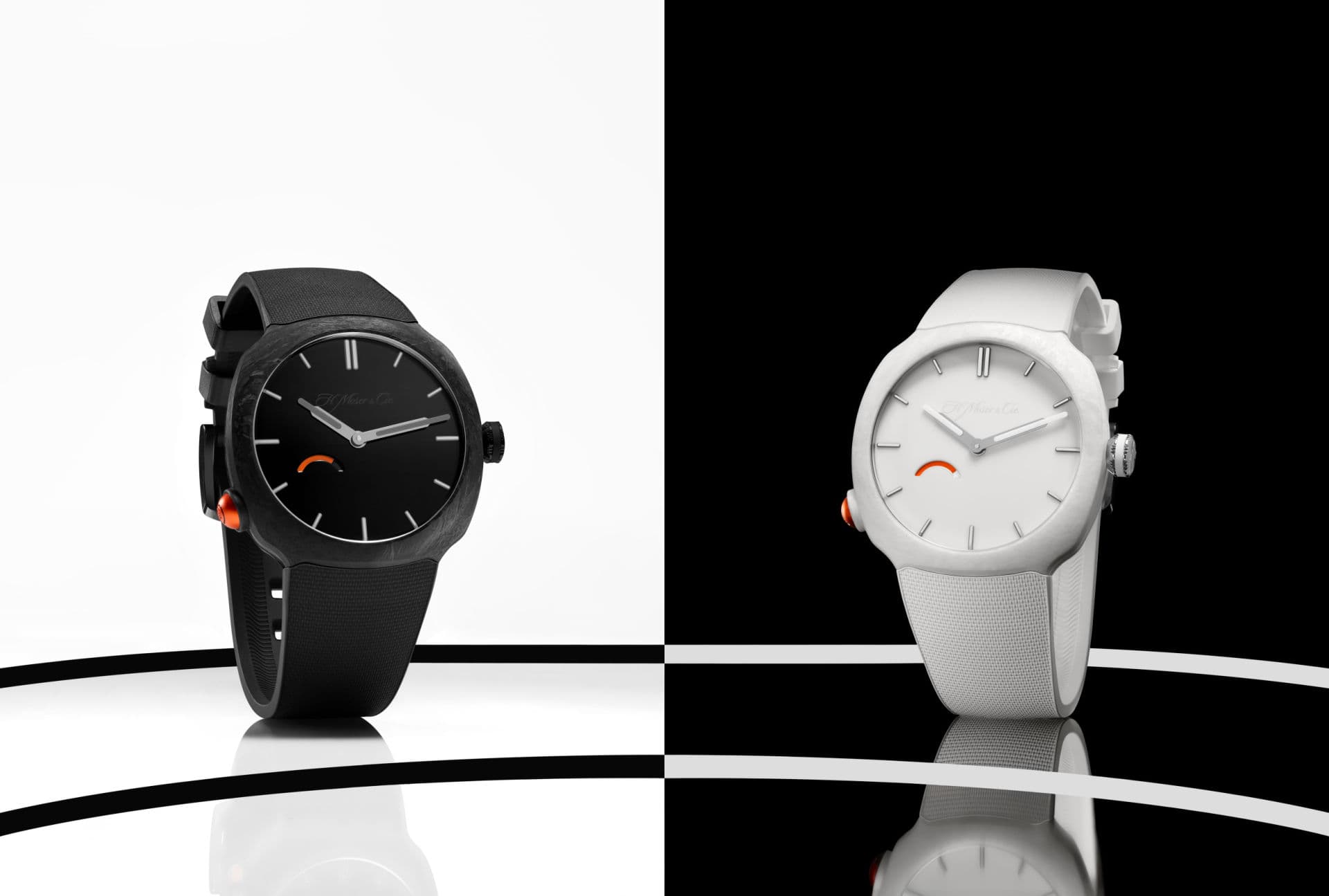
Similarly, H. Moser & Cie has made waves with the Streamliner PUMP. Moving away from the minimalist "fumé" dials that defined the brand for years, the PUMP (an acronym for their specific chronograph engagement) focuses on the tactile feedback of the complication. Initial reports from the fair highlight the refined resistance of the chronograph pushers, which avoid the "mushy" feel of cam-actuated timers in favor of a crisp, column-wheel engagement that is clearly visible through the case back.
Chronology of the Complication Shift (2020–2026)
To understand the significance of the 2026 fair, one must look at the timeline of the industry’s recent evolution:
- 2020–2022: The Sports Watch Hegemony. Driven by social media and a booming secondary market, the industry was laser-focused on steel sports watches. Integrated bracelets and 100-meter water resistance were the primary selling points.
- 2023–2024: The Material Pivot. As the sports watch market began to cool, brands experimented with titanium, ceramic, and proprietary gold alloys to maintain interest in existing silhouettes.
- 2025: The Re-emergence of Dress Watches. A shift toward smaller case sizes and precious metals signaled a return to formal elegance.
- 2026: The Year of the Complication. The current fair represents the culmination of this shift. Brands are no longer relying on "hype" shapes; they are competing on the merits of their calibers. The focus has moved from the exterior of the watch to the "beating heart" within.
Industry Reactions and Market Analysis
The pivot toward high complications is viewed by market analysts as a defensive move against a slowing luxury sector. While $10,000 dive watches face stiff competition from a flooded secondary market, $100,000+ perpetual calendars and tourbillons appeal to a tier of ultra-high-net-worth individuals who remain insulated from broader economic volatility.
"What we are seeing in Geneva this year is a flight to quality," says one senior horological consultant. "The ‘tourist’ collectors who were buying sports watches as assets have largely exited the market. The remaining collectors are enthusiasts who value the ‘how’ and ‘why’ of a watch. IWC’s ProSet and Van Cleef’s Jour Nuit are perfect examples of products designed for people who actually appreciate the mechanics of time."
Furthermore, the emphasis on user-friendly complications (like IWC’s bidirectional adjustment) suggests that brands are trying to lower the barrier to entry for high horology. Historically, grand complications were fragile and difficult to operate. By making them "idiot-proof," brands are expanding the potential user base for their most expensive products.
Broader Impact and Implications
The 2026 Watches and Wonders fair sets a new benchmark for the rest of the decade. The message from Geneva is clear: the "lifestyle" era of watchmaking is being superseded by a new era of "technical excellence."
For the consumer, this means a wider variety of innovative movements and a move away from the "Rolex-clone" designs that have dominated the entry-to-mid luxury segments. For the industry, it represents a return to its roots as a bastion of precision engineering.
As the fair continues, the focus remains on how these innovations will trickle down to more accessible collections. While the ProSet is currently a highlight of IWC’s high-end line, history suggests that such mechanical improvements eventually become the standard for the brand’s entire calendar range. The innovations seen this week in Geneva are not just fleeting novelties; they are the blueprints for the next generation of mechanical timekeeping.
In a world increasingly dominated by digital screens, the mechanical watch industry has doubled down on the one thing technology cannot replicate: the tactile, permanent, and ingenious nature of a high complication. Watches and Wonders 2026 has proven that while dive watches may be a staple, the soul of the industry remains firmly rooted in the pursuit of horological complexity.
