
 By Jia Lissa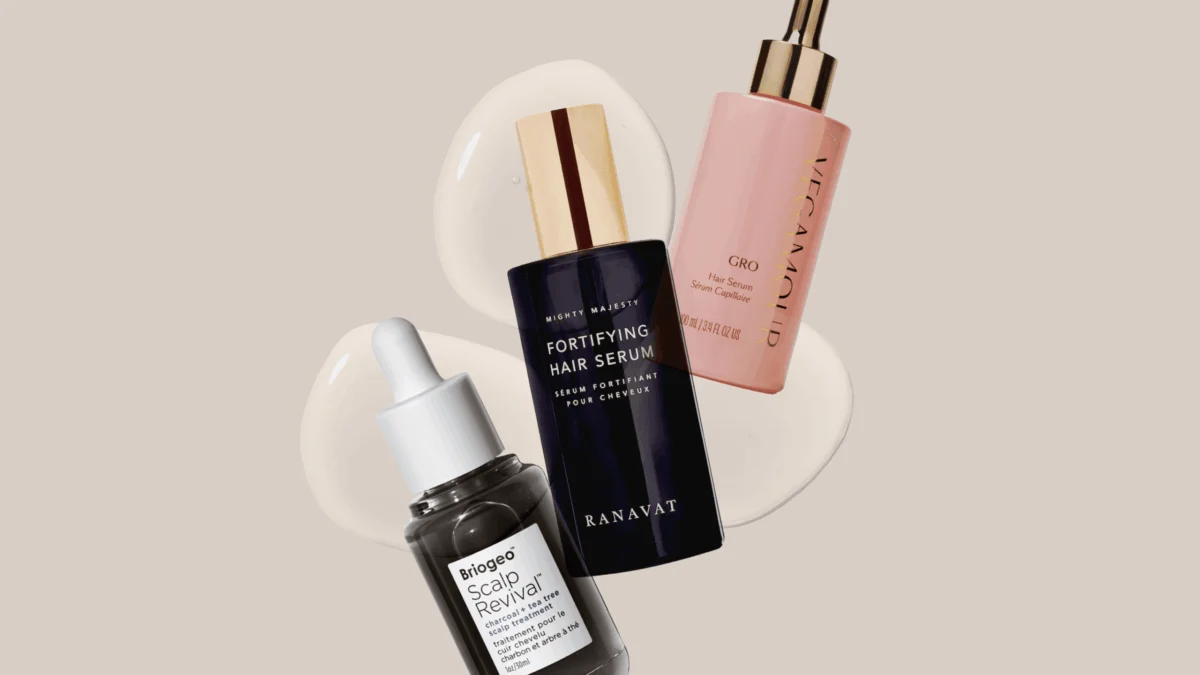
The quest for thicker, fuller hair is a deeply personal journey for many, and in recent years, hair growth serums have emerged as a prominent solution. Understanding what constitutes an effective serum, how they work, and the timeline for results is crucial for consumers navigating this burgeoning market. This comprehensive guide, drawing on insights from dermatological experts and extensive product testing, aims to demystify hair growth serums and empower individuals to make informed choices.
Defining the Ideal Hair Growth Serum
When seeking the "best" hair growth serum, expectations are naturally high. Dermatologists emphasize that an optimal formula should address multiple facets of hair health. Dr. Amin, a leading dermatologist, outlines the key characteristics: "A good hair-growth serum should reduce hair shedding, increase hair diameter, extend the growth phase of hair, decrease scalp inflammation, and be gentle on the scalp." This multi-pronged approach targets not only the visible symptoms of thinning but also the underlying scalp health that supports robust hair production.
The efficacy of a serum is largely dictated by its ingredient profile. Dr. Amin highlights several key components that have demonstrated significant benefits: "The ingredients I look for are rosemary oil, amla oil, caffeine, green tea, and coconut oil, to name a few. These ingredients have been shown to improve hair strength, promote growth, and undo damage." These natural compounds offer a range of actions, from stimulating blood circulation to providing essential nutrients and possessing antioxidant properties that protect hair follicles from environmental stressors.
Understanding the Science Behind Hair Loss and Serum Efficacy
Hair loss is a complex issue with various underlying causes, and understanding these mechanisms is vital for appreciating how serums can help. Dr. Lolis points to hormonal influences as a significant factor in common hair loss conditions: "Many common conditions behind hair loss—including androgenic alopecia and telogen effluvium—are triggered by the hormone dihydrotestosterone (DHT), which can bind to hair follicles and cause them to shrink." DHT is a byproduct of testosterone and is a primary culprit in genetic hair loss, leading to a gradual miniaturization of hair follicles.
The battle against DHT involves specific interventions. "With androgenic alopecia, we typically prescribe medications that block DHT, an enzyme that causes hair loss," explains Dr. Lolis. "However, there are many natural DHT blockers to look out for, such as saw palmetto and zinc." Saw palmetto, a palm plant extract, has been studied for its potential to inhibit the enzyme that converts testosterone to DHT. Zinc, an essential mineral, plays a crucial role in hair tissue growth and repair and can also help regulate hormone levels.
Beyond DHT blockers, other active ingredients in serums work through different pathways. "Look for active ingredients like biotin and caffeine, which improve hair strength and stimulate growth," advises Dr. Lolis. Biotin, a B vitamin, is widely recognized for its role in keratin production, a fundamental protein in hair. Caffeine, beyond its stimulant effects, has been shown in some studies to promote hair growth by increasing blood flow to the scalp and potentially prolonging the anagen (growth) phase of the hair cycle.
The Question of Efficacy: Do Hair Growth Serums Truly Work?
The effectiveness of hair growth serums is a subject of ongoing discussion and research. Dr. Amin acknowledges the inherent challenges in definitively proving efficacy due to the nature of product development: "Many hair-growth serums include non-medicated ingredients. The efficacy of the serums is difficult to ascertain because there are not many randomized controlled clinical trials." This means that while many serums contain beneficial ingredients, robust, large-scale clinical studies specifically validating their performance as standalone treatments are often limited for over-the-counter products.
Despite the scarcity of extensive clinical trials for every product on the market, anecdotal evidence and expert observations suggest that these serums can indeed yield positive results when used appropriately. Dr. Lolis shares her clinical experience: "Anecdotally, I have seen evidence that the serums work—especially when they’re used as intended. Ingredients like biotin and caffeine support the scalp’s environment, helping nourish hair follicles, which can result in denser, stronger hair [over time]." The key takeaway here is the importance of consistent and correct application. Following the product’s instructions is paramount, as adherence to the recommended usage can significantly impact the outcomes.
The Timeline for Visible Results: Patience is a Virtue
For individuals investing in hair growth serums, understanding the expected timeframe for seeing results is crucial for managing expectations and maintaining consistency. Hair growth is a biological process that operates on a cycle, and serums are designed to influence this cycle rather than provide instant transformations.
"Most users report seeing visible improvements, such as reduced shedding and new hair growth, after about three months of consistent use," states Dr. Lolis. This three-month benchmark is a common observation among users and clinicians alike. During this initial period, the active ingredients are working to nourish the scalp, strengthen existing hair, and potentially stimulate dormant follicles.
Dr. Mian concurs, emphasizing the necessity of patience: "Hair-growth serums can take a while to show their efficacy. I would use a serum for at least three months before deciding if it’s working or not." This extended period allows the hair follicles to respond to the treatment and for new, healthier hair to emerge and grow to a visible length. It’s important to remember that hair growth typically occurs at a rate of about half an inch per month, so significant changes often require this sustained effort.
The Role of Essential Oils in Hair Growth
Essential oils have gained considerable traction in the realm of natural hair care, with many proponents touting their benefits for hair growth. Omer Ibrahim, MD, a board-certified dermatologist in Chicago, offers a nuanced perspective: "Essential oils might help with hair growth, but they can be hit or miss." While scientific understanding of their precise mechanisms is still evolving, several theories attempt to explain their potential impact.
One prevailing theory suggests that essential oils enhance hair growth by improving scalp circulation. "One theory is that these essential oils help increase blood flow to the scalp, and that promotes hair growth," Dr. Ibrahim explains. Increased blood flow delivers more oxygen and nutrients to the hair follicles, which are vital for their health and the production of new hair.
Another hypothesis centers on the essential oils’ ability to improve overall scalp health. "Another is that by simply improving the health of the scalp by providing essential fatty acids to the hair follicles, essential oils help hair grow out healthier to give the appearance of thicker hair and also create a fertile ground for hair growth," Dr. Ibrahim posits. Healthy hair follicles are the foundation of healthy hair, and essential oils may contribute to this by providing nourishment and creating an optimal environment. Furthermore, some essential oils possess anti-inflammatory properties, which can soothe the scalp and support its natural microbiome, indirectly benefiting hair growth.
However, the effectiveness and safety of essential oils can vary significantly. It is crucial to use them diluted with a carrier oil, as potent essential oils can cause irritation or allergic reactions. Research into specific essential oils, such as rosemary oil, peppermint oil, and lavender oil, has shown promising results in preliminary studies, but more extensive research is needed to confirm these findings and establish standardized protocols for their use in hair growth treatments.
Rigorous Testing and Review Methodology
Ensuring that product recommendations are based on sound evaluation is a cornerstone of credible journalism. For hair-care products, particularly those targeting specific concerns like hair growth, a comprehensive testing methodology is essential. Allure, a prominent beauty publication, employs a detailed approach to review products, recognizing that hair care is highly individualized.
"We always enlist a range of testers for our makeup vertical, but hair-care products and tools are another story," the publication states. This acknowledges that hair types, textures, and concerns vary dramatically. A product designed for fine, straight hair might not perform similarly on thick, curly hair. Therefore, testing needs to reflect this diversity.
The review process for hair growth serums, for example, involves a multifaceted evaluation across several key categories. Testers, comprising editors, writers, contributors, and dermatologists, assess products based on:
- Efficacy: This is the primary metric, evaluating whether the serum actually delivers on its promises of reduced shedding, increased thickness, and improved hair quality.
- Texture and Experience: This category considers how the serum feels on the scalp and hair. Is it greasy, sticky, lightweight, or easily absorbed? The sensory experience significantly impacts user adherence.
- Fragrance: The scent of a product can be a major factor in user satisfaction. A pleasant, subtle fragrance is generally preferred.
- Packaging: The design and functionality of the packaging are also considered. Is it easy to dispense the product accurately? Is the packaging hygienic and aesthetically pleasing?
This rigorous approach ensures that recommendations are not based on superficial impressions but on tangible performance and user experience across a diverse range of hair types and concerns.
The Importance of a Diverse Testing Panel
The credibility of any product review hinges on the diversity of the individuals testing it. In the beauty industry, where personal preferences and biological factors play a significant role, a homogenous testing group can lead to skewed results. Allure emphasizes the critical importance of a broad spectrum of testers:
"A beauty product is a personal purchase… No matter what you seek or your individual needs and concerns, Allure wants to ensure that you love anything we recommend in our stories. We believe that having a diverse team of writers and editors—in addition to the wide range of outside testers and industry experts we regularly call upon—is essential to reaching that goal."
This commitment to diversity means that their staff and testers span a wide range of ages, skin tones, hair textures, genders, and backgrounds. This inclusivity is vital for several reasons. For instance, a product marketed for mature skin needs to be tested by individuals who have experienced the effects of aging on their skin. Similarly, a hair product designed for specific curl patterns must be evaluated by individuals with those very curl patterns. Without this representation, recommendations risk being irrelevant or even ineffective for a significant portion of the intended audience. By embracing a diverse testing pool, publications like Allure aim to provide fair and comprehensive assessments that resonate with a broad consumer base, ensuring that their endorsements are trustworthy and applicable to a wide array of users.
The journey to achieving healthier, more abundant hair is often a nuanced one, involving a combination of effective products, consistent application, and a clear understanding of the underlying biological processes. Hair growth serums, when formulated with scientifically supported ingredients and used diligently, represent a valuable tool in this pursuit, offering hope and tangible results for those seeking to enhance their hair’s vitality and fullness.
