
 By Layla Zulfa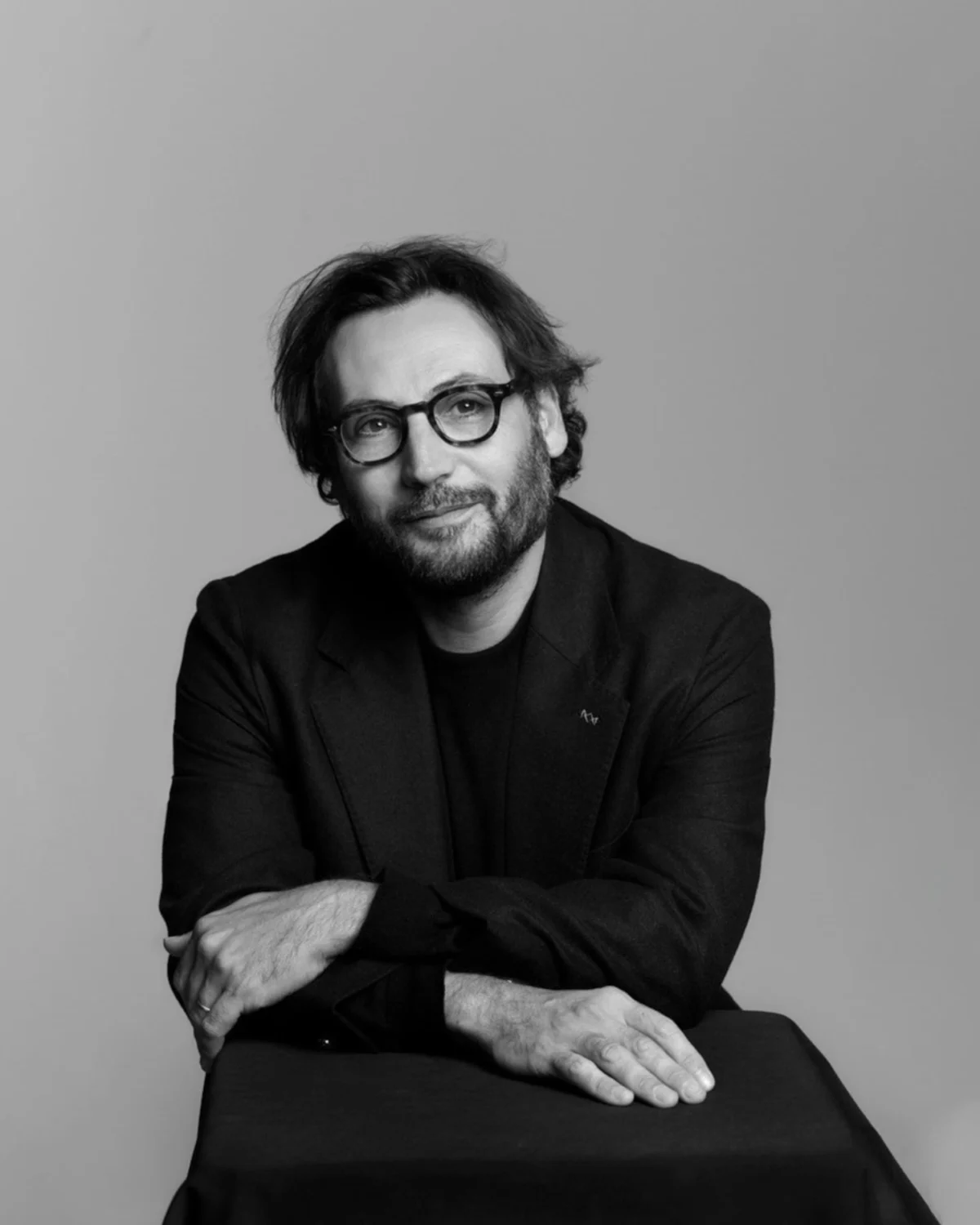
LVMH Moët Hennessy Louis Vuitton, the world’s leading luxury group, has officially announced the appointment of Yann Musquin as the new General Manager of its prestigious fragrance brands division, effective August 3. This pivotal leadership transition sees Musquin, a seasoned executive within the LVMH ecosystem, stepping into a role previously held for a decade by Romain Spitzer. The move underscores LVMH’s strategic commitment to maintaining its dominant position in the global luxury fragrance market, an industry segment characterized by rapid innovation, evolving consumer preferences, and significant growth potential.
Musquin’s ascent to this crucial leadership position follows a distinguished 18-year career within the LVMH group, most recently serving as the Chief Brand Officer at Givenchy Parfums and Beauty. His deep institutional knowledge, coupled with extensive experience in brand strategy, product development, and international market expansion, positions him to steer LVMH’s diverse fragrance portfolio through its next phase of growth and innovation. The luxury conglomerate’s fragrance division encompasses an unparalleled array of iconic brands, including Dior Parfums, Guerlain, Givenchy Parfums, Kenzo Parfums, Loewe Perfumes, Maison Francis Kurkdjian, and Fresh, among others, each contributing significantly to the group’s robust financial performance and global influence.
A Decade of Leadership: Romain Spitzer’s Legacy
Romain Spitzer’s departure from the General Manager role marks the end of a transformative decade for LVMH’s fragrance division. Appointed to the position in 2013, Spitzer played a crucial role in navigating the segment through periods of significant industry change, including the rise of e-commerce, the increasing demand for niche and artisanal fragrances, and a growing consumer focus on sustainability and ethical sourcing. Under his stewardship, the division saw substantial growth, strengthening the market presence of its heritage brands while also fostering innovation and adapting to a rapidly evolving retail landscape.
During Spitzer’s tenure, LVMH’s fragrance portfolio achieved notable milestones. He oversaw the successful global expansion of key franchises, ensuring that iconic scents maintained their allure while new launches resonated with contemporary audiences. His strategic vision contributed to the consistent financial outperformance of the Parfums & Cosmétiques division, which reported organic revenue growth of 7% in 2019, accelerating to 17% in 2021 and a remarkable 10% in 2022, even amidst global economic uncertainties. This growth was largely propelled by the enduring success of flagship lines like Dior’s Sauvage and J’adore, alongside the revitalization and expansion of brands such as Givenchy and Guerlain. Spitzer was instrumental in integrating digital strategies across the brands, enhancing online retail presence, and leveraging social media to connect with a new generation of luxury consumers, thereby future-proofing the division’s market leadership. His leadership was characterized by a meticulous balance between preserving the heritage and craftsmanship of LVMH’s esteemed fragrance houses and embracing modern marketing techniques and product innovation.
Yann Musquin: A Proven Leader from Within
Yann Musquin’s extensive tenure within LVMH has equipped him with an intimate understanding of the luxury group’s operational philosophy, brand values, and strategic ambitions. His journey within LVMH began nearly two decades ago, where he cultivated expertise across various functional areas and brand categories. Prior to his role as Chief Brand Officer at Givenchy Parfums and Beauty, Musquin held several high-profile positions, each contributing to his comprehensive grasp of the beauty and fragrance landscape.
His early career within LVMH likely involved roles in marketing and product management for various brands, where he honed his skills in consumer insights, market analysis, and strategic brand positioning. These foundational experiences would have provided him with a robust understanding of the intricacies of luxury brand building and the competitive dynamics of the global beauty market. His progression through the ranks would have seen him take on increasing responsibilities, possibly involving international market development or spearheading specific brand rejuvenation projects.
At Givenchy Parfums and Beauty, Musquin was at the forefront of defining and executing the brand’s global strategy. This role typically encompasses overseeing product innovation, marketing campaigns, brand identity, and ensuring consistent brand messaging across all global touchpoints. His success in this capacity, particularly in a highly competitive segment like Givenchy’s, demonstrates his capability to drive growth, foster creativity, and manage complex brand portfolios. Under his guidance, Givenchy Parfums likely saw a renewed focus on unique olfactory creations and compelling brand narratives, contributing to its sustained relevance and appeal to luxury consumers worldwide. His experience at Givenchy, a brand with a strong heritage yet constant need for contemporary relevance, provides an ideal training ground for leading LVMH’s entire fragrance division, which balances tradition with innovation across its diverse portfolio.
The Global Luxury Fragrance Market: A Strategic Battleground
The global luxury fragrance market is a highly dynamic and lucrative sector, estimated to be worth over $40 billion annually and projected to grow at a compound annual growth rate (CAGR) of 5-7% over the next five years. This growth is driven by several factors, including rising disposable incomes in emerging markets, a burgeoning demand for premium and niche fragrances, and the increasing influence of celebrity endorsements and social media marketing. Consumers are increasingly seeking unique, sophisticated, and sustainable scent experiences, moving beyond mass-market offerings towards exclusive and personalized options.
For LVMH, fragrances represent a crucial entry point into the luxury universe. Unlike high-ticket fashion items or fine jewelry, a luxury perfume offers an accessible touchpoint for aspirational consumers to engage with a prestigious brand. This makes the fragrance division a vital component of LVMH’s broader strategy, not only for its direct revenue generation but also for its role in brand building and customer acquisition across the entire luxury ecosystem. The division consistently contributes a significant portion to LVMH’s overall revenue, often demonstrating resilience even during economic downturns, as consumers continue to prioritize self-care and affordable indulgences.
Key trends shaping the market include the rise of gender-neutral fragrances, a strong emphasis on natural and ethically sourced ingredients, refillable packaging, and the integration of digital technologies such as AI-powered scent recommendations and augmented reality try-ons. The proliferation of niche brands and independent perfumers also presents both a challenge and an opportunity, pushing established luxury houses to innovate and differentiate their offerings further. LVMH, with its vast resources and diverse brand stable, is uniquely positioned to capitalize on these trends, leveraging its heritage, innovation capabilities, and extensive global distribution network.
Inferred Statements and Industry Reception
While LVMH has not released formal statements beyond the announcement, industry observers and market analysts anticipate a positive reception to Musquin’s appointment. Senior executives within LVMH would likely emphasize the seamless transition and express confidence in Musquin’s leadership.
Stéphane Rinderknech, Chairman and CEO of LVMH Moët Hennessy Louis Vuitton Beauty, would likely issue a statement, potentially noting: "We are delighted to appoint Yann Musquin as the new General Manager for our fragrance brands. Yann’s extensive experience, profound understanding of luxury branding, and proven track record within the LVMH family make him the ideal leader to guide our esteemed fragrance houses into their next chapter. His vision for innovation, combined with a deep respect for our brands’ heritage, aligns perfectly with LVMH’s long-term strategic goals. We also extend our deepest gratitude to Romain Spitzer for his decade of exceptional leadership and significant contributions, which have firmly established our fragrance division as a global benchmark."
Industry analysts might comment on the appointment as a strategic move to infuse fresh perspective while maintaining internal consistency. "Musquin’s internal promotion signifies LVMH’s commitment to nurturing talent within its own ranks," commented a luxury market analyst from a prominent financial institution. "His experience at Givenchy, particularly in brand revitalization and market penetration, will be invaluable as LVMH navigates the evolving demands of the global fragrance consumer. This ensures continuity in strategic direction while bringing a dynamic approach to product innovation and digital engagement."
Strategic Implications and Future Directions Under Musquin
Yann Musquin’s leadership is expected to usher in a period of focused strategic execution, building upon the strong foundation laid by his predecessor. While maintaining the core values and distinctive identities of each brand, several key areas are likely to receive heightened attention:
-
Enhanced Digital Transformation: Musquin will likely accelerate the digital presence and e-commerce capabilities of LVMH’s fragrance brands. This includes optimizing direct-to-consumer channels, leveraging data analytics for personalized marketing, and exploring immersive digital experiences like virtual fragrance consultations and augmented reality try-ons to engage younger, digitally native consumers. The goal will be to seamlessly integrate online and offline experiences, creating a truly omni-channel luxury journey.
-
Sustainability and Ethical Sourcing: With growing consumer awareness and regulatory pressures, sustainability will undoubtedly be a top priority. This involves further investment in eco-friendly packaging solutions (e.g., refillable bottles, recycled materials), promoting transparent sourcing of ingredients, and reducing the environmental footprint across the entire supply chain. Musquin will likely champion initiatives that align LVMH’s fragrance brands with the broader luxury industry’s move towards responsible consumption.
-
Innovation in Product Development: Expect a continued emphasis on groundbreaking scent creation and ingredient technology. This could involve exploring novel olfactory structures, developing advanced extraction methods for natural ingredients, and incorporating scientific research to enhance fragrance longevity and skin compatibility. The division may also delve deeper into personalized fragrance experiences, utilizing AI and consumer data to offer bespoke scent formulations.
-
Niche and Artisanal Expansion: While LVMH boasts powerful mainstream luxury fragrances, the appeal of niche and artisanal perfumes continues to grow. Musquin may focus on nurturing and expanding LVMH’s existing niche brands like Maison Francis Kurkdjian or potentially exploring new acquisitions or internal incubators for emerging scent concepts that cater to discerning connoisseurs seeking exclusivity and unique narratives.
-
Global Market Penetration: While LVMH has a robust global footprint, opportunities remain in key emerging markets, particularly in Asia-Pacific and the Middle East. Musquin will likely oversee strategies to tailor product offerings and marketing campaigns to cultural nuances and consumer preferences in these high-growth regions, strengthening local distribution networks and enhancing brand visibility.
-
Synergies Across LVMH Group: Leveraging the vast resources and expertise within the broader LVMH ecosystem will be critical. This includes potential collaborations with LVMH’s fashion houses for limited-edition fragrance launches, cross-promotional activities with other beauty and cosmetics brands, and tapping into the group’s advanced research and development capabilities. Such synergies can create unique brand narratives and amplify market impact.
Musquin’s leadership comes at a fascinating juncture for the luxury fragrance industry. Post-pandemic, the beauty sector has shown remarkable resilience, with fragrance often leading the recovery as consumers indulge in accessible luxuries. However, the landscape is also more competitive and complex than ever, with new players, shifting consumer values, and technological advancements constantly reshaping market dynamics. His deep institutional knowledge and strategic acumen will be vital in ensuring LVMH’s continued innovation, market leadership, and sustained growth in this vibrant sector. The coming years under Musquin’s guidance will undoubtedly be watched closely by competitors, industry analysts, and luxury consumers alike, as he charts the future course for LVMH’s iconic world of scents.
