
 By Nila Kartika Wati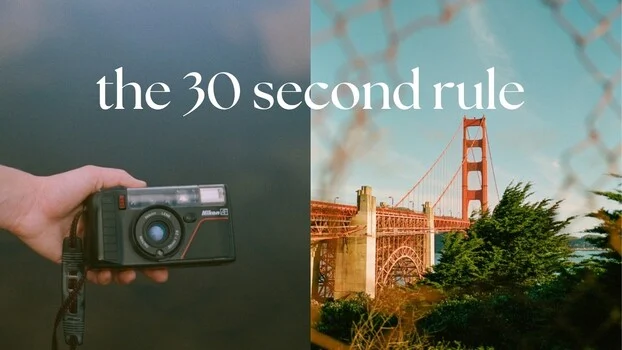
The distinction between a casual snapshot and a photograph that captures enduring attention frequently hinges on the consistent application of four fundamental habits, none of which necessitate advanced or expensive equipment. Instead, a deliberate focus on light, timing, composition, and editing serves as the quiet differentiator, elevating images from merely recorded moments to compelling visual narratives. This structured methodology, articulated by visual educator Max Kent, offers a practical blueprint for photographers seeking to deepen their craft and produce work that resonates on a profound level.
Kent’s framework begins with light, positing it as the foundational element upon which all other photographic endeavors are built. He emphasizes that while the soft, diffused light of an overcast day often presents an easier path to pleasing results, true mastery and significant skill advancement emerge from the challenge of effectively managing harsh light conditions. Beyond its aesthetic qualities, light is intrinsically linked to an image’s perceived depth and three-dimensionality. The direction from which light strikes a subject, combined with the photographer’s relative position, profoundly influences how form and volume are rendered. This understanding of light’s directional impact is further augmented by the deliberate layering of a clear foreground, midground, and background, a technique that independently contributes to the creation of visual depth and invites the viewer’s eye into the scene.
Mastering the Language of Light
Light, in its myriad forms, is the indispensable raw material of photography. Its quality, direction, and intensity dictate mood, reveal texture, and sculpt form. Kent’s emphasis on light as the "foundation" aligns with centuries of artistic tradition, from the chiaroscuro techniques of Renaissance painters to the precise lighting control of modern cinematographers. Understanding light moves beyond merely observing its presence; it involves actively analyzing its characteristics and predicting its effects.
Soft light, often characterized by large, diffused sources like an overcast sky, open shade, or light bounced off a broad surface, creates gentle transitions between highlights and shadows, minimizing contrast and producing a flattering, often serene aesthetic. It is forgiving and widely sought after for portraits and still life, making it a "safer win" for many photographers. However, Kent challenges practitioners to confront harsh light – direct, undiffused light typically found under a clear midday sun or from a small, intense artificial source. While presenting challenges such as deep, unforgiving shadows and blown-out highlights, harsh light, when skillfully managed, can create dramatic contrasts, accentuate texture, and imbue an image with a powerful, graphic quality. Techniques such as backlighting to create striking silhouettes, side-lighting to reveal intricate textures, or using natural reflectors to fill in harsh shadows become critical skills in this pursuit.
The directional aspect of light is paramount in conveying depth. Frontal lighting, where the light source is directly behind the camera, tends to flatten a subject by minimizing shadows. Conversely, side-lighting creates strong shadows and highlights that emphasize contours and textures, giving objects a more three-dimensional appearance. Backlighting, where the light source is behind the subject, can create a luminous rim around the subject, separating it from the background and adding a sense of depth and ethereal quality. Furthermore, the interplay between light and shadow can guide the viewer’s eye through a scene, establishing a visual hierarchy and drawing attention to key elements. This meticulous attention to how light shapes form and space is a hallmark of truly compelling photography, moving beyond simple documentation to artistic interpretation.
The 30-Second Rule: Cultivating Anticipation
The second habit Kent introduces, termed the "30-second rule," represents a significant paradigm shift in how photographers, particularly those engaged in street photography or event capture, approach their subjects. Instead of merely reacting to events as they unfold, this principle advocates for proactive anticipation, a skill honed through keen observation and predictive insight. Kent illustrates this by describing scenarios such as tuning into ambient sounds, observing a man fumbling in the back of a van, or hearing the distinct engine note of a dirt bike. In each instance, the photographer is encouraged to process these cues and anticipate an impending action—a potentially interesting interaction, a sudden movement, or a daring stunt like a wheelie.
This approach mandates positioning oneself strategically before the critical moment materializes, rather than scrambling to capture it in its aftermath. While Kent acknowledges the legitimate place for reactive shooting, especially in fast-paced or unpredictable environments, he strongly argues that this proactive anticipation consistently yields unique frames that often elude those who merely react. It transforms the act of photography from a passive response to an active engagement with the environment. This skill is inherently cumulative; the more a photographer practices "reading a scene"—deciphering subtle cues and predicting potential outcomes—the more acutely their instincts sharpen, leading to a higher probability of capturing truly exceptional and often unseen moments.
This "30-second rule" echoes the philosophy of legendary photographers like Henri Cartier-Bresson, whose concept of the "decisive moment" emphasized the intuitive recognition and instantaneous capture of a fleeting, significant instant. However, Kent’s rule adds a layer of premeditation, suggesting that many "decisive moments" are not entirely spontaneous but can be subtly nudged into existence or at least predicted through careful observation. It requires patience, presence, and a deep understanding of human behavior and environmental dynamics. This deliberate slowing down, this conscious act of waiting and observing, stands in stark contrast to the often frenetic, high-volume shooting styles encouraged by modern digital cameras and smartphone photography, which prioritize quantity over thoughtful capture. It shifts the focus from merely documenting what is to envisioning what will be, empowering the photographer to orchestrate the elements of a scene rather than simply respond to them.
The "Extra Element": Infusing Narrative into Composition
Kent’s third technique, the "extra element," delves into the nuanced art of composition, suggesting that an image’s power is often amplified by the strategic inclusion of an additional, often subtle, component. He cites examples such as an otherwise ordinary building transformed by the momentary passage of a cyclist through the frame, or a house in San Francisco gaining significant visual interest when the photographer patiently waited for a car to enter the shot. These examples underscore the idea that the "extra element" acts as a catalyst, elevating a mundane scene into something dynamic, narrative-driven, or visually captivating.
Crucially, this "extra element" is not limited to animate objects or people. It can manifest as a specific quality of light—the way sunlight slices through a window at a particular angle, casting dramatic shadows—or a technical effect, such as the ethereal blur achieved through a slow shutter speed, which conveys movement and energy. It might also be a strong and intentional use of depth, creating layers within the image that draw the viewer deeper into the scene. This concept extends even to portraiture, where Kent observes that a technically perfect photograph of an individual can still feel devoid of true character until the photographer engages with the subject, fostering conversation that allows genuine emotions and personality to surface. This transformative shift turns a mere likeness into a compelling story about a person, revealing their inner world rather than just their outward appearance.
The "extra element" acts as a bridge between mere compositional adherence (like the rule of thirds or leading lines) and true visual storytelling. It suggests that while fundamental compositional principles provide structure, it is the thoughtful addition or emphasis of a unique detail that imbues an image with life and meaning. This could be a juxtaposition of disparate elements, a splash of unexpected color, a fleeting expression, or an unusual perspective. In essence, it’s about finding the singular detail that completes the narrative, adds an intriguing layer, or creates a moment of surprise or delight for the viewer. It challenges the photographer to look beyond the obvious and actively seek out these serendipitous or deliberately placed additions that enrich the visual experience and transform a good photo into a great one.
Refining the Vision: Purposeful Editing
Kent’s final habit addresses the critical, yet often misunderstood, phase of editing. His stance is measured and pragmatic: editing is not a magic wand to salvage inherently weak photographs. He unequivocally states that if an image lacks fundamental quality at the point of capture, no amount of post-processing can truly redeem it. This perspective reinforces the primacy of the preceding habits—light, timing, and composition—in creating a strong foundation.
However, Kent insists on the non-negotiable importance of mastering editing basics. This includes fundamental adjustments such as correcting highlights and shadows to recover detail and enhance dynamic range, understanding and applying basic color grading to establish mood and consistency, and meticulously working on skin tones in portraits to ensure a natural and flattering appearance. Neglecting these essential steps, he argues, is akin to leaving significant potential on the table, regardless of whether one shoots film or digital. When executed thoughtfully and skillfully, editing serves as the crucial final step in bringing the captured image closer to the photographer’s initial creative vision—what they "actually saw in their head." This perspective offers a valuable reframe for a step that many photographers either excessively overdo, leading to artificial-looking results, or entirely ignore, thereby failing to realize an image’s full potential.
Editing, often referred to as the "digital darkroom," is where the photographer completes their artistic statement. It’s an iterative process of refinement, not reconstruction. The goal is to enhance, not fabricate. This involves not only technical corrections but also creative choices that amplify the emotional impact and narrative clarity of the image. For instance, subtle adjustments to contrast can add punch, while careful color grading can evoke a specific mood—warmth, coolness, nostalgia, or drama. In portraiture, meticulous work on skin tones and localized adjustments (like dodging and burning) can draw attention to the subject’s eyes or soften harsh lines without resorting to heavy retouching that alters reality. For documentary or photojournalistic work, the ethical boundaries of editing are stricter, prioritizing factual representation. For artistic or fine art photography, the freedom to interpret and transform is greater. Regardless of the genre, Kent’s message is clear: purposeful editing is an integral part of the photographic process, allowing the photographer to articulate their vision with precision and finesse, bridging the gap between raw capture and final artistic expression.
The Overarching Principle: Attention Over Speed
Underpinning all of Max Kent’s recommended habits is a broader, more profound principle: the deliberate exchange of speed for sustained attention. Each technique—the meticulous consideration of light, the proactive anticipation of moments, and the thoughtful integration of compositional "extra elements"—demands a conscious slowing down and a heightened state of presence. This approach fundamentally contrasts with the prevalent modes of contemporary photography, particularly the rapid-fire, burst-mode shooting often associated with smartphones and high-performance digital cameras, which, while offering convenience, can inadvertently discourage deep engagement with the scene.
This philosophy resonates deeply within the broader photographic community and has been articulated by numerous luminaries over the years. Joel Meyerowitz, a renowned street photographer, frequently speaks about the virtue of patience and observation, emphasizing the importance of being fully immersed in one’s surroundings. Similarly, the resurgence of film photography, particularly among younger generations, is often driven by a desire for a more deliberate, less instantaneous process. Film, with its finite frames and the delayed gratification of development, inherently encourages photographers to be more thoughtful and intentional with each shutter press.
Treating photography as an act of profound observation, rather than a mere reflex to "grab" a moment, represents a significant mindset shift. It transforms the practice from a technical exercise into a contemplative art form. This shift is universally accessible; it requires no specific camera or gear, making it a philosophy any photographer, regardless of their equipment, can adopt immediately. Kent’s four rules serve as practical, actionable entry points into this expansive and enriching way of seeing—a way that prioritizes depth of engagement over superficial speed, ultimately leading to photographs that possess greater resonance and lasting impact.
Implications for Photographic Development and the Art Form
The implications of Kent’s blueprint extend far beyond individual skill improvement. In an era saturated with images, where billions of photographs are captured daily, the ability to create work that genuinely stands out is increasingly valuable. By focusing on fundamental principles rather than gear, Kent empowers photographers to invest in their craft, fostering a deeper understanding of visual communication. This approach combats "gear acquisition syndrome," a common pitfall where aspiring photographers mistakenly believe that new equipment is the key to better results. Instead, Kent redirects attention to the timeless elements that have defined compelling imagery across centuries.
Moreover, the emphasis on slowing down and cultivating attention challenges the pervasive culture of instant gratification. It encourages a mindful approach to creation, which has broader benefits for cognitive function and well-being. For the photographic community, this framework reinforces the artistic integrity of photography, positioning it not just as a tool for documentation, but as a medium for profound expression and storytelling. It suggests that truly impactful photography is not merely about seeing, but about perceiving—understanding the nuances of light, anticipating the unfolding narrative, and meticulously refining the final image to convey a precise vision. In doing so, Max Kent’s insights contribute to a richer, more thoughtful engagement with the photographic art form, fostering a generation of creators who produce images that truly pull viewers in and hold their gaze.
