
 By admin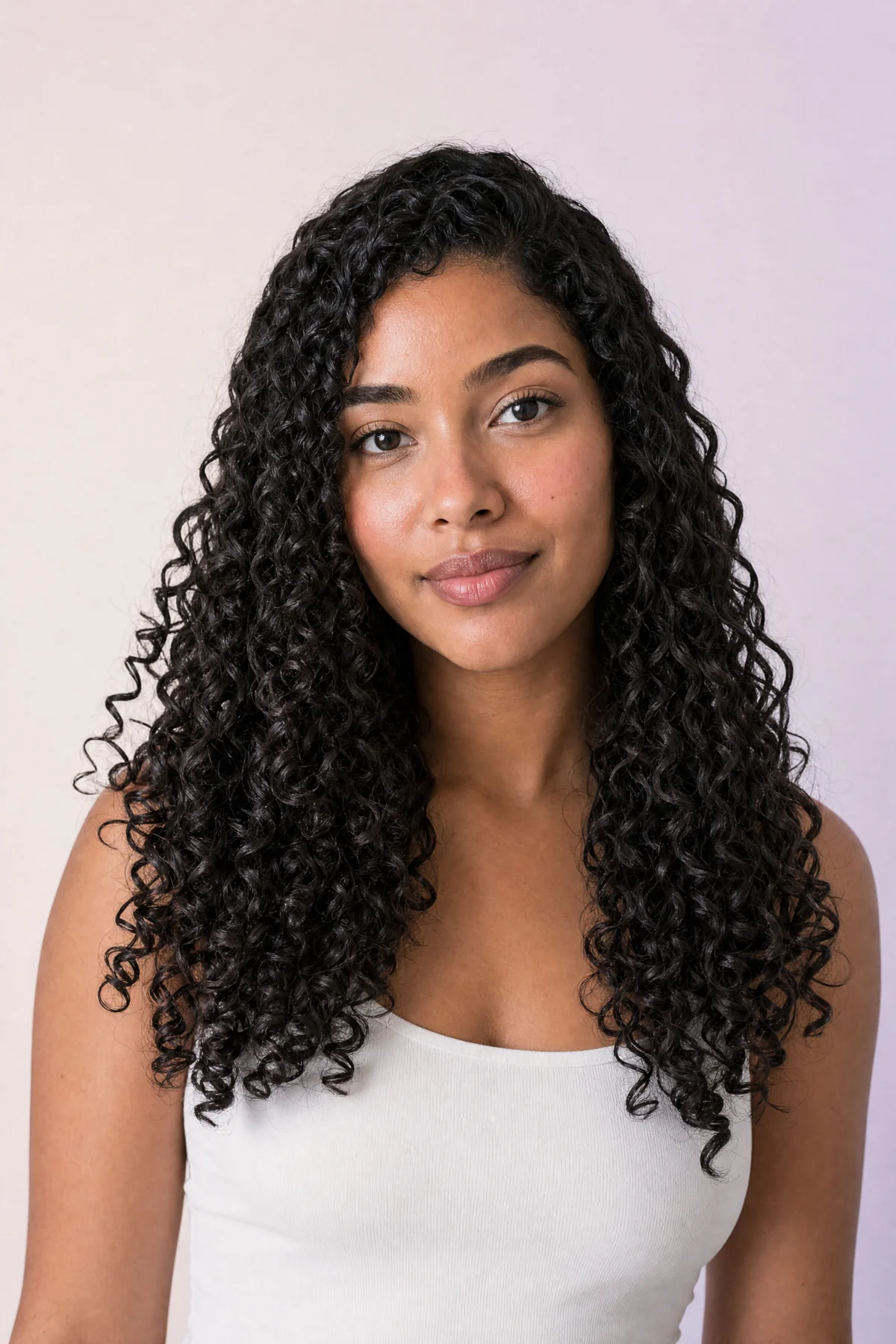
The Curly Girl Method, a revolutionary hair care philosophy championed by stylist Lorraine Massey in her 2001 book, "Curly Girl: The Handbook," continues to be the foundational approach for achieving healthier, more defined curls, regardless of their pattern. This sulfate-free, silicone-free routine eschews harsh shampoos and heat styling in favor of gentle cleansing conditioners, lightweight styling products, and air-drying or diffused drying techniques. Its enduring principles form the bedrock upon which most contemporary curl care regimens are built, offering a pathway to enhanced texture for everything from loose waves to tight coils. This guide delves into the method’s suitability for various hair types, outlines its essential five-step wash-day process, identifies ingredients to avoid, and addresses common pitfalls that can hinder curl definition and vitality.
Understanding the Core Principles: Beyond Sulfates and Heat
At its heart, the Curly Girl Method is a reaction against conventional hair care practices that often strip natural oils and cause damage. Sulfates, such as sodium lauryl sulfate (SLS) and sodium laureth sulfate (SLES), are potent cleansing agents designed to remove oil and grime. However, research has indicated that these harsh surfactants can also strip away essential proteins from the hair shaft. A study published in the Journal of Investigative Dermatology found that prolonged exposure to sodium dodecyl sulfate (SDS), a common sulfate, led to significant protein loss from hair fibers, with damage compounding over time, particularly with daily shampooing. This progressive depletion of hair protein translates into increased frizz, breakage, and a loss of natural elasticity, ultimately diminishing curl definition.
The method’s rejection of heat styling, such as blow-drying on high heat or using flat irons, addresses a secondary but significant source of hair damage. High temperatures can disrupt the hair’s cuticle layer, causing it to lift and become more porous. This increased porosity leads to greater moisture loss, making curls appear dry, frizzy, and limp. By opting for low-heat diffusion or air-drying, the Curly Girl Method minimizes cuticle disruption, allowing hair to retain moisture and maintain its natural structure.
A common misconception among newcomers to the method is experiencing a "waxy" or "coated" feeling in their hair shortly after switching products. Stylists often clarify that this sensation is typically not a reaction to the new routine itself, but rather a result of residual silicone buildup from previous product usage. Silicones, particularly non-water-soluble varieties like dimethicone, can accumulate on the hair shaft, creating a barrier that prevents moisture from penetrating. A single clarifying wash, using a sulfate-free clarifying shampoo, is usually sufficient to reset the hair and allow the new products to perform optimally.
The Curly Girl Method: A Step-by-Step Breakdown
The Curly Girl Method is structured around a specific sequence of actions on wash days, designed to cleanse, condition, style, and dry curls gently and effectively.
The Five Essential Wash-Day Steps:
-
Cleanse: This initial step replaces traditional shampoo with either a sulfate-free shampoo or, more commonly, a cleansing conditioner (co-wash). For individuals with curly hair, this is typically done weekly. Those with coily hair, which may require less frequent washing to retain moisture, may opt for a cleanse every one to two weeks. The goal is to remove product buildup without stripping the hair of its natural oils.

-
Condition: Following the cleanse, a rinse-out conditioner is applied. This is a critical step for detangling. The hair should be thoroughly saturated and detangled while soaking wet, using fingers or a wide-tooth comb, to minimize breakage. This ensures that the conditioner is evenly distributed and knots are gently worked out.
-
Style: Once conditioned and detangled, styling products are applied to wet hair. This typically involves a combination of creams and gels, depending on the desired level of hold and definition. Products are applied using techniques like "raking" (evenly distributing product through the hair with fingers) or "scrunching" (cupping sections of hair and gently squeezing them upwards towards the scalp) to encourage curl formation.
-
Dry: The drying process is crucial for preserving curl definition. Instead of rubbing hair with a traditional terrycloth towel, which can cause frizz by roughing up the cuticle, the method advocates for either diffusing the hair on a low heat setting or "plopping" the hair. Plopping involves wrapping wet hair in a cotton t-shirt or microfiber towel to absorb excess water without friction.
-
Scrunch Out the Crunch (SOTC): Many styling gels create a "cast" as they dry, a firm shell that holds the curl pattern in place. Once the hair is 100% dry, this cast needs to be broken. This is achieved by gently scrunching the hair again. This final step releases the stiffness, revealing soft, defined curls.
| Step | What It Involves | How Often |
|---|---|---|
| Cleanse | Sulfate-free shampoo or cleansing conditioner | Weekly for curly hair, every 1-2 weeks for coily |
| Condition | Rinse-out conditioner, detangle while soaking wet | Every wash day |
| Style | Cream or gel applied wet, scrunched or raked | Every wash day |
| Dry | Diffuse on low heat or plop in a T-shirt | Every wash day |
| Scrunch Out Crunch | Break the gel cast once hair is 100% dry | Same day, after drying |
Identifying Suitability: Curl Pattern, Porosity, and Beyond
The Curly Girl Method is most effective on natural, non-relaxed wavy, curly, and coily hair textures. However, its success hinges on understanding individual hair characteristics, namely curl pattern and porosity.
Curl Pattern: Hair’s curl pattern is determined by the shape of the hair follicle and the resulting cross-section of the hair shaft. Straight hair typically has a circular cross-section, while wavy hair is more oval, and curly and coily hair often have a flatter, more oval or irregular shape. This curvature affects how moisture is retained; curlier hair types tend to lose moisture more rapidly due to their structure and require richer products for hydration. Understanding one’s specific curl pattern – from loose waves (Type 2) to tight coils (Type 4) – is essential for selecting appropriate products that won’t weigh the hair down or fail to provide adequate moisture.
Porosity: Porosity refers to the hair’s ability to absorb and retain moisture. It is determined by the condition of the hair’s cuticle layer.
- Low Porosity Hair: Characterized by tightly closed cuticles, this hair type resists initial moisture absorption but holds onto it exceptionally well once it penetrates. Products can sometimes sit on the surface, leading to buildup.
- Medium Porosity Hair: Has cuticles that are neither too tight nor too open, allowing for a balanced absorption and retention of moisture.
- High Porosity Hair: Features raised or open cuticles, often a result of chemical treatments (like coloring or perms) or heat damage. This hair type absorbs products quickly but also loses moisture just as rapidly.
Porosity plays a significant role in determining how often deep conditioning treatments are needed and which styling products will effectively penetrate the hair shaft versus simply sitting on top. For instance, individuals with high porosity hair may benefit from heavier creams and butters to seal in moisture, while those with low porosity might need lighter, water-based products to avoid weighing down their strands.

Transitioning to the Curly Girl Method: A Phased Approach
Embarking on the Curly Girl Method typically involves a transition period to allow the hair to shed old product buildup and adapt to the new regimen.
Initial Steps for Transition:
- Clarifying Wash: The first crucial step is a single clarifying wash using a sulfate-free clarifying shampoo. This removes any lingering silicones, waxes, and heavy product buildup that could interfere with the new routine.
- Product Swap: Immediately following the clarifying wash, all traditional shampoos and conditioners containing sulfates, drying alcohols, synthetic fragrances, and non-water-soluble silicones should be replaced with products adhering to the Curly Girl Method guidelines.
- Trim Damaged Ends: Split or severely damaged ends should be trimmed. These compromised sections cannot be repaired by conditioning and will continue to detract from the overall appearance of healthy curls, regardless of the care routine.
- Patience: It is vital to allow the hair time to adjust. For hair that has been subjected to years of harsh products or heat styling, the initial adjustment phase can last from two to four full wash cycles. During this period, curls might appear more unruly or frizzy before they begin to show improvement as the hair detoxifies and recalibrates.
Navigating Common Pitfalls and Mistakes
Despite its effectiveness, several common errors can prevent individuals from achieving their desired curl results with the Curly Girl Method.
-
Over-Producting: A frequent mistake, especially for those with fine or low-porosity hair, is using too much product. Excessive layering can weigh down curls, leading to a limp, stringy, or separated appearance. It is essential to start with a small amount of product and build up as needed, tailoring the quantity to the hair’s density and porosity.
-
Skipping the Clarifying Wash: As mentioned, residual silicones and waxes from prior routines can hinder the effectiveness of the Curly Girl Method. Failing to perform an initial clarifying wash means these ingredients remain on the hair, preventing new products from properly hydrating and defining curls.
-
Rough Towel Drying: The abrasive nature of terrycloth towels can disrupt the cuticle layer, leading to frizz and a loss of definition. Switching to a microfiber towel or a cotton t-shirt for drying significantly reduces friction and preserves curl patterns.
-
Using the Wrong Ingredients: A thorough understanding of product labels is paramount. Key ingredients to avoid include sulfates (SLS, SLES), drying alcohols (alcohol denat., ethanol, isopropyl alcohol), synthetic fragrances, and non-water-soluble silicones (dimethicone, cyclomethicone, etc.).
The Timeline to Transformation: Patience and Consistency
The journey to significantly improved curls with the Curly Girl Method is a process that rewards patience and consistency.

Expected Results:
- Short-Term (1-2 Wash Cycles): Many individuals notice an immediate improvement in hair softness and a slight increase in curl definition within the first one to two wash days.
- Medium-Term (2-4 Weeks): Visible improvements in curl clumping, reduced frizz, and enhanced shine typically become apparent within this timeframe as the hair begins to detoxify and adapt.
- Long-Term (6-8 Weeks and Beyond): For those transitioning from significant heat damage or heavy product buildup, a complete transformation, characterized by consistently defined, healthy, and resilient curls, can take six to eight weeks or even longer. It is not uncommon for hair to appear worse before it looks better during the initial stages, as old damage grows out and product residue is fully eliminated.
Sustaining Curl Health: Once curls are thriving, maintaining their definition between wash days can be achieved through strategies like sleeping on satin pillowcases or using a "pineapple" updo to protect curls overnight. Regular trims every eight to twelve weeks, ideally from a stylist experienced in dry-cutting curly hair, are also crucial, as cutting curls while wet can alter their natural fall and shape once dry.
Frequently Asked Questions About the Curly Girl Method
As the Curly Girl Method gains popularity, several recurring questions arise from those considering or starting the routine.
Q1: Can I still use shampoo on the Curly Girl Method?
A: Yes, but only if the shampoo is free of sulfates. Many practitioners opt for low-suds, sulfate-free shampoos or cleansing conditioners as their primary cleansing agent. A monthly clarifying wash with a sulfate-free formula is also recommended to prevent product buildup.
Q2: How long does it take for curls to adjust to the method?
A: Most individuals see noticeable improvements within two to four weeks. However, a complete transition, especially for hair that has experienced extensive heat or chemical damage, can take two to three months of consistent adherence to the routine.
Q3: Does the Curly Girl Method work on wavy hair?
A: Absolutely. Wavy hair often benefits significantly from the method. However, wavy textures typically require lighter products and shorter drying times compared to tighter curl patterns to prevent the hair from being weighed down and appearing stringy.
Q4: What ingredients should I avoid on product labels?
A: The primary ingredients to avoid are sulfates (such as sodium lauryl sulfate and sodium laureth sulfate), drying alcohols (like alcohol denat., ethanol, and isopropyl alcohol), synthetic fragrance, and non-water-soluble silicones (such as dimethicone, amodimethicone, and cyclomethicone).
Q5: Why does my hair feel crunchy after styling?
A: This "crunch" is often a sign that the styling gel is effectively creating a cast, which holds the curl pattern in place as the hair dries. This is a normal and expected part of the process. Scrunching out the cast once the hair is completely dry will reveal soft, defined curls.

Q6: Can fine hair handle the Curly Girl Method?
A: Yes, fine hair can thrive with the Curly Girl Method. However, it requires a more delicate approach. Fine hair necessitates lighter, water-based products applied sparingly. Heavier creams and butters that work well for thicker or coily hair can easily flatten finer strands and diminish definition.
Broader Implications and Future Outlook
The Curly Girl Method’s enduring success lies in its fundamental approach: removing the two most significant stressors on textured hair – harsh sulfates and unnecessary heat – and replacing them with a routine focused on moisture, gentle handling, and individualized care. By encouraging users to understand their specific curl patterns and hair porosity, the method empowers them to make informed choices about product selection and application.
The widespread adoption and adaptation of the Curly Girl Method principles have significantly influenced the hair care industry, leading to a greater availability of sulfate-free, silicone-free, and curl-friendly products. This shift reflects a growing consumer demand for gentle, effective hair care solutions tailored to the unique needs of textured hair.
Ultimately, the efficacy of the Curly Girl Method is rooted in its adherence to its core principles. Skipped steps or a misunderstanding of ingredient functions are often the culprits behind perceived failures, rather than a flaw in the method itself. With consistent application, appropriate product selection matched to individual hair needs, and a commitment to the five essential wash-day steps, individuals can unlock the potential for healthier, more defined, and vibrant curls.
For those seeking to visualize their potential curl transformations, innovative tools like the HairHunt app offer a glimpse into various curly hairstyles by allowing users to preview different looks on their own photos. This technology can further support individuals in their journey towards embracing and enhancing their natural texture.
Sources:
- Journal of Investigative Dermatology (Research on sodium dodecyl sulfate)
- PubMed Central (Research on curly hair structure and keratin distribution)
- National Institutes of Health (Studies on hair porosity and moisture retention)
Disclaimer: Individual hair results may vary based on natural hair type, texture, density, and condition. Consultation with a licensed hairstylist is recommended before making significant changes to hair care routines, particularly concerning chemical treatments or drastic style modifications. Images used may depict styled results achieved with professional tools and products.
