
 By Layla Zulfa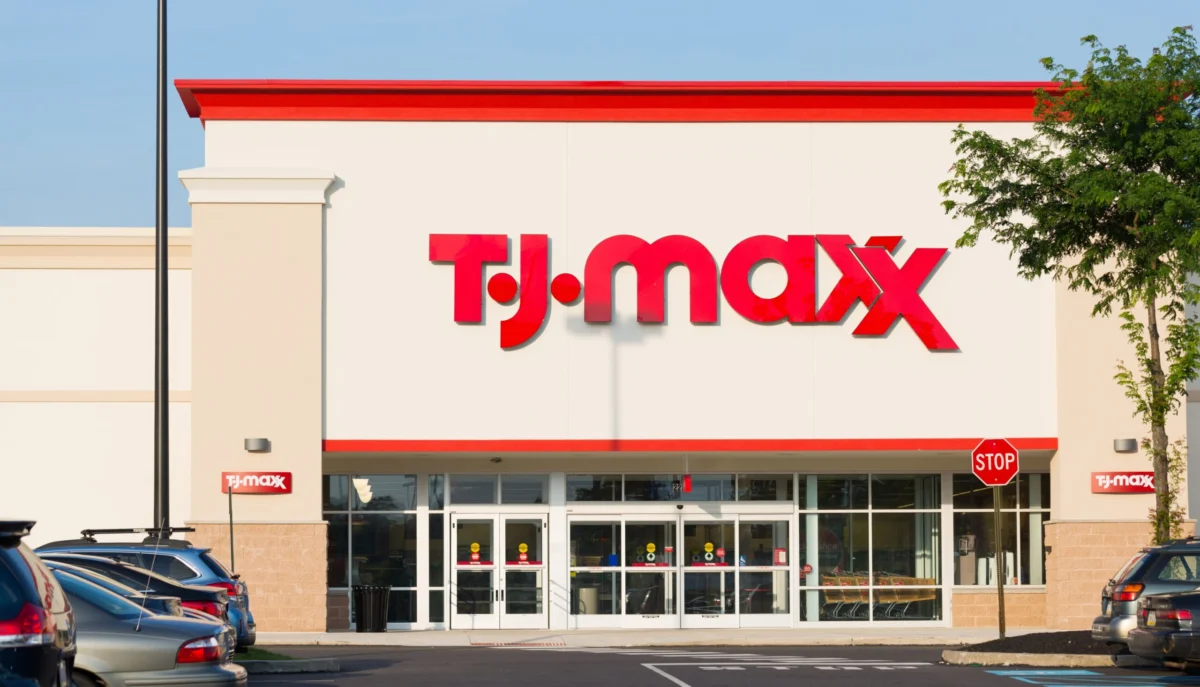
TJX Companies, the parent company of popular off-price retail chains TJ Maxx and Marshalls, announced a noticeable slowdown in comparable store sales at these flagship apparel divisions during its second-quarter earnings report on Wednesday. This development has amplified concerns across the financial markets and retail sector regarding a potential pullback in discretionary spending by the American consumer, even as the company’s home goods segments, notably HomeGoods, demonstrated robust growth. The mixed performance from one of the nation’s largest discount retailers offers a significant barometer for the health of consumer spending, a critical driver of the U.S. economy, suggesting that persistent inflationary pressures and elevated interest rates may finally be compelling shoppers to tighten their belts on non-essential purchases, particularly in the apparel category.
Q2 Performance Breakdown: A Closer Look at the Numbers
In its latest quarterly financial disclosure, TJX Companies, which also operates HomeGoods, Sierra, and Homesense in the U.S., alongside TJX International and TJX Canada, revealed a complex picture of consumer behavior. While specific figures for comparable store sales growth at TJ Maxx and Marshalls were not explicitly detailed in the initial summary, the company’s language clearly indicated a deceleration compared to previous periods. This deceleration in its apparel-focused segments stands in stark contrast to the strength observed in its home goods divisions. HomeGoods, in particular, was highlighted as a strong performer, continuing to capitalize on a lingering consumer focus on home improvement and décor, a trend that accelerated during the pandemic and has shown surprising resilience.
The overall revenue figures, while often showing growth due to new store openings and other factors, were closely scrutinized for underlying trends in existing store sales. Analysts typically view comparable store sales as a more accurate indicator of a retailer’s intrinsic health and customer demand. A slowdown here, especially in the historically robust off-price apparel sector, signals a shift in consumer priorities. The company’s total net sales for the quarter, despite the apparel softness, likely benefited from the strength in home goods and the broader diversification of its portfolio, but the market’s focus remained squarely on the cautionary signal from its core apparel businesses. Profit margins also come under pressure in a softening sales environment, as retailers might need to increase promotions to move inventory, affecting the bottom line.
The Off-Price Model: Resilience and Challenges
TJX Companies has long been lauded for its highly successful off-price business model. This model thrives on purchasing excess inventory from a wide array of brands and manufacturers at significant discounts, then selling these items to consumers at 20-60% below full-price retail. This strategy allows TJ Maxx and Marshalls to offer a "treasure hunt" shopping experience, where customers can find designer brands and unique items at compelling prices. Historically, off-price retailers like TJX have proven remarkably resilient, often outperforming traditional full-price retailers during economic downturns, as consumers become more price-sensitive and actively seek value.
During the initial phases of the COVID-19 pandemic, TJX, like most brick-and-mortar retailers, faced significant disruptions due to temporary store closures. However, as economies reopened and consumers, flush with stimulus checks and eager for novelty, returned to shopping, TJX experienced a robust recovery. The demand for both apparel and home goods surged, with customers flocking back to stores. The home goods segment, in particular, saw unprecedented growth as people spent more time at home and invested in their living spaces. This period of strong growth, however, appears to be moderating, especially in the apparel categories, suggesting a return to more normalized, and potentially more challenging, consumer spending patterns. The current slowdown at TJ Maxx and Marshalls could indicate that even the value proposition of off-price is facing headwinds as consumers become even more discerning with their dollars.
Economic Headwinds: A Broader Consumer Landscape
The reported slowdown at TJX’s apparel chains aligns with broader macroeconomic indicators pointing to a more cautious U.S. consumer. For over a year, American households have contended with persistent inflation, particularly in essential categories such as food, energy, and housing. While headline inflation has shown signs of cooling, cumulative price increases over the past two years have eroded purchasing power. The Federal Reserve’s aggressive campaign of interest rate hikes, aimed at taming inflation, has simultaneously increased the cost of borrowing for everything from mortgages and car loans to credit card debt.
Recent data from various economic agencies further paints a picture of a consumer under pressure. Personal savings rates have declined significantly from their pandemic-era peaks, indicating that many households have drawn down their excess savings. Simultaneously, credit card debt has reached record highs, suggesting that consumers are increasingly relying on credit to maintain their spending levels, which is unsustainable in the long run, especially with higher interest rates. The labor market, while still robust with low unemployment, has shown some signs of cooling, with wage growth not always keeping pace with inflation, further squeezing household budgets.
Against this backdrop, discretionary spending, particularly on non-essential items like apparel, is often the first area where consumers cut back. Unlike food or utilities, new clothing purchases can be easily deferred. The shift in spending from goods to services, such as travel and entertainment, post-pandemic also plays a role. While consumers are still spending, the composition of that spending is changing, and retailers like TJX, whose primary offering is physical goods, must adapt. The continued strength in home goods, however, might indicate a bifurcation: while everyday apparel purchases might be slowing, larger, more considered purchases for the home, perhaps viewed as investments, are holding up better, or represent a different segment of the consumer base.
Analyst Perspectives and Market Reactions
Following the earnings report, financial analysts were quick to interpret TJX’s results as a significant signal for the broader retail sector and the economy. Many analysts reiterated their concerns about consumer resilience, particularly heading into the crucial holiday shopping season. The stock market’s reaction typically reflects these sentiments, with TJX’s share price potentially experiencing volatility as investors weigh the implications of the slowdown.
Industry experts noted that TJX, given its massive footprint and diverse customer base, serves as a bellwether for mainstream consumer behavior. A slowdown at TJ Maxx and Marshalls could suggest that even the traditionally resilient middle-income consumer, who values off-price offerings, is feeling the pinch. Analysts will be scrutinizing the company’s forward guidance, looking for insights into management’s expectations for the coming quarters, particularly concerning inventory levels, promotional strategies, and potential shifts in merchandising. Some analysts might downgrade their outlook for the retail sector as a whole, while others might focus on the relative strength of different segments within TJX, such as HomeGoods, as a positive differentiator. The commentary often revolves around whether this slowdown is a temporary blip or the beginning of a more prolonged trend indicative of a looming recessionary environment.
Management’s Strategy Amidst Shifting Tides
In response to the evolving retail landscape and the reported slowdown, TJX Companies’ management, during their earnings call, likely addressed strategies to navigate these challenges. Key areas of focus typically include inventory management, merchandising adjustments, and operational efficiencies. With a slowdown in sales, managing inventory becomes paramount to avoid overstocking, which can lead to deeper discounts and eroded margins. TJX’s flexible buying model, which allows it to purchase inventory opportunistically, can be an advantage in such environments, enabling them to source desirable goods at favorable prices even as other retailers struggle with excess stock.
Furthermore, management would likely discuss merchandising strategies aimed at resonating with the current consumer mood. This could involve an increased focus on value-driven offerings, essential apparel items, or a reallocation of floor space towards categories that are performing better, such as activewear or specific home categories. Marketing efforts might also be adjusted to emphasize the "value" and "treasure hunt" aspects of the off-price model more strongly. The company may also detail plans for continued investment in its successful home goods brands, HomeGoods and Homesense, potentially expanding their footprint or refining their product assortments to capture sustained demand. Digital strategies, while not the primary driver for off-price, could also be a point of discussion for enhancing customer engagement and convenience.
The Broader Retail Implications
The TJX report carries significant implications beyond the company itself, reverberating across the broader retail industry. Off-price retailers have long been a robust segment, often seen as a counter-cyclical force. A slowdown in this segment suggests that even those retailers offering deep discounts are not immune to broader economic pressures. This could signal heightened competition within the off-price space, potentially leading to more aggressive pricing and promotional activities among TJX, Ross Stores, and Burlington Stores.
For full-price retailers, the TJX report serves as a cautionary tale. If consumers are pulling back on even discounted apparel, it implies even greater challenges for brands selling at full markup. This could lead to an increase in promotional activity across the entire apparel sector, impacting profitability. The divergence between apparel and home goods also highlights a potential shift in consumer priorities, with discretionary funds being allocated differently. Retailers with a strong presence in home goods or other resilient categories might fare better, while those heavily reliant on apparel may face tougher times. Moreover, the report could influence the decisions of manufacturers and brands regarding production levels and inventory management, as they anticipate weaker demand from retail partners.
Looking Ahead: Navigating Uncertainty
As TJX Companies looks to the remainder of the year and into 2024, the prevailing economic uncertainty will undoubtedly shape its strategy. The trajectory of inflation, the Federal Reserve’s future interest rate decisions, and the overall health of the labor market will all play crucial roles in determining consumer spending patterns. While the off-price model inherently offers some protection against economic downturns due to its value proposition, a prolonged or severe economic contraction could still impact even the most resilient retailers.
TJX’s ability to adapt its inventory mix, maintain strong vendor relationships for opportunistic buying, and continue to deliver a compelling in-store experience will be critical. The company’s diversified portfolio, with strong performers like HomeGoods, offers a buffer against weaknesses in other segments. However, the signal from TJ Maxx and Marshalls is clear: the American consumer is becoming more cautious, and retailers across the spectrum must prepare for a potentially more challenging environment where value, necessity, and strategic allocation of limited discretionary income will dictate shopping behavior.
The coming quarters will reveal whether the slowdown reported by TJX is a temporary adjustment in post-pandemic spending habits or a more profound indication of consumer distress. For now, the report reinforces the narrative that economic headwinds are increasingly influencing how and where Americans choose to spend their money, making agility and strategic foresight paramount for retailers in the current economic climate.
