
 By admin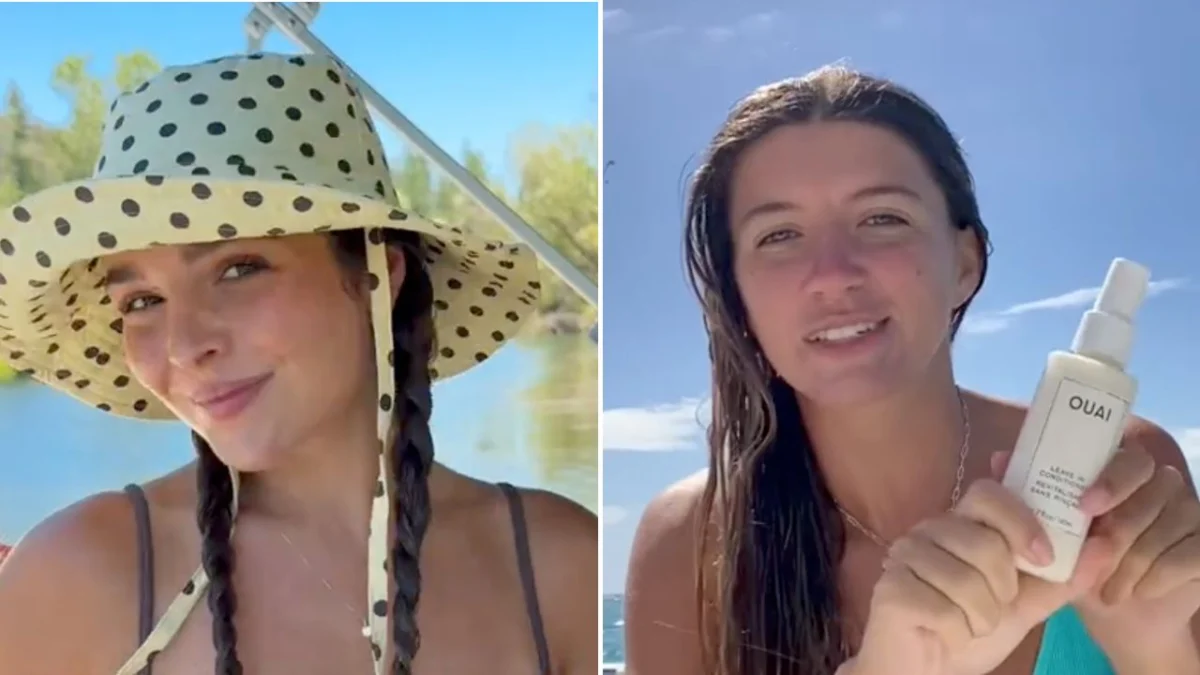
The summer season, often synonymous with invigorating dips in the ocean and refreshing swims in the pool, presents a unique set of challenges for hair health. While the immediate aftermath of a day spent in aquatic environments might seem harmless, the cumulative effects of saltwater and chlorine can lead to significant damage, manifesting as dryness, breakage, and a noticeable dullness. Understanding the mechanisms behind this damage and implementing targeted care strategies is crucial for maintaining vibrant and healthy hair throughout the warmer months. This comprehensive guide delves into the science of post-swim hair damage and outlines effective, science-backed solutions to mitigate its impact.
The Dual Threat: Saltwater vs. Chlorine
Both saltwater and chlorine, while offering recreational enjoyment, act as potent adversaries to the natural integrity of hair. Saltwater, primarily composed of sodium chloride and other minerals, has a hygroscopic nature, meaning it attracts and draws moisture from the hair shaft. This process, known as osmosis, effectively dehydrates the hair, leaving it brittle and prone to breakage. The elevated pH of saltwater can also cause the hair cuticle, the outermost protective layer, to lift and roughen, further exacerbating moisture loss and making hair susceptible to external aggressors.
Chlorine, a widely used disinfectant in swimming pools, poses a different, yet equally damaging, threat. Its primary function is to break down organic matter, and unfortunately, it does not discriminate between bacteria and the natural oils that protect and lubricate hair strands. Chlorine strips these essential lipids, which are crucial for maintaining hair’s suppleness, shine, and overall strength. This depletion of natural oils leads to a cascade of problems, including color fading in treated hair, a rough texture, increased susceptibility to split ends, and a general weakening of the hair’s protein structure. Over time, regular exposure to chlorinated water without proper countermeasures can lead to a significant decline in hair health.
The sun, an omnipresent element during summer activities, acts as a catalyst, accelerating the damage initiated by saltwater and chlorine. Ultraviolet (UV) radiation from the sun can further degrade the hair’s protein structure and exacerbate moisture loss, intensifying the negative effects of both swimming mediums. This synergistic assault on the hair’s delicate balance necessitates a proactive and multi-faceted approach to haircare.
Proactive Defense Strategies for Post-Swim Haircare
To combat the detrimental effects of saltwater and chlorine, a strategic approach to hair management is essential. These strategies focus on protection before, during, and after swimming, ensuring that hair receives the necessary nourishment and defense against environmental stressors.
Tip 1: The Power Duo of Conditioner and Protective Braids
The inherent fragility of wet hair cannot be overstated. When saturated with water, hair shafts swell, causing the cuticle to lift. This physiological change renders each strand significantly more vulnerable to mechanical stress, such as tension and friction, increasing the likelihood of breakage. When this heightened vulnerability is combined with the constant environmental assault of sun exposure and repeated wetting throughout a day at the beach or pool, the cumulative damage can be substantial.
A surprisingly simple yet highly effective solution involves the strategic application of conditioner and the adoption of protective hairstyles. Immediately after exiting the water, a generous spritz of a quality conditioner, focusing on the mid-lengths to ends of the hair, can provide immediate benefits. The conditioner acts as a protective coating, temporarily sealing the lifted cuticle. This sealing effect reduces friction between strands and significantly slows down moisture evaporation, helping to preserve hydration.
Following the conditioner application, braiding the hair offers an additional layer of defense. Any form of braid, whether a classic three-strand or a more robust rope braid, serves to keep individual strands contained and minimizes their exposure to wind and environmental friction. This prevents tangling and further reduces the risk of breakage. For an added benefit, consider topping off your protective style with a wide-brimmed hat. This shields the already stressed hair from direct, harsh sunlight, preventing further dehydration and damage. This combination of conditioner and braids is also recognized as an excellent waterproof hairstyle, requiring minimal tools and offering maximum protection during water-based activities.
Tip 2: An Anti-Chlorine Routine for Pool Swimmers
For individuals who frequent swimming pools, a dedicated anti-chlorine routine is not merely beneficial but essential for preserving hair health. Chlorine’s potent chemical properties, designed to sanitize water, unfortunately, extend to damaging hair. It aggressively strips away vital proteins that fortify hair strands, depletes natural oils, and over time, contributes to color fading, brittleness, and the formation of split ends. Without consistent mitigation efforts, the damage inflicted by regular pool swimming can compound rapidly.
Step 1: Immediate Rinsing
The most critical first step in an anti-chlorine routine is prompt rinsing. As soon as possible after exiting the pool, head to a shower. Spend a dedicated two to three minutes thoroughly massaging warm water through your hair and scalp. This initial flush is paramount, as it physically removes a significant portion of the chlorine before it has the opportunity to penetrate deeper into the hair shaft. The longer chlorine remains in contact with hair, the more profound and damaging its effects will be.
Step 2: Gentle Cleansing
Following the thorough rinse, if washing is necessary, opt for a gentle daily shampoo. Micellar shampoos or sulfate-free formulations are highly recommended. These types of cleansers are designed to effectively remove impurities and product buildup without stripping the hair of its already compromised natural oils. This is particularly important for those who swim frequently and need to wash their hair daily. Harsh clarifying shampoos, while effective for occasional deep cleaning, can exacerbate dryness and irritation when used too often, potentially leaving the scalp parched and the hair in worse condition than the chlorine alone. This two-step rinse-and-wash approach forms the cornerstone of any effective summer hair care regimen for swimmers.
Tip 3: The Air-Dry Cream and Leave-In Conditioner Synergy
Saltwater, while often perceived as providing a desirable textural boost, harbors a deceptive characteristic: its high salt concentration aggressively leaches moisture from the hair as it dries. This leads to strands that feel rough, become easily tangled, and appear noticeably parched. If access to fresh water is available immediately after swimming in the ocean, a thorough rinse is the ideal first action. This dilutes the salt concentration on the hair cuticle and significantly slows down the drying process, minimizing moisture loss.
In situations where fresh water is not readily accessible, a targeted product application becomes crucial. An air-dry cream, particularly one formulated with UV protection, is an excellent choice. These creams work to tame frizz, smooth the hair cuticle, and create a protective barrier against further sun damage as the hair dries naturally. Immediately following the application of the air-dry cream, layer on a leave-in conditioner. This step is vital for locking in the moisture introduced by the cream and providing slip, which will greatly facilitate easier detangling later on.
The synergy between these two products is key: the air-dry cream addresses texture and UV defense, while the leave-in conditioner focuses on hydration and slip. This dual-action approach ensures comprehensive care. It is imperative to avoid allowing saltwater-laden hair to air-dry without any protective product, as this will only amplify the dehydrating effects. When shopping for summer styling products, prioritize those that offer both UV protection and moisturizing benefits.
Tip 4: The Detangling Spray Advantage
The rough and lifted state of the hair cuticle, a common consequence of both saltwater and chlorine exposure, is the primary culprit behind aggressive post-swim knotting and tangling. Attempting to comb through dry, tangled hair is a direct pathway to breakage. Similarly, forcing a brush through wet, unconditioned, and tangled strands is equally detrimental.
A detangling spray acts as a transformative element in the post-swim haircare process. Applying it liberally to wet hair, before any combing or brushing, coats each strand and dramatically reduces friction. This allows a wide-tooth comb to glide through knots effortlessly rather than snagging and pulling. The technique of combing from the ends upward, working in small, manageable sections, further minimizes stress on the hair.
Beyond immediate knot removal, detangling sprays enhance hair’s pliability, allowing for a more controlled and gentle detangling session. This crucial step significantly cuts down on breakage, especially for individuals who engage in daily swimming. The spray essentially buys time and creates a more forgiving environment for the hair to be worked through without causing damage.
Tip 5: The Essential Hair Mask Ritual
For those who embrace a lifestyle of daily swimming, particularly during the summer months, and still wish to style their hair for social occasions, consistent deep conditioning is non-negotiable. A nourishing hair mask, applied at least twice a week, becomes an indispensable component of hair maintenance. The sheer volume of moisture and structural protein stripped from the hair by daily exposure to chlorinated or saltwater environments means that a regular conditioner, while beneficial, may not provide sufficient repair.
Hair masks differ from conditioners in their mode of action. While conditioners primarily coat the hair’s surface, masks are formulated with ingredients that penetrate deeper into the hair’s cortex. This deeper penetration allows for more profound repair and replenishment. Masks work to seal the cuticle, which is responsible for the smooth, glassy shine observed after hair dries, and crucially, they replenish the depleted proteins that chlorine and saltwater break down over time.
To incorporate a hair mask into your routine, apply it after shampooing on your post-swim wash days. Allow it to sit for a minimum of five to ten minutes to enable effective penetration. Rinse with cool water; the cooler temperature helps to close the hair cuticle, further enhancing shine and smoothness. By integrating a hair mask into your regular rotation, alongside the other protective hacks, your hair will exhibit remarkable resilience and maintain its health throughout a summer filled with both style and aquatic adventures.
Conclusion: Sustaining Healthy Hair Through Summer Activities
Saltwater and chlorine represent two of the most formidable environmental challenges to hair health during the summer. However, the damage they inflict is far from inevitable. By adopting a proactive and consistent haircare regimen, it is possible to not only mitigate their negative effects but also to maintain vibrant, healthy hair throughout the season.
The foundational steps include applying a conditioner and braiding the hair immediately after swimming to minimize friction and moisture loss. For pool swimmers, the prompt rinsing of hair and the use of gentle, sulfate-free shampoos are critical for removing chlorine residue. Following ocean dips, the application of an air-dry cream with UV protection, followed by a leave-in conditioner, helps to combat dehydration and protect against sun damage. A detangling spray is an invaluable tool for gently removing knots and preventing breakage. Finally, incorporating a nourishing hair mask into your routine at least twice a week provides the deep conditioning necessary to replenish lost moisture and protein.
By diligently implementing these five key strategies, individuals can ensure their hair remains strong, hydrated, and lustrous, even with daily exposure to the elements. This commitment to post-swim haircare allows for the full enjoyment of summer activities without compromising the long-term health and appearance of one’s tresses. As haircare routines become established, exploring virtual try-on tools can further assist in identifying hairstyles that complement healthy, resilient hair, or utilizing hair inspiration apps can provide ongoing motivation for maintaining optimal hair condition.
