
 By admin
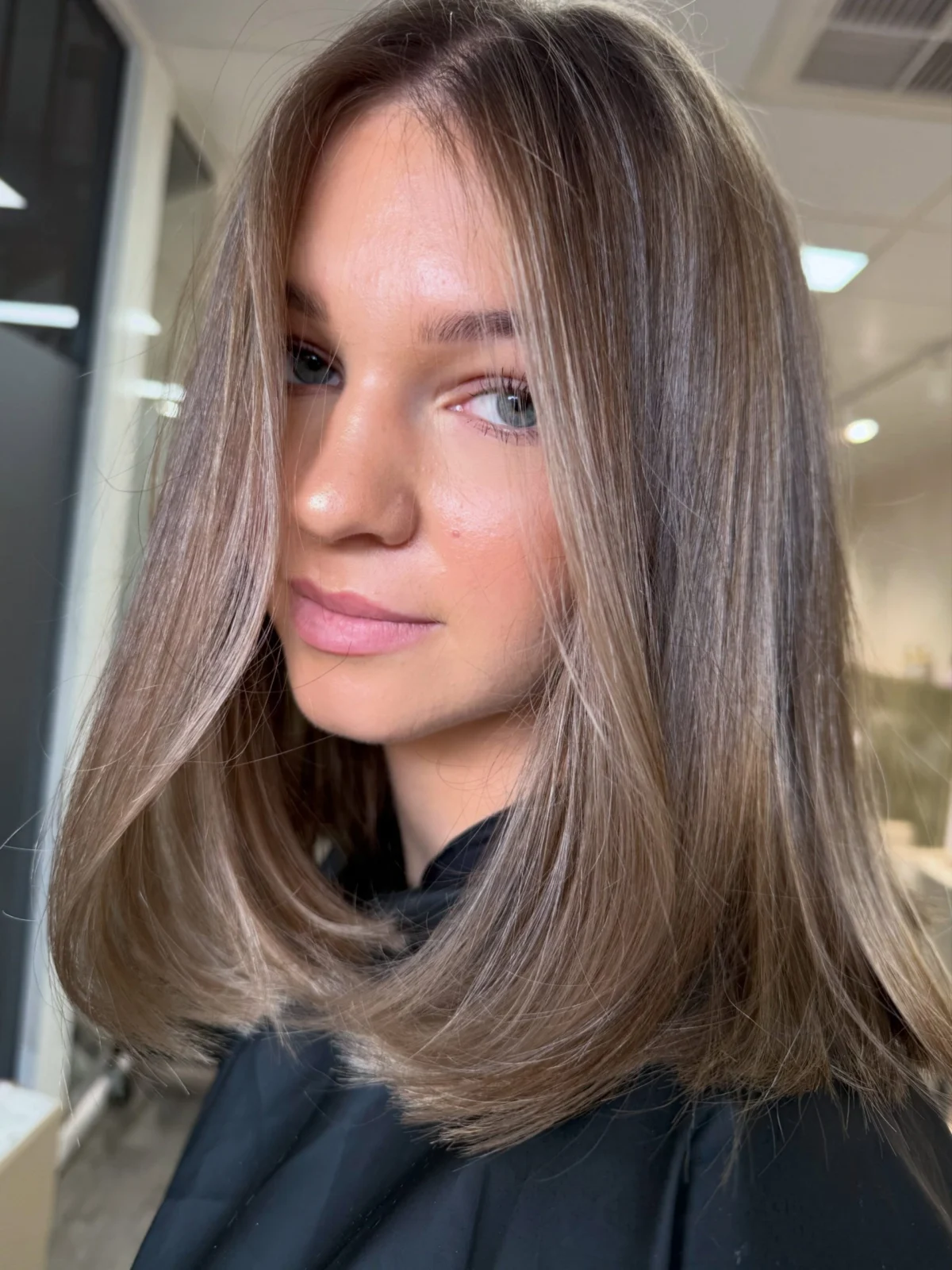
The quest for a stylish, manageable haircut often leads individuals to consider a bob, a perennial favorite known for its versatility and modern appeal. However, for many, the prospect of a dramatically short, chin-grazing style can be daunting, prompting a search for a more accessible alternative. Enter the slip bob, a contemporary iteration of the classic 90s bob that strikes a delicate balance between a significant chop and a longer, more forgiving silhouette. This haircut, characterized by its slightly longer length that gracefully falls closer to the shoulders, incorporates subtle internal layering to imbue it with movement and a relaxed, effortless feel.
Understanding the Slip Bob’s Distinctive Appeal
The name "slip bob" is evocative, drawing a direct parallel to the luxurious sensation of a silk slip dress – a feeling of smooth, fluid elegance. When translated into a hairstyle, this translates to a cut that exhibits a glossy finish and a fluid shape that artfully skims the shoulders. Unlike a blunt bob, which presents a sharp, defined edge, or a heavily layered lob that emphasizes separation throughout its length, the slip bob maintains a relatively simple external outline. Its true artistry lies in the strategically placed internal layers, which are meticulously cut to reduce weight and enhance movement without compromising the overall cohesive shape. These hidden layers are the key to its ability to feel lighter and more dynamic, offering a sophisticated yet relaxed aesthetic.
The evolution of the bob haircut has seen numerous adaptations over the decades, reflecting shifting beauty standards and styling techniques. From the sharp, geometric bobs of the 1920s to the softer, more textured styles of the 1960s, the bob has consistently reinvented itself. The 1990s, in particular, saw a resurgence of blunt, polished bobs, often paired with straight hair and a middle part, embodying a minimalist chic. The slip bob can be seen as a modern homage to this era, but with an added emphasis on fluidity and a less severe, more approachable feel. This nuanced approach to layering and length placement is a testament to the ongoing innovation in hairstyling, catering to a desire for both trend-awareness and personal comfort.

Versatility Across Hair Types: A Tailored Approach
One of the most compelling aspects of the slip bob is its adaptability to a wide spectrum of hair types, offering distinct benefits for each:
-
Fine Hair: Individuals with fine hair often find themselves seeking haircuts that create an illusion of fullness and avoid appearing overly thin or stringy. The slip bob excels in this regard. The internal layers are crucial for adding movement and preventing the ends from looking wispy or "shredded." By carefully removing weight from within the cut, stylists can ensure the hair retains a fuller perimeter, contributing to a more substantial appearance. Data from salon surveys consistently indicates that clients with fine hair often request styles that offer volume and a polished finish without sacrificing length.
-
Thick Hair: For those blessed with thick hair, the challenge often lies in managing its inherent weight, which can sometimes lead to a bulky or triangular silhouette, particularly around the nape of the neck. The internal layering inherent in the slip bob is precisely what addresses this concern. By strategically thinning out the hair from underneath, stylists can effectively reduce bulk, allowing the hair to lie more smoothly and comfortably around the shoulders. Industry reports from hair professionals frequently highlight the demand for cuts that offer a streamlined silhouette for thick hair types.
-
Straight Hair: Straight hair is arguably the most natural canvas for the classic slip bob effect. A simple blow-dry and a quick pass with a round brush are often all that is needed to achieve that signature smooth, 90s-inspired silhouette. The inherent sleekness of straight hair allows the clean lines and subtle movement of the slip bob to be showcased with minimal effort. This ease of styling is a significant draw for individuals who prefer low-maintenance routines.

-
Wavy Hair: The natural texture of wavy hair lends the slip bob a more relaxed and bohemian character. The inherent bends and waves provide movement and a softer overall appearance. Stylists working with wavy hair may opt for slightly longer lengths and adjust the internal layering to accommodate and enhance the natural wave pattern, ensuring the hair has ample room to form its characteristic ripples. This approach maximizes the cut’s ability to work with, rather than against, the hair’s natural tendencies.
-
Curly Hair: Curly hair presents a unique set of considerations for any haircut, and the slip bob is no exception. Due to the nature of curls, a cut that appears one length on straight hair can look considerably shorter on curly textures. Therefore, meticulous planning regarding length and layering is paramount. A skilled stylist experienced in cutting curly hair will account for shrinkage and strategically place layers to complement the curl pattern, ensuring the final result is both flattering and manageable. Statistics from hair industry associations emphasize the importance of specialized techniques for curly hair to achieve optimal results.
Face Shape Considerations: Personalization is Key
The notion of rigid "face shape charts" dictating specific haircuts is increasingly being challenged by a more personalized approach to hairstyling. The slip bob, in particular, benefits from this modern perspective. Instead of adhering to strict guidelines, the focus shifts to the desired placement of the ends and how the front sections frame the individual’s features.
A shoulder-skimming length can visually elongate the face, while the front pieces can be tailored to add softness or structure around the cheekbones and jawline. For instance, clients seeking to soften a strong jawline might opt for slightly longer, face-framing layers, while those desiring more definition might prefer a more structured front. Communicating these preferences to a stylist before the cut commences is crucial for achieving a result that is both fashionable and flattering. This client-centric approach to hairstyling has become a hallmark of contemporary salon services, reflecting a growing understanding of individual beauty.

Styling and Maintenance: Effortless Elegance
The slip bob’s appeal extends to its remarkably low-maintenance styling requirements. While it can be styled to achieve a polished, smooth finish with a quick blow-dry and a round brush, it does not necessitate daily, intensive styling sessions. For many, the beauty of the slip bob lies in its ability to look good with minimal intervention. Air-drying the hair allows its natural texture to emerge, contributing to its relaxed charm. For those who desire added definition or a more polished look, loose waves can be easily created with a curling iron.
However, even the most low-maintenance cuts require some upkeep. Shoulder-length hair, by its nature, can rub against clothing, leading to potential dryness or split ends. Therefore, regular trims, typically every six to eight weeks, are recommended to maintain the health and shape of the ends. This consistent maintenance ensures the haircut retains its intended fluidity and polished appearance. The longevity of the style, coupled with its adaptable styling options, makes it a practical choice for busy individuals.
Broader Implications and Market Trends
The emergence and popularity of the slip bob can be viewed within the larger context of current beauty trends. There is a discernible shift towards hairstyles that offer a blend of sophistication and ease, moving away from overly complex or time-intensive styles. The slip bob aligns perfectly with this sentiment, providing the chic appeal of a bob without the commitment of a very short cut.
This trend is further supported by a growing emphasis on individuality and personal expression in fashion and beauty. Consumers are seeking styles that can be adapted to their unique features and lifestyles, rather than adhering to a one-size-fits-all approach. The slip bob’s inherent versatility, allowing for customization in length, layering, and styling, resonates strongly with this desire for personalized aesthetics.

Industry publications and trend reports from major fashion weeks have consistently highlighted the resurgence of 90s-inspired styles, including sleeker, more refined bobs. The slip bob is a natural evolution of this trend, offering a softer, more modern interpretation. As a result, salons are reporting an increasing number of requests for this particular cut, indicating its growing traction within the mainstream.
The slip bob’s success also underscores the ongoing evolution of hairstyling techniques. The emphasis on internal layering and weight management reflects a deeper understanding of hair science and the desire to create cuts that not only look good but also feel comfortable and are easy to manage. This focus on the underlying structure of the haircut, rather than just its surface appearance, is a key driver of its appeal.
Conclusion: A Timeless Yet Modern Choice
For individuals seeking the transformative power of a bob haircut without the drastic commitment of a shorter length, the slip bob presents an exceptionally appealing option. It embodies a sophisticated, yet relaxed, aesthetic, offering a harmonious balance of style and practicality. Its ability to adapt to various hair types, face shapes, and styling preferences solidifies its status as a versatile and enduring haircut. As the fashion landscape continues to favor styles that are both chic and effortlessly manageable, the slip bob is poised to remain a prominent and sought-after choice in the world of hairstyling, offering a testament to the enduring appeal of well-executed, adaptable cuts. For those exploring their next hairstyle, the slip bob deserves a prominent place on their consideration list, alongside other popular variations such as the Scandi bob and the Riviera bob, each offering its own distinct personality and charm.
