
 By Jia Lissa
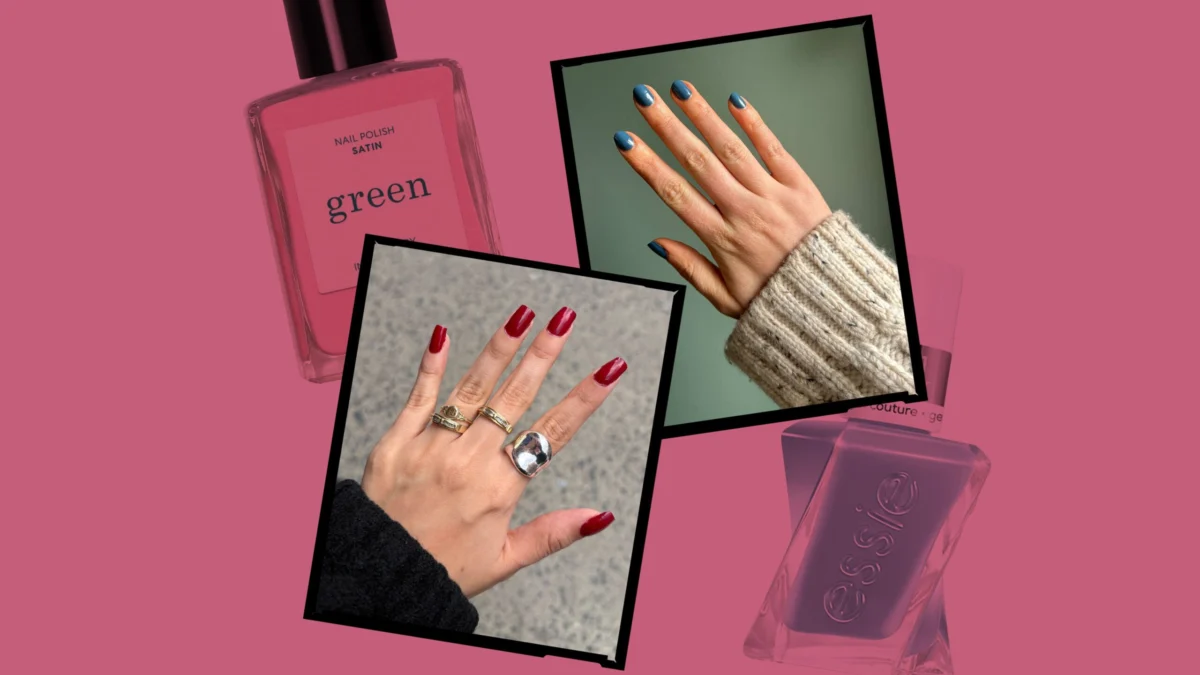
The quest for a flawless manicure that withstands the rigors of daily life is a persistent challenge for many. While vibrant colors and glossy finishes are desirable, the frustration of chipped or peeling polish after just a few days is a common complaint. Nail care experts are shedding light on the underlying reasons for these common manicure woes, offering practical advice and scientific explanations to help consumers achieve longer-lasting and faster-drying results. This in-depth look delves into the factors influencing nail polish durability and drying speed, drawing on the knowledge of seasoned nail artists and dermatologists.
The Anatomy of a Peeling Manicure: Beyond the Polish
The observation that nail polish begins to lift or peel within days of application can often lead to an assumption that the polish itself is at fault. However, industry professionals suggest a more nuanced understanding, pointing to the inherent characteristics of the natural nail as a significant contributing factor. According to Dr. Anya Voloshyna, a prominent dermatologist specializing in nail health, the flexibility and softness of an individual’s natural nails can directly impact polish adherence. "A very soft or flexible natural nail," Dr. Voloshyna explains, "when it bends, the layer of polish can crack or separate more quickly." This bending and flexing can create micro-fractures within the polish layers, leading to premature lifting. Furthermore, the free edge of the nail, the part that extends beyond the fingertip, is particularly susceptible. Any chipping or peeling at these tips can readily pull polish away from the nail bed.
Beyond the nail’s natural structure, environmental and behavioral factors play a crucial role. Frequent exposure to water can weaken the bond between the polish and the nail. This is especially true if nails are submerged for extended periods, as water can penetrate the nail plate and the polish layers, causing them to swell and contract, thus compromising adhesion. Additionally, using nails as tools – whether for opening packages, scraping surfaces, or picking at objects – exerts undue stress on the free edge and the polish itself, accelerating wear and tear.
The Crucial Role of Nail Preparation
Before even considering the polish itself, nail artists emphasize the paramount importance of meticulous preparation. Sarah Swan, a renowned nail technician with over a decade of experience, highlights that any residual substances on the nail plate can act as a barrier, preventing proper adhesion. "Lingering oil, lotion, moisture, or cuticle on the nail plate can prevent polish from adhering properly," Swan states. This means that even the most high-quality polish will struggle to maintain its integrity if applied over an inadequately cleaned surface.
The application technique also contributes to longevity. Swan cautions against the temptation to apply thick, heavy coats of polish. "Two thin coats are always better than one heavy coat," she advises. Thicker layers take longer to dry, increasing the likelihood of smudging and creating a less durable finish. They can also trap moisture, leading to a weaker bond. For optimal results, Swan recommends starting with nails that are completely clean and dry. It is also advisable to avoid painting nails immediately after prolonged water exposure, as the nails will be temporarily softened. Crucially, polish should be kept away from the surrounding skin and cuticles. Excess polish around the nail bed can lift and peel, taking the polish on the nail with it. Utilizing tools like an orange stick to carefully remove any stray polish from the skin and cuticle area is a small step that significantly enhances the lifespan of a manicure.
Accelerating the Drying Process: Science and Strategy
The extended drying time associated with traditional nail polish is a common source of impatience and smudged manicures. Fortunately, modern nail care offers several effective solutions to expedite this process, allowing individuals to resume their daily activities with greater confidence. Beauty experts confirm that a variety of products and techniques can significantly reduce drying time.
Dr. Isabella De Los Santos, a cosmetic chemist and nail product developer, points to specialized products designed for this purpose. "There are quick-dry sprays and drying drops that can help speed up the drying process," she notes. These products often contain fast-evaporating solvents that displace the slower-evaporating solvents in the nail polish, thereby accelerating the solidifying of the polish film. De Los Santos is also a proponent of quick-dry topcoats. These formulations not only help to speed up the drying of the underlying color coats but also impart a high-gloss finish, mimicking the look of a freshly painted manicure.
Beyond product selection, application technique plays a vital role in drying efficiency. De Los Santos reiterates the advice regarding thin coats. "Applying thin, even coats rather than thick layers doesn’t just help prevent cracks or chipping, but it also allows each layer of polish to dry more efficiently and can help cut down on your overall drying time," she explains. This principle is rooted in the physics of evaporation. A thinner film of liquid has a larger surface area relative to its volume, allowing for more rapid evaporation of solvents. Therefore, maintaining thin, consistent layers and utilizing a quick-dry topcoat are key strategies for minimizing the dreaded waiting period.
Maximizing Manicure Longevity: A Multi-Faceted Approach
Achieving a nail polish manicure that endures for an extended period requires a strategic approach that encompasses preparation, application, and product selection. Experts agree that the foundation of a long-lasting manicure is laid long before the color is applied.
Zahra Belakhlef, a leading nail care consultant, emphasizes adherence to product-specific instructions, particularly when using advanced systems like gel polish. "Always follow the directions of the system you are using," she advises. For gel polish, this includes ensuring compatibility between the gel lamp and the specific products to avoid under-curing, which can not only compromise durability but also lead to skin irritation. Belakhlef also warns against excessive buffing of the nail plate. "Do not over-buff your nail plate as the damage will also affect your nail’s ability to hold the polish in place," she states. Over-buffing can thin the nail and remove the natural oils that contribute to adhesion.
Elle Gerstein, a celebrated New York City-based nail artist, underscores the critical importance of a pristine nail surface. "Ensuring your nails are clean of dirt, lint, and oil is key for a long-lasting, smooth finish," Gerstein asserts. She recommends a thorough cleansing routine akin to facial cleansing. "Begin by scrubbing your nails with an antibacterial soap and think of it like washing your face—be thorough," she suggests. After allowing the nails to dry completely, Gerstein advises using isopropyl alcohol (75% or higher concentration) to cleanse the nail plate. This step acts as an astringent, effectively removing any residual dust, oils, and debris. "This will create a flawless, ultra-glossy, long-lasting, and fast-drying manicure," she promises. Gerstein also cautions against using acetone-based nail polish removers for this cleansing step. Acetone, she explains, can leave a residue on the nail that hinders polish adhesion and drying, effectively creating a slippery, oily surface that prevents the polish from bonding properly.
The Power of Base and Top Coats
The role of base and top coats in extending manicure life cannot be overstated. Gerstein highlights the importance of a base coat with a "sticky, rubbery base." This type of formulation creates a stronger bond with the nail plate and the subsequent layers of polish, effectively latching the color onto the nail for enhanced durability. She specifically recommends products like Orly’s Bonder Rubberized Base Coat for its adhesive properties.
Following the color application, a robust top coat provides a crucial protective layer. Gerstein advocates for top coats that offer both shine and protection against scuffing and chipping. The CND Vinylux Long Wear Top Coat is cited as an example of a product that delivers an ultra-shiny finish and acts as a formidable barrier against daily wear and tear. The combination of a well-formulated base coat to ensure adherence and a durable top coat to seal and protect the color creates a formidable defense against premature manicure failure.
Expert Insights and Product Recommendations
The consensus among nail care professionals is that a combination of proper nail preparation, careful application techniques, and the strategic use of high-quality base and top coats are the cornerstones of a long-lasting manicure. The market offers a plethora of products designed to enhance both the longevity and drying speed of nail polish. Consumers are encouraged to explore options such as quick-dry sprays, drying drops, and specialized base and top coats, such as those recommended by industry leaders like Orly and CND Vinylux.
The insights provided by dermatologists and experienced nail artists underscore that achieving salon-quality results at home is attainable with the right knowledge and tools. By understanding the science behind nail polish adhesion and drying, and by implementing the expert-recommended strategies, individuals can significantly improve the lifespan and appearance of their manicures, transforming a common frustration into a source of lasting pride. The journey to a perfect manicure, it appears, begins with a clean slate and ends with a protective seal, with meticulous application bridging the gap.
