
 By Jia Lissa
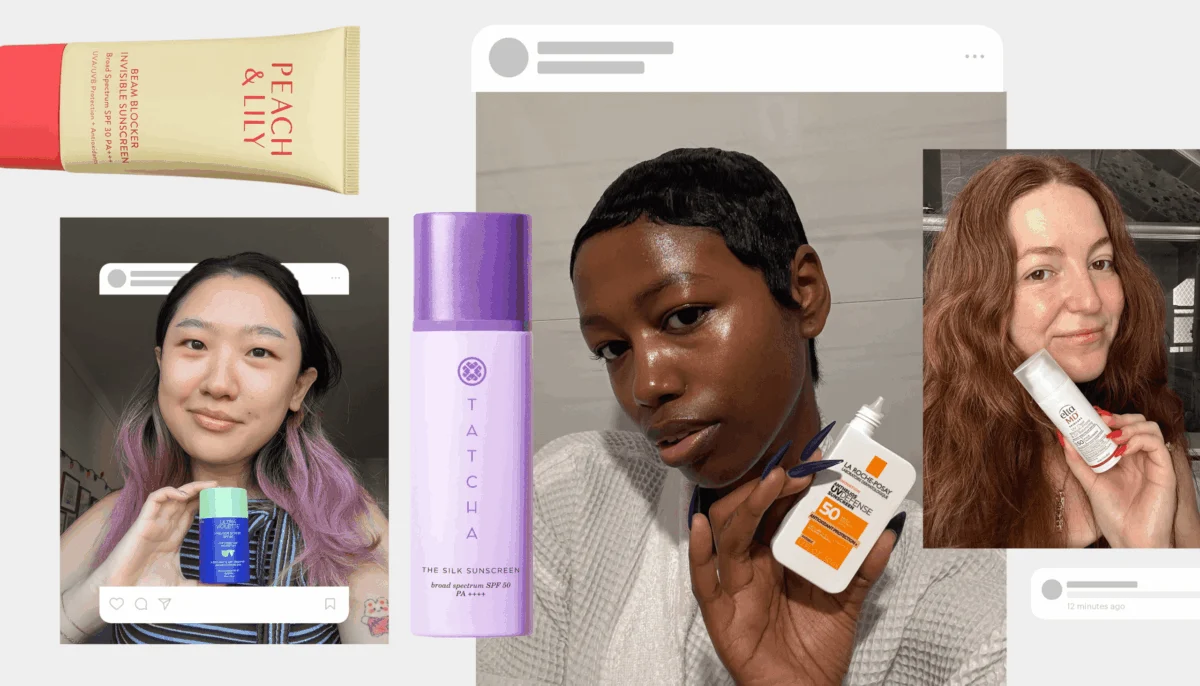
As the sun’s rays become more potent and awareness of skin health escalates, the role of sunscreen in daily skincare routines has never been more critical. Dermatologists consistently advocate for the daily application of broad-spectrum sunscreen with a minimum SPF of 30, with reapplication every two hours, to shield the skin from the damaging effects of UVA and UVB radiation. Prolonged exposure to these rays can lead to a spectrum of long-term skin concerns, including the development of sun spots, premature skin sagging, the exacerbation of fine lines and wrinkles, and significantly, an increased risk of skin cancer. UVA rays, in particular, penetrate deeper into the skin than UVB rays, posing a greater threat for more aggressive forms of skin cancer, such as melanoma.
Understanding Sun Protection Factor (SPF) is fundamental to effective sun protection. SPF is a measure of how well a sunscreen protects against UVB rays, the primary cause of sunburn. An SPF of 30 blocks approximately 97% of UVB rays, while SPF 50 offers about 98% protection. Even a small difference, like that between SPF 15 (93% protection) and SPF 30, underscores the importance of opting for higher protection levels. The scientific evidence is unequivocal: consistent application and reapplication of sunscreen are paramount to minimizing the adverse effects of sun exposure, thereby reducing the risk of developing skin cancer.
The Science Behind Sunscreen: Mineral vs. Chemical Formulations
The vast array of sunscreen products available can make choosing the right one a daunting task, especially when considering individual skin types and tones. The fundamental distinction lies in their active ingredients and their mechanisms of action: mineral and chemical sunscreens.
Mineral Sunscreens: The Physical Barrier
Mineral sunscreens, often referred to as physical sunscreens, utilize zinc oxide and/or titanium dioxide as their active ingredients. These minerals work by creating a physical barrier on the skin’s surface that reflects ultraviolet (UV) rays away before they can penetrate the skin cells. This method of protection is often favored by individuals with sensitive skin or those prone to conditions like rosacea or eczema, as the ingredients are generally less likely to cause irritation. Dermatologists like Loretta Ciraldo, MD, a Miami-based board-certified dermatologist, explain that these ingredients physically block the sun’s rays. Historically, mineral sunscreens were known for leaving a noticeable white or gray cast on the skin, which could be particularly challenging for individuals with deeper skin tones. However, advancements in formulation technology have led to the development of micronized and nanoparticle versions of these minerals, which are less visible and blend more seamlessly into the skin.
Chemical Sunscreens: Absorbing and Neutralizing UV Radiation
In contrast, chemical sunscreens employ organic compounds that absorb UV radiation. Once absorbed, these chemicals convert the UV rays into heat, which is then released from the skin. This process is akin to the skin absorbing the rays and then dissipating them as heat. Chemical sunscreens are often preferred by those seeking a lighter texture, more akin to a serum or moisturizer, and are less likely to leave a visible residue. Popular chemical filters include avobenzone, homosalate, octocrylene, and octisalate. These ingredients are effective at absorbing both UVA and UVB rays.
A notable advancement in this category is the recent FDA approval of bemotrizinol, also known as BEMT. This marks the first new sunscreen filter to receive the green light from the FDA in over 25 years. BEMT offers comprehensive protection against both UVA and UVB rays and is lauded for its potential to improve the cosmetic feel of sunscreens. Cosmetic chemists like Kelly Dobos have highlighted that BEMT allows for the creation of lighter, less greasy formulations that are also transparent on the skin, eliminating concerns about white cast. This innovation promises to make daily sunscreen application more appealing and accessible to a wider range of consumers.
Furthermore, the market now features hybrid sunscreens, which combine both mineral and chemical filters. This approach aims to leverage the benefits of both types of protection, offering a robust defense against UV damage while potentially providing a more desirable texture and finish.
The Evolution of Sunscreen Testing and Review at Allure
At Allure, the process of testing and reviewing beauty products, including sunscreens, is rigorous and multifaceted. The editorial team scrutinizes product ingredients, evaluates brand claims against scientific literature, and, where necessary, examines peer-reviewed studies to ensure the efficacy and safety of the products featured. Beyond laboratory analysis, Allure relies heavily on the expertise of leading professionals in dermatology, cosmetic chemistry, and medicine. These experts play a crucial role in vetting ingredients and formulations, ensuring that the recommendations provided are grounded in scientific understanding and clinical experience.
For the evaluation of the best face sunscreens, Allure employs a comprehensive testing methodology that assesses products across five key categories: ingredient efficacy, packaging, fragrance, texture, and overall wear experience. Every product undergoes thorough testing by the editorial team, which comprises in-house writers and editors, as well as external contributors. Crucially, this process also incorporates the insights of board-certified dermatologists, providing a well-rounded assessment from both a consumer and a medical perspective. This commitment to a detailed review process is further elaborated on Allure‘s dedicated reviews process and methodology page, offering transparency to readers.
A Commitment to Inclusivity: Diverse Staff and Testers
Allure‘s dedication to providing accurate and trustworthy recommendations extends to its commitment to inclusivity in its testing and review panels. The publication recognizes that beauty products are deeply personal purchases, and what works for one individual may not be suitable for another. To ensure that all recommendations resonate with a broad audience, Allure deliberately cultivates a diverse team of writers and editors, supplemented by a wide range of outside testers and industry experts.
This diverse staff spans a variety of ages, skin tones, hair textures, genders, and backgrounds. This demographic breadth is considered essential for fairly assessing the efficacy and suitability of any beauty product. For instance, the publication questions the validity of deeming a skincare product "best" for individuals over 50 if the testing panel consists solely of individuals under 30. Similarly, a high-end hair tool cannot be genuinely recommended without being tested on diverse hair types, such as curls. Allure takes pride in its staff’s diverse representation, enabling the magazine to provide objective and relatable assessments of all beauty products that enter its editorial review process. This ensures that the advice offered is not only scientifically sound but also practical and applicable to a wide spectrum of consumers.
The Broader Impact: Sunscreen and Public Health
The consistent emphasis on sunscreen use by dermatologists and beauty publications like Allure reflects a growing public health imperative. Skin cancer is one of the most common forms of cancer globally, with rates continuing to rise in many regions. The World Health Organization (WHO) estimates that there are over 3.5 million cases of skin cancer diagnosed annually worldwide, and over 10,000 deaths are attributed to melanoma each year in the United States alone. These statistics underscore the critical need for preventative measures, with sunscreen being a cornerstone of skin cancer prevention strategies.
Beyond cancer prevention, regular sunscreen use plays a vital role in maintaining skin health and appearance over time. The cumulative effects of UV exposure contribute significantly to photoaging, a process characterized by wrinkles, loss of skin elasticity, and hyperpigmentation. By protecting the skin from these damaging rays, sunscreen helps to preserve a more youthful and radiant complexion, contributing to an individual’s overall well-being and confidence.
The development and widespread availability of effective sunscreen formulations, including the recent advancements with ingredients like bemotrizinol, are significant steps forward in making sun protection more accessible and appealing. As research continues and consumer awareness grows, the proactive use of sunscreen is poised to become an even more integrated and essential component of everyday life, leading to a tangible reduction in skin cancer incidence and the promotion of healthier skin for generations to come. The ongoing dialogue between medical professionals, cosmetic scientists, and media outlets like Allure is instrumental in disseminating this vital information and encouraging widespread adoption of protective behaviors.
