
 By admin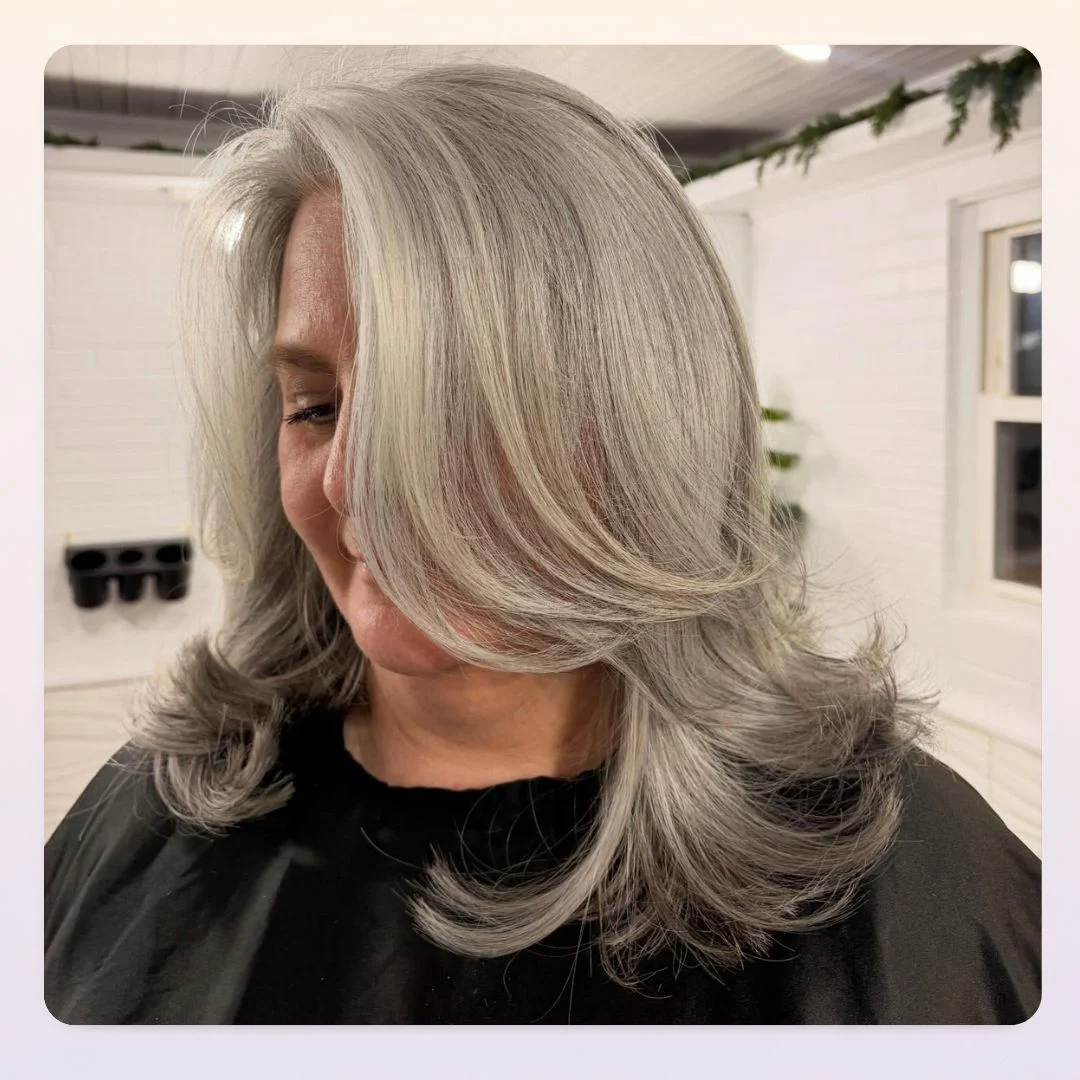
Hair changes with age, and your hairstyle should too. It’s a sentiment echoed by stylists and women alike as they navigate the evolving landscape of their hair after 50. What once worked effortlessly at 30 may feel less suited to the realities of hair at 60. This shift is not a cause for concern but rather an opportunity to adapt and embrace styles that enhance one’s current hair texture, thickness, and natural growth patterns. Understanding these transformations is key to selecting a cut that feels right, avoiding months of regret for a style that doesn’t align with present-day hair characteristics.
The journey through hair transformation after 50 is a common experience, marked by noticeable changes in hair growth, strand density, and texture. These alterations are not merely cosmetic but are often rooted in physiological shifts, primarily hormonal changes associated with menopause. As estrogen and progesterone levels decline, the hair follicle’s growth cycle can be affected, leading to a shorter growth phase and potentially finer, less dense hair. This scientific understanding underscores why older approaches to hairstyling may no longer yield the desired results. The challenge, therefore, lies not in a lack of stylish options but in discerning which styles genuinely complement the hair one possesses today.

The Right Hairstyle: Adapting to Age-Related Hair Changes
The notion that hair’s behavior changes with age is a widely acknowledged phenomenon. As women transition through their 50s and beyond, they often observe a reduction in hair volume, a widening of the part, and a need for more effort in styling. These observations are supported by scientific research into the effects of menopause on hair. A study examining menopause-related changes in the hair follicle highlights the direct link between a drop in estrogen and progesterone and alterations in the hair’s growth phase. This can manifest as diffuse thinning or a more prominent parting, as noted in the research.
Beyond thinning, individual hair strands often become finer, and growth rates slow down, meaning a less-than-ideal haircut can take longer to grow out. The tactile experience of hair also shifts; it can become drier and more fragile, and curl patterns may loosen or become unpredictable. Furthermore, the emergence of coarser gray strands can create a varied texture across the scalp, blending softer sections with more wiry ones. This complex interplay of factors means that hairstyles that were once flattering may no longer achieve the same effect. Androgenetic alopecia, a common form of hair thinning in women, affects approximately half of women, often through gradual follicle shrinkage. This research reinforces the idea that hair over 50 doesn’t respond to the same cuts as it did in younger years, making a thoughtful approach to hairstyling essential.

The disclaimer provided is crucial: while this guide offers styling advice, sudden or uneven hair thinning warrants a professional dermatological evaluation. The focus here is on aesthetic adaptation rather than medical concerns.
Four Pillars of Hairstyle Selection After 60
Navigating the plethora of hairstyle inspiration can be overwhelming. A more effective approach involves a systematic evaluation of four key factors that should guide the decision-making process. These elements provide a framework for choosing a hairstyle that is not only visually appealing but also practical and well-suited to an individual’s current needs and circumstances.

- Face Shape Evolution
The contours of the face can change over time. Features may soften and sag, altering the way a hairstyle frames the face. Therefore, it’s important to re-evaluate one’s face shape with fresh eyes. Resources like face shape hairstyle guides can be invaluable. For instance, oval faces are versatile, accommodating a wide range of styles. Round faces often benefit from styles that add height or angles, creating a more elongated appearance. Square faces can be softened with strategic layering, while heart-shaped faces often look their best with chin-length cuts. Longer faces typically require styles that introduce width. Even minor adjustments in length or layering can significantly impact the overall perception of one’s facial features.
- Current Hair Texture and Thickness
A critical aspect of choosing a suitable hairstyle is understanding the hair’s current state. For thinning hair, shorter cuts are not always the optimal solution. In some cases, chin-length styles with a defined outline can be remarkably flattering for women over 60 with fine hair. Fine hair requires cuts that incorporate shape and intention, rather than relying solely on styling techniques. Conversely, dense, coarse gray hair can sometimes appear bulky without proper shaping, while natural texture can be leveraged to add volume and lift when a cut is designed to work with it. Listening to what the hair "can handle" is paramount.
- Lifestyle and Maintenance Realities
The amount of time one is willing and able to dedicate to hair care daily is a significant consideration. A realistic assessment of one’s routine is more important than any aspirational image. Low-maintenance haircuts for women over 60 should align with their lifestyle. Very short styles may necessitate frequent trims to maintain their shape, while mid-length styles often require some daily styling. Longer hair generally demands more overall care. For those seeking truly wash-and-wear options, factors like climate and activity level also play a role. A haircut should integrate seamlessly into one’s day, not become a burdensome chore.

- Defining the Goal: Refresh, Transform, or Simplify
Before committing to a new look, it’s beneficial to clarify the desired outcome. Is the goal a subtle refresh that refines an existing shape? Or is it a more significant transformation that alters the entire aesthetic? If simplicity is the primary objective, the focus should be on ease of care and minimal styling. Each of these goals can lead to different, flattering hairstyles for older women, making the stylist-hair relationship more productive when intentions are clear.
Tailored Hairstyle Recommendations for the Modern Woman
Once the foundational questions are addressed, specific hairstyle categories emerge as particularly well-suited for women over 60, aligning with their individual hair characteristics and lifestyle needs.

The Textured Pixie: Ideal for Fine/Thin Hair, Low Maintenance, and Round/Oval Faces. A pixie cut can strategically add lift where hair tends to fall flat. Its short length reduces weight, preventing hair from collapsing against the scalp. Texture is paramount in short styles; choppy layers create movement and prevent the cut from appearing harsh. This is a prime example of a short haircut for older women that suits limited styling time. While a flat pixie can look lifeless, a textured version appears current and effortless.
The Layered Bob: Suitable for Thin Hair, Moderate Maintenance, and All Face Shapes. The layered bob is a perennial favorite for good reason. Its versatility in length, from chin-grazing to just below the shoulders, offers significant flexibility. For thin hair, layers are expertly used to build shape and mitigate the "see-through" effect at the ends. Face-framing layers add softness around the cheeks and jawline. This style can be worn straight or with a slight wave, adapting easily to various routines without demanding constant upkeep.
The Feathered Lob: Best for Medium Texture, Heart/Long Faces, and Those Willing to Style. For those who prefer some length but desire definition, a feathered lob offers a beautiful solution. Soft layers provide lift and balance, particularly beneficial for longer or slimmer face shapes. It retains the option of being tied back while gently framing the face. This style is highly flattering for older women due to its natural movement and manageable styling requirements.

The Blunt Bob: Excellent for Fine Hair Needing Density and Square/Oval Faces. A blunt edge can surprisingly enhance the appearance of density in fine hair. This option is a strong contender for the best haircut for fine hair over 60. Maintaining crisp ends and resisting excessive layering is key, as a strong, blunt line can give hair more presence than multiple layers, which can sometimes detract from volume. Many women find their blunt bobs appear fuller than any layered style they’ve previously tried.
The Soft Crop: Recommended for Very Thin/Thinning Hair, Minimal Maintenance, and All Face Shapes. When hair becomes quite sparse, softer, shorter shapes tend to be the most forgiving. A soft crop utilizes light texture and a close length to create a gentle silhouette. It complements natural gray hair and minimizes styling time. It stands out as a practical and comfortable choice among haircuts for women over 60 with thin hair.
Natural Waves with Layers: Ideal for Wavy/Curly Texture, Longer Styles, and Round Faces. If natural wave is present, it can be a significant asset. Medium layers can reduce bulk and help curls form a more cohesive shape. The length can be maintained if the cut is balanced. This style is popular among younger-looking haircuts for seniors because the hair’s natural movement contributes to lift and volume. With a touch of product and air-drying, a good hair day is often achievable.

Visualizing Your Next Hairstyle: A Modern Approach
The process of selecting a new hairstyle has been revolutionized by digital tools. Instead of relying solely on celebrity photos, which may not translate to individual features, virtual try-on technologies offer a personalized preview. A hairstyle quiz, designed to mirror the key considerations discussed earlier – age, texture, thickness, face shape, hair condition, and daily routine – can provide tailored recommendations. These AI-powered tools suggest styles that genuinely match an individual’s current hair profile, not just trending looks.
Following the quiz, users can upload a selfie and utilize a virtual hairstyle try-on feature. This allows for rapid comparison of different cuts on one’s own face, typically within seconds per preview. This technology has been met with significant relief from users, as seeing a style on their own features makes the decision-making process considerably more straightforward. Such platforms, with years of development and positive user feedback, offer a reliable method for narrowing down choices. Mobile applications further enhance convenience, allowing users to preview styles on the go and save images to share with their stylists.

Communicating Effectively with Your Stylist
A successful salon visit begins with preparation. Beyond bringing a celebrity photo, providing a screenshot from a virtual try-on tool offers a realistic visual based on one’s own face and proportions. Honesty about the hair’s condition – be it thinning at the crown or losing volume throughout the day – is crucial for the stylist to understand the context. Inquiring about maintenance, frequency of trims, and the grow-out process ensures realistic expectations. While no digital tool can replace the expertise of a skilled stylist who can physically assess hair, these visual aids and clear communication significantly reduce guesswork and potential misunderstandings.
Common Pitfalls to Avoid

Several common mistakes can hinder the process of finding a suitable hairstyle after 60:
- Ignoring Hair Texture Changes: Assuming current hair will behave like it did in younger years.
- Over-Reliance on Trends: Choosing a style simply because it’s popular, without considering personal suitability.
- Fear of Change: Sticking to an outdated style out of comfort or apprehension.
- Underestimating Maintenance: Opting for a style that requires more upkeep than one’s lifestyle allows.
- Not Consulting a Professional: Failing to leverage a stylist’s expertise in translating desired looks to individual hair types.
Frequently Asked Questions About Hairstyles for Women Over 60
What is the most flattering haircut for a woman over 60 with thinning hair?
Styles that create shape and movement, such as a layered bob, textured pixie, or soft shag, can make thinning hair appear fuller and more voluminous.

How do I know what hairstyle suits my face shape after 60?
Balancing facial features is key. For round faces, adding height can be beneficial, while layers can soften angular features. A stylist can offer personalized advice based on current proportions.
Is there a hairstyle try-on tool for older women?
Yes, several online platforms and mobile apps offer virtual hairstyle try-on features and quizzes specifically designed for older women, allowing them to preview styles on their own photos.
Should older women always wear short hair?
This is a misconception. The ideal length depends on personal preference, hair condition, and lifestyle. A well-shaped cut at any length can be flattering when it complements natural texture and daily routines.

How often should women over 60 get haircuts?
Typically, trims every four to eight weeks are recommended to maintain the shape of most styles. Shorter cuts, in particular, may require more frequent upkeep.
Can I preview how gray hair would look with a new cut?
Many virtual try-on tools allow for color simulations, enabling users to see how gray hair would complement different cuts, lengths, and shapes before visiting the salon.
Embracing the opportunity to find a hairstyle that truly suits one’s current hair and lifestyle can be empowering. By understanding the physiological changes that affect hair and utilizing modern tools for visualization and communication, women over 60 can confidently select cuts that enhance their natural beauty and fit seamlessly into their lives. The journey of hair evolution is an invitation to discover new possibilities and embrace a refreshed, confident look.
