
 By admin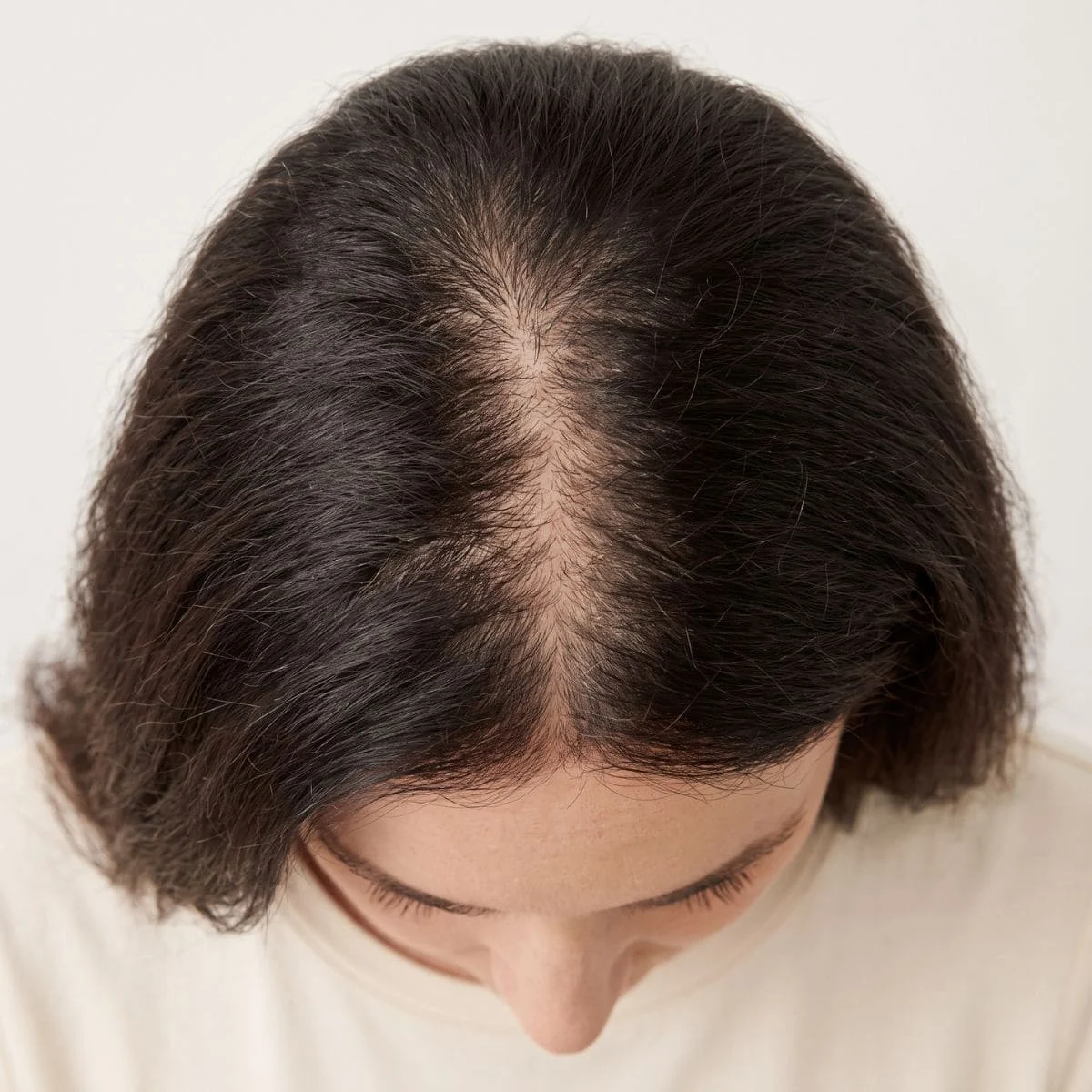
The landscape of hair care undergoes a significant transformation in one’s forties, marked by a series of hormonal shifts that impact hair density, texture, and overall growth. This critical decade necessitates a strategic reevaluation of existing routines, moving beyond the products and practices that may have sufficed in previous years. As estrogen levels begin to decline, a natural precursor to menopause, the hair growth cycle slows, and hair follicles become more sensitive to androgen fluctuations. This biological recalibration often results in thinner-feeling strands, a drier scalp, and a noticeable reduction in hair density, particularly along the hairline and part. Understanding these changes is the first step towards rebuilding a hair care regimen that actively supports and rejuvenates hair health during this pivotal life stage.
The Science Behind Midlife Hair Changes
The physiological shifts experienced in the forties are well-documented, with hair density being a prominent area of impact. Research indicates a gradual decline in hair density with age, with women often noticing the most significant changes in their mid-forties, even preceding the onset of menopause. This decline is attributed to several factors: a reduced rate of hair growth, a smaller percentage of hair follicles actively engaged in the growth phase, and a decrease in hair shaft diameter. These cumulative effects can transform a once-fuller-looking part into one that appears noticeably wider, even in the absence of substantial hair loss.
The hormonal influence is particularly potent. The natural decrease in estrogen production as women approach menopause leads to a relative increase in androgens. Hair follicles, being responsive to hormonal signals, are directly affected by this shift. This hormonal imbalance can manifest as finer hair strands, increased scalp dryness, and a prolonged recovery period for hair after trimming. Some individuals may also experience increased shedding, a change in hair texture—ranging from increased frizz to a straighter appearance—and the emergence of fine facial hair around the same time.
Stylist Insight: "Many women in their forties notice their part looking wider," explains [Fictional Stylist Name], a renowned stylist specializing in mature hair. "A simple yet effective strategy is to transition from a sharp center part to a softer, swept side part. This technique instantly camouflages thinning at the root without requiring a drastic change to your overall hairstyle."
Reconstructing Your Hair Care Ritual for Your Forties
The approach to hair care in the forties should prioritize efficacy and targeted treatment over sheer volume of products. The mantra shifts from "more is better" to "smarter is better." This entails minimizing harsh treatments, amplifying scalp-centric care, and selecting ingredients specifically formulated to address the nuances of thinning strands.

Optimizing Washing Habits: Less is More, Smarter is Key
The frequency of washing hair often needs adjustment in the forties. Daily shampooing can strip the scalp of its natural oils, which are already being produced at a slower rate. For most hair types, washing two to three times per week is generally sufficient. When washing, opt for sulfate-free shampoos designed to cleanse the scalp rather than solely focusing on the ends. Follow with a lightweight conditioner, applying it from the mid-shaft to the ends to avoid weighing down the hair at the crown, which can exacerbate the appearance of thinning.
Elevating Scalp Care: Treat it Like Your Skin
A healthy scalp is the bedrock of healthy hair. In the forties, the scalp’s natural oil production and cell turnover rates tend to slow down. Incorporating a weekly scalp scrub or exfoliating treatment can effectively remove product buildup and dead skin cells, creating an optimal environment for hair growth. Following this with a leave-in scalp serum containing beneficial ingredients like peptides or niacinamide can further support follicle health and promote a more robust growth cycle.
Fortifying Against Environmental Stressors: Heat and Sun Protection
Finer hair strands are more susceptible to damage from heat styling and environmental factors. It is crucial to limit the temperature of hot tools to below 350°F (175°C) and to always apply a heat protectant spray before styling. Ultraviolet (UV) radiation from the sun can degrade hair protein over time, weakening the hair shaft. For individuals who spend significant time outdoors or have color-treated hair, a leave-in product with UV filters can provide essential protection.
Essential Ingredients for a Forties Hair Care Arsenal
The market is saturated with "anti-aging" hair products, but not all claims are substantiated by scientific evidence. The following ingredients have demonstrated tangible benefits for hair in the forties and beyond:
| Ingredient | Function | Typical Product Placement |
|---|---|---|
| Topical Minoxidil | Stimulates hair growth, slows shedding | Scalp serums and foams, applied directly to the scalp |
| Peptides | Strengthens hair follicles, enhances density | Leave-in scalp treatments and serums |
| Niacinamide | Soothes scalp irritation, strengthens skin barrier | Scalp serums, some shampoos |
| Bond-Building Treatments | Reconstructs internal hair structure, repairs damage | At-home masks, professional salon treatments |
| Lightweight Silicones/Oils | Adds slip and shine without heaviness | Leave-in conditioners, hair oils |
Evaluating the Efficacy of Topical Minoxidil
For individuals experiencing shedding that extends beyond what can be managed with routine adjustments, topical minoxidil stands out as a well-researched option. A comprehensive 48-week clinical trial involving 381 women with female pattern hair loss revealed that a 5% topical minoxidil formulation significantly outperformed both a 2% minoxidil solution and a placebo in terms of hair count and visible scalp coverage. It is important to note that minoxidil is not an immediate solution; consistent daily application for three to six months is typically required to observe noticeable results, and these benefits are maintained only with continued use.
Before committing to long-term treatments, consulting with a dermatologist or trichologist is highly recommended. These professionals can identify underlying causes of shedding, such as thyroid issues or iron deficiency, which may require separate medical intervention. Hair loss in the forties is not exclusively hormonal, and a thorough diagnosis ensures the most effective treatment plan.

Strategic Cuts and Color to Complement Evolving Hair
The right haircut can dramatically enhance the appearance of hair density, often surpassing the impact of topical products. Layers strategically placed to begin above the shoulder can create lift at the crown, while a soft, rounded silhouette naturally appears fuller than a blunt, heavy cut. Styles that embrace shorter lengths and face-framing elements are particularly flattering. For those exploring new hairstyles, a review of popular cuts for women over forty offers a strong foundation, with many styles seamlessly transitioning into the next decade.
Hair color also plays a vital role in creating the illusion of volume. Flat, uniform color can make thinning hair appear even more sparse. Conversely, incorporating dimension through techniques like babylights or a face-framing balayage can visually trick the eye into perceiving greater fullness. As gray hairs begin to emerge, a subtle gray blending technique offers a more graceful transition than a stark, single-process color. For those embracing their natural gray, a spectrum of versatile and sophisticated hairstyles exists to highlight the beauty of this shade.
Common Hair Care Misconceptions in the Forties:
-
Myth: Cutting hair short makes it look thinner.
Reality: Shorter, blunt cuts often appear fuller than long hair. Long ends are the oldest and most damaged parts of the strand, leading to limpness. Shoulder-length or shorter styles carry less weight per strand, allowing for more natural bounce and body. -
Myth: Stop coloring hair once it thins.
Reality: Hair color itself does not cause thinning. The primary risk lies in over-processing fragile strands with frequent bleaching or high-lift color applications. Spacing out salon visits and opting for gentler formulas can protect hair density more effectively than avoiding color altogether. -
Myth: Brushing less conserves hair that is already shedding.
Reality: Gentle, daily brushing with a wide-tooth comb or a boar-bristle brush helps distribute natural oils and stimulates the scalp. Neglecting brushing can lead to tangles and product buildup, rather than preserving hair.
Communicating with Your Stylist
Open and precise communication with your hairstylist is paramount. Instead of a general request for "healthier hair," articulate specific concerns such as "my part is wider" or "my hair feels thinner at the crown." When discussing cuts, request internal layers rather than heavy thinning shears, which can create gaps in finer hair. For color services, inquire about formulas using lower-volume developers if your hair has become more fragile.
Frequently Asked Questions About Forties Hair Care
-
Does hair significantly change in one’s forties?
Yes, hormonal shifts, particularly the decline in estrogen, lead to slower hair growth, finer strands, and potentially increased shedding. These changes are often gradual but can become noticeable over time. -
What is the most common hair care mistake for women in their forties?
Continuing with hair care routines established in their twenties and thirties. Heavier shampoos, infrequent scalp care, and neglecting heat protection can accelerate the effects of aging on finer, slower-growing hair. -
Can diet impact hair thinning at this age?
Diet can play a role. Deficiencies in iron, protein, and certain vitamins are linked to increased shedding. A blood panel can help identify if nutritional factors are contributing to hair thinning. -
Should I switch shampoos in my forties?
Often, yes. A sulfate-free shampoo focused on scalp health is generally more beneficial than heavy moisturizing formulas that can weigh down finer strands without addressing the scalp. -
How long does it take to see results from a new hair care routine?
Allow at least three months for any new routine, including topical treatments like minoxidil or scalp serums, to demonstrate noticeable results. Hair growth occurs in cycles, and visible changes take time to manifest.
-
Is gray hair unavoidable in one’s forties?
While not universal, the emergence of noticeable gray hairs is common during this decade. Genetics are the primary determinant of the timeline for graying, far more so than hair care practices.
Ultimately, successful hair care in the forties hinges on adapting to the hair’s current needs rather than relying on past routines. Prioritizing scalp health, incorporating targeted, lightweight products, and maintaining open dialogue with hair professionals are key. Small, consistent adjustments to your regimen are far more impactful than any single "miracle" product.
Sources:
- [Insert citation for relevant scientific studies on hair aging and hormones, e.g., PubMed or academic journals.]
- [Insert citation for any specific product or ingredient research mentioned.]
Disclaimer: Individual hair results may vary based on natural hair type, texture, density, and condition. It is always advisable to consult with a licensed hairstylist or dermatologist before making significant changes to your hair care regimen, especially concerning chemical treatments or dramatic style alterations. Images may depict styled results that require professional tools and products to replicate.
