
 By admin
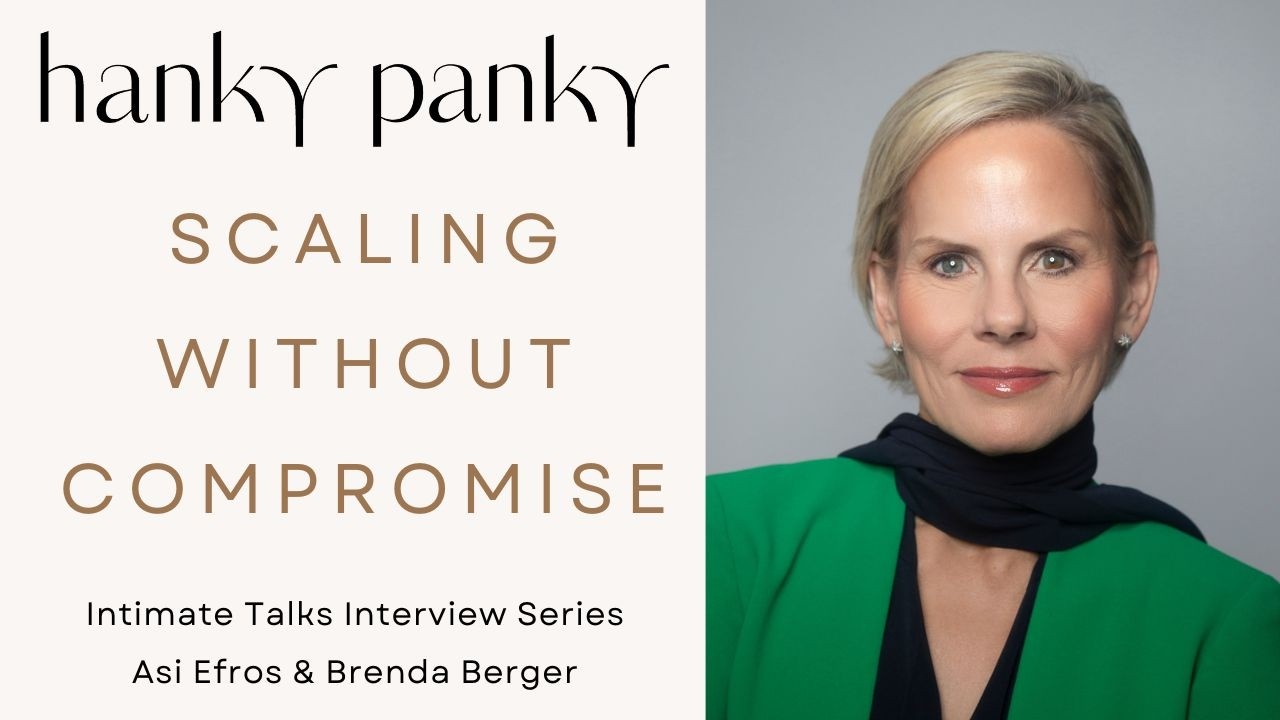
The trajectory of the American intimate apparel industry has been defined by a handful of brands that managed to transition from niche boutique offerings to household names. Among these, Hanky Panky stands as a singular case study in brand loyalty and manufacturing resilience. In a comprehensive retrospective on her tenure, former CEO Brenda Berger detailed the strategic maneuvers required to manage the brand’s explosive growth in the early 2000s, its subsequent navigation of a shifting retail landscape, and the drastic operational pivots necessitated by the COVID-19 pandemic. Her insights provide a roadmap for leadership during periods of both unprecedented demand and systemic crisis.
The 2004 Inflection Point: From Secret to Phenomenon
When Brenda Berger joined Hanky Panky in 2004, the company was at a critical crossroads. Transitioning from a career in the "affordable luxury" sector—representing European labels such as Moschino, Ghost, and Aida Barni—Berger recognized a unique value proposition in Hanky Panky. Unlike the high-barrier-to-entry luxury market, Hanky Panky offered a "democratic" product: a high-quality, comfortable, and accessible item that resonated with a broad demographic of women.

The brand’s "cult following" was thrust into the mainstream in June 2004, following a front-page feature in the Wall Street Journal. The article famously lauded the brand’s signature lace thong as "the world’s most comfortable," triggering a level of consumer demand that the company’s infrastructure was initially unprepared to handle. Berger recalls joining a company where the office environment was defined by the literal "hum" of sewing machines and a constant barrage of inquiries from retailers desperate for inventory.
At the time, the apparel industry was already seeing a massive shift toward offshore manufacturing. According to data from the American Apparel & Footwear Association, by the early 2000s, more than 90% of apparel sold in the U.S. was imported. Hanky Panky’s insistence on 100% NYC-based manufacturing was not just a brand pillar; it was a logistical anomaly that became its greatest marketing asset.
Strategic Scaling and the Power of Selective Growth
As the Sales Director and later a key executive, Berger’s primary challenge was scaling the business without diluting the brand’s integrity. In the fashion industry, rapid growth often leads to over-distribution, which can erode a brand’s premium status. Berger emphasizes that the strategy for Hanky Panky was as much about "no" as it was about "yes."
The company focused on high-tier multi-brand retailers and carefully vetted international distributors. By maintaining domestic production, the leadership team could oversee quality control on a daily basis—a luxury not afforded to competitors who had outsourced production to Asia. This proximity allowed for rapid prototyping and a highly responsive supply chain, which was essential for a brand built around a core product offered in a dizzying array of colors and prints.
By 2013, the brand had established a global footprint, yet it remained anchored in its New York roots. Berger’s departure in 2013 for a six-year hiatus in the Scandinavian corporate sector provided her with a fresh perspective on organizational culture and "People & Culture" initiatives, which would prove vital upon her return.
The 2019 Return: Reversing Decline in a Digital Era
When Berger returned to Hanky Panky in 2019 as co-CEO alongside co-founder Lida Orzeck, the brand faced a different set of challenges. The "intimates" market had become increasingly crowded with the rise of direct-to-consumer (DTC) giants like ThirdLove and the celebrity-backed disruption of brands like SKIMS. Hanky Panky, while still a staple in department stores, had entered a period of slight decline.

Berger’s mandate was clear: modernize the business model and reignite growth. This required a dual focus on:
- Direct-to-Consumer Expansion: Investing in digital marketing and e-commerce infrastructure to reduce reliance on wholesale partners.
- Product Expansion: Moving beyond the signature thong to capture a larger share of the "lifestyle" intimate market, including bralettes, sleepwear, and sustainable collections.
However, the strategic roadmap Berger laid out in late 2019 was almost immediately upended by the onset of the global pandemic in early 2020.
Crisis Management: The COVID-19 Pivot and the End of an Era
The pandemic presented an existential threat to Hanky Panky’s domestic manufacturing model. As New York City became the early epicenter of the virus in the United States, the state-mandated lockdowns forced the immediate closure of the company’s manufacturing facilities.

"We were forced to shut down for months," Berger noted, highlighting the vulnerability of a supply chain concentrated in a single high-risk geography. While consumer demand for comfortable "at-home" wear spiked during the lockdown, Hanky Panky found itself with no product to put on the shelves.
The crisis forced a fundamental shift in the company’s decades-old philosophy. To survive, Berger had to lead the transition to a "near-shore" production strategy. This involved moving manufacturing to regions that offered more stability during the pandemic while maintaining a closer proximity to the U.S. market than traditional Asian hubs. This decision was not merely logistical; it was a cultural upheaval for a company that had long championed "Made in the USA."
During this period, Berger’s role shifted from growth architect to crisis manager. She oversaw difficult layoffs, implemented safety protocols for remaining staff, and managed the delicate balance of maintaining brand loyalty while the very foundation of the brand’s production was being rebuilt.

Leadership Philosophy: Trust, Verification, and Emotional Regulation
Reflecting on her journey from Sales Director to CEO, Berger identifies the evolution of her leadership style. A central tenet of her philosophy is the distinction between "urgency" and "emergency." In a fast-paced retail environment, team members often operate in a state of constant high stress. Berger posits that a CEO’s primary function is to maintain a broader perspective and ensure that resources are connected to the right initiatives without matching the collective anxiety of the workforce.
Key takeaways from her leadership experience include:
- The Primacy of Culture: Berger’s first hire upon her return was a Head of People & Culture. She argues that in a company spanning from manual manufacturing to high-tech performance marketing, cross-cultural bridges are essential for alignment.
- KPI-Driven Management: "Trust, but verify" remains her mantra. Even the most talented teams require clear Key Performance Indicators (KPIs) and robust reporting systems to ensure that effort translates into results.
- Decisive Judgment: In times of crisis, the pressure to act quickly can override sound judgment. Berger’s experience with the 2020 supply chain collapse taught her that while speed is necessary, it must be governed by a long-term strategic vision.
Broader Impact and the Future of Domestic Intimates
The story of Hanky Panky under Brenda Berger’s leadership reflects broader trends in the $70 billion global lingerie market. The industry has moved away from the highly sexualized marketing of the 1990s and early 2000s toward a focus on comfort, inclusivity, and durability. Hanky Panky’s success was a precursor to this shift; the brand was selling comfort long before it was a "trend."

Furthermore, the brand’s transition to near-shoring highlights the ongoing challenges of domestic textile manufacturing in the United States. While "Made in the USA" remains a powerful marketing tool, the lack of industrial infrastructure and the vulnerability to localized shocks have made it increasingly difficult for large-scale brands to remain 100% domestic.
Today, Brenda Berger operates as a Fractional and Interim CEO, applying the lessons learned from the "humming room" of 2004 and the "zoom rooms" of 2020 to help other brands navigate the complexities of scaling and crisis. Her tenure at Hanky Panky remains a definitive era for the brand, marking its transition from a New York secret to a global standard-bearer for the intimate apparel industry.
As the industry continues to evolve with a focus on sustainability and digital-first branding, the foundations laid during Berger’s leadership—selective distribution, product integrity, and an emphasis on human-centric corporate culture—continue to serve as the benchmark for brands aiming for longevity in a volatile market.
