
 By Jia Lissa
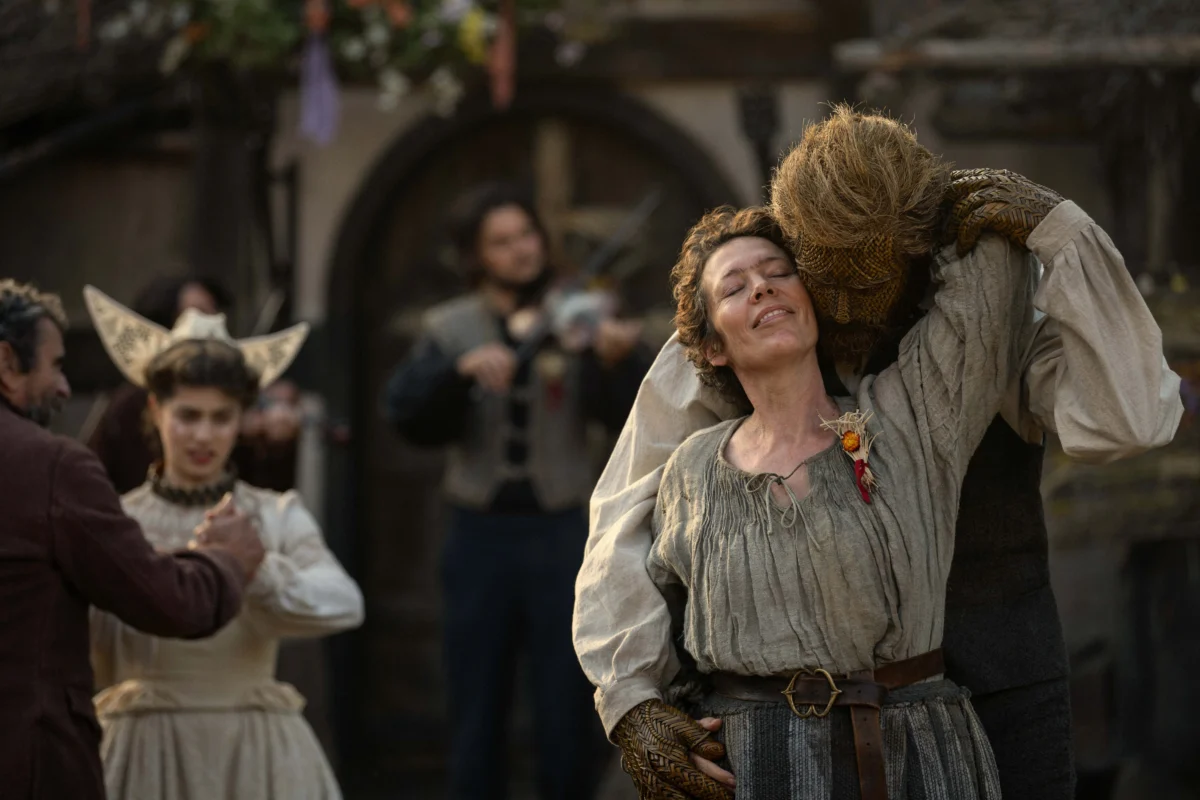
The recent emergence of the film "Wicker" has sparked considerable discussion, not only for its unconventional premise but also for the nuanced commentary it offers on societal expectations, aging, and female agency. The film, which features Alexander Skarsgård in a uniquely constructed role, has been lauded for its bold artistic choices, yet it also invites a deeper examination of its narrative choices and their implications. The initial buzz surrounding Alexander Skarsgård’s appearance on "The Graham Norton Show," where he presented host Graham Norton with a prop from the film – specifically, the "wicker nipples" – serves as a compelling, albeit quirky, entry point into the film’s distinct aesthetic and thematic landscape. This seemingly bizarre gift underscores the central conceit of "Wicker": a sentient being crafted from wicker, a material not typically associated with human form or romantic entanglements.
Genesis of a Wicker Companion: Plotting the Premise
"Wicker" transports audiences to a rural medieval town where the narrative’s protagonist, an ostracized Fisherwoman played by Olivia Colman, seeks an unconventional solution to her social isolation and the pervasive misogyny of her community. Faced with relentless bullying and condescension, largely attributed to her "gamey aura" and defiance of societal norms, she commissions a local Basketmaker, portrayed by Peter Dinklage. This craftsman, whose skills extend far beyond traditional furniture making, imbues his creation with life and companionship. The result is a "Wicker Husband," meticulously woven and intended to serve as a romantic partner, reminiscent of the whimsical charm found in tales like "Fiddler on the Roof."
Following an initial, perhaps awkward, matrimonial ceremony, the Fisherwoman brings her newly crafted husband back to her secluded cottage. It is within this intimate setting that the film pivots, introducing an element of mystery and escalating intrigue. The sounds emanating from the cottage begin to disturb the townspeople, leading to speculation about nocturnal activities and whether a murder is being committed. The source of this consternation is the Wicker Husband’s unexpected prowess in the bedroom, a stark contrast to his inanimate origins. This juxtaposition of the rustic, woven form with potent sexuality forms a central pillar of the film’s exploration of desire and fulfillment.
The Unspoken Realities: Navigating the Perils of a Woven Physique
While the film embraces its fantastical elements, certain aspects have prompted critical reflection, particularly concerning the physiological implications of a romantic and sexual relationship with a being constructed from wicker. The article’s author, reflecting on the phenomenon, highlights a perceived lack of open discussion regarding the potential discomfort and pain associated with such an intimate encounter. The reference to TikTok videos, one with the provocative headline "What Would Happen If You Had Sex With a Wicker Dick?", underscores a contemporary fascination with the absurdities of the film’s premise.
The author’s perspective, particularly as a woman over 50, raises pertinent questions about the practicalities and potential hazards. The inherent roughness and potential for splinters associated with wicker, even with the application of lubricants, present a significant challenge to the idealized romantic narrative. This concern, while seemingly grounded in practical considerations, touches upon broader societal discussions about pleasure, consent, and the physical realities of intimacy, even within a fictional context. The assertion that "a basket phallus might be one very problematic kind of woody" is a stark, albeit humorous, reminder of the inherent material limitations. The author’s friend’s pragmatic response, "You have to submit to a suspension of disbelief required to enjoy the story anyway," encapsulates the inherent tension between artistic license and relatable concerns.
Unveiling Age and Desire: The Representation of Middle-Aged Women
Beyond the immediate fantastical elements, "Wicker" offers a refreshing portrayal of aging and female sexuality, a theme that resonates deeply within contemporary discourse. The author lauds Olivia Colman’s performance, noting the pleasure of seeing a face "unadorned by major aesthetic intervention." In a Hollywood landscape often dominated by youth and cosmetic perfection, Colman’s depiction of a middle-aged Fisherwoman, who gradually blossoms into a more radiant figure through her newfound happiness, stands out. The film presents a 52-year-old woman who "actually looks middle-aged (and to be clear: beautiful) getting the breath bonked out of her on the regular." This direct acknowledgement of her age and her embrace of her sexuality challenges prevailing narratives that often relegate older women to the sidelines of romantic and erotic representation.
This stands in contrast to the portrayal of older female characters in other recent films. The article references "Babygirl," starring Nicole Kidman, as a film that also explored the sexuality of a middle-aged woman. However, the author points out that Kidman’s character, while portrayed as sexually empowered, is presented with a flawless visage that deviates from the reality of most women in their fifties. The lack of visible signs of aging on Kidman’s face, even during moments of intense emotion, highlights a persistent Hollywood tendency to sanitize or erase the physical markers of age, particularly for women. "Wicker," by contrast, appears to embrace these markers, integrating them into the character’s journey and validating her as a sexual being.

Thematic Analysis: Beyond the Woven Husband
The film’s narrative, while ultimately a fairy tale, delves into themes of agency, societal expectations, and the nature of companionship. The Fisherwoman’s initial plight highlights the oppressive nature of patriarchal societies, where women who deviate from prescribed roles are often marginalized. Her creation of the Wicker Husband can be interpreted as an act of radical self-determination, a refusal to be defined or limited by external judgment. The Basketmaker, as a figure of creative power, becomes an enabler of this rebellion, weaving not just a companion but a symbol of liberation.
However, the author expresses disappointment with certain narrative turns, particularly the Fisherwoman’s susceptibility to manipulation and her subsequent passive reaction. Her hysterical outburst upon believing her husband has cheated, leading to the perceived murder of her wicker partner, is seen as a lapse in character. The revelation that the Basketmaker wove the "infant" at the request of a jealous neighbor further complicates the narrative, suggesting a degree of gullibility on the Fisherwoman’s part. This, for the author, requires a significant "suspension of disbelief" and detracts from the protagonist’s initial portrayal as a strong, independent woman.
The film’s resolution, where the Wicker Husband reappears, repaired and forgiving, and the trio rides off into the sunset, is presented as a somewhat predictable and ultimately unsatisfying conclusion. The author questions whether the heroine had to be "saved by the perfect guy," suggesting a missed opportunity to explore a more complex and empowering arc. The desire for a protagonist who is "less predictably passive and self-destructive" underscores a yearning for narratives that fully embrace the strength and resilience of women, particularly those navigating the complexities of aging and societal pressures.
Broader Implications and Cultural Context
The discourse surrounding "Wicker" reflects a broader cultural conversation about representation, particularly concerning older women and their place in the media landscape. The film’s success in sparking dialogue about these issues is significant. It challenges the notion that desire and sexual agency diminish with age, a stereotype that has long been perpetuated by Hollywood. By presenting a visually mature woman in a passionate and fulfilling romantic relationship, "Wicker" offers a counter-narrative to the prevailing obsession with eternal youth.
Furthermore, the film’s satirical elements likely comment on the constructed nature of gender roles and societal expectations. The wicker husband, a literal construction, becomes a vessel for exploring what truly constitutes a fulfilling partnership. Is it physical form, or the qualities of companionship, support, and passion? The film, in its peculiar way, suggests that genuine connection can transcend conventional boundaries.
The critical analysis of the film’s plot, particularly the author’s critique of the Fisherwoman’s reactive behavior, highlights the ongoing debate about authentic female representation. While the film offers a refreshing premise, the execution of the protagonist’s journey ultimately leaves some viewers yearning for a more consistently empowering narrative. The feeling of being "sadly bamboozled" by the plot, despite appreciating the core concept, suggests that the film, while innovative, may not have fully realized its thematic potential.
In conclusion, "Wicker" stands as a testament to the power of unconventional storytelling to provoke thought and ignite debate. It navigates the intersection of fantasy, social commentary, and the enduring human desire for connection and fulfillment. While the practicalities of a wicker romance may remain a whimsical, and perhaps splintery, notion, the film’s impact lies in its willingness to challenge established norms and to offer a glimpse into the complexities of aging, desire, and the search for authentic companionship in a world often preoccupied with superficial ideals. The conversation it has generated, from the humorous anecdote of gifted props to the serious discussion of female representation, ensures its place as a notable entry in contemporary cinematic discourse.
