
 By admin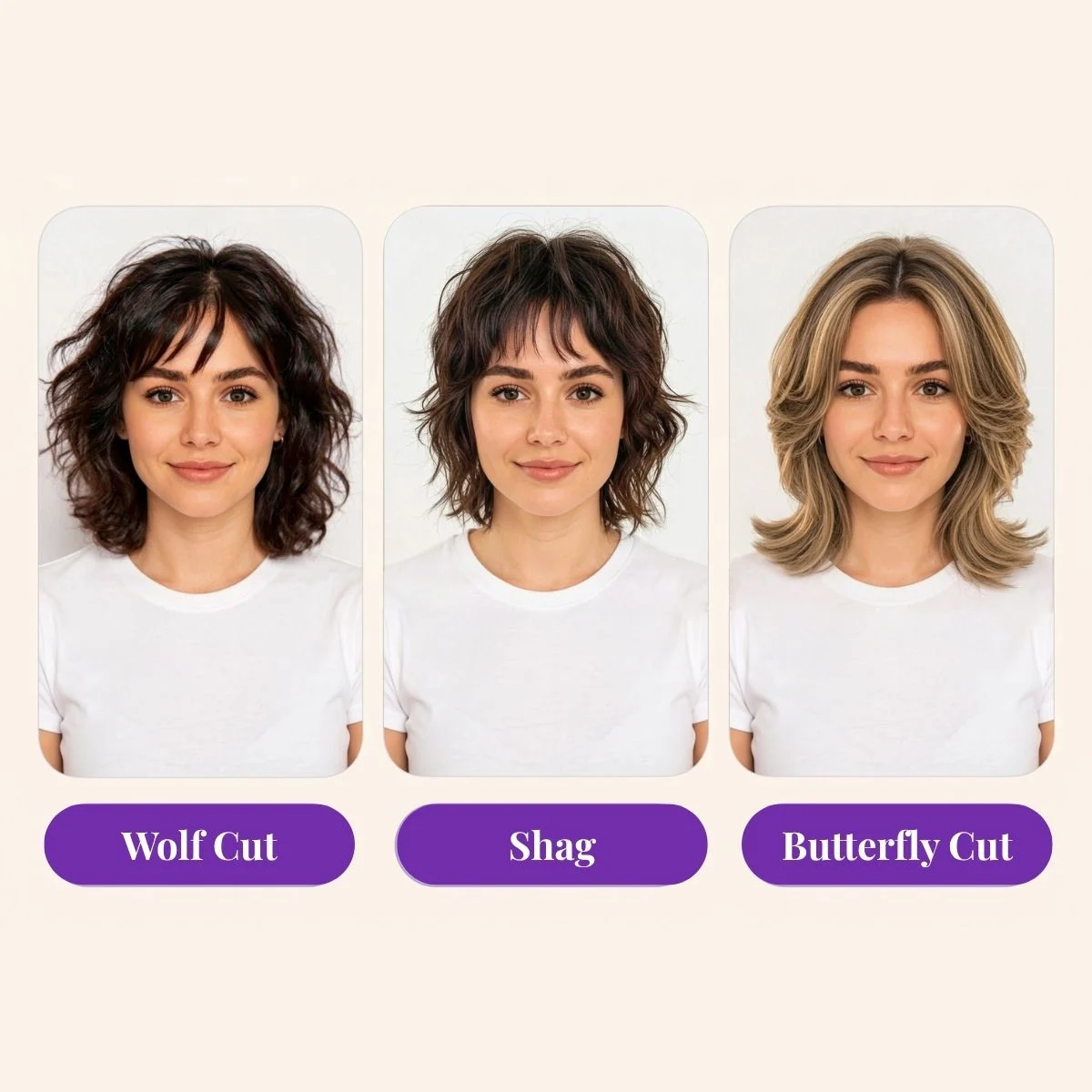
The lines between popular layered hairstyles can often blur, leading to confusion for both consumers and even some stylists. While the wolf cut, shag, and butterfly haircuts are frequently discussed in the same breath, especially in online beauty communities and search engine results, they represent distinct stylistic choices with unique characteristics, maintenance requirements, and suitability for different hair types and lifestyles. This comprehensive guide aims to demystify these three popular layered looks, providing a clear decision-making framework for anyone considering a significant haircut transformation.
At their core, these three styles are variations on the theme of heavily layered hair, designed to break up the monotony of one-length cuts and introduce movement and texture. The fundamental differences lie in the placement and length of the shortest layers, and the overall "choppiness" or softness of the finish. Understanding these nuances is crucial for achieving the desired look and avoiding potential haircut regrets.
A Comparative Overview of Layered Cuts
Stylists who regularly perform these cuts often describe them as progressive iterations of layered styling. The wolf cut is characterized by its most aggressive layering, with significant choppiness and shorter pieces often starting at the crown. The shag occupies a middle ground, featuring face-framing layers that typically fall between the chin and collarbone, with a generally softer, more diffused texture. The butterfly cut, on the other hand, emphasizes internal layering within a longer overall length, creating a voluminous, wing-like effect without sacrificing significant length.
| Feature | Wolf Cut | Shag | Butterfly |
|---|---|---|---|
| Ideal Hair Type | Thick to medium density, straight to wavy | Fine to medium density, any texture | Medium to thick density, straight to wavy |
| Shortest Layer Length | Crown-length or shorter | Chin to collarbone | Cheekbone to shoulder |
| Maintenance Level | High: Requires texturizing trims every 6-8 weeks | Medium: Forgiving grow-out, trims every 8-10 weeks | Low to medium: Layers soften gracefully, trims every 10-12 weeks |
| Grow-Out Behavior | Can become unstructured quickly without product | Eases into longer layers smoothly | Blends back into one length with minimal awkwardness |
| Regret Risk | Highest: Difficult to undo | Moderate: Noticeable but not drastic length loss | Lowest: Retains most of the original length |
| Try-On Accuracy | Strong: Cropped layers are visually apparent | Strong: Mid-length layers preview well | Good: Subtler layering can be harder to judge |
The Wolf Cut: Edgy, Choppy, and Influenced by the Mullet
The wolf cut, a style that has surged in popularity through social media platforms like TikTok and Instagram, takes the concept of choppy layers to an extreme. It’s characterized by a high volume of layers, particularly concentrated around the crown, creating a distinctly textured and often piecey finish. This cut draws inspiration from the mullet, featuring shorter sections on top that gradually lengthen towards the ends, but it typically avoids the stark, stacked back often associated with traditional mullets.
Who the Wolf Cut Suits Best: This cut is most flattering on individuals with thick or medium-density hair, as it requires sufficient volume to hold the aggressive layering without appearing sparse. Straight and wavy hair textures showcase the choppy lines most effectively. While curly hair can also accommodate a wolf cut, it is imperative to seek a stylist experienced in cutting curly hair dry to ensure the layers fall correctly and complement the natural curl pattern. For those with round or square face shapes, the added volume at the crown can be particularly beneficial, drawing the eye upward and softening angular jawlines.

Maintenance Reality for the Wolf Cut: Maintaining the wolf cut’s signature choppy aesthetic requires a commitment to regular trims, typically every six to eight weeks. Without these frequent shaping appointments, the layers can soften and lose their intended definition, potentially morphing into a less defined shag. Daily styling often involves texturizing sprays or pastes to enhance the rough, intentional finish. Without product, the cut can appear flat and unstructured. A common point of regret for those with fine hair is the tendency for the shortest layers, particularly at the crown, to look thin rather than textured, a pitfall that can often be mitigated by adjusting layer placement with a skilled stylist.
The Shag: Classic Face-Framing Layers with Versatile Appeal
The shag haircut, a perennial favorite that has seen resurgences in popularity over decades, offers a more subdued yet equally impactful layered look. Its defining characteristic is the placement of layers, which generally start around the chin or collarbone area, creating soft, face-framing pieces. Unlike the wolf cut’s concentrated crown volume, the shag distributes its layering more evenly, resulting in a feathered and less overtly choppy appearance.
Who the Shag Suits Best: The shag is remarkably versatile and is particularly beneficial for individuals with fine or medium-density hair. The strategic layering adds the illusion of fullness and body without the heaviness that can sometimes accompany one-length cuts. Curly hair textures also find a strong ally in the shag, as the layers help to reduce weight and allow natural curl patterns to express themselves without being pulled into an undesirable triangular shape. Oval and heart-shaped faces often benefit from the way the face-framing layers can add perceived width where desired.
Maintenance Reality for the Shag: The shag is lauded for its relatively forgiving maintenance. It can typically go between eight to ten weeks between trims without a significant loss of shape, making it a lower-commitment option compared to the wolf cut. Styling time is generally manageable, ranging from five to ten minutes most mornings. This can involve a rough dry, perhaps with a diffuser for textured hair, or a light wave applied to the ends with a styling tool. The grow-out phase of a shag is also notably smooth; the layers gradually lengthen, maintaining a cohesive and stylish appearance rather than developing awkward grow-out phases.
The Butterfly Cut: Volume and Movement Without Sacrificing Length
The butterfly haircut has gained significant traction as a way to achieve a voluminous, layered look without the drastic commitment of significantly shortening one’s hair. This style is engineered for individuals who desire movement and a sense of lightness but are hesitant to part with their existing length. The shortest layers in a butterfly cut typically begin around the cheekbone or shoulder length, with a concentration of internal layering that creates a fanned-out, "butterfly wing" effect, especially when the hair is in motion.
Who the Butterfly Suits Best: This cut is ideal for those with medium to thick hair that already possesses a considerable length. The internal layering requires sufficient hair beneath it to properly fan out and achieve the signature voluminous effect. The butterfly cut is highly adaptable to various face shapes. The placement of the heaviest layers can be adjusted – higher on the cheekbones for rounder faces to create width, or lower around the jawline for longer faces to add balance.

Maintenance Reality for the Butterfly: One of the most appealing aspects of the butterfly cut is its ease of grow-out. Because the majority of the hair’s length is preserved, the layers blend back into a single length with minimal awkwardness. Trims are generally needed every ten to twelve weeks to maintain the shape. Daily styling can be as simple as air-drying with a leave-in conditioner, though the layers truly come alive with the addition of a loose curl or wave, enhancing their dynamic movement.
The Decision Tree: Finding Your Perfect Layered Cut
Navigating the choices between these three popular layered styles can be simplified by considering a few key factors:
1. Length Commitment: The most significant differentiator is how much length you are willing to relinquish.
- Butterfly Cut: If preserving the majority of your current length is paramount, the butterfly cut is the most logical choice, offering movement without substantial chop.
- Shag: For those seeking a noticeable change but not a dramatic reduction in length, the shag is a strong contender. It trims length to around the chin or collarbone while remaining relatively easy to grow out.
- Wolf Cut: If your primary goal is pronounced texture and you are prepared for a more significant length alteration, the wolf cut offers the shortest and choppiest layers of the three.
2. Hair Density: Your hair’s natural thickness plays a crucial role in how these cuts will perform.
- Thick Hair: Can beautifully support the heavier crown layers of a wolf cut without appearing sparse.
- Fine Hair: Often benefits most from a shag, where layering adds volume rather than potentially thinning out existing hair.
- Medium Density: The butterfly cut is often a safe and effective choice for medium-density hair, as its layering is designed to work across a broader spectrum of hair thicknesses.
3. Lifestyle and Styling Habits: The amount of time and effort you’re willing to invest in daily styling is a critical consideration.
- Low Maintenance: The butterfly cut generally requires the least daily styling effort to look presentable.
- Medium Maintenance: The shag offers a balance, requiring minimal styling for a polished look.
- High Maintenance: The wolf cut demands more styling and regular trims to maintain its signature aesthetic.
4. Face Shape Considerations: While all these cuts can be adapted, understanding how they interact with your facial features is important. The shortest layer’s placement can be adjusted to draw the eye, add width, or create balance. Consulting with a stylist who understands facial geometry and haircutting techniques is invaluable.

Who Might Consider Skipping These Styles
It’s important to acknowledge that not every hairstyle is universally suitable. Certain hair types or lifestyles may find these heavily layered cuts to be more challenging than beneficial:
- Extremely Fine or Thinning Hair: While a shag can add volume, extreme versions of the wolf cut or butterfly cut might expose the scalp if not expertly executed, particularly at the crown.
- Very Coarse or Unmanageable Hair: Some hair types may struggle to achieve the desired texture and movement with these layered styles without extensive daily styling.
- Individuals Seeking a Sleek, One-Length Look: These cuts are inherently about layers and texture; if a smooth, one-length aesthetic is the goal, these styles would be counterproductive.
- Those Unwilling to Commit to Regular Trims: The wolf cut, in particular, requires consistent upkeep to retain its shape.
Previewing Your Potential New Look
The advent of AI-powered virtual try-on tools has revolutionized the pre-haircut consultation process. Before booking an appointment, utilizing these technologies can provide a realistic preview of how a wolf cut, shag, or butterfly style might look on your individual face shape and hair type. Unlike simple social media filters that can distort proportions, AI tools map facial features and hair regions to generate a more accurate visualization of the proposed haircut. This allows for a direct comparison of the three styles, helping to solidify a decision before sitting in the stylist’s chair.
The HairHunt mobile app, available on iOS and Google Play, offers a rapid virtual try-on experience, allowing users to preview various cuts and colors in a matter of seconds. This is particularly useful for comparing subtle differences between styles or experimenting with variations in layer length.
What Filters Get Wrong That AI Try-On Gets Right
The distinction between a filtered social media preview and an AI-generated visualization is significant. Instagram filters often manipulate existing hair pixels in real-time, creating an illusion of a new haircut that doesn’t accurately reflect how the hair would be cut and styled by a professional. AI try-on, conversely, uses sophisticated algorithms to map a proposed haircut onto a user’s facial structure and hair canvas. This generates a more faithful representation of the potential outcome, especially for layered cuts where the precise placement of each layer is critical to the overall shape and movement. For the wolf cut, shag, and butterfly, where subtle variations in layer length and density dramatically alter the look, this accuracy is paramount.
Communicating with Your Stylist
When you’ve decided on a style, effective communication with your hairstylist is key. Beyond bringing reference photos, using specific terminology can ensure your stylist understands your vision precisely.
- For a Wolf Cut: Request "heavy layering through the crown with choppy, piece-y ends and a shaggy mullet influence."
- For a Shag: Specify "face-framing layers starting at the chin to collarbone length with feathered, not blunt, ends."
- For a Butterfly Cut: Ask for "internal layering starting at the cheekbone or shoulder length, keeping the back length intact."
A crucial stylist tip, regardless of the chosen cut, is to request "point cutting" for the ends rather than blunt cutting. Point cutting, where the scissors are held vertically and snipped into the ends, softens the lines between layers, contributing to the fluid movement characteristic of all three styles.

Frequently Asked Questions
Which layered cut grows out the easiest?
The butterfly cut generally offers the most graceful grow-out due to the preservation of overall length, allowing layers to soften naturally. The wolf cut, with its shorter crown layers, can present a more challenging grow-out phase as these shorter pieces take longer to blend into the longer lengths.
Can I get a wolf cut with fine hair?
While possible, a wolf cut on fine hair requires careful execution. Stylists often recommend keeping the shortest layers slightly longer than a typical wolf cut to avoid exposing the scalp. For many with fine hair, a shag is often a more recommended option, as its layering starts lower and is designed to add volume rather than diminish it.
What is the real difference between a shag and a butterfly cut?
The primary distinction lies in the starting point of the shortest layers. Shags typically feature shortest layers between the chin and collarbone, while butterfly cuts have shortest layers beginning around the cheekbone or shoulder. Consequently, butterfly cuts retain more overall length. Shags often have a more undone, textured finish, whereas butterflies emphasize internal layering within longer hair.
Will the AI try-on accurately show me a wolf cut on my hair?
AI try-on tools provide an accurate visualization of the shape and layer placement on a front-facing selfie with good lighting. However, they cannot precisely predict how your unique hair density and texture will behave once cut and styled by a professional. It is best used as a comparative tool to understand the visual impact of different styles.
How long does it take to grow a wolf cut into a shag?
The transition time from a wolf cut to a shag can range from four to six months, depending on your hair’s growth rate and the styling maintained during the grow-out period. Regular shaping trims can help the cut evolve more cleanly.
Do any of these cuts work on curly hair?
Yes, all three cuts can be adapted for curly hair, though the shag is often considered the most forgiving. Its layering helps reduce bulk and allows natural curl patterns to form without being weighed down. For wolf cuts and butterfly cuts on curly hair, it is essential to work with a stylist who cuts hair dry to accurately assess how the curls will fall.

Should I choose based on the cut or based on my stylist’s recommendation?
It is advisable to begin with self-assessment using the decision tree provided. This helps narrow down your preferences. Ultimately, your stylist’s expert assessment of your hair’s density, texture, and growth pattern will be crucial in making the final decision. Their experience with your specific hair type will often reveal potential compatibility issues that are not apparent in static images.
Choosing between a wolf cut, shag, or butterfly haircut hinges on your personal preferences regarding length retention, daily styling commitment, and how your specific hair density interacts with heavy layering. The decision tree presented here serves as a guide to help you navigate these choices. For a more personalized preview, virtual try-on tools can offer valuable insights before you commit to a salon appointment.
Disclaimer: Individual hair results may vary based on natural hair type, texture, density, and condition. Virtual try-on images are AI-generated visualizations and should be used as a guide to shape and color; they cannot precisely predict how a professional stylist will execute the cut on your specific hair. Always consult with a licensed hairstylist for personalized advice before making significant hairstyle changes.
