
 By Jia Lissa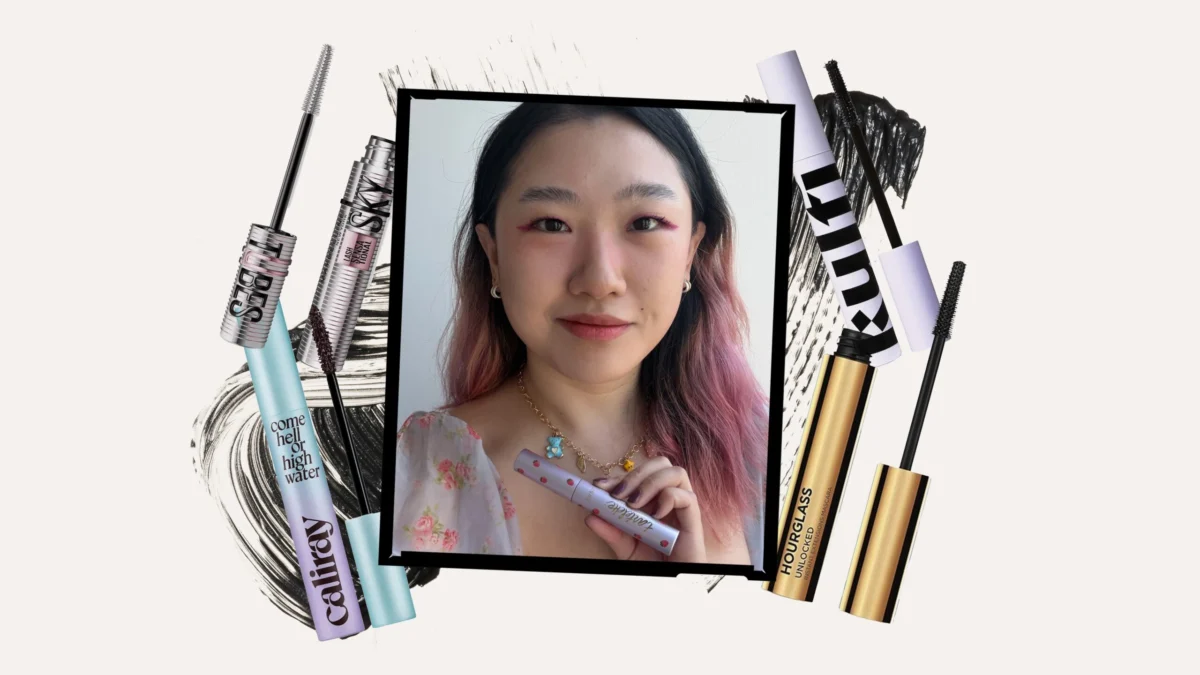
Tubing mascara has emerged as a significant innovation in the beauty industry, offering a distinct alternative to traditional mascara formulations. This advanced approach to lash enhancement centers on a unique application and removal process, fundamentally differing from the conventional wax-based formulas. Experts highlight that the core of this difference lies in the mascara’s ability to form "tubes" around individual lashes, providing a smudge-proof and long-lasting effect that is also remarkably easy to remove.
Understanding the Mechanics of Tubing Mascara
The primary distinction between tubing mascara and its traditional counterparts, as explained by cosmetic chemists and makeup artists, lies in the polymer technology employed. While both types of mascara share a foundational ingredient list that often includes waxes and emulsifiers, tubing mascaras incorporate specialized polymers. These polymers are designed to adhere to the lash hair, creating a flexible, microscopic tube that encases each lash from base to tip. This encapsulation is key to the product’s performance.
"The overall ingredient list for a tubing mascara might resemble a traditional mascara emulsion, with traditional waxes and emulsifiers, but polymers are necessary to form a ‘tube’ around each lash," explains one industry expert. "The polymers have just enough adhesion to the lashes to hold them in place until you wiggle the tubes free with gentle pressure for removal." This polymer-based structure is what grants tubing mascaras their signature long-wearing capabilities, resisting smudging, flaking, and running, even in humid conditions or during strenuous activity.
The Advantage of Effortless Removal
A major appeal of tubing mascaras is their simplified removal process. Unlike waterproof mascaras, which can often necessitate vigorous scrubbing with potent makeup removers and may even lead to lash breakage, tubing mascaras are designed to slide off with minimal effort. The polymer tubes, when exposed to warm water and gentle pressure, simply loosen their grip and slip away from the lashes.
"Instead of rigorously wiping your eyes with makeup remover or thoroughly massaging mascara away with cleansing oil, the polymer-formed tubes slide off with warm water and gentle pressure," a beauty industry insider noted. This contrasts sharply with the often-arduous removal of traditional waterproof mascaras, which, while offering comparable staying power, can be unforgiving on delicate eye areas. The potential for lash loss during the removal of conventional waterproof formulas is a significant drawback that tubing mascaras effectively circumvent. This ease of removal not only saves time but also contributes to better lash health by reducing stress on the hair follicles.
Navigating the Selection Process for Tubing Mascara
Choosing the right tubing mascara involves understanding key ingredients and aligning product features with personal lash goals. Ingredient lists can provide valuable clues about a mascara’s potential performance, particularly concerning volume and length.
"If you’re looking for more volume, ingredients like silica microspheres will help fatten the appearance of lashes and allow for a smooth application," a product development specialist advised. "And tiny rayon fibers can bring additional lengthening." These specialized ingredients work synergistically with the polymer base to enhance lash appearance. Silica microspheres add a tangible fullness to lashes, creating a more dramatic effect, while the inclusion of fibers can extend the perceived length of the lashes, offering a more dramatic, false-lash-like appearance without the need for artificial extensions.
Beyond ingredients, consumers are encouraged to consider their desired aesthetic. The choice of color, the design of the application brush, and the overall formula consistency all play a crucial role in achieving specific looks.
"You should also keep your lash goals in mind: consider the color, the type of brush used to apply the product, and the formula," a veteran makeup artist recommended. "For example, if your goal is a more natural look, try a brown mascara. Conversely, ‘I always love a black mascara for most big events, because this will stand out the most in photos and darken the lashes so they are more prominent.’" Brown mascaras offer a softer, more subtle enhancement, ideal for daytime wear or for individuals with lighter lash colors. Black, on the other hand, provides a bolder statement, making lashes appear more defined and impactful, especially in photographic contexts.
The brush applicator is another critical component. Different brush designs cater to various lash needs and application techniques. "A thinner, comb-like brush will be better for separation and clump-prevention, and will also be easier to use on bottom lashes; bigger brushes with more bristles can provide more volume (‘but personally, I find these clump more often,’ she notes)," the makeup artist elaborated. Fine-toothed combs are excellent for detangling lashes and ensuring even product distribution, preventing the dreaded "spider leg" effect. Larger, fluffier brushes are designed to deposit more product, thereby maximizing volume, though they may require a more skilled hand to avoid clumping.
Formula texture also influences performance. "Wetter formulas ‘can really lengthen the lash and separate them easier,’ says Dorn, while a quick-drying formula might clump a bit more, ‘but will hold a curl in the lash very well,’ she says," referencing a well-known beauty consultant. Wetter formulas offer more playtime for application, allowing for precise lengthening and separation. Conversely, quicker-drying formulas set rapidly, which is beneficial for maintaining a lash curl that might otherwise fall flat.
For those seeking to optimize their application, a simple yet effective tip involves a clean mascara wand. "And pro tip: If you love a formula but find the brush just isn’t cutting it, ‘use a clean mascara wand to brush through the lashes as soon as you apply the mascara,’ Dorn advises," the expert shared. This technique allows for further refinement of separation and distribution, ensuring a flawless finish regardless of the original brush’s design.
Potential Limitations and Considerations
While tubing mascaras offer numerous advantages, they are not without their potential drawbacks. One common observation is that they may not provide the same level of curl enhancement as other mascara types.
"Tubing mascaras might not provide as much curl as they do length, volume, and separation, according to Dorn; to get around this, she recommends curling your lashes a few times before you put on the mascara and then coating the lashes," the beauty consultant noted. The act of curling lashes beforehand, using a dedicated eyelash curler, primes them for a lifted appearance. This step is crucial for those who prioritize a pronounced curl.
Another consideration is their layering capability. Some users find that tubing mascaras do not layer as effectively as traditional formulas, meaning that attempting to apply multiple coats beyond a certain point may not yield significant additional results and could potentially lead to a less desirable finish. "Additionally, she says that some find they don’t layer as well as traditional mascaras. (This makes sense; a lash can only take so many tubes.)" This limitation suggests that achieving the desired intensity with a single or double application is often the most effective strategy for tubing mascaras.
Rigorous Testing and Expert Evaluation
The development and recommendation of beauty products, particularly those with innovative formulations like tubing mascaras, are underpinned by a comprehensive testing and review process. This methodology ensures that consumers receive reliable and informative guidance.
"Before reviewing any makeup, we ask questions about a number of factors: What ingredients are in it? Does the brand offer a wide shade range inclusive of consumers with all skin tones and undertones? Is it safe for readers who have sensitive skin or wear contact lenses? Is it on the affordable side or more of a splurge? Is its packaging consciously designed or needlessly wasteful?" stated a representative from a leading beauty publication. This holistic approach to product evaluation considers not only performance but also ethical production, inclusivity, and user safety.
For comprehensive reviews of tubing mascaras, a diverse panel of testers is essential. This panel typically includes beauty editors, freelance writers, makeup artists, and cosmetic chemists. "For our review of the best tubing mascaras, we enlisted the help of multiple editors, writers, contributors, makeup artists, and cosmetic chemists to review the products. This ensures our testing base spans different skin tones, genders, and dermatological conditions," the publication confirmed. This broad spectrum of testers allows for a thorough assessment of how a product performs across a wide range of individual characteristics and needs, including sensitivity and varying skin tones.
The evaluation process itself is structured around key performance indicators. Products are assessed based on their ingredient composition, wearability throughout the day, longevity, and resistance to environmental factors such as humidity and friction. "We considered each product’s performance across four primary categories: ingredients, wear, longevity, and resistance. For more on what’s involved in our reporting, check out our complete reviews process and methodology page," the publication detailed. This systematic approach ensures objectivity and comparability across different products.
A Commitment to Inclusivity and Consumer Trust
The underlying philosophy of beauty product reviews, particularly at established publications, is rooted in providing trustworthy recommendations that cater to a diverse consumer base. The understanding that beauty is a personal journey, with individual needs and preferences varying significantly, drives the commitment to inclusive testing.
"A beauty product is a personal purchase. You might be searching for a face cream to address persistent dryness or a new nail product to add to your Sunday self-care routine; you may simply be browsing around for the latest launches to hit the hair market. No matter what you seek or your individual needs and concerns, Allure wants to ensure that you love anything we recommend in our stories," a brand spokesperson articulated. This ethos emphasizes that product recommendations should resonate with the individual consumer’s specific requirements, whether they are addressing a skincare concern, seeking a self-care indulgence, or simply exploring new trends.
The practice of utilizing a diverse testing team is not merely a procedural step but a fundamental aspect of ensuring equitable and accurate product assessment. "We believe that having a diverse team of writers and editors—in addition to the wide range of outside testers and industry experts we regularly call upon—is essential to reaching that goal," the spokesperson continued. This commitment to diversity extends across age, skin tone, hair texture, gender identity, and background.
The publication actively questions the validity of recommendations made without broad-based testing. "After all, can we really say a skin-care product is the ‘best’ for people over 50 if the only testers we’ve solicited opinions from folks who have yet to hit 30? Can we honestly deem a high-end diffuser worthy of your hard-earned cash if it’s never been tested on curls?" the spokesperson posed. This rhetorical questioning underscores the importance of real-world testing on varied hair types and by individuals across different demographics.
The publication takes pride in its diverse staff and testing pool. "We’re proud that our staff spans a wide range of ages, skin tones, hair textures, genders, and backgrounds, which means that we are able to fairly assess any beauty product that comes into the beauty closet," they concluded. This dedication to inclusivity and rigorous, evidence-based testing ensures that recommendations for products like tubing mascara are not only informative but also genuinely helpful and trustworthy for all consumers. The ongoing evolution of beauty technology, exemplified by tubing mascaras, continues to be shaped by this commitment to innovation, efficacy, and consumer well-being.
