
 By admin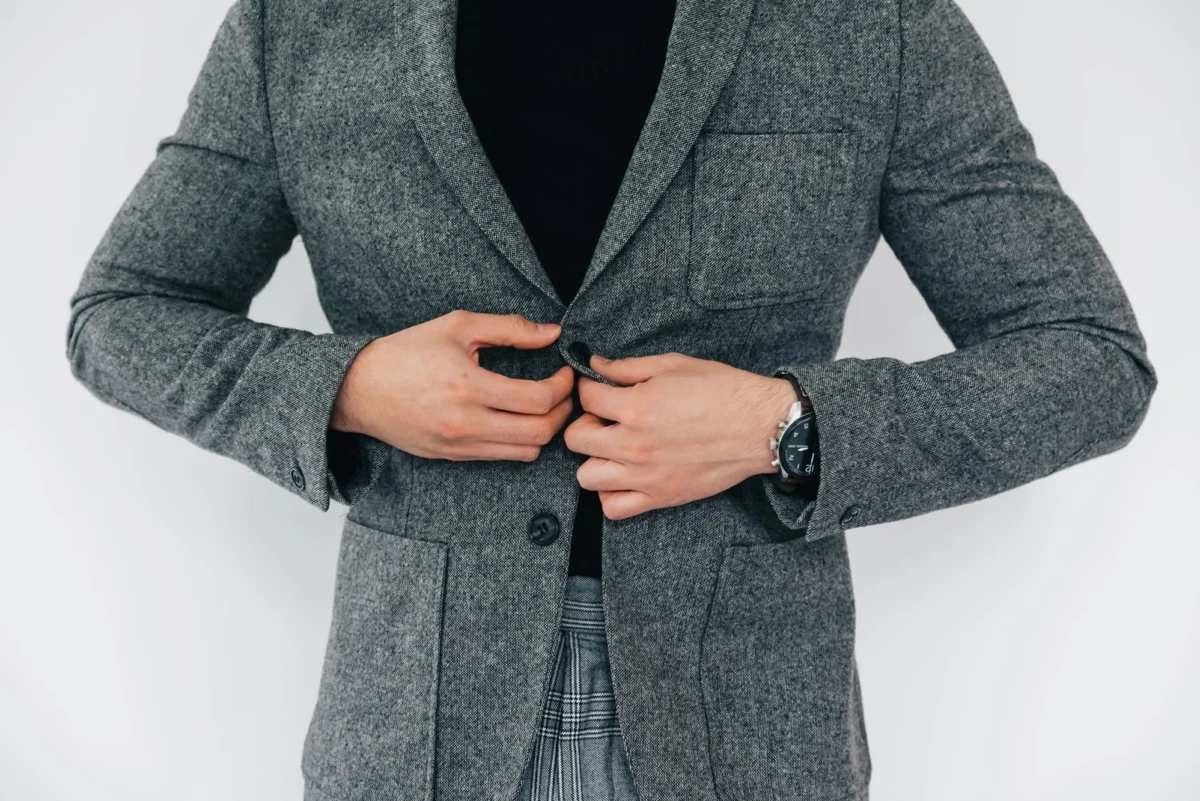
In the landscape of modern menswear, the sport coat has emerged as the most versatile tool in a professional’s wardrobe, serving as the bridge between the rigid formality of a three-piece suit and the relaxed nature of contemporary business casual. For the New York City professional, where the transition from a high-stakes board meeting to a social engagement at a Midtown restaurant is a daily occurrence, the fit of this garment is paramount. While off-the-rack options dominate the mass market, the unique physical proportions of the individual—varying in chest breadth, shoulder slope, and arm length—often necessitate a turn toward custom tailoring. Navigating the New York City tailoring scene, however, requires an understanding of a complex pricing structure influenced by heritage, material science, and labor-intensive construction methods.
The Tiered Landscape of Custom Tailoring in Manhattan
The cost of commissioning a custom sport coat in New York City is not a monolithic figure but rather a spectrum that reflects the level of craftsmanship involved. The market is generally divided into three distinct categories: entry-level made-to-measure, mid-range custom, and high-end bespoke.

At the entry-level tier, which typically ranges from USD 800 to USD 1,100, clients are generally participating in made-to-measure (MTM) programs. In this model, a salesperson or a junior fitter takes a series of measurements and applies them to an existing "block" or base pattern. The adjustments are limited to basic dimensions like sleeve length, waist suppression, and jacket length. Construction at this level is predominantly machine-based, and fabric selections are often restricted to domestic or lower-grade imported wools. While the fit is significantly superior to off-the-rack garments, the internal structure often relies on "fusing"—an industrial adhesive used to attach the interfacing to the outer cloth—which can lack the breathability and longevity of traditional canvas.
The mid-range tier, priced between USD 1,095 and USD 2,500, represents the most common choice for New York’s legal, financial, and creative executives. This is where the transition from "adjusted patterns" to "individual patterns" occurs. Tailoring houses at this level, such as the established Alan David on Madison Avenue, provide clients with access to world-renowned mills including Zegna, Loro Piana, and Dormeuil. The construction often shifts to a half-canvas or full-canvas internal structure, allowing the coat to drape more naturally over the wearer’s chest. For first-time buyers in this tier, incentives such as a USD 100 discount for new clients are common, making the leap into high-quality custom wear more accessible.
At the pinnacle of the market is high-end bespoke, where prices begin at USD 2,500 and can easily exceed USD 5,000 depending on fabric rarity. Bespoke is defined by the creation of a unique paper pattern drafted from scratch for the individual client. Every element, from the hand-padded lapels to the hand-sewn buttonholes, is executed by master artisans. This tier often involves exclusive fabrics, such as Oxxford Clothing’s American-made collections or rare vicuña blends, which are unavailable in ready-to-wear markets.

The Chronology of Commissioning: From Measurement to Delivery
The process of creating a custom sport coat is a time-intensive endeavor that follows a specific chronological sequence. Understanding this timeline is essential for clients who require garments for specific events or seasonal transitions.
- The Initial Consultation (Week 1): The process begins with a consultation where the client selects the fabric, lining, buttons, and styling details (such as lapel width, pocket style, and vent configuration). A master tailor takes dozens of anatomical measurements, noting nuances like the slope of the shoulders and the curvature of the spine.
- The Basted Fitting (Week 2–3): A hallmark of quality tailoring is the basted fitting. The sport coat is temporarily stitched together with white basting thread, often without sleeves or a collar. This allows the tailor to see how the fabric drapes on the actual body and make radical adjustments to the "balance" of the garment before the final sewing begins.
- The Forward Fitting (Week 4): By this stage, the jacket is mostly assembled. The tailor checks the final length, the rotation of the sleeves, and the "break" of the cloth over the shoulders. Small refinements are marked for the final finishing.
- Final Delivery (Week 5–6): The completed garment is presented to the client. In New York City, the standard turnaround for this process is four to five weeks. However, the "rush" economy of Manhattan allows for accelerated timelines of eight to ten days for an additional fee, typically ranging from 20% to 30% of the total cost.
Material Science: Why Fabric Origin Drives Price
The single largest variable in the cost of a sport coat is the cloth itself. New York tailors source their materials from a handful of elite mills in Italy and England, each with centuries of heritage.
Italian mills like Loro Piana are celebrated for their "Super" wools and luxury blends (cashmere, silk, and linen). The "Super" number (e.g., Super 120s or Super 150s) refers to the fineness of the wool fibers; the higher the number, the thinner and softer the fiber. While a Super 180s fabric feels like silk, it is also more delicate. Conversely, English mills like Dormeuil or Holland & Sherry are known for their "heavier" drapes and durable tweeds, which are ideal for the traditional sport coat aesthetic.

The cost of these fabrics is driven by the scarcity of the raw fiber and the complexity of the weaving process. A rare cashmere-silk blend from an Italian mill can cost the tailor four times as much as a standard merino wool from a domestic supplier, a cost that is directly reflected in the final retail price of the garment.
Structural Integrity: Hand-Sewn vs. Machine-Made
Beyond the fabric, the internal architecture of the coat determines its lifespan and "memory." High-end and mid-range custom coats utilize a "floating canvas"—a layer of horsehair and linen stitched between the lining and the outer fabric.
In machine-made, entry-level coats, this layer is often glued (fused). Over time, and especially after repeated dry cleaning, the glue can break down, leading to "bubbling" on the chest of the jacket. In contrast, a hand-stitched canvas allows the coat to "learn" the wearer’s shape. As the horsehair is warmed by body heat, it molds to the torso, meaning a custom coat actually fits better after a year of wear than it did on the day it was purchased. This artisanal labor is the primary reason for the price gap between mass-market options and custom tailoring.

Market Trends and the Rise of "Quiet Luxury"
The New York tailoring market has seen a significant shift in consumer behavior over the last three years. Industry analysts point to the "Quiet Luxury" movement—a preference for high-quality, unbranded garments—as a primary driver for the increased demand in custom sport coats.
As corporate dress codes have softened, the demand for full suits has declined, while the demand for "separates" has surged. Professionals are increasingly pairing custom sport coats with denim or high-end chinos, requiring a jacket that is structured enough for a meeting but soft enough for a casual setting. This has led to the popularity of the "unstructured" custom coat, which lacks heavy shoulder padding but retains a sharp silhouette through superior cutting.
The Economic Value Proposition: Cost-Per-Wear Analysis
While an upfront investment of USD 1,500 for a sport coat may seem substantial, tailoring experts argue that the economic reality favors custom garments in the long term. An off-the-rack jacket, often made of synthetic blends or fused construction, typically has a functional lifespan of two to three years before it loses its shape or the fabric fails.

A well-constructed custom sport coat, made of high-twist wool with a floating canvas, can easily last a decade or more with proper care. When analyzed through a "cost-per-wear" lens, a USD 1,500 jacket worn 40 times a year over ten years costs less than USD 4.00 per wear. Furthermore, custom garments are built with "inlays"—extra fabric hidden in the seams—allowing them to be adjusted as the wearer’s weight fluctuates, a feature rarely found in mass-produced clothing.
Conclusion: Navigating the NYC Selection
For the consumer, the decision of where to commission a sport coat in New York City should be based on a balance of budget, frequency of use, and the desired level of personal attention. For those new to the scene, the mid-range tier offers the most significant "value jump," providing the benefits of individual patterns and premium Italian or English fabrics without the five-figure price tags of extreme luxury houses.
Ultimately, the New York tailoring scene remains a bastion of traditional craftsmanship in an era of fast fashion. Whether it is a machine-finished made-to-measure garment or a fully hand-basted bespoke masterpiece, a custom sport coat represents an investment in personal branding and physical comfort that off-the-rack alternatives cannot replicate. By choosing a house that emphasizes the basted fitting and sources from reputable mills, the modern New Yorker ensures that their wardrobe is as resilient and refined as the city itself.
