
 By Jia Lissa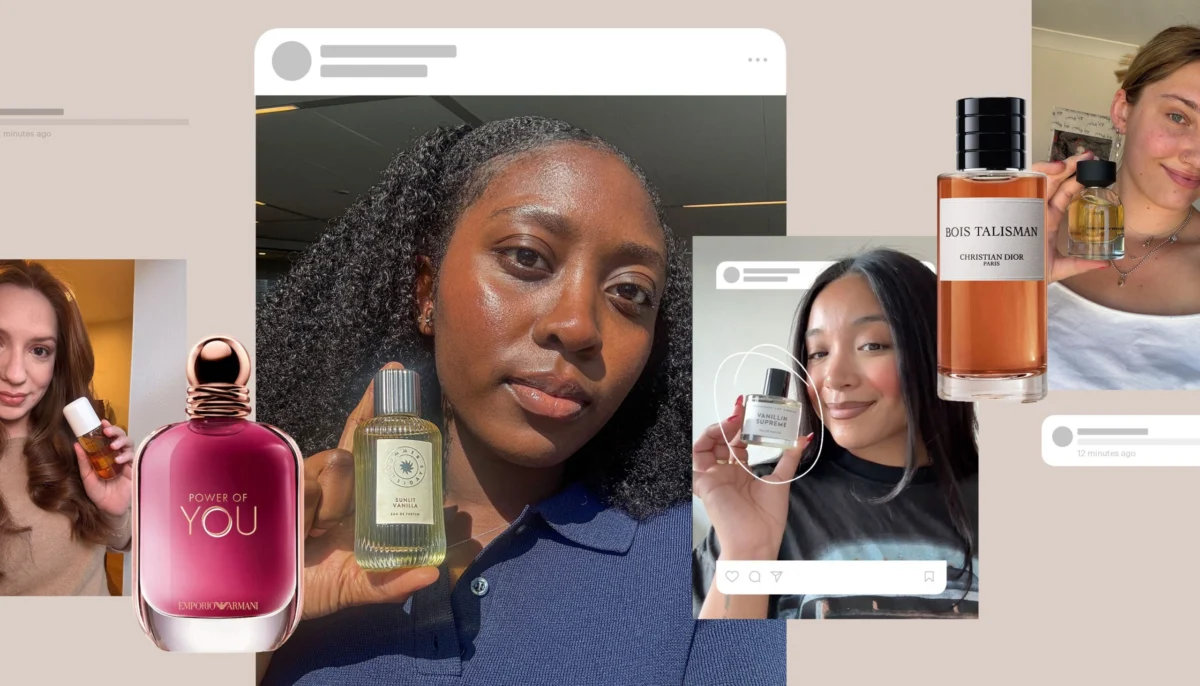
The captivating aroma of vanilla, a scent universally recognized for its warmth and comforting sweetness, possesses a curious characteristic: it rarely smells the same from one person to the next. This olfactory phenomenon, often attributed to a complex interplay of biological and environmental factors, transforms a seemingly straightforward fragrance into a deeply personal signature. Delphine Jelk, Guerlain’s master perfumer and creative director of fragrance, elaborates on this intriguing aspect of scent perception, highlighting that vanilla is merely one example of a fragrance note that can be uniquely interpreted by each individual’s skin chemistry.
"Depending on one’s own scent, natural skin oils, and pH, perfume notes can be brought out differently because everyone’s skin composition is unique," Jelk explains. This fundamental truth underscores that fragrance is not merely a chemical compound applied to the skin, but rather an interactive element that collaborates with the wearer’s biology. The subtle variations in an individual’s natural oils, the specific balance of acids and bases on their skin, and even their inherent body odor can profoundly influence how a perfume unfolds.
The impact of skin pH on fragrance perception is a critical factor. For instance, Jelk notes, "Vanilla, for example, can often smell much sweeter on some people’s skin; for others, it might come across as warmer and richer." The underlying reason for this divergence often lies in the skin’s acidity. "If your skin is more acidic, vanilla can become sharper or spicier," Jelk elaborates. This acidity can alter the volatility and interaction of fragrance molecules, leading to a perceptible shift in the perceived scent profile. Skin that is less acidic, or more alkaline, might allow the sweeter, creamier facets of vanilla to dominate. This variability means that a vanilla fragrance intended to evoke a sense of comforting sweetness might, on some individuals, present a more invigorating, almost zesty character.
Beyond skin chemistry, external factors also contribute to this olfactory individuality. Body temperature, for instance, plays a significant role in the diffusion and evaporation of fragrance molecules. "Body temperature can also play a role, as warmer skin can intensify certain base notes, vanilla and amber being two examples," Jelk states. Higher body temperatures can accelerate the release of volatile compounds, amplifying the intensity of base notes that typically form the foundation of a fragrance. This is why a perfume might smell stronger and richer on someone who naturally runs warmer or during warmer seasons when ambient temperatures are higher. The enhanced heat can bring forth the deeper, more sensual aspects of vanilla, such as its woody or balsamic undertones, creating a richer, more complex aroma. Conversely, cooler skin might lead to a more subdued, perhaps even a cleaner, interpretation of the vanilla note.
The implication of these variables is that the experience of wearing a vanilla perfume is inherently subjective. While the perfumer’s intention is to create a specific olfactory narrative, the wearer’s unique biological canvas and environmental conditions ultimately co-author the final scent. This explains why vanilla, a scent often associated with comfort and nostalgia, can evoke such diverse emotional responses and sensory experiences. It is a testament to the intricate dance between the art of perfumery and the science of human biology.
The Art of "Fragrance Wardrobing": Layering Vanilla for Personalized Olfactory Signatures
The personalized nature of fragrance extends beyond how a single scent interacts with individual skin. It also opens the door to the sophisticated practice of "fragrance wardrobing," a concept championed by experts like Delphine Jelk. This approach moves beyond the traditional notion of "layering" perfumes, which can sometimes lead to an overwhelming or muddled scent profile, and instead advocates for a more nuanced and intentional creation of a personal olfactive identity.
"There are no rules with fragrance," Jelk asserts, empowering individuals to experiment and discover their unique scent combinations. However, she offers personal preferences that can serve as guiding principles. Jelk’s own inclinations lean towards harmonizing vanilla with iris and musks. Iris, with its powdery, sophisticated, and slightly earthy aroma, can lend a refined elegance to the inherent sweetness of vanilla. Musks, on the other hand, provide a soft, skin-like warmth and sensuality, acting as a subtle fixative that enhances the longevity and diffusion of the overall fragrance. The combination can create a scent that is both comforting and alluring, embodying a refined sensuality.
Jelk prefers the term "fragrance wardrobing" because it "allows you to personalize your trail rather than adding a perfume directly on top of another." This distinction is crucial. Layering, in its most basic form, involves applying one fragrance over another, which can sometimes result in a clash of notes or an overpowering effect. Fragrance wardrobing, however, suggests a more deliberate and strategic application of different scent elements to create a cohesive and evolving olfactory experience. It’s about building a scent profile that unfolds in layers, much like a well-composed musical piece or a carefully curated outfit.
Jelk’s practical tip for achieving this personalized scent trail is to "create your own olfactive look, just like you would a fashion outfit." This analogy is powerful, emphasizing the visual and aesthetic considerations that can be applied to fragrance. Just as a stylist selects different pieces of clothing and accessories to create a cohesive ensemble, a fragrance enthusiast can strategically apply different scents to various parts of their body to craft a unique scent narrative.
"One scent for your wrists, another for your neck, and perhaps a third for your clothes," Jelk suggests. This method allows for distinct scent notes to be expressed in different areas, creating a dynamic and multi-dimensional fragrance experience. Applying a brighter, more volatile scent to the wrists, for instance, allows it to be released with movement and interaction. A richer, more anchoring scent applied to the neck or décolletage can provide a sensual undertone that lingers close to the skin. And a spritz on clothing can offer a more diffusive and long-lasting aromatic presence.
The strategic placement of fragrances ensures that each note has an opportunity to shine and interact with the wearer’s skin and environment in a controlled manner. This approach prevents the over-saturation that can occur with direct layering and instead allows for a more sophisticated and artful expression of scent. It transforms the act of wearing perfume from a passive application to an active form of self-expression, akin to curating a personal style.
The Rigorous Process Behind Allure’s Fragrance Recommendations
The insights into fragrance, from the science of skin chemistry to the art of scent layering, are often informed by rigorous testing and expert evaluation. Publications like Allure employ a comprehensive methodology to ensure their product recommendations are trustworthy, reliable, and representative of a diverse consumer base. This commitment to thoroughness is a cornerstone of their editorial process, aiming to provide readers with the most accurate and helpful information.
When Allure embarks on testing a product, particularly in a category as personal and subjective as fragrance, their editors adopt a multi-faceted approach. This involves a deep dive into the product’s composition, scrutinizing ingredients to understand their function and potential effects. They meticulously examine brand claims, verifying their accuracy against scientific evidence and industry standards. Furthermore, when scientific backing is essential, Allure will consult peer-reviewed studies to validate product efficacy and safety.
The testing protocol extends beyond mere laboratory analysis. "In addition to testing each and every product that’s included in each and every review, we rely on experts who shape their fields, including dermatology, cosmetic chemistry, and medicine, to help us vet the ingredients and formulas," the publication states. This collaborative approach ensures that the assessments are not only based on subjective sensory experience but also grounded in scientific expertise. Dermatologists can offer insights into how ingredients might interact with different skin types, while cosmetic chemists can explain the structural integrity and longevity of fragrance formulations.
For reviews specifically focusing on categories like the best vanilla perfumes, the testing pool is deliberately broadened. "For our review of the best vanilla perfumes, we enlisted the help of multiple editors, writers, and contributors to review the products. This ensures our testing base spans different skin tones, genders, and dermatological conditions." This commitment to inclusivity is paramount. A fragrance that smells divine on one individual might not perform as well on another due to variations in skin tone, hydration levels, or even underlying dermatological conditions. By incorporating a diverse range of testers, Allure aims to capture a more comprehensive understanding of a product’s performance across a wider spectrum of users.
The evaluation process itself is structured around key performance indicators. Each product is considered across four primary categories: ingredients, wear and longevity, packaging, and inclusivity. Ingredient analysis ensures that the formulation is of high quality and free from potentially harmful components. Wear and longevity assess how well the fragrance performs over time – how it develops on the skin and how long its scent persists. Packaging is examined for its aesthetic appeal, functionality, and sustainability. Finally, inclusivity considers how the product performs across diverse demographics and whether it caters to a broad range of preferences and needs. This detailed framework allows for a balanced and objective assessment, providing readers with a thorough understanding of each product’s merits and potential drawbacks. For a deeper understanding of their rigorous standards, Allure directs readers to their complete reviews process and methodology page, reinforcing their transparency.
A Diverse Team for Inclusive Beauty Assessments
The philosophy underpinning Allure‘s comprehensive review process is the belief that beauty is deeply personal and that recommendations must reflect this individuality. This principle drives their commitment to assembling a diverse team of testers and staff, ensuring that their assessments are as inclusive and representative as possible. They recognize that a product’s suitability can vary significantly based on individual needs, preferences, and physical characteristics.
"A beauty product is a personal purchase," Allure acknowledges, understanding that consumers seek solutions for specific concerns, whether it’s addressing dryness, exploring new self-care rituals, or simply discovering the latest innovations in the market. Regardless of the motivation, Allure aims to ensure that any product they endorse will be met with genuine satisfaction by their readership.
This dedication to inclusivity is realized through the cultivation of a diverse editorial team and the regular engagement of external testers and industry experts. The publication poses a critical rhetorical question to highlight their commitment: "Can we really say a skin-care product is the ‘best’ for people over 50 if the only testers we’ve solicited opinions from folks who have yet to hit 30?" This thoughtful inquiry underscores their awareness that age, skin type, and life experiences all influence how a product is perceived and performs. Similarly, they question the validity of deeming a luxury diffuser "worthy of your hard-earned cash if it’s never been tested on curls," emphasizing the need for assessments that consider a wide range of hair textures and needs.
Allure proudly states, "our staff spans a wide range of ages, skin tones, hair textures, genders, and backgrounds." This intentional diversity within their own team is seen as essential for their ability to "fairly assess any beauty product that comes into the beauty closet." By having a team that mirrors the multifaceted nature of their audience, Allure can approach product evaluations with a broader perspective, considering a wider array of potential user experiences. This commitment ensures that their recommendations are not only based on objective performance but also on a nuanced understanding of how different individuals might interact with and benefit from a given product. The ultimate goal is to empower consumers with the confidence that the beauty advice they receive is both reliable and relevant to their unique circumstances, fostering a sense of trust and personal connection with the publication’s recommendations.
