
 By Layla Zulfa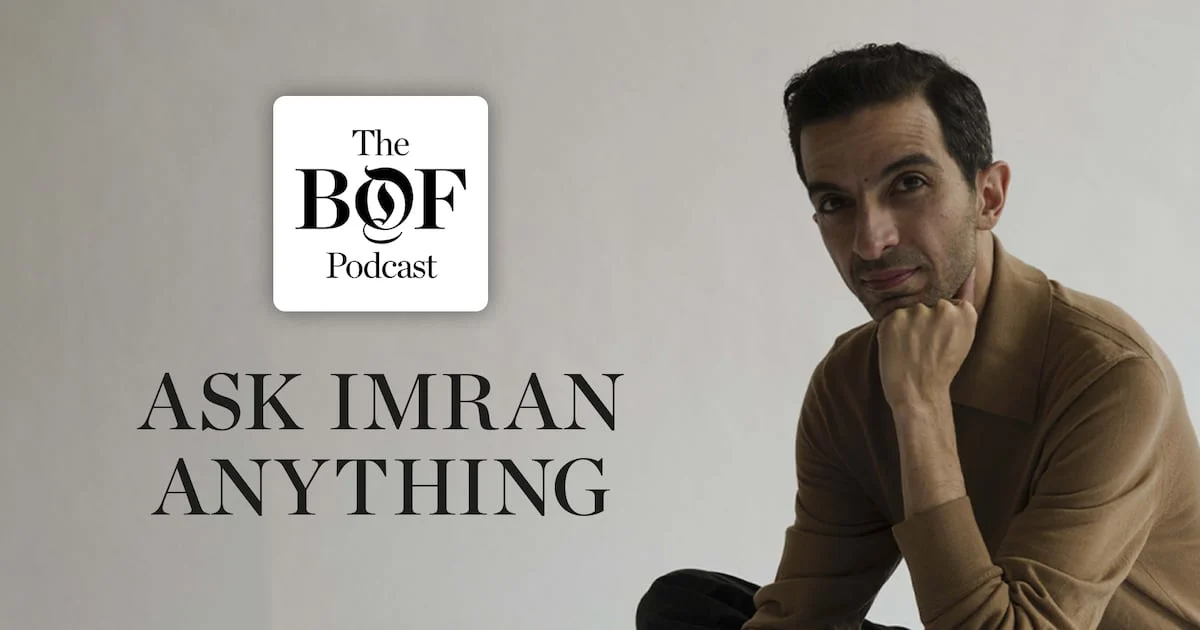
The global fashion community recently tuned into the second installment of The Business of Fashion (BoF) Podcast’s highly anticipated "Ask Me Anything" (AMA) series, featuring its founder and editor-in-chief, Imran Amed. This episode delved into critical contemporary issues shaping the industry, addressing listener questions on topics ranging from the return of creative energy and the nuanced definition of luxury to the empowerment of independent brands and strategies for resilience amidst global uncertainties. The discussion underscored BoF’s commitment to providing agenda-setting intelligence and analysis, offering a panoramic view of an industry in constant flux.
The Context: BoF and Imran Amed’s Influence
The Business of Fashion, established by Imran Amed in 2007, has grown from a personal blog into one of the most authoritative voices in the global fashion industry. Known for its incisive analysis, data-driven insights, and influential reporting, BoF serves a diverse audience of executives, designers, retailers, investors, and students. Amed himself is recognized as a leading thought leader, whose perspectives often frame the ongoing dialogue about fashion’s future. The "Ask Me Anything" format on the BoF Podcast offers a unique opportunity for direct engagement, allowing Amed to tackle pressing questions submitted by the community, reflecting real-time concerns and curiosities within the sector. This direct interaction enhances BoF’s role as a vital forum for industry discourse, moving beyond traditional news dissemination to foster a deeper understanding of complex trends.
A Resurgence of Creative Energy in a Post-Pandemic Landscape
One of the central themes explored in the AMA was the perceived return of creative energy to the industry. Following a period marked by global health crises, economic downturns, and supply chain disruptions, many within fashion experienced a contraction of creative output, often prioritizing commercial viability and digital adaptation over avant-garde expression. However, Amed’s discussion highlighted a palpable shift, suggesting that designers and brands are now re-embracing experimentation and pushing aesthetic boundaries.
This resurgence is evident in several areas. Fashion weeks, while still grappling with evolving formats (physical, digital, hybrid), have showcased collections that demonstrate a renewed sense of optimism and innovation. Emerging designers, unburdened by legacy structures, are often at the forefront, leveraging sustainable practices, gender-fluid designs, and culturally diverse narratives to carve out unique identities. Furthermore, the acceleration of digital fashion, including NFTs, metaverse experiences, and advanced CGI, has opened entirely new avenues for creative expression that transcend physical limitations. Industry reports indicate a significant uptick in venture capital funding for fashion tech startups, many of which focus on enhancing design processes and virtual aesthetics. This technological integration is not merely about efficiency but about expanding the very definition of creativity in fashion, allowing for immersive experiences and novel forms of artistic collaboration.
Redefining Luxury: Beyond Exclusivity and Price Tags
The conversation also tackled the ever-evolving definition of luxury. Historically, luxury was synonymous with exclusivity, high price points, meticulous craftsmanship, and often, overt brand signaling. However, Amed noted that contemporary consumers, particularly younger demographics like Gen Z and millennials, are recalibrating their understanding of luxury. The discussion emphasized that true luxury today often encapsulates experience, sustainability, ethical production, and a deep sense of personal connection and authenticity, rather than just material opulence.
For instance, the rise of "quiet luxury" or "stealth wealth" signifies a pivot away from overt branding towards understated quality, timeless design, and superior materials. Concurrently, experiential luxury, such as bespoke travel, personalized services, and immersive brand activations, has gained prominence, demonstrating that value is increasingly derived from intangible benefits. Data from luxury market analyses consistently show that consumers are willing to pay a premium for brands that demonstrate strong environmental, social, and governance (ESG) commitments. A 2023 report by Bain & Company, for example, highlighted that purpose-driven consumption is a significant driver in the luxury sector, with consumers actively seeking out brands aligned with their values. This shift presents both challenges and opportunities for established luxury houses, requiring them to adapt their storytelling, supply chains, and consumer engagement strategies to reflect these new priorities while maintaining their heritage of excellence.
Independent Brands and the Erosion of Traditional Gatekeepers
Perhaps one of the most transformative shifts discussed was the diminishing power of traditional fashion gatekeepers. For decades, access to the fashion industry was tightly controlled by a select few: powerful fashion editors, influential buyers for major department stores, established PR agencies, and the exclusive committees behind official fashion weeks. These entities dictated trends, launched careers, and largely determined what reached the consumer.
Amed’s AMA highlighted how the digital revolution has fundamentally democratized this landscape. Independent brands, once struggling to gain visibility, now possess unprecedented tools to connect directly with their audience. Direct-to-consumer (DTC) e-commerce platforms, social media marketing, and influencer collaborations have circumvented the need for traditional intermediaries. Platforms like Instagram, TikTok, and even burgeoning metaverse spaces allow designers to showcase their work, build communities, and generate sales without relying on editorial endorsements or expensive retail placements. Crowdfunding initiatives have also empowered emerging talents to secure initial capital, bypassing traditional investment channels.
Industry observers note that this decentralization fosters a more diverse and inclusive fashion ecosystem. While established gatekeepers still hold influence, their power is no longer absolute. The implications are profound: greater innovation, more diverse aesthetics, and a more direct feedback loop between creators and consumers. This shift also places a greater onus on independent brands to master digital marketing, supply chain management, and community building, transforming them not just into creative entities but agile, digitally native businesses.
Navigating Uncertainty: Strategies for Sustained Resilience
The final key area of discussion centered on how to "keep going when the world feels uncertain." This topic resonates deeply given the ongoing geopolitical tensions, economic volatility, climate change impacts, and rapid technological advancements that characterize the current global landscape. Amed’s insights likely emphasized the importance of adaptability, strategic foresight, and a robust understanding of market dynamics.
For fashion businesses, resilience translates into several core strategies. Diversifying supply chains to mitigate geopolitical risks and natural disasters is paramount. Investing in digital transformation, from advanced e-commerce capabilities to AI-driven trend forecasting, ensures agility and responsiveness to changing consumer behaviors. Furthermore, fostering a strong brand identity rooted in authenticity and purpose can build deep customer loyalty, acting as a buffer during economic downturns. Companies that prioritize employee well-being and ethical labor practices also tend to build more resilient internal cultures. The discussion likely underscored that in an unpredictable world, static business models are vulnerable; continuous innovation, scenario planning, and a commitment to core values are essential for long-term survival and growth.
Broader Impact and Implications
The themes addressed in Imran Amed’s AMA are not merely theoretical; they have tangible implications for every facet of the fashion industry. The resurgence of creative energy signals a potential shift away from purely commercial pressures, allowing for greater artistic expression and differentiation. The redefinition of luxury forces heritage brands to innovate and new entrants to articulate unique value propositions, leading to a more dynamic and competitive high-end market. The empowerment of independent brands fosters a more democratic industry, challenging established hierarchies and promoting diverse voices. Finally, the emphasis on resilience provides a roadmap for navigating an increasingly complex global environment, encouraging strategic thinking and adaptability across all business scales.
The BoF Podcast, through its "Ask Me Anything" series, continues to serve as a vital platform for real-time industry reflection. By directly addressing the community’s most pressing questions, Imran Amed and BoF reinforce their position as indispensable sources of intelligence, analysis, and practical advice, helping to shape the discourse and future trajectory of the global fashion community. These discussions are critical for industry professionals seeking to understand the underlying currents shaping market trends, consumer behavior, and the very fabric of fashion in the 21st century. As the industry continues to evolve at an unprecedented pace, such platforms become increasingly essential for fostering informed decision-making and collective progress.
